Community Engagement: Reducing Healthcare Costs by 10% by 2026
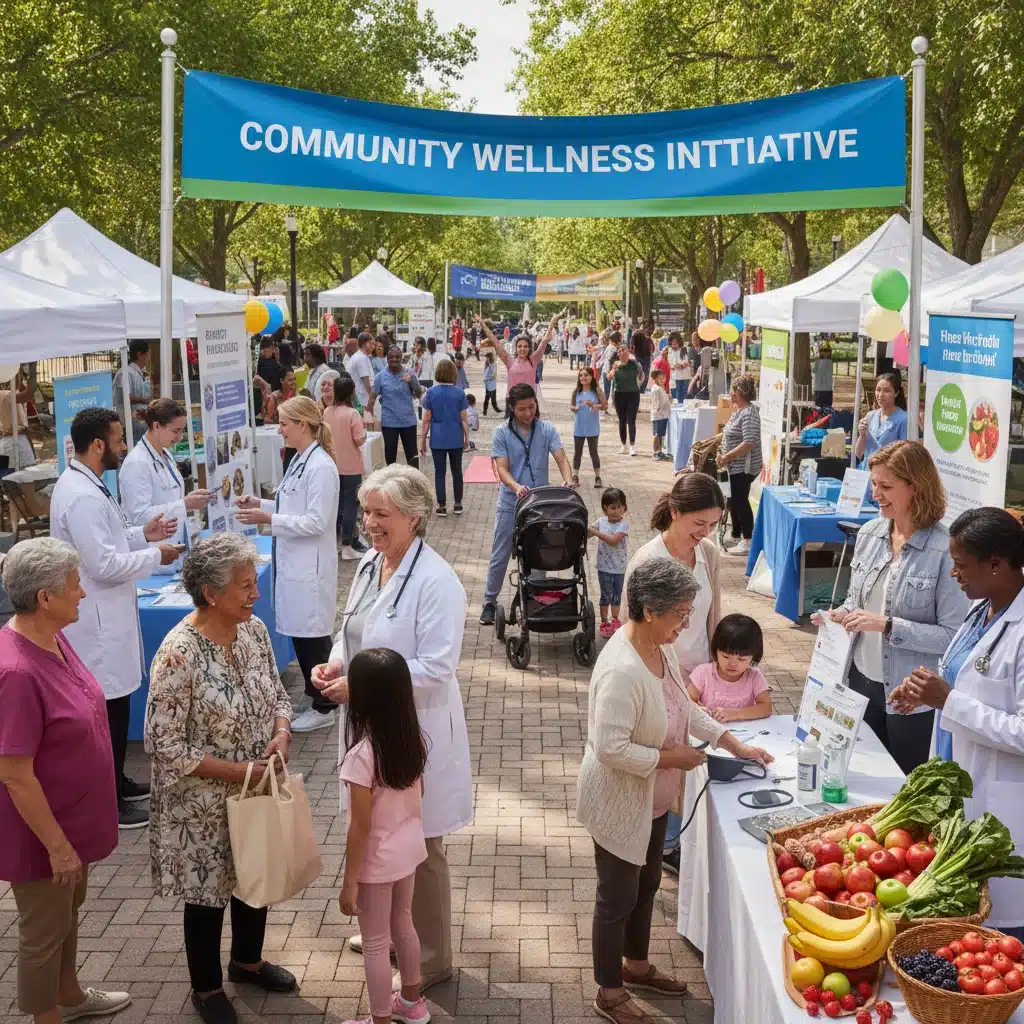
The escalating cost of healthcare is a global challenge, placing immense pressure on individuals, governments, and economies. In the United States alone, healthcare spending accounts for a significant portion of the Gross Domestic Product, with projections indicating continued growth. However, a powerful, yet often underutilized, strategy holds the potential to significantly bend this cost curve: robust community health costs reduction through active community engagement. This article will delve into how fostering strong community ties and addressing the social determinants of health (SDOH) can lead to a projected 10% reduction in healthcare expenditures by 2026, exploring the financial implications and actionable pathways to achieve this ambitious goal.
The Alarming Rise of Healthcare Costs: A Global Perspective
Before we explore solutions, it’s crucial to understand the magnitude of the problem. Healthcare costs have been on an upward trajectory for decades, driven by a confluence of factors including an aging population, the prevalence of chronic diseases, advancements in medical technology, and administrative complexities. In many developed nations, healthcare spending outpaces economic growth, leading to concerns about sustainability and equitable access.
For instance, in the US, national health expenditure reached $4.3 trillion in 2021, representing 18.3% of the GDP. Projections suggest this figure will continue to climb, potentially reaching $6.8 trillion by 2030. This financial burden disproportionately affects vulnerable populations, exacerbating health disparities and creating a vicious cycle of illness and poverty. The need for innovative and effective strategies to curb these costs is more pressing than ever.
Understanding Social Determinants of Health (SDOH) and Their Impact on Community Health Costs
At the heart of reducing community health costs lies a deep understanding of the Social Determinants of Health (SDOH). These are the non-medical factors that influence health outcomes. They include conditions in the places where people live, learn, work, and play that affect a wide range of health, functioning, and quality-of-life outcomes and risks. Key SDOH categories include:
- Economic Stability: Income, employment, debt, medical bills, and housing stability.
- Education Access and Quality: High school graduation, enrollment in higher education, language and literacy, and early childhood education.
- Healthcare Access and Quality: Access to primary care, health insurance, health literacy, and quality of care.
- Neighborhood and Built Environment: Housing, transportation, safety, parks, playgrounds, and walkability.
- Social and Community Context: Social cohesion, civic participation, discrimination, and incarceration.
Research consistently demonstrates a strong correlation between adverse SDOH and poorer health outcomes, leading to increased utilization of costly emergency services and inpatient care. For example, individuals lacking stable housing are more likely to experience chronic conditions and mental health issues, requiring more frequent and expensive medical interventions. Similarly, communities with limited access to nutritious food often face higher rates of obesity, diabetes, and heart disease. Addressing these underlying social factors through community engagement is paramount to achieving significant and sustainable reductions in community health costs.
The Power of Community Engagement in Healthcare
Community engagement in healthcare refers to the process of working collaboratively with groups of people affiliated by geographic proximity, special interests, or similar situations to address issues affecting their well-being. It is not merely about informing communities but actively involving them in decision-making, planning, and implementation of health initiatives. This collaborative approach fosters ownership, builds trust, and ensures that interventions are culturally appropriate and relevant to the specific needs of the community.
When communities are genuinely engaged, they can identify their unique health challenges, co-create solutions, and advocate for resources that truly make a difference. This bottom-up approach is far more effective than top-down mandates, as it leverages local knowledge, social networks, and existing assets. For example, a community struggling with food insecurity might identify a need for a community garden or a mobile food pantry, rather than a generic health education program that doesn’t address the root cause of their dietary issues.
Direct Financial Benefits of Engaged Communities
The financial benefits of effective community engagement are substantial and multifaceted. By proactively addressing SDOH, communities can:
- Reduce Emergency Room Visits: When individuals have access to stable housing, nutritious food, and primary care, they are less likely to rely on costly emergency departments for preventable conditions.
- Decrease Hospital Readmissions: Strong social support networks and access to post-discharge care coordination can significantly lower readmission rates, a major driver of healthcare costs.
- Improve Chronic Disease Management: Community-based programs focusing on diet, exercise, and medication adherence can empower individuals to better manage chronic conditions like diabetes and heart disease, preventing complications and reducing the need for expensive treatments.
- Lower Mental Health Costs: By fostering social connection, reducing stigma, and providing accessible mental health resources within the community, the burden of mental illness can be alleviated, leading to fewer crises and hospitalizations.
- Promote Preventative Care: Engaged communities are more likely to participate in screenings, vaccinations, and health education programs, catching health issues early or preventing them altogether.
These direct savings are compounded by indirect benefits, such as increased productivity, reduced absenteeism, and a healthier, more resilient workforce, all of which contribute to a stronger local economy.
Projecting a 10% Reduction in Community Health Costs by 2026
Achieving a 10% reduction in community health costs by 2026 is an ambitious yet attainable goal. This projection is based on the growing body of evidence demonstrating the efficacy of SDOH interventions and community-led health initiatives. Several key strategies, when implemented comprehensively, can drive this significant shift:
1. Investing in Community Health Workers (CHWs)
Community Health Workers are trusted members of the community who serve as a bridge between health and social services and the community. They play a vital role in connecting individuals to resources, providing health education, and offering social support. Studies have shown that CHW programs can lead to significant reductions in healthcare utilization and costs, particularly among vulnerable populations. For instance, a study published in the American Journal of Public Health found that CHW interventions led to an average 25% reduction in emergency department visits and hospitalizations for chronic disease patients.
2. Developing Integrated Care Models
Integrated care models break down the silos between medical care, behavioral health, and social services. By coordinating care across these domains, patients receive holistic support that addresses their physical, mental, and social needs. This approach reduces duplication of services, improves patient outcomes, and prevents costly crises. Examples include co-locating social workers in primary care clinics or establishing partnerships between hospitals and community-based organizations to address housing or food insecurity.

3. Strengthening Community-Based Participatory Research (CBPR)
CBPR involves community members as equal partners in research design, implementation, and dissemination. This ensures that research questions are relevant to the community’s needs and that interventions are culturally appropriate and sustainable. By empowering communities to identify their own health priorities and participate in finding solutions, CBPR fosters a sense of ownership and increases the likelihood of successful, cost-effective interventions.
4. Leveraging Technology for Health Equity
Technology can play a crucial role in enhancing community engagement and reducing community health costs. Telehealth services can improve access to care in rural or underserved areas. Mobile health applications can provide personalized health information and support for chronic disease management. Data analytics can identify communities at highest risk and tailor interventions accordingly. However, it’s vital to address the digital divide to ensure equitable access to these technological advancements.
5. Policy and Advocacy for SDOH
Sustainable reductions in community health costs require supportive policies at local, state, and national levels. This includes advocating for policies that promote affordable housing, access to healthy food, quality education, and safe environments. Healthcare systems can also play a role by investing in community development initiatives and advocating for policies that address the root causes of poor health.
Case Studies: Demonstrating the Financial Impact
Numerous examples illustrate the tangible financial benefits of community engagement in healthcare:
- The Camden Coalition of Healthcare Providers: This initiative in Camden, New Jersey, focuses on identifying and supporting “super-utilizers” of healthcare – individuals with complex medical and social needs who frequently visit emergency rooms. By providing intensive case management, connecting patients to social services, and building relationships with community providers, the Coalition has demonstrated significant reductions in hospital admissions and readmissions, leading to substantial cost savings. Their model has been replicated across the country.
- Accountable Communities for Health (ACHs): ACHs are partnerships between healthcare organizations, public health agencies, and community groups that collectively address SDOH. In states like Washington and Minnesota, ACHs have implemented programs focusing on issues like housing insecurity, food access, and violence prevention, resulting in improved health outcomes and reduced healthcare expenditures by shifting from reactive, high-cost care to proactive, community-based prevention.
- Food as Medicine Programs: Programs that provide medically tailored meals or prescriptions for healthy food to patients with chronic conditions have shown promising results. For example, a program in Massachusetts providing healthy food to patients with diabetes saw a reduction in healthcare costs by an average of $2,000 per patient per year, primarily due to fewer emergency room visits and hospitalizations.
These case studies underscore the potential for significant financial returns on investment when healthcare systems and communities collaborate to address the underlying social determinants of health. The 10% reduction in community health costs by 2026 is not merely aspirational but achievable through widespread adoption of such evidence-based models.
Challenges and Considerations
While the benefits are clear, implementing effective community engagement strategies to reduce community health costs is not without its challenges:
- Funding and Sustainability: Securing consistent funding for community-based initiatives can be difficult, as traditional healthcare reimbursement models often do not adequately cover SDOH interventions. Innovative financing mechanisms, such as value-based care models and social impact bonds, are needed.
- Measuring Impact: Quantifying the direct financial impact of SDOH interventions can be complex, as outcomes often manifest over longer periods and involve multiple contributing factors. Robust evaluation frameworks and data collection are essential.
- Building Trust: Many communities, particularly those that have been historically marginalized, may have a deep-seated distrust of healthcare institutions. Building genuine relationships based on respect, transparency, and shared decision-making is crucial.
- Systemic Barriers: Addressing systemic issues like racism, poverty, and discrimination requires broader societal changes that go beyond the scope of individual healthcare organizations. Collaborative efforts across sectors are necessary.
- Workforce Development: There is a growing need for a skilled workforce, including community health workers, social workers, and data analysts, who are equipped to implement and evaluate community engagement strategies.
Overcoming these challenges requires a concerted effort from all stakeholders: healthcare providers, policymakers, community leaders, and community members themselves. It necessitates a paradigm shift from a purely medical model of care to a holistic, community-centered approach.
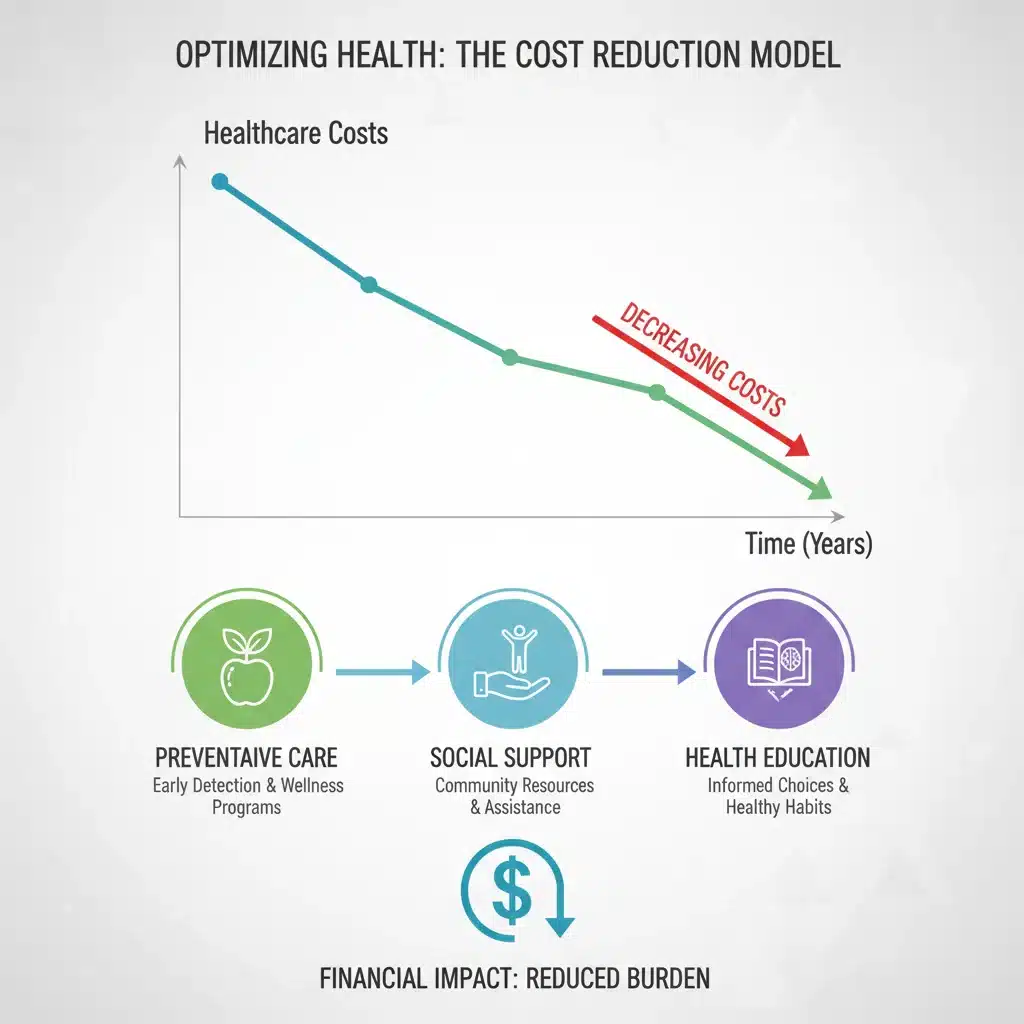
The Path Forward: A Call to Action for Reducing Community Health Costs
To realize the ambitious goal of a 10% reduction in community health costs by 2026, a multi-pronged approach is required:
- Prioritize SDOH Integration: Healthcare organizations must embed SDOH screening and referral systems into routine clinical practice. This means not just asking about housing or food insecurity but actively connecting patients to relevant community resources.
- Fostering Cross-Sector Partnerships: Collaboration between healthcare, public health, social services, education, housing, and transportation sectors is critical. These partnerships can create comprehensive support systems that address the multifaceted needs of communities.
- Invest in Community Infrastructure: Funding must be directed towards strengthening community-based organizations, building community health worker programs, and developing accessible community centers that serve as hubs for health and social support.
- Advocate for Policy Changes: Policymakers need to enact legislation that supports SDOH initiatives, provides adequate funding, and incentivizes healthcare systems to invest in community health.
- Empower Communities: Genuine community engagement means empowering residents to be active participants and leaders in designing and implementing health solutions. Their lived experiences are invaluable.
- Measure and Evaluate: Robust data collection and evaluation are essential to track progress, demonstrate impact, and refine strategies. This includes both health outcomes and financial metrics.
The vision of reducing community health costs by 10% by 2026 is not just about saving money; it’s about building healthier, more equitable, and more resilient communities. It’s about shifting from a reactive, illness-focused system to a proactive, wellness-oriented one. By embracing community engagement as a cornerstone of healthcare strategy, we can achieve not only significant financial savings but also profound improvements in the well-being of millions.
Conclusion
The challenge of rising healthcare costs demands innovative and sustainable solutions. This article has highlighted the transformative potential of community engagement in addressing the social determinants of health and ultimately reducing community health costs. By actively involving communities in shaping their health futures, investing in evidence-based interventions like community health worker programs and integrated care models, and advocating for supportive policies, we can realistically aim for a 10% reduction in healthcare expenditures by 2026. This isn’t just a financial imperative; it’s a moral one, promising a future where health is not just the absence of disease, but a state of complete physical, mental, and social well-being for all.
References and Further Reading:
- Centers for Medicare & Medicaid Services (CMS). National Health Expenditure Data.
- World Health Organization (WHO). Social Determinants of Health.
- American Journal of Public Health. Studies on Community Health Worker effectiveness.
- The Camden Coalition of Healthcare Providers.
- Accountable Communities for Health initiatives in various states.