Navigating the New Social Landscape: 4 Time-Sensitive Strategies for Community Building in a Post-Pandemic World
Navigating the New Social Landscape: 4 Time-Sensitive Strategies for Community Building in a Post-Pandemic World
The world has undergone an unprecedented transformation in recent years, profoundly reshaping how we connect, interact, and form communities. The reverberations of the pandemic continue to influence our social fabric, creating a new landscape that demands innovative and empathetic approaches to community building strategies. It’s no longer enough to rely on pre-2020 blueprints; success now hinges on adaptability, understanding evolving human needs, and leveraging both digital and physical spaces effectively. This article delves into four crucial, time-sensitive strategies designed to help individuals, organizations, and brands foster vibrant, resilient communities in this dynamic new era.
The shift isn’t merely about moving online; it’s about a fundamental re-evaluation of what connection means. Loneliness and isolation, amplified during lockdowns, have underscored the innate human need for belonging. Simultaneously, the digital tools that once felt like a novelty have become integral to our daily lives, blurring the lines between our online and offline identities. As we collectively navigate the complexities of this new social landscape, the ability to intentionally cultivate meaningful connections has become a paramount skill. These four strategies are not just recommendations; they are urgent calls to action for anyone committed to building strong, supportive, and engaged communities that can thrive in the face of ongoing change.
Strategy 1: Embrace the Hybrid Model for Inclusive Engagement
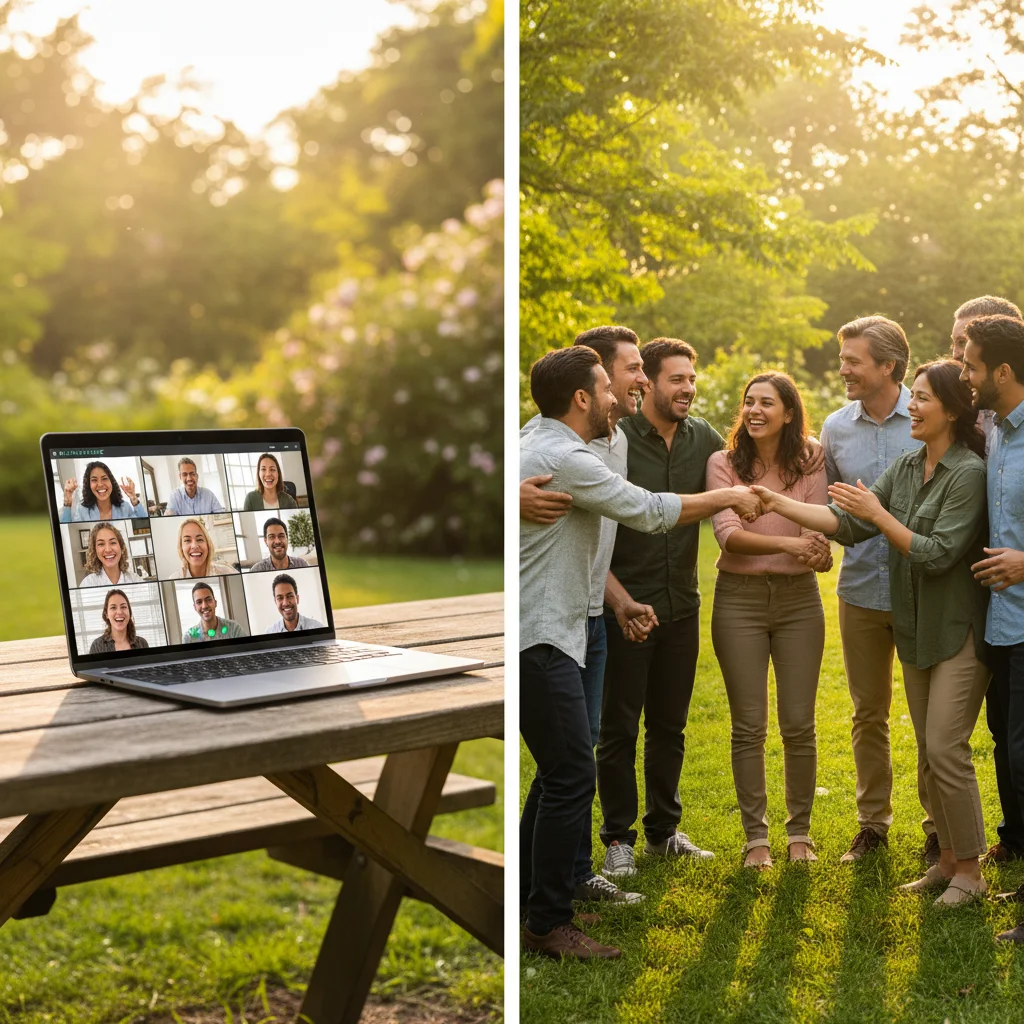
One of the most significant and enduring shifts in the post-pandemic world is the pervasive adoption of hybrid models across various facets of life, from work to education and, crucially, to social interaction. For effective community building strategies, embracing a hybrid approach is no longer an option but a necessity. This means intentionally designing experiences that cater to both in-person and remote participants, ensuring that neither group feels secondary or excluded.
The challenge lies in creating seamless integration rather than simply offering two separate experiences. A truly hybrid community event, for example, might involve a physical gathering with high-quality audio-visual equipment to bring remote attendees into the conversation. This could include dedicated facilitators for online participants, interactive polls accessible to everyone, and breakout sessions that combine virtual and physical groups. The goal is to minimize the digital divide and foster a sense of shared presence, regardless of physical location.
Designing for Dual Presence
Consider the technical infrastructure. Invest in reliable internet connectivity, good microphones, and cameras that can capture the room effectively. Utilize platforms that offer robust interactive features like chat functions, Q&A modules, and virtual whiteboards. Train your facilitators to manage both physical and virtual interactions simultaneously, ensuring that online participants have ample opportunities to speak, ask questions, and contribute.
Benefits of a Hybrid Approach
- Increased Accessibility: Hybrid models remove geographical barriers, allowing people from diverse locations to participate. This broadens the potential reach of your community and fosters a more inclusive environment.
- Enhanced Flexibility: Life happens. A hybrid model offers greater flexibility for members who might not always be able to attend in person due to work, family commitments, or health concerns.
- Greater Resilience: In an unpredictable world, a hybrid model provides built-in resilience. Should circumstances prevent physical gatherings, the community can seamlessly pivot to a fully virtual format without losing momentum.
- Diverse Perspectives: Bringing together individuals from different locations and backgrounds enriches discussions and introduces a wider array of perspectives, leading to more dynamic and innovative outcomes for your community building strategies.
Implementing a successful hybrid strategy requires forethought and a willingness to iterate. Gather feedback from both in-person and online participants to continually refine your approach. The investment in creating truly integrated hybrid experiences will pay dividends in stronger, more inclusive, and more resilient communities.
Strategy 2: Prioritize Authentic Connection Over Superficial Engagement
In an age saturated with digital interactions, the distinction between superficial engagement and authentic connection has never been more critical. Many platforms are designed to maximize clicks and likes, often at the expense of genuine human interaction. For sustainable community building strategies, the emphasis must shift from vanity metrics to fostering deep, meaningful relationships that transcend fleeting online trends.
Authentic connection is built on trust, empathy, and shared values. It’s about creating spaces where individuals feel seen, heard, and valued for who they are, not just for what they can contribute. This requires a conscious effort to move beyond transactional interactions and cultivate environments that encourage vulnerability, mutual support, and collaborative growth.
Cultivating Genuine Relationships
How can communities foster this depth of connection? It begins with intentional design and leadership. Community leaders and members should model authentic behavior, sharing their own experiences and challenges. Encourage one-on-one interactions, perhaps through dedicated mentorship programs or small group discussions. Create opportunities for members to collaborate on projects or initiatives that align with their shared interests, allowing them to build bonds through collective effort.
Consider the types of content and activities you promote. Instead of solely focusing on broadcasting information, prioritize interactive discussions, workshops, and co-creation opportunities. Ask open-ended questions that invite personal reflection and sharing. Celebrate individual achievements and milestones, reinforcing a sense of collective support and belonging.

Moving Beyond the Metrics Trap
While engagement metrics (likes, comments, shares) can offer some insight, they often fail to capture the true health of a community. Instead, focus on qualitative indicators: Do members feel comfortable asking for help? Are they initiating conversations with each other? Are they actively contributing to the community’s goals? Are they forming friendships outside of the official community channels?
Shift your focus from the quantity of interactions to the quality. A smaller group of deeply connected members is often more valuable and sustainable than a large, disengaged audience. By prioritizing authentic connection, you build a foundation of trust and loyalty that will sustain your community through challenges and changes, making it a powerful example of effective community building strategies.
Strategy 3: Leverage Micro-Communities for Deeper Engagement and Niche Interests
As communities grow, maintaining a sense of intimacy and personalized engagement can become challenging. The post-pandemic landscape, with its emphasis on tailored experiences and the rise of niche interests, makes the strategy of leveraging micro-communities more pertinent than ever. Micro-communities are smaller, specialized groups within a larger community, often formed around specific interests, goals, or demographics. These sub-groups allow for deeper connections, more focused discussions, and a greater sense of belonging for individual members.
Think of a large online forum that also hosts smaller, dedicated chat groups for specific topics like ‘advanced photography techniques’ or ‘beginner’s guide to coding.’ Or a professional organization that creates regional chapters or special interest groups. This segmentation is a powerful component of modern community building strategies.
Benefits of Micro-Communities
- Increased Relevance: Members are more likely to engage when discussions and activities directly pertain to their specific interests or needs.
- Stronger Bonds: Smaller groups facilitate more intimate interactions, allowing members to develop stronger relationships and a greater sense of trust.
- Reduced Overwhelm: In a large, bustling community, it’s easy for voices to get lost. Micro-communities provide a more manageable and less intimidating environment for participation.
- Empowered Leadership: Micro-communities can be led by passionate members, distributing leadership responsibilities and fostering a sense of ownership throughout the community.
- Niche Expertise: They become hubs for specialized knowledge and skill-sharing, attracting and retaining members interested in specific areas.
Implementing Micro-Community Structures
To successfully implement micro-communities, start by identifying common interests or needs within your broader community. Conduct surveys, analyze discussion topics, or simply ask members what specific sub-groups they would find valuable. Once identified, create dedicated spaces for these groups – whether it’s a specific channel on a communication platform, a dedicated forum section, or even a regular small-group virtual meeting.
Empower members to lead these micro-communities, providing them with the necessary tools and support. Establish clear guidelines for interaction to maintain a positive and productive environment. Regularly check in with micro-community leaders and members to understand their needs and gather feedback. By fostering these smaller, more focused units, you strengthen the overall fabric of your community, making it more resilient and engaging for everyone involved. This strategic segmentation is a hallmark of forward-thinking community building strategies in the current environment.
Strategy 4: Cultivate a Culture of Psychological Safety and Inclusivity
The post-pandemic world has brought increased awareness to mental health, well-being, and the critical importance of creating environments where individuals feel safe to be themselves. For any community building strategies to succeed long-term, a foundational commitment to psychological safety and inclusivity is non-negotiable. Psychological safety means that members feel comfortable taking risks, asking questions, admitting mistakes, and expressing diverse opinions without fear of judgment, ridicule, or punishment. Inclusivity ensures that every member, regardless of background, identity, or perspective, feels welcomed, respected, and valued.
Without psychological safety, engagement will remain superficial, and members will hesitate to contribute their best. Without inclusivity, segments of your community will feel marginalized, leading to disengagement and eventual attrition. These are not just ‘nice-to-haves’ but essential pillars for fostering a thriving, resilient community.
Building a Foundation of Trust and Respect
Creating psychological safety starts with leadership. Community leaders must model empathy, active listening, and a non-judgmental attitude. Establish clear codes of conduct that promote respectful communication and prohibit harassment or discrimination. Enforce these rules consistently and fairly, demonstrating that the community values the well-being of all its members.
Encourage a ‘growth mindset’ where mistakes are viewed as learning opportunities rather than failures. Create safe spaces for feedback, both positive and constructive. Implement mechanisms for members to report concerns confidentially, ensuring that their voices are heard and acted upon.
Practicing Intentional Inclusivity
Inclusivity goes beyond mere tolerance; it’s about actively seeking out and valuing diverse perspectives. Review your community’s language, imagery, and communication styles to ensure they are welcoming to all. Consider offering content in multiple formats or languages if applicable. Be mindful of cultural nuances and avoid assumptions.
Actively solicit input from underrepresented groups. Create opportunities for diverse voices to lead and share their expertise. Celebrate the unique contributions of each member, reinforcing the idea that diversity strengthens the community. Regularly audit your community’s practices to identify and address any unconscious biases or barriers to participation.
A community built on psychological safety and inclusivity is not only more ethical but also more dynamic, innovative, and resilient. Members who feel safe and valued are more likely to contribute, collaborate, and remain engaged, making this a cornerstone of effective community building strategies for the future.
The Urgency of Adapting Your Community Building Strategies
The social landscape is not static; it is continually evolving, and the pace of change has only accelerated in the post-pandemic era. The four strategies outlined – embracing hybrid models, prioritizing authentic connection, leveraging micro-communities, and cultivating psychological safety and inclusivity – are not merely good practices; they are time-sensitive imperatives. Delay in adopting these approaches risks obsolescence and disengagement, as individuals gravitate towards spaces that genuinely meet their evolving needs for connection, belonging, and personal growth.
The window of opportunity to re-establish and strengthen community bonds in this new environment is now. People are actively seeking stable, supportive, and meaningful connections after a period of significant disruption. Communities that can adapt quickly and thoughtfully to these shifting expectations will be the ones that thrive. This means moving beyond theoretical discussions and actively implementing these community building strategies with intention and commitment.
Overcoming Common Challenges
Implementing these strategies may present challenges. Technical hurdles for hybrid events, the effort required to foster authentic relationships, the organizational complexity of managing micro-communities, and the ongoing work of maintaining psychological safety all demand resources and dedication. However, the investment is minuscule compared to the long-term benefits of a vibrant, engaged community. Start small, experiment, gather feedback, and iterate. The journey of community building is continuous, requiring ongoing adaptation and a willingness to learn.
The Future of Connection
Ultimately, the future of human connection will be shaped by those who understand that technology is a tool, not a substitute, for genuine interaction. It will be built by leaders and members who prioritize empathy, create welcoming environments, and recognize the profound human need for belonging. By focusing on these time-sensitive community building strategies, you are not just managing a group of people; you are cultivating a resilient ecosystem of support, innovation, and shared purpose that can withstand the tests of time and change.
Conclusion: Building Resilient Communities for a New Era
The post-pandemic world has irrevocably altered our social dynamics, presenting both challenges and unparalleled opportunities for community building. The need for genuine connection, belonging, and support has never been more pronounced. By actively embracing hybrid models, prioritizing authentic relationships, strategically utilizing micro-communities, and fostering a culture of psychological safety and inclusivity, individuals and organizations can cultivate vibrant, resilient communities that not only survive but thrive in this evolving landscape.
These four community building strategies are not merely trends; they are fundamental shifts in how we approach human interaction in the 21st century. They demand proactive engagement, continuous adaptation, and a deep understanding of the human element. The time to act is now. By implementing these time-sensitive approaches, we can build stronger, more empathetic, and more connected communities that empower individuals, foster collaboration, and contribute positively to the collective well-being of our interconnected world. The investment in these strategies today will yield dividends in stronger, more meaningful connections for years to come.