Micro-Communities: Shaping Social Bonds in the US
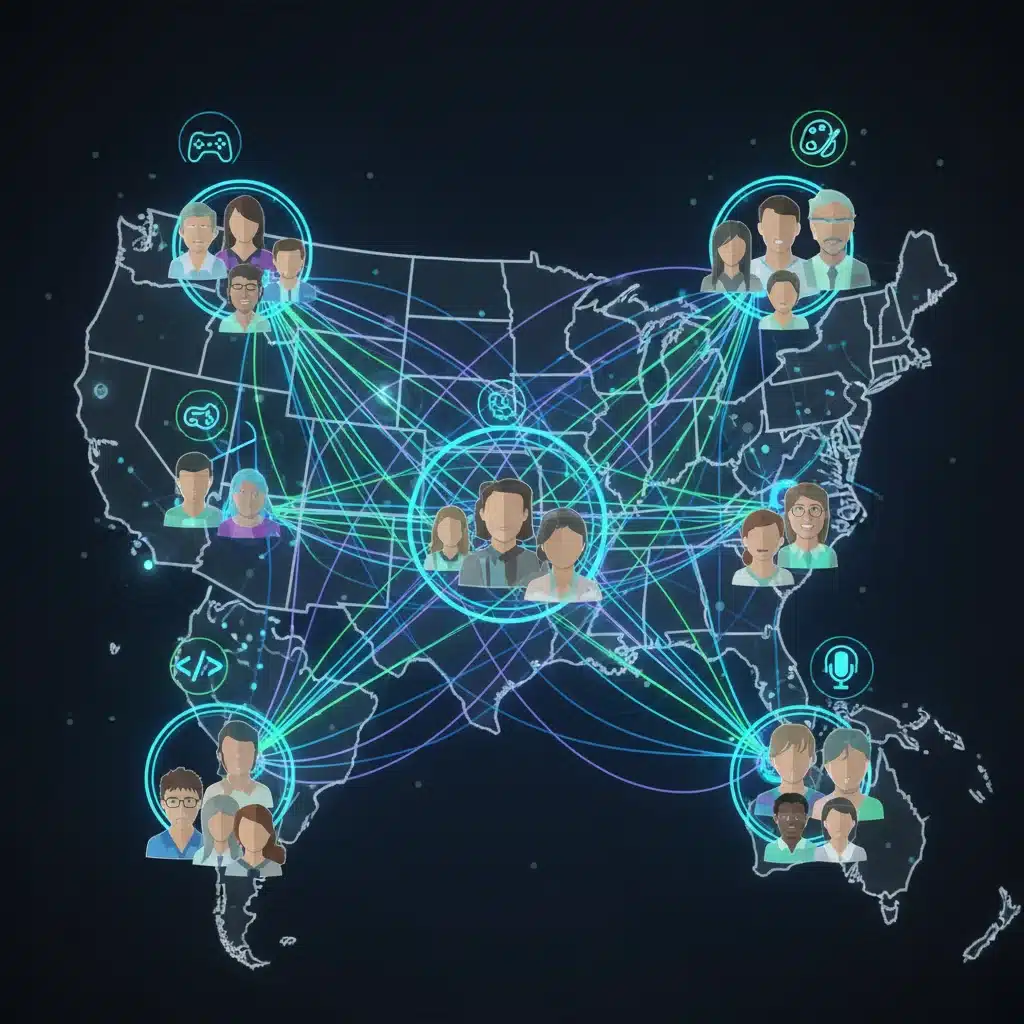
The Rise of Micro-Communities: How 5 New Platforms are Changing Daily Social Bonds in the US
In an increasingly interconnected yet often impersonal digital landscape, a significant shift is underway. Traditional, broad social media platforms, once heralded as the ultimate connectors, are giving way to a more intimate and focused form of online interaction: the micro-community. These specialized digital spaces are not just trends; they are fundamentally altering how individuals in the US forge connections, share passions, and build meaningful relationships. This comprehensive exploration delves into the phenomenon of micro-communities US platforms, examining their growing influence and spotlighting five innovative platforms that are at the forefront of this social evolution.
The concept of community has always been central to human experience. From ancient tribes to modern neighborhoods, people have sought out groups where they feel understood, supported, and valued. The digital age initially promised to expand these boundaries, allowing us to connect with anyone, anywhere. However, this vastness often led to superficial interactions, information overload, and a sense of alienation despite being ‘connected’ to thousands. Enter the micro-community: a smaller, more focused group built around shared interests, values, or goals. These communities thrive on depth over breadth, fostering environments where genuine connections can flourish. The shift towards micro-communities US platforms is a direct response to the desire for more authentic and relevant social engagement, moving away from the noise of mainstream social networks.
Understanding the dynamics of these new platforms is crucial for anyone interested in the future of social interaction, marketing, and even personal well-being. They offer a refuge from the performative aspects of public social media, providing spaces where individuals can be their authentic selves, discuss niche topics without judgment, and receive targeted support. This article will not only define what constitutes a successful micro-community but also explore the psychological and sociological reasons behind their rapid adoption. Furthermore, we will introduce five pioneering platforms that exemplify this trend, showcasing how each is uniquely contributing to the reshaping of daily social bonds across the United States. Prepare to discover the next frontier of online connection, where intimacy, shared passion, and genuine interaction reign supreme.
What Exactly Are Micro-Communities and Why Are They Flourishing?
At its core, a micro-community is a small, specialized group of individuals united by a common interest, identity, or purpose. Unlike the sprawling, often anonymous nature of platforms like Facebook or X (formerly Twitter), micro-communities prioritize quality over quantity in interactions. Think of it as moving from a bustling metropolis to a close-knit village where everyone knows each other and shares a common thread. The ‘micro’ aspect refers to their focused scope and often smaller membership, which facilitates deeper engagement and a stronger sense of belonging. The rise of micro-communities US platforms is a testament to a collective yearning for more meaningful digital interactions.
The Psychological Underpinnings of Micro-Community Appeal
Several psychological factors contribute to the magnetic pull of micro-communities. Firstly, they satisfy the fundamental human need for belonging. In a world that often feels isolating, finding a group that truly ‘gets’ you can be incredibly validating. Secondly, these platforms offer a sense of psychological safety. Users feel more comfortable sharing vulnerabilities, asking niche questions, and expressing unique opinions when they are surrounded by like-minded individuals who understand their context. This contrasts sharply with the often-judgmental and performative environments of larger social networks.
Thirdly, micro-communities provide a fertile ground for identity exploration and affirmation. Whether it’s a community for indie game developers, rare coin collectors, or single parents navigating specific challenges, these spaces allow individuals to delve deeper into aspects of their identity that might not be fully appreciated elsewhere. The shared language, inside jokes, and collective knowledge within these groups foster a powerful sense of collective identity, strengthening individual self-concept.
Sociological Shifts Driving the Micro-Community Boom
From a sociological perspective, the flourishing of micro-communities US platforms can be attributed to several significant shifts. The increasing fragmentation of mainstream media and culture means that people are no longer consuming the same content or sharing the same broad cultural touchstones. This fragmentation naturally leads to a desire for more specific, tailored social environments. As traditional institutions like local churches or community centers see declining participation, digital micro-communities step in to fill the void, offering modern alternatives for social cohesion.
Furthermore, the oversaturation and commercialization of mainstream social media have driven many users to seek out alternatives. Constant advertisements, privacy concerns, and the pressure to maintain a ‘perfect’ online persona have made platforms less appealing for genuine connection. Micro-communities offer a refreshing antidote, often being ad-free or having a more community-centric business model. They represent a return to the internet’s early promise: connecting people around shared passions, rather than just broadcasting personal lives to a mass audience.
The rise of remote work and increasingly globalized lifestyles also plays a role. As geographical boundaries become less relevant for professional and personal networks, digital micro-communities provide a stable base for individuals to connect with others who share their specific circumstances, regardless of physical location. This is particularly evident in professional niche groups or support networks for unique life situations.
Key Characteristics of Successful Micro-Communities
Not all small groups are created equal. Successful micro-communities US platforms share several defining characteristics that enable them to thrive and provide lasting value to their members:
- Niche Focus: The more specific the interest, the stronger the bond. From ‘vintage typewriter enthusiasts’ to ‘urban gardening in small spaces,’ a clear, narrow focus attracts truly passionate members.
- High Engagement: Members are active participants, not just passive consumers. They contribute content, offer support, and engage in discussions regularly.
- Strong Moderation: Effective moderation ensures a safe, respectful, and relevant environment. This prevents spam, harassment, and off-topic discussions that can dilute the community’s value.
- Sense of Belonging: Members feel a genuine connection to the group and its purpose. This fosters loyalty and encourages long-term participation.
- Value Exchange: Members gain something tangible or intangible from their participation, whether it’s knowledge, emotional support, networking opportunities, or creative inspiration.
- Authenticity: The community encourages genuine self-expression and discourages performative behavior.
These characteristics are vital for any platform aiming to cultivate strong micro-communities. They ensure that the digital spaces remain vibrant, relevant, and truly beneficial to their users, distinguishing them from the often-superficial interactions found on larger social networks.
Five Innovative Platforms Redefining US Social Bonds
The landscape of micro-communities US platforms is constantly evolving, with new players emerging to cater to increasingly specific needs. Here, we highlight five platforms that are making significant waves, each with a unique approach to fostering deeper connections and reshaping how Americans interact online.
1. Geneva: The All-in-One Hub for Private Groups
Geneva has rapidly emerged as a powerful contender in the micro-community space, positioning itself as an ‘all-in-one group chat app for all your groups, clubs, and communities.’ It blends the best features of Discord, Slack, and even traditional forums into a sleek, user-friendly interface. What sets Geneva apart is its emphasis on privacy and control, allowing users to create private ‘homes’ for their groups, complete with various channels for different topics (text, audio, video), forums, and events.
How it’s changing social bonds: Geneva empowers users to move their most important group conversations off public platforms and into a dedicated, controlled environment. This fosters a sense of exclusivity and safety, encouraging more open and honest communication. From college friend groups to niche hobby clubs and professional networks, Geneva provides the infrastructure for these micro-communities to thrive without the noise and distractions of mainstream social media. Its versatile features mean that groups can adapt the platform to their specific needs, whether it’s coordinating events, sharing resources, or simply engaging in casual chat.
2. Circle: The Community Platform for Creators and Brands
Circle is not just a platform; it’s a comprehensive suite of tools designed for creators, brands, and organizations to build, manage, and monetize their own online communities. Unlike social media where the platform owns the audience, Circle allows community owners to have complete control over their members, content, and data. It integrates features like forums, live streams, courses, member directories, and direct messaging, all under a custom brand.
How it’s changing social bonds: Circle is a prime example of how micro-communities US platforms are enabling new business models and deeper fan engagement. It allows influencers, educators, and entrepreneurs to cultivate highly engaged audiences around their specific expertise or brand. Members join these communities for exclusive content, direct access to creators, and to connect with other passionate fans. This creates a powerful feedback loop, where members feel invested in the community’s success and form strong bonds with both the creator and fellow members. It’s moving beyond passive consumption to active participation and co-creation within specialized niches.

3. Substack: Beyond Newsletters to Niche Discussions
While primarily known for its newsletter platform, Substack has quietly evolved into a significant player in the micro-community space through its integrated discussion features. Authors and journalists can not only publish their work but also create subscriber-only chat threads, forums, and even podcasts with interactive comment sections. This allows for direct, intimate conversations between creators and their most dedicated readers.
How it’s changing social bonds: Substack is proving that content and community are two sides of the same coin. By embedding discussion directly within the content consumption experience, it transforms passive readers into active participants. Subscribers to a niche newsletter on, for example, sustainable farming or independent film analysis, can now connect directly with the author and each other, forming robust micro-communities around shared intellectual interests. This fosters a deeper understanding of topics and builds camaraderie among individuals who might otherwise never cross paths, united by a specific passion for a particular type of content and the creator behind it.
4. Discord: From Gaming to Every Niche Imaginable
Originally a voice chat platform for gamers, Discord has exploded in popularity, transforming into a versatile hub for virtually any type of micro-community imaginable. Its ‘servers’ are essentially customizable spaces where groups can create multiple text and voice channels, organize events, and integrate bots for various functions. From study groups and fan clubs to professional networks and support groups, Discord’s flexibility makes it a go-to for many looking to build or join a focused online community.
How it’s changing social bonds: Discord’s strength lies in its ability to facilitate real-time, multi-modal communication within specific groups. The combination of text, voice, and video chat means that interactions can be as dynamic and personal as needed. Its robust moderation tools and customizable permissions empower community leaders to create safe and engaging environments. For many in the US, Discord servers have become virtual hangouts, replacing physical meeting spaces for hobbyists and friends. The platform is a testament to how specialized tools can foster incredibly strong, often global, social bonds, moving well beyond its gaming roots to become a staple among micro-communities US platforms.
5. Mighty Networks: Building Branded Communities with Courses and Content
Similar to Circle, Mighty Networks offers a comprehensive solution for creators and entrepreneurs to build their own branded online communities, but with an even stronger emphasis on content and online courses. It allows hosts to offer memberships, sell courses, organize events, and facilitate discussions, all within a custom-branded environment. This platform is particularly popular among educators, coaches, and industry leaders looking to cultivate a dedicated following and provide premium value.
How it’s changing social bonds: Mighty Networks facilitates the creation of highly valuable and often monetized micro-communities. Members join not just for social connection, but often for learning, professional development, or access to exclusive content. The platform fosters a sense of collective growth and shared journey, as members progress through courses together, share insights, and support each other’s goals. This blend of education and community creates powerful bonds centered around mutual learning and achievement, redefining how people connect and collaborate in specialized fields across the US.
The Impact of Micro-Communities on Daily Life and Society
The proliferation of micro-communities US platforms is not just a digital phenomenon; it has tangible impacts on the daily lives of individuals and the broader social fabric of the nation.
Enhanced Mental Well-being and Support
For many, micro-communities offer a vital source of emotional support and validation. Individuals dealing with rare diseases, unique life challenges, or niche interests often struggle to find understanding in their immediate physical circles. Online micro-communities provide a sanctuary where they can share experiences, receive advice, and feel less alone. This sense of belonging and shared struggle can significantly boost mental well-being and reduce feelings of isolation, which are increasingly prevalent in modern society. The targeted nature of these groups means that advice is often more relevant and empathetic than what might be found in general forums.
Fostering Niche Skills and Knowledge Exchange
These platforms are powerful engines for learning and skill development. Whether it’s a community dedicated to advanced coding techniques, historical reenactment, or gourmet cooking, members can tap into a collective intelligence that far surpasses what any single individual possesses. The peer-to-peer learning environment, combined with direct access to experts (often the community creators), accelerates knowledge acquisition and fosters innovation. This democratizes access to specialized information, making it easier for individuals to pursue their passions and develop new competencies, which is a significant advantage of micro-communities US platforms.
Reshaping Professional Networking and Collaboration
Beyond personal interests, micro-communities are also transforming professional landscapes. Industry-specific groups allow professionals to connect with peers, share best practices, seek mentorship, and even find job opportunities. These networks are often more effective than broad professional networking sites because the shared context and specific focus lead to more meaningful connections and actionable insights. Startups and small businesses are also leveraging these platforms to build highly engaged customer communities, fostering brand loyalty and gathering valuable feedback.
Challenges and Considerations for the Future
While the benefits are clear, the rise of micro-communities US platforms also presents challenges. Issues such as moderation effectiveness, preventing echo chambers, and ensuring data privacy remain critical. As these communities grow, maintaining the intimate, high-quality interaction that defines them can be difficult. There’s also the potential for fragmentation of social discourse if individuals only engage with those who share identical views, although many platforms actively encourage diverse viewpoints within their niche. The platforms themselves must continue to innovate to balance growth with the preservation of their core values.
The Future of Social Connection: Deeper, Not Wider
The trajectory of social interaction in the digital age is clearly moving towards depth over breadth. The era of collecting thousands of ‘friends’ or ‘followers’ without genuine connection is waning, replaced by a desire for authentic engagement within smaller, more focused groups. The five platforms highlighted—Geneva, Circle, Substack, Discord, and Mighty Networks—represent just a fraction of the innovation happening in the micro-communities US platforms space, but they clearly illustrate the trend.
As technology continues to evolve, we can expect even more sophisticated tools that facilitate these niche interactions. Artificial intelligence might play a role in connecting individuals to the most relevant micro-communities, while augmented reality could blend digital community experiences with physical world interactions. The underlying human need for belonging, understanding, and shared purpose will continue to drive this evolution.
For individuals, embracing micro-communities means finding spaces where they can truly thrive, learn, and contribute. For businesses and creators, it represents an unparalleled opportunity to build loyal audiences and foster genuine brand advocates. For society, it offers a potential antidote to the isolation and superficiality often associated with modern digital life, promising a return to more meaningful and supportive social bonds.