Bridging Digital Divides: Practical Solutions for Social Gaps in 2026
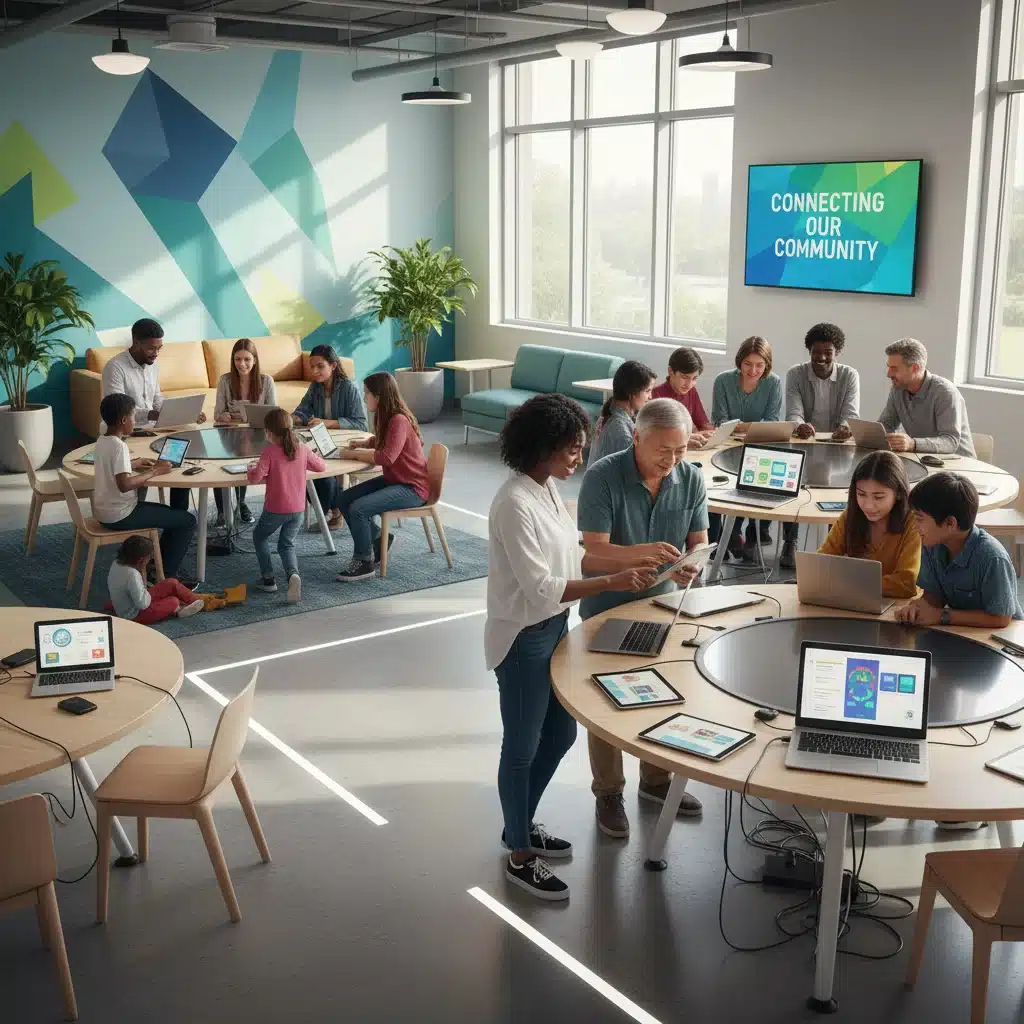
In an increasingly digitized world, the concept of the "digital divide" has evolved from a simple lack of internet access to a complex web of social, economic, and educational disparities. As we look towards 2026, the urgency to address these gaps intensifies. Bridging Digital Divides is not merely about providing hardware; it’s about fostering genuine digital inclusion, ensuring that every individual has the opportunity to participate, learn, and thrive in the online sphere. This comprehensive guide delves into the multifaceted challenges of digital inequality and offers practical, forward-thinking solutions designed to create a more equitable digital landscape for all.
Understanding the Evolving Digital Divide in 2026
The digital divide in 2026 is no longer a monolithic issue. It encompasses several interconnected dimensions:
- Access Divide: This is the most recognized aspect, referring to the unequal distribution of reliable, high-speed internet infrastructure and affordable digital devices. While progress has been made in urban centers, rural and remote areas, as well as low-income communities, often lag significantly.
- Affordability Divide: Even where infrastructure exists, the cost of internet service and digital devices can be prohibitive for many households, forcing them to make difficult choices between essential needs and digital connectivity.
- Literacy and Skills Divide: Possessing a device and internet access is only the first step. Many individuals lack the fundamental digital literacy skills to navigate online platforms effectively, critically evaluate information, or protect themselves from online threats. This gap is particularly pronounced among older adults, individuals with lower educational attainment, and certain minority groups.
- Usage and Engagement Divide: Beyond basic skills, there’s a disparity in how people utilize the internet. Some use it for advanced education, career development, and civic engagement, while others are limited to basic communication or entertainment, thus missing out on the full benefits of digital participation.
- Accessibility Divide: Individuals with disabilities often face significant barriers, including inaccessible hardware, software, and website designs, which prevent them from fully engaging with digital content and services.
- Content and Relevance Divide: The internet’s vast content can be irrelevant or culturally inappropriate for certain communities, further hindering engagement and diminishing the perceived value of digital participation.
These divides are not isolated; they often intersect and exacerbate existing social and economic inequalities. Addressing them requires a holistic and multi-pronged approach that goes beyond superficial fixes.
Pillar 1: Enhancing Infrastructure and Affordability
Expanding Broadband Access to Underserved Areas
The bedrock of Bridging Digital Divides is universal access to high-speed internet. In 2026, this means intensified efforts to expand broadband infrastructure, particularly in rural and remote regions. Governments, telecommunication companies, and non-profit organizations must collaborate to invest in:
- Fiber Optic Expansion: Prioritizing the deployment of future-proof fiber optic networks that offer high speeds and reliability.
- 5G Technology: Leveraging 5G as a complementary solution for last-mile connectivity, especially in areas where wired infrastructure is challenging to deploy.
- Satellite Internet: Exploring advanced satellite internet solutions (e.g., low Earth orbit constellations) to provide reliable service in the most geographically isolated communities.
- Community Networks: Supporting the development of community-owned and operated networks, which can be more responsive to local needs and offer more affordable options.
Making Internet and Devices Affordable for All
Even with widespread infrastructure, affordability remains a significant hurdle. Practical solutions include:
- Subsidies and Assistance Programs: Expanding and streamlining government programs (like the Affordable Connectivity Program in the US) that provide subsidies for internet service and devices to low-income households. These programs need to be well-advertised and easy to access.
- Public-Private Partnerships: Encouraging partnerships between internet service providers (ISPs) and local governments to offer discounted internet plans for qualifying families and individuals.
- Device Refurbishment and Distribution: Establishing and supporting programs that collect, refurbish, and distribute used computers, laptops, and tablets to those in need. This can be done through schools, libraries, and community centers.
- "Internet for All" Initiatives: Implementing national or regional strategies that set targets for affordable internet access and hold providers accountable.
- Tax Incentives: Offering tax incentives to companies that produce low-cost, durable digital devices specifically designed for educational and basic productivity needs.
Pillar 2: Fostering Digital Literacy and Skills
Comprehensive Digital Education Programs
Digital literacy is paramount for meaningful participation. In 2026, educational initiatives must be:
- Integrated into Curricula: From primary school through higher education, digital literacy and computational thinking should be core components of the curriculum, not just add-ons.
- Lifelong Learning Opportunities: Establishing free or low-cost digital literacy courses for adults of all ages, offered through public libraries, community colleges, senior centers, and online platforms. These courses should cover everything from basic computer use to online safety, critical thinking about online information, and navigating government services.
- Targeted Training: Developing specialized training programs for specific demographics, such as small business owners needing e-commerce skills, job seekers needing digital interview skills, or seniors learning to connect with family online.
- Train-the-Trainer Models: Empowering community leaders, educators, and volunteers to become digital literacy instructors, creating a ripple effect within communities.
Promoting Digital Citizenship and Online Safety
As people become more connected, understanding digital citizenship and online safety becomes critical. This includes:
- Cybersecurity Education: Teaching individuals how to identify phishing scams, create strong passwords, understand privacy settings, and protect their personal information.
- Media Literacy: Equipping users with the skills to critically evaluate online sources, recognize misinformation and disinformation, and understand the impact of algorithms.
- Responsible Online Behavior: Fostering respectful online communication, understanding digital footprints, and recognizing the importance of ethical digital interactions.
Pillar 3: Ensuring Accessibility and Inclusive Design
Designing for All Abilities
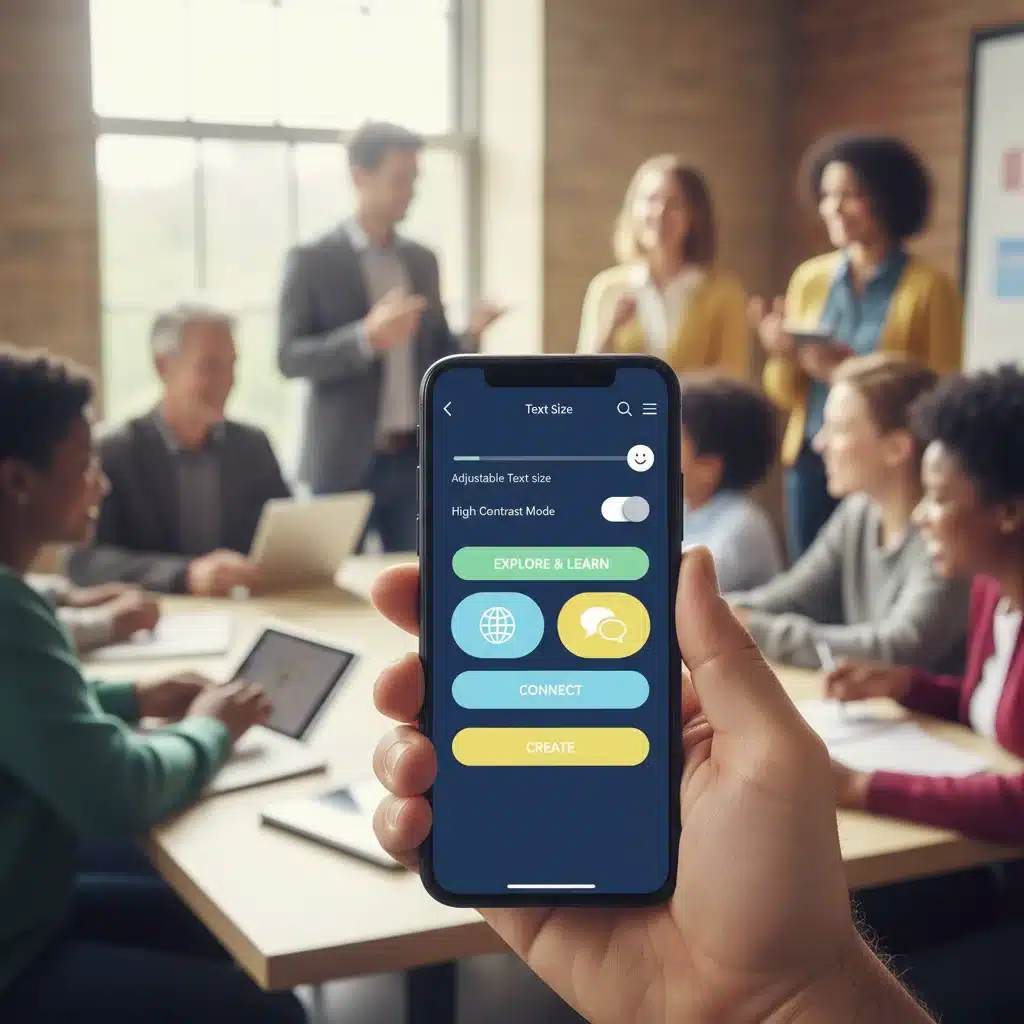
Bridging Digital Divides for individuals with disabilities requires a proactive approach to accessibility:
- Universal Design Principles: Encouraging and mandating the adoption of universal design principles in the creation of all digital products, services, and websites. This means designing from the outset to be usable by people with the widest possible range of abilities.
- Assistive Technologies: Promoting awareness and access to assistive technologies (screen readers, voice activation software, alternative input devices) and ensuring that digital platforms are compatible with them.
- Accessibility Audits and Compliance: Implementing regular accessibility audits for public and private digital services and enforcing compliance with international accessibility standards (e.g., WCAG).
- Inclusive Content Creation: Training content creators to produce accessible materials, including alt text for images, captions for videos, and well-structured documents.
Culturally Relevant Content and Multilingual Support
To ensure meaningful engagement, digital content must resonate with diverse communities:
- Local Content Development: Supporting initiatives that encourage the creation of locally relevant and culturally appropriate digital content, including local news, community forums, and educational resources in indigenous languages or dialects.
- Multilingual Platforms: Ensuring that essential government services, educational resources, and public information websites are available in multiple languages commonly spoken within a region.
- Community-Led Initiatives: Empowering communities to develop their own digital platforms and content that reflect their unique needs and cultural heritage.
Pillar 4: Policy and Governance for Digital Equity
Strong Government Policies and Regulation
Effective policy is crucial for creating an environment conducive to Bridging Digital Divides:
- National Digital Inclusion Strategies: Governments should develop and implement comprehensive national strategies with clear goals, timelines, and funding mechanisms for achieving digital equity.
- Regulatory Frameworks: Establishing regulatory frameworks that incentivize ISPs to expand into underserved areas, promote competition, and prevent predatory pricing.
- Data Privacy and Security Laws: Enacting robust data privacy and security laws to build trust in digital platforms, especially among vulnerable populations who may be more susceptible to online exploitation.
- Funding Allocation: Ensuring dedicated and sustained funding streams for digital inclusion initiatives, including infrastructure development, device distribution, and digital literacy programs.
Public-Private-Community Partnerships
Collaboration is key. In 2026, successful digital inclusion efforts will rely heavily on:
- Cross-Sector Collaboration: Fostering partnerships between government agencies, technology companies, non-profit organizations, educational institutions, and community groups. Each sector brings unique resources and expertise to the table.
- Shared Responsibility Models: Encouraging models where the financial burden and operational responsibilities of digital inclusion are shared among multiple stakeholders.
- Community Hubs: Investing in and supporting community centers, libraries, and schools as vital digital hubs, offering free internet access, public computers, and digital literacy training.
- Volunteer Networks: Mobilizing and training volunteers to provide one-on-one digital assistance and support within their communities.
Case Studies and Success Stories (Looking Towards 2026)
While the challenges are significant, many communities are already making strides in Bridging Digital Divides:
- "Project Connect" in Rural Appalachia: A hypothetical initiative where a consortium of local governments and a regional ISP, supported by federal grants, deployed a hybrid fiber-wireless network, bringing high-speed internet to thousands of previously unconnected homes. The project also included a subsidized device program and free digital literacy workshops offered at local schools.
- "Digital Navigators" in Urban Centers: Programs in several major cities that train community members to act as "digital navigators." These individuals provide personalized, one-on-one assistance to residents, helping them apply for internet subsidies, troubleshoot technical issues, and improve their digital skills.
- "Accessible Tech for Seniors" in Europe: A European Union-funded program that develops and distributes simplified tablet interfaces and voice-activated smart home devices specifically designed for older adults, coupled with in-home training sessions.
- Indigenous Language Digital Archives in Canada: Initiatives led by Indigenous communities to digitize and make accessible cultural resources, language lessons, and historical records online, often building their own community-controlled internet infrastructure.
These examples highlight the diverse approaches and the critical role of localized solutions in achieving digital equity.
The Role of Emerging Technologies in Bridging Divides
As technology continues to advance, new tools can either widen or narrow the digital divide. Proactive integration of emerging technologies can be a powerful force for good:
- Artificial Intelligence (AI) for Personalization: AI can be used to personalize digital learning experiences, adapting to individual skill levels and learning styles, making digital literacy more accessible and engaging.
- Virtual and Augmented Reality (VR/AR) for Immersive Learning: VR/AR can offer immersive training simulations for digital skills, particularly useful for those who learn best through hands-on experience, without the need for expensive physical equipment.
- Blockchain for Digital Identity and Trust: Blockchain technology could help create secure, verifiable digital identities, empowering individuals who lack traditional forms of identification to access online services and financial tools.
- Low-Cost, Energy-Efficient Devices: Continued innovation in producing affordable, durable, and energy-efficient digital devices can significantly reduce the cost barrier to entry.
However, it’s crucial that the development and deployment of these technologies are guided by principles of equity and inclusion, ensuring they don’t inadvertently create new forms of digital exclusion.
Measuring Progress and Sustaining Efforts
To truly succeed in Bridging Digital Divides, we must continuously monitor our progress and adapt our strategies:
- Key Performance Indicators (KPIs): Establishing clear KPIs to measure internet penetration rates, digital literacy levels, device ownership, and the adoption of online services across different demographic groups.
- Regular Data Collection and Analysis: Conducting regular surveys and data analysis to identify persistent gaps and emerging challenges. This data should be disaggregated by age, income, ethnicity, geographic location, and disability status.
- Feedback Mechanisms: Creating channels for community feedback to ensure that digital inclusion programs are meeting the actual needs of residents and are culturally sensitive.
- Long-Term Funding Commitments: Digital inclusion is not a one-time project; it requires sustained investment and commitment from all levels of government and the private sector.
- Adaptability and Innovation: The digital landscape is constantly changing. Strategies for bridging the divide must be flexible and adaptable, embracing new technologies and approaches as they emerge.
Conclusion: A Digitally Inclusive Future for 2026 and Beyond
Bridging Digital Divides is one of the most pressing social challenges of our time. As we navigate towards 2026, the solutions are clear: robust infrastructure, affordable access, comprehensive digital education, inclusive design, and supportive policies. By working together – governments, businesses, non-profits, and communities – we can dismantle the barriers that prevent full digital participation. The vision is a future where technology serves as a bridge, not a barrier, connecting every individual to opportunities for learning, work, health, and social engagement, fostering a truly equitable and inclusive digital society for all.