Restoring Trust: 5 Practical Steps for Rebuilding Social Cohesion by 2026

In an increasingly fragmented world, the concept of social cohesion has become more critical than ever. We’ve witnessed societies grappling with division, mistrust, and a palpable sense of disconnection. The year 2026 stands as a crucial horizon, a moment for introspection and proactive measures to mend the tears in our social fabric. This article delves into five practical steps for rebuilding social cohesion, offering a roadmap for communities, organizations, and individuals committed to fostering a more unified and resilient future. Our focus is on actionable strategies that can begin now and yield significant results in the coming years.
Understanding the Erosion of Social Cohesion
Before we can effectively talk about rebuilding social cohesion, it’s essential to understand what it is and why it has eroded. Social cohesion refers to the bonds or glue that bind people together in a society, characterized by shared values, a sense of belonging, and collective well-being. It’s about how well people cooperate, trust one another, and participate in community life. The erosion of this vital element can be attributed to a confluence of factors, including rapid technological advancements leading to digital isolation, economic disparities creating deep divides, political polarization fueling distrust, and the proliferation of misinformation undermining shared understanding.
The digital age, while connecting us globally, has paradoxically contributed to local disengagement. Online echo chambers reinforce existing biases, making it harder for individuals to encounter diverse perspectives. Economic inequalities have exacerbated feelings of injustice and resentment, further straining social bonds. When a significant portion of the population feels left behind or unfairly treated, the collective sense of shared destiny diminishes. Furthermore, the relentless pace of modern life often leaves little room for genuine human connection and civic participation, critical components of a cohesive society.
The consequences of diminished social cohesion are far-reaching. They manifest as increased crime rates, decreased civic engagement, heightened political instability, and a general decline in public trust in institutions and fellow citizens. Addressing these symptoms requires a systemic approach that goes beyond superficial fixes. It demands a commitment to understanding the root causes and implementing strategies that foster genuine connection and collective action. Our goal for 2026 is not just to patch up existing problems but to lay a strong foundation for sustainable social cohesion.
Step 1: Foster Empathetic Dialogue and Active Listening
One of the most fundamental steps in rebuilding social cohesion is to re-establish genuine communication. In an era where conversations often devolve into debates designed to win rather than understand, fostering empathetic dialogue and active listening is paramount. This means creating safe spaces where individuals from different backgrounds, with divergent views, can come together to share their stories, experiences, and perspectives without fear of judgment or retaliation. Such spaces can be physical community centers, facilitated online forums, or even structured neighborhood gatherings.
Empathetic dialogue is not about agreeing with someone’s viewpoint, but about acknowledging and respecting their humanity and the experiences that shaped their beliefs. Active listening, a crucial component of this, involves truly hearing what another person is saying, asking clarifying questions, and reflecting back their sentiments to ensure understanding. It requires setting aside one’s own agenda and biases, even temporarily, to fully absorb another’s narrative. This practice helps to break down stereotypes, build bridges of understanding, and reveal common ground that might otherwise remain hidden beneath layers of perceived differences.
Practical implementation of this step could involve community-led initiatives such as ‘human libraries,’ where people can ‘check out’ individuals from diverse backgrounds to hear their life stories; facilitated intergroup dialogues; or even simple neighborhood potlucks designed to encourage informal conversations. Training programs on empathetic communication strategies for community leaders, educators, and even law enforcement can also play a vital role in equipping individuals with the skills needed to facilitate these crucial interactions. By consciously practicing empathy and active listening, we begin to chip away at the walls of division and start the process of rebuilding social cohesion from the ground up.

Step 2: Invest in Local Community Infrastructure and Public Spaces
Physical spaces play a significant role in facilitating social interaction and fostering a sense of community. The decline of public spaces and underinvestment in local infrastructure have contributed to the isolation many individuals experience. Therefore, a critical step in rebuilding social cohesion involves revitalizing and creating accessible, inclusive public spaces where people can gather, interact, and engage in shared activities. This includes parks, community centers, libraries, public markets, and even well-maintained sidewalks and greenways.
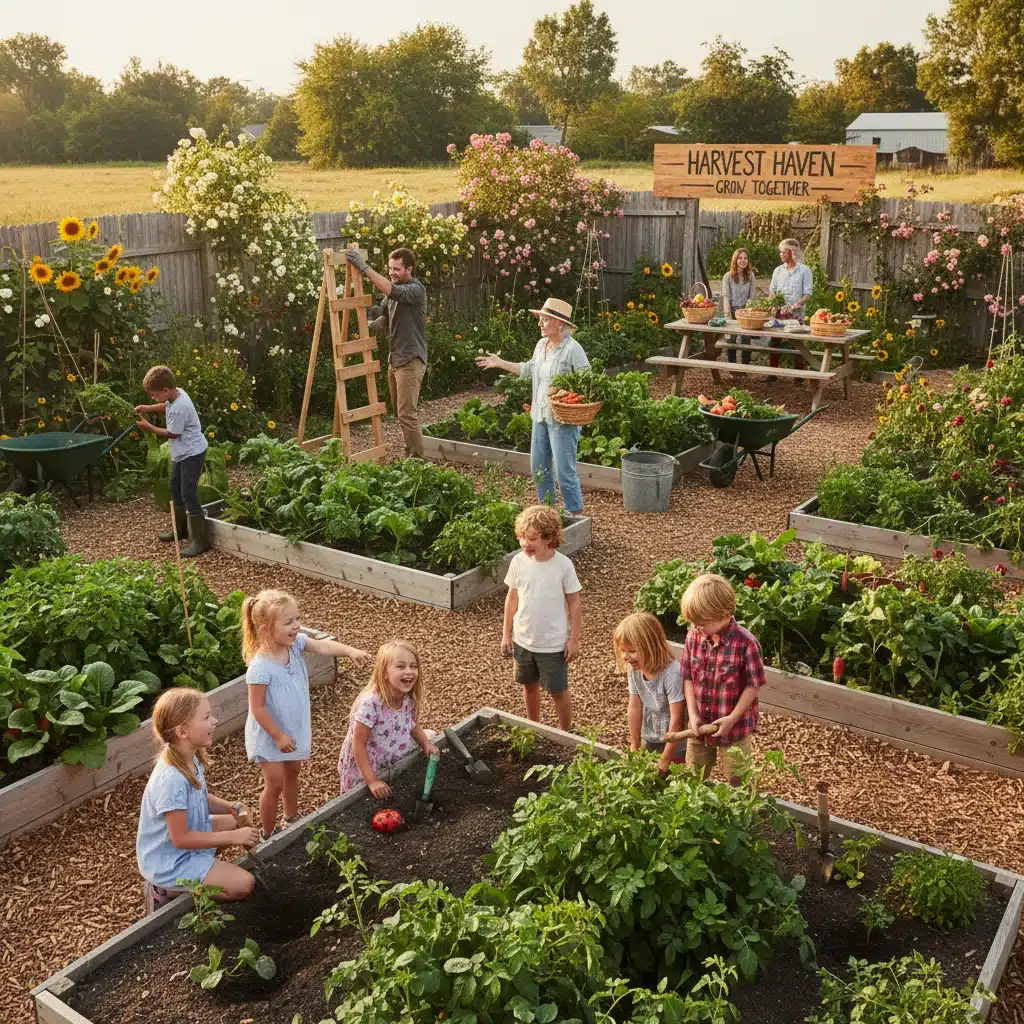
These spaces act as vital third places – neither home nor work – where casual encounters and spontaneous interactions can occur. When public spaces are safe, clean, and inviting, they encourage people to spend more time outside their homes, increasing the likelihood of bumping into neighbors, striking up conversations, and forming new connections. Investment in these areas goes beyond mere aesthetics; it’s about creating environments that actively promote social mixing and reduce barriers to interaction. For instance, a vibrant community garden can bring together people of all ages and backgrounds to work towards a common goal, fostering a sense of collective ownership and pride.
Moreover, robust local infrastructure, such as reliable public transportation, accessible internet, and well-maintained public services, ensures that all members of a community can participate fully in civic and social life. When people can easily access resources and move freely within their community, it strengthens their sense of belonging and reduces feelings of marginalization. Local governments, community organizations, and even private developers have a role to play in prioritizing these investments. By intentionally designing and maintaining spaces that encourage interaction, we create the physical scaffolding necessary for rebuilding social cohesion and strengthening community bonds. This revitalization of shared spaces is a tangible commitment to the well-being of all residents, signaling that their collective life is valued and supported.
Step 3: Promote Civic Engagement and Volunteerism
Active participation in community life is a cornerstone of strong social cohesion. When individuals feel they have a voice and can contribute to the betterment of their community, it fosters a sense of ownership, responsibility, and collective purpose. Promoting civic engagement and volunteerism is therefore a powerful step in rebuilding social cohesion. This involves creating accessible and meaningful opportunities for people to get involved in local decision-making processes, contribute to community projects, and support local causes.
Civic engagement can take many forms, from attending local council meetings and voting in elections to participating in neighborhood watch programs or joining a community advocacy group. The key is to make these avenues of participation welcoming and effective, ensuring that diverse voices are heard and valued. When people see that their input can make a tangible difference, they are more likely to stay engaged and invested in their community’s future. Education about civic responsibilities and opportunities, starting from a young age, is also crucial in cultivating a culture of active citizenship.
Volunteerism, on the other hand, provides direct opportunities for individuals to contribute their time and skills to support others and address local needs. Whether it’s through mentoring youth, assisting at a food bank, cleaning up a local park, or helping elderly neighbors, volunteering creates shared experiences and strengthens interpersonal bonds. It allows individuals to connect with others who share similar values and a desire to make a positive impact. These shared efforts not only address practical community needs but also build social capital – the networks of relationships among people who live and work in a particular society, enabling that society to function effectively. By actively encouraging and facilitating civic engagement and volunteerism, we empower individuals to become agents of positive change, thereby significantly contributing to rebuilding social cohesion and fostering a more connected and supportive society.
Step 4: Bridge Digital Divides and Combat Misinformation
In the 21st century, the digital landscape profoundly impacts social cohesion. The rapid spread of misinformation and disinformation, often amplified by algorithmic echo chambers, can sow distrust, polarize communities, and undermine shared realities. Simultaneously, the digital divide – the gap between those who have access to information technology and those who don’t – can further marginalize vulnerable populations. Addressing these issues is a critical step in rebuilding social cohesion.
Combating misinformation requires a multi-pronged approach. This includes investing in media literacy education for all age groups, teaching critical thinking skills to evaluate online content, and supporting independent journalism. Platforms themselves have a responsibility to implement measures that reduce the spread of harmful content and promote accurate information. Community initiatives can also play a role by hosting workshops on identifying fake news and fostering discussions around responsible online engagement. The goal is to cultivate an informed citizenry capable of discerning truth from falsehood, thereby reducing the susceptibility to narratives that create division.
Bridging the digital divide involves ensuring equitable access to affordable high-speed internet and necessary devices for all members of a community. This might entail public-private partnerships to expand broadband infrastructure, providing free or low-cost internet access in public spaces like libraries and community centers, and offering digital literacy training programs. When everyone has the tools and skills to navigate the digital world, it opens up opportunities for education, employment, civic participation, and social connection. It ensures that no one is left behind in an increasingly digital society, thus fostering inclusivity and strengthening the overall fabric of social cohesion. By consciously working to bridge these digital gaps and promote a more truthful online environment, we can mitigate a significant source of modern social fragmentation and facilitate the much-needed process of rebuilding social cohesion.
Step 5: Support Inclusive Economic Opportunities and Fair Practices
Economic inequality is a powerful driver of social division and a major impediment to rebuilding social cohesion. When significant portions of a population struggle with economic insecurity, feel exploited, or lack opportunities for advancement, it breeds resentment, reduces trust, and undermines the belief in a fair and just society. Therefore, a crucial step involves promoting inclusive economic opportunities and ensuring fair practices across all sectors.
This includes advocating for policies that ensure fair wages, provide access to affordable housing, and support small and local businesses. Investing in education and job training programs that equip individuals with skills for the modern workforce can create pathways to economic stability and upward mobility. Entrepreneurship support initiatives, particularly for underrepresented groups, can also foster economic independence and community revitalization. When individuals feel economically secure and see tangible opportunities for themselves and their families, their sense of belonging and investment in the broader community increases.
Beyond individual opportunities, it’s also about fostering an economic environment that prioritizes fairness and equity. This means addressing predatory lending practices, reducing systemic barriers to employment, and promoting ethical business conduct. Encouraging local procurement and supporting community-owned enterprises can keep wealth circulating within the community, creating a virtuous cycle of investment and growth. When economic systems are perceived as just and accessible to all, it significantly reduces social tensions and builds a stronger foundation for collective well-being. By focusing on inclusive economic development and fair practices, we directly address one of the most potent forces eroding trust and contribute substantially to the long-term goal of rebuilding social cohesion, ensuring that prosperity is shared and opportunities are abundant for everyone.
The Path Forward: Sustaining Rebuilding Social Cohesion Efforts
The journey of rebuilding social cohesion is not a one-time event but an ongoing commitment. The five steps outlined above – fostering empathetic dialogue, investing in community infrastructure, promoting civic engagement, bridging digital divides, and supporting inclusive economic opportunities – provide a comprehensive framework for action. However, the sustained success of these efforts hinges on several overarching principles and continuous dedication from all levels of society.
Firstly, leadership at local, regional, and national levels must champion these initiatives. Political will and consistent policy support are essential to create an enabling environment for social cohesion to flourish. Leaders can set the tone for inclusive discourse, allocate resources effectively, and model the behaviors they wish to see in their communities. Their commitment can inspire and mobilize citizens, transforming good intentions into tangible progress. Without strong leadership, even the most well-meaning efforts can falter.
Secondly, education plays a pivotal role. Integrating lessons on empathy, critical thinking, civic responsibility, and cultural understanding into educational curricula from an early age can cultivate a generation that is inherently more prepared to navigate diversity and build bridges. Lifelong learning opportunities for adults are equally important, ensuring that all community members have the chance to develop the skills necessary for constructive engagement and personal growth. Education is the bedrock upon which a truly cohesive society is built, fostering not just knowledge but also the values of respect and cooperation.
Thirdly, monitoring and evaluation are crucial. Regularly assessing the impact of implemented strategies and being willing to adapt based on feedback and results is vital. What works in one community might need adjustments in another. Data collection on social indicators, community sentiment, and participation rates can provide valuable insights into what is succeeding and where more effort is needed. This iterative process ensures that efforts remain relevant, effective, and responsive to the evolving needs of the community.
Finally, celebrating successes, no matter how small, is important. Acknowledging progress and highlighting positive examples of restored trust and collaboration can inspire further action and reinforce the belief that rebuilding social cohesion is indeed possible. These celebrations can be community events, local news features, or public recognition of individuals and groups making a difference. Positive reinforcement builds momentum and strengthens the collective resolve to continue the work.
Conclusion: A Collective Vision for 2026 and Beyond
The aspiration to achieve significant progress in rebuilding social cohesion by 2026 is ambitious but entirely achievable. It requires a concerted, collaborative effort from governments, non-profit organizations, businesses, educational institutions, and, most importantly, individual citizens. Each of the five practical steps discussed – fostering empathetic dialogue, investing in local infrastructure, promoting civic engagement, bridging digital divides, and supporting inclusive economic opportunities – represents a critical piece of the puzzle.
By consciously and consistently implementing these strategies, we can begin to reverse the trends of fragmentation and mistrust that have plagued many societies. Imagine communities where differences are discussed with respect, where public spaces thrive as hubs of connection, where every voice is heard in civic processes, where information empowers rather than divides, and where economic opportunities are genuinely accessible to all. This vision is not a utopian dream but a tangible outcome of deliberate action.
The benefits of a cohesive society are immense: greater resilience in the face of challenges, enhanced innovation, improved public health outcomes, and a stronger sense of collective well-being. As we look towards 2026, let us commit to being active participants in this vital process of rebuilding social cohesion. Let us engage in conversations, volunteer our time, support local initiatives, and champion policies that bring people together. The future of our communities, and indeed our world, depends on our collective ability to restore trust and weave a stronger, more vibrant social fabric for generations to come. The time for action is now, and the rewards will be felt for years to come.