The Rise of Micro-Communities: Redefining Social Belonging in 2026
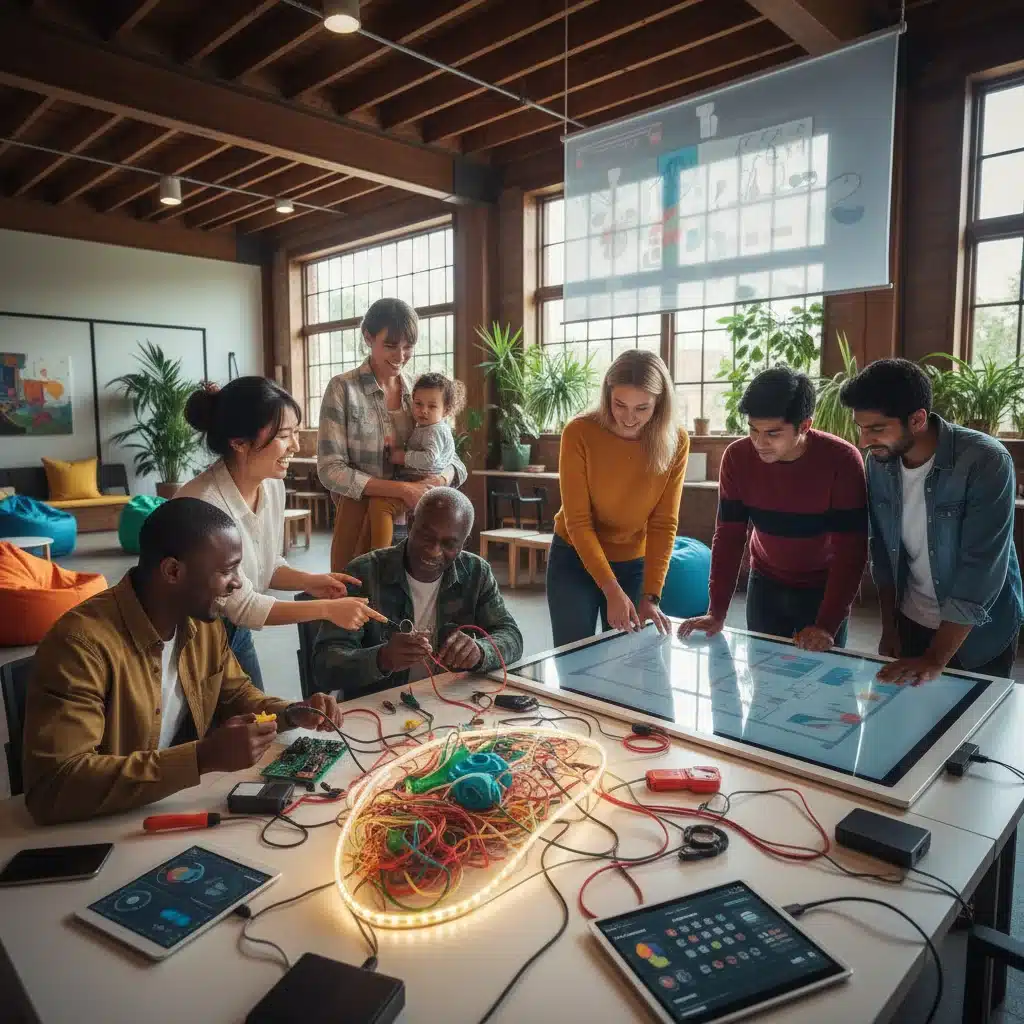
The Rise of Micro-Communities: Redefining Social Belonging in 2026
In an increasingly interconnected yet paradoxically isolating world, the quest for genuine social belonging has taken on new urgency. As we navigate the complexities of 2026, a powerful phenomenon is reshaping the social landscape across the U.S.: the rise of micro-communities. These smaller, more focused groups, often built around shared passions, identities, or values, are becoming crucial hubs for individuals seeking authentic connection and a true sense of belonging. This article will delve into the four key factors driving this transformative trend, exploring how micro-communities are not just a fleeting fad but a fundamental shift in how we connect and find our place in the world.
The traditional pillars of community – geographic proximity, religious institutions, or broad social clubs – have, for many, begun to erode. Urbanization, increased mobility, and the pervasive influence of digital communication have fragmented our social structures, leaving many feeling adrift in a sea of superficial connections. It is against this backdrop that micro-communities have flourished, offering a sanctuary where individuals can be truly seen, heard, and understood. Understanding the driving forces behind this shift is essential for anyone interested in the future of social interaction, from marketers and urban planners to educators and individuals simply seeking deeper connections.
What Exactly Are Micro-Communities?
Before we dive into the ‘why,’ let’s clarify ‘what.’ A micro-community is typically defined as a small, highly specialized group of individuals united by a specific, often niche, interest, identity, or purpose. Unlike broad social networks or large online forums, micro-communities prioritize depth over breadth, fostering strong interpersonal bonds and a shared sense of identity among their members. These communities can be entirely digital, purely physical, or, most commonly, a hybrid of both, leveraging technology to facilitate and deepen real-world connections. The key differentiator is the intensity of shared experience and the intimacy of interaction, leading to a profound sense of social belonging.
Think of a group of enthusiasts dedicated to vintage mechanical keyboards, a local collective focused on sustainable urban gardening, an online forum for rare disease sufferers, or a book club exclusively for sci-fi graphic novels. These are all examples of micro-communities. They thrive on shared passion, mutual support, and a collective identity that transcends superficial interactions. This focused approach allows for a level of engagement and understanding that larger, more generalized communities often struggle to provide.
Factor 1: The Search for Authentic Connection in a Digital Age
The first and perhaps most significant factor driving the rise of micro-communities is the pervasive human desire for authentic connection in an increasingly digital and often superficial world. While social media platforms promised to connect us all, they often delivered a diluted form of interaction, characterized by curated personas and fleeting engagement. Many individuals report feeling more isolated despite being ‘connected’ to thousands online.
The Paradox of Connectivity
The paradox of modern connectivity is that while we have more tools than ever to reach out, the quality of our interactions has often suffered. Endless scrolling through feeds, liking posts, and exchanging brief messages can leave a void that true human connection once filled. This has led to a widespread yearning for environments where interactions are meaningful, genuine, and reciprocal. Micro-communities offer precisely this antidote.
Within these smaller groups, the pressure to perform or maintain a perfect online image diminishes. Members often share vulnerabilities, celebrate niche triumphs, and offer support in ways that feel far more substantial than a public comment or a fleeting emoji reaction. This authenticity fosters trust and psychological safety, which are foundational to genuine social belonging.
Moving Beyond Superficiality
As individuals grow weary of the performative aspects of mainstream social media, they are actively seeking spaces where they can be their true selves, where their specific interests are not just tolerated but celebrated. Micro-communities provide these havens. Whether it’s a dedicated Discord server for indie game developers, a local knitting circle, or an online support group for new parents, these spaces allow for deep dives into shared interests and experiences, moving far beyond the superficial.
This pursuit of authenticity is not just a trend; it’s a fundamental human need reasserting itself in a digital landscape. The ability to connect with others who truly ‘get it’ is a powerful motivator, driving millions to seek out and cultivate these smaller, more intimate social ecosystems. The appeal lies in the quality of interaction, not just the quantity, leading to a more profound sense of personal fulfillment and collective identity.
Factor 2: Niche Interests and Hyper-Specialization
The second major driver behind the rise of micro-communities is the increasing hyper-specialization of interests and the ease with which individuals can now find others who share those specific passions. In a globalized, information-rich society, people’s hobbies, professional interests, and personal identities have become incredibly diverse and granular.
The Long Tail of Interests
The internet has enabled what’s often referred to as the ‘long tail’ phenomenon for interests. No matter how obscure or specific a hobby, a professional field, or a personal challenge might be, there’s a high probability that others around the world share it. Before the digital age, finding a handful of like-minded individuals for a niche interest might have been a lifelong pursuit. Today, a few clicks can open doors to thousands, if not millions, of potential connections.
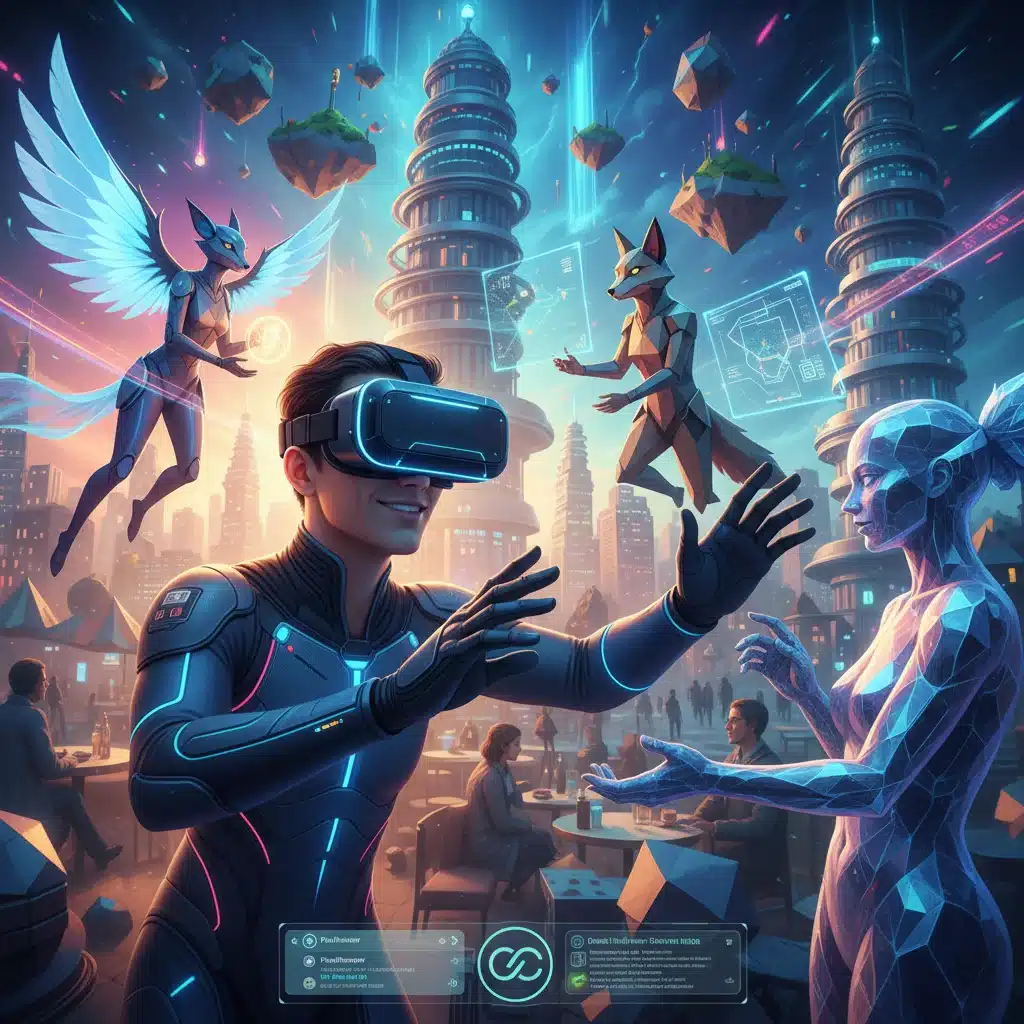
This unprecedented ability to connect with highly specific interests has naturally led to the formation of micro-communities. These groups cater to everything from rare coin collecting to competitive e-sports, from experimental cooking techniques to specific philosophical discussions. The very existence of these niche interests creates a demand for specialized spaces where they can be explored and celebrated without dilution.
Identity Formation and Affirmation
Beyond mere hobbies, micro-communities also play a crucial role in identity formation and affirmation. For many, particularly those with marginalized or less common identities, finding a micro-community offers a vital space for validation and support. These groups can provide a sense of belonging that might be absent in broader society, allowing individuals to explore and express aspects of their identity without judgment.
For example, a micro-community for neurodivergent artists provides a space where artistic expression is understood through a unique lens, fostering a sense of shared experience and mutual encouragement. Similarly, groups dedicated to specific cultural heritage, lifestyle choices, or health conditions offer invaluable resources and emotional support. This hyper-specialization allows for a deeper, more resonant form of social belonging, as members feel truly understood and accepted for who they are and what they care about.
Factor 3: The Post-Pandemic Re-evaluation of Connection
The COVID-19 pandemic, a seismic global event, undeniably accelerated many existing social trends and birthed new ones. Among the most significant was a profound re-evaluation of human connection and the nature of community. This societal introspection has been a critical catalyst for the widespread adoption and flourishing of micro-communities.
The Scarcity Mindset of Connection
During lockdowns and periods of intense social distancing, the scarcity of in-person interaction made people acutely aware of the value of genuine connection. While large-scale virtual events and general social media provided some solace, many found themselves craving more intimate, purposeful interactions. The pandemic highlighted the limitations of broad, impersonal connections and underscored the importance of reliable, close-knit networks.
As restrictions eased, there wasn’t a universal rush back to pre-pandemic social norms. Instead, many individuals emerged with a more discerning approach to their social lives, prioritizing quality over quantity. This led to a conscious effort to seek out groups where they could truly invest their time and energy, leading directly to the growth of micro-communities. People were no longer content with passive belonging; they actively sought environments where they could contribute and receive meaningful engagement.
Hybrid Models of Interaction
The pandemic also normalized and often necessitated hybrid models of interaction, seamlessly blending online and offline experiences. This shift has been particularly beneficial for micro-communities. A local book club, for instance, might now hold virtual meetings for members who are traveling or unwell, supplementing their in-person gatherings. An online gaming community might organize occasional real-world meetups. This flexibility makes micro-communities more accessible and resilient, allowing them to maintain strong bonds regardless of geographical barriers or unforeseen circumstances.
This adaptability is a key strength, allowing these groups to cater to modern lifestyles where people may have less free time for rigid commitments but still deeply desire social belonging. The ability to toggle between digital and physical spaces ensures that the community remains vibrant and inclusive, offering various avenues for engagement and reinforcing the sense of connection among its members.
Factor 4: Accessibility and Ease of Formation
The final, yet equally crucial, factor propelling the rise of micro-communities is the unprecedented ease with which they can be formed, discovered, and maintained. Technological advancements, coupled with evolving social platforms, have dramatically lowered the barriers to entry for community building.
Democratization of Community Building
In the past, forming a community often required significant resources: physical space, administrative overhead, and extensive networking. Today, anyone with an internet connection and a shared interest can initiate a micro-community. Platforms like Discord, Reddit, Facebook Groups, dedicated forums, and even specialized apps designed for niche communities provide the infrastructure needed to connect people globally.
These platforms offer robust tools for communication, content sharing, event organization, and moderation, empowering individuals to become community leaders without needing extensive technical skills or financial backing. This democratization of community building means that a passionate individual can quickly gather others who share their interests, fostering a new group that might otherwise never have formed.

Enhanced Discoverability
Beyond formation, the discoverability of micro-communities has also dramatically improved. Search engines, social media algorithms, and specialized directories make it easier than ever for individuals to find groups aligned with their specific interests. A simple search can yield dozens of potential communities, allowing individuals to ‘shop around’ for the perfect fit where they can experience genuine social belonging.
This ease of discovery reduces the friction traditionally associated with finding like-minded individuals, accelerating the growth and diversification of the micro-community landscape. It empowers individuals to take agency in their social lives, actively seeking out and joining groups that resonate deeply with their personal values and passions, rather than relying solely on chance encounters or geographical luck.
The Impact and Future of Micro-Communities
The implications of the rise of micro-communities are far-reaching, impacting everything from mental health and personal development to commerce and societal cohesion. For individuals, these communities offer vital support systems, opportunities for skill development, and a powerful antidote to loneliness. The sense of validation and shared purpose derived from belonging to a micro-community can significantly boost mental well-being and overall life satisfaction.
Economic and Social Implications
From an economic perspective, micro-communities are becoming powerful consumer groups. Brands are increasingly recognizing the value of engaging with these highly targeted, passionate audiences, leading to new marketing strategies and product development tailored to niche interests. The influencer landscape is also shifting, with micro-influencers within these communities often holding more sway than broad-reach celebrities, due to their authenticity and deep engagement with their specific audience.
Socially, micro-communities are fostering a more nuanced and resilient form of societal organization. While some fear fragmentation, others argue that these groups can act as building blocks for a more diverse and interconnected society. By allowing individuals to find their specific tribes, micro-communities can strengthen individual identities, which in turn can lead to more confident and engaged participation in broader civic life. They offer a counterbalance to the homogenizing forces of mass culture, preserving and celebrating diverse interests and perspectives.
Challenges and Considerations
However, the growth of micro-communities is not without its challenges. Issues such as moderation, the potential for echo chambers, and the risk of exclusion require careful consideration. Community leaders and platform providers must continually work to ensure these spaces remain inclusive, healthy, and constructive. The balance between maintaining niche focus and preventing insularity is a delicate one, demanding thoughtful design and active management.
Despite these challenges, the trajectory is clear: micro-communities are here to stay. They represent a fundamental evolution in how humans seek and find social belonging in the 21st century. As technology continues to advance and societal needs evolve, these intimate, interest-driven groups will only become more sophisticated and integral to our social fabric.
Conclusion: A New Era of Belonging
The rise of micro-communities in 2026 is a testament to humanity’s enduring need for connection, purpose, and belonging. Driven by a desire for authenticity, the proliferation of niche interests, the lessons learned from a global pandemic, and the unprecedented ease of formation, these small but mighty groups are redefining what it means to be part of a community.
They offer a powerful antidote to isolation, providing spaces where individuals can truly thrive, find support, and celebrate their unique identities. As we move further into the decade, understanding and nurturing these micro-communities will be crucial for fostering a more connected, resilient, and authentically engaged society. The future of social belonging is not in grand, sweeping gestures, but in the intimate, shared experiences found within these vibrant, specialized tribes.
Embracing the power of micro-communities means acknowledging that true connection often blossoms in smaller, more focused environments. It’s about recognizing that the strength of our social fabric isn’t just in its breadth, but in the depth and richness of its countless, diverse threads. For individuals, finding your micro-community can be a transformative journey, leading to deeper fulfillment and a more profound sense of place in the world.
Further Reading and Resources:
- The Power of Niche Communities in a Globalized World
- Building Authentic Connections Online and Offline
- The Psychology of Belonging: Why Humans Need Community
- Future Trends in Social Interaction and Digital Spaces