The Future of Volunteerism: 5 Insider Knowledge Strategies for Boosting Community Participation in 2026
The landscape of giving back is constantly evolving. As we hurtle towards 2026, organizations, communities, and individuals are grappling with new challenges and opportunities in the realm of service. The question isn’t just how to get people to volunteer, but how to truly engage them, foster a sense of belonging, and make their contributions genuinely impactful. This article delves into the critical area of future volunteerism strategies, offering five insider knowledge approaches designed to not only attract but also retain and empower a new generation of community participants.
The traditional models of volunteer recruitment are becoming increasingly outdated. Today’s potential volunteers, particularly younger demographics, seek flexibility, meaningful experiences, and a clear understanding of the impact of their efforts. They are tech-savvy, socially conscious, and often time-constrained. To succeed in boosting community participation by 2026, we must move beyond conventional thinking and embrace innovative, data-driven, and human-centric approaches. This involves understanding the motivations of modern volunteers, leveraging technological advancements, and creating inclusive environments where everyone feels valued and can contribute their unique skills.
This comprehensive guide will explore practical, forward-thinking strategies that can transform your approach to volunteer engagement. We’ll examine how to harness the power of digital platforms, personalize the volunteer experience, cultivate a culture of continuous learning, measure impact effectively, and build resilient volunteer networks. By implementing these insider knowledge strategies, organizations can ensure they are not just surviving but thriving in the dynamic future of volunteerism.
1. Hyper-Personalization of Volunteer Experiences: Beyond One-Size-Fits-All
In the past, volunteer recruitment often involved a broad appeal for help, with generic roles offered to anyone willing to lend a hand. While this approach has its merits, the future of volunteerism demands a more nuanced and personalized strategy. Hyper-personalization means tailoring volunteer opportunities to individual skills, interests, availability, and even personal development goals. This moves beyond simply matching a volunteer to a task; it’s about crafting an experience that resonates deeply with their personal values and aspirations.
To achieve this, organizations need to invest in robust data collection and analysis. This doesn’t mean intrusive surveillance, but rather intelligent profiling based on initial surveys, skill assessments, and ongoing feedback. Imagine a prospective volunteer expressing an interest in environmental conservation. Instead of offering a generic park clean-up, a hyper-personalized approach might identify their specific passion for marine life and connect them with a coastal clean-up initiative, a citizen science project monitoring ocean health, or even an educational program teaching children about marine ecosystems. The key is to understand what truly motivates them and then curate opportunities that align perfectly with those drivers.
Furthermore, hyper-personalization extends to the communication and recognition aspects of volunteerism. Generic newsletters might be replaced with personalized updates on the specific projects a volunteer is involved in, showcasing the direct impact of their work. Recognition should also be tailored; some volunteers might appreciate public acknowledgment, while others prefer private gratitude or opportunities for skill development. By treating each volunteer as a unique individual with distinct needs and desires, organizations can significantly enhance engagement and retention, making them feel truly valued and an integral part of the mission. This is a cornerstone of effective future volunteerism strategies.
The benefits of hyper-personalization are manifold. When volunteers feel that their skills are being utilized effectively and that their contributions are making a tangible difference in an area they care about, their commitment and satisfaction levels skyrocket. This leads to higher retention rates, increased word-of-mouth recruitment, and a more dedicated and skilled volunteer base. It also allows organizations to tap into a wider array of specialized skills that might otherwise go unnoticed. For instance, a graphic designer might be thrilled to offer their expertise for creating promotional materials, an accountant might volunteer for financial oversight, or a retired teacher might find immense joy in mentoring. By moving away from generic roles, organizations can unlock a wealth of untapped potential within their community.
Implementing hyper-personalization requires a shift in mindset and investment in tools. CRM (Customer Relationship Management) systems adapted for volunteer management can be invaluable in tracking preferences, skills, and engagement history. Regular check-ins, feedback loops, and personalized communication are also crucial. This approach transforms volunteering from a mere obligation into a fulfilling and enriching personal journey, a vital component for boosting community participation in the coming years.
2. Leveraging Micro-Volunteering and Skill-Based Opportunities
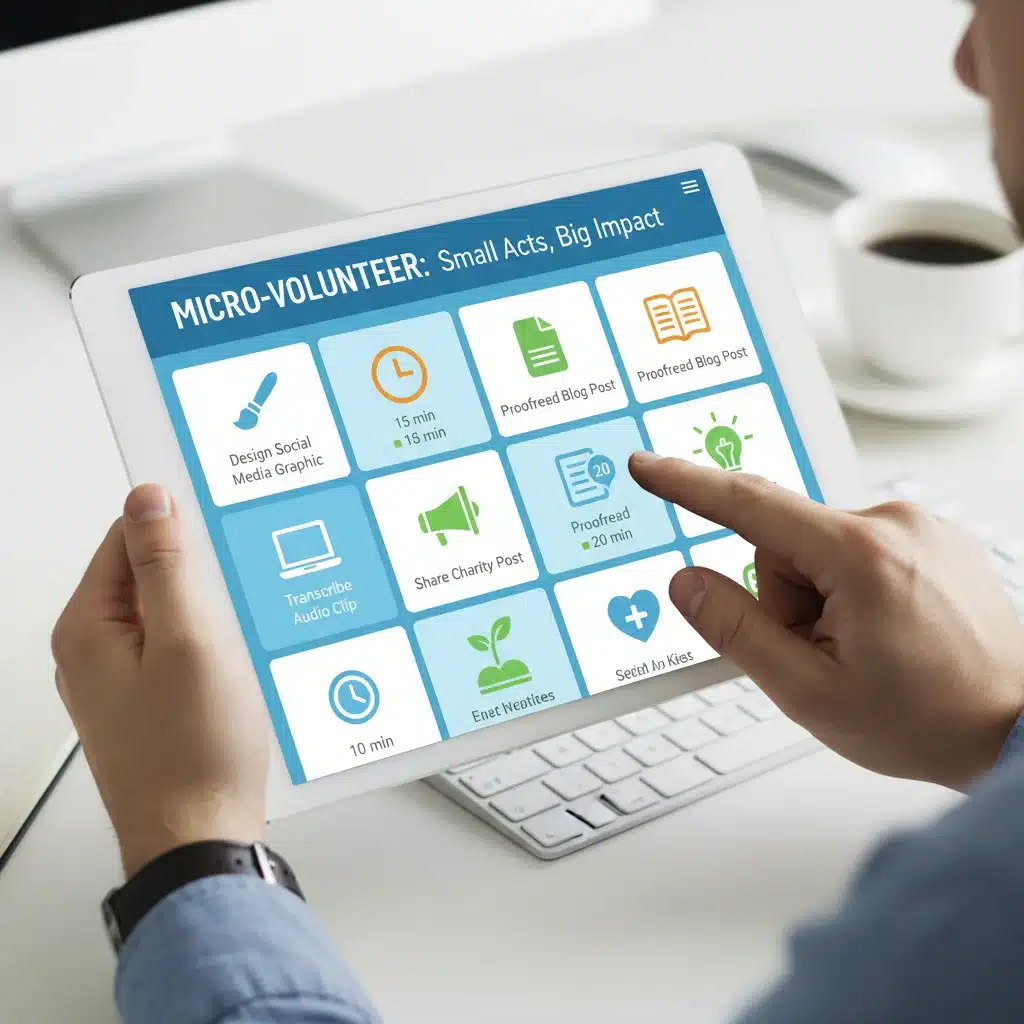
The modern world is characterized by increasingly busy schedules and a demand for flexibility. Traditional long-term, fixed-schedule volunteering can be a barrier for many potential participants. This is where micro-volunteering and skill-based opportunities emerge as powerful future volunteerism strategies. Micro-volunteering refers to small, bite-sized tasks that can be completed in short bursts of time, often remotely, and without a long-term commitment. Skill-based volunteering, on the other hand, involves leveraging a volunteer’s professional expertise to address an organization’s specific needs, offering a more impactful and fulfilling experience for both parties.
Micro-volunteering can range from tagging photos for a conservation project, transcribing historical documents, translating short texts, or participating in online surveys to help with research. These tasks are ideal for individuals who have limited time but still want to contribute. The beauty of micro-volunteering lies in its accessibility. It lowers the barrier to entry, allowing people to contribute from anywhere, at any time, using their smartphones or computers. This broadens the pool of potential volunteers significantly, reaching individuals who might otherwise be unable to participate due to geographical constraints, work commitments, or family responsibilities.
Skill-based volunteering, or ‘pro bono’ work, offers a different but equally valuable avenue for engagement. Non-profits often struggle with limited budgets for professional services like marketing, legal advice, IT support, or strategic planning. By connecting with professionals willing to donate their expertise, organizations can gain access to high-quality services that would otherwise be unaffordable. For the volunteer, it’s an opportunity to use their professional skills for a good cause, gain new experiences, expand their network, and feel a profound sense of purpose. This type of volunteering is often highly impactful, as it addresses critical organizational needs directly.
Developing platforms that facilitate both micro-volunteering and skill-based matching will be crucial for boosting community participation. These platforms should be user-friendly, clearly outline the tasks, specify the required skills and time commitment, and demonstrate the tangible impact of each contribution. Organizations can partner with corporations to offer skill-based volunteering opportunities to their employees, fostering corporate social responsibility and providing a structured framework for engagement. The rise of digital tools and online collaboration platforms makes these forms of volunteering more feasible than ever before. By embracing these flexible and impactful models, organizations can tap into a vast, often overlooked, segment of the population eager to contribute their time and talents, shaping the future of volunteerism.
Moreover, the psychological benefits of micro-volunteering and skill-based contributions should not be underestimated. For micro-volunteers, the ease of participation and immediate sense of accomplishment can be highly motivating, encouraging repeat engagement. For skill-based volunteers, the opportunity to apply their professional expertise to solve real-world problems can be incredibly rewarding, leading to a deeper sense of fulfillment and connection to the cause. These approaches cater to the evolving needs and expectations of modern volunteers, making them indispensable components of effective future volunteerism strategies.
3. Cultivating Community and Belonging Through Digital and Hybrid Models
While technology offers incredible efficiencies for volunteer management, the human element – the sense of community and belonging – remains paramount. The future of volunteerism will increasingly embrace digital and hybrid models that use technology not just for task management, but for fostering genuine connections among volunteers and with the organization’s mission. Simply assigning tasks digitally isn’t enough; organizations must proactively create virtual spaces and hybrid events that cultivate a strong sense of community.
This means moving beyond basic email communications to utilizing dedicated online platforms, social media groups, and video conferencing tools for regular check-ins, informal gatherings, and peer-to-peer support. Consider virtual coffee breaks for remote volunteers, online workshops for skill development, or digital recognition ceremonies. These initiatives help bridge geographical distances and create a shared identity, even if volunteers rarely meet in person. For hybrid models, organizations can integrate virtual participants into physical events, using live streaming, interactive polls, and dedicated online facilitators to ensure everyone feels included.
The goal is to replicate the camaraderie and support found in traditional volunteering environments within a digital context. Mentorship programs, both virtual and in-person, can be instrumental in integrating new volunteers and helping them feel connected. Creating opportunities for volunteers to collaborate on projects, share their experiences, and celebrate successes collectively strengthens their bond to the cause and to each other. This sense of community is a powerful motivator for continued engagement and a key driver for boosting community participation.
Furthermore, organizations should actively solicit feedback from their volunteers through these digital channels, creating an open dialogue where suggestions are heard and acted upon. When volunteers feel their voices are valued, their sense of ownership and commitment deepens. Building a strong volunteer community also creates a self-sustaining ecosystem where experienced volunteers can mentor newcomers, share best practices, and inspire others. This organic growth and peer support are invaluable for the long-term health of any volunteer program. By intentionally designing digital and hybrid interactions that prioritize human connection, organizations can ensure that their future volunteerism strategies are not only efficient but also deeply enriching for all involved.
The challenge lies in striking the right balance between digital convenience and authentic human connection. While virtual tools are excellent for communication and coordination, occasional in-person meetups or hybrid events that allow for both physical and virtual presence can significantly strengthen bonds. These gatherings can be celebratory, educational, or problem-solving focused, providing diverse opportunities for interaction. The more opportunities volunteers have to connect with each other and with the mission, the stronger their sense of belonging will be, leading to higher retention and more passionate advocacy for the cause.
4. Data-Driven Impact Measurement and Transparent Reporting
In an increasingly data-conscious world, volunteers, donors, and stakeholders want to see tangible evidence of impact. Generic statements about ‘making a difference’ are no longer sufficient. Effective future volunteerism strategies must incorporate robust systems for data-driven impact measurement and transparent reporting. This not only validates the efforts of volunteers but also provides valuable insights for optimizing programs and attracting future participants.
Organizations should define clear, measurable objectives for their volunteer programs from the outset. What specific outcomes are you hoping to achieve through volunteer efforts? Is it a certain number of meals served, trees planted, individuals mentored, or hours dedicated to a cause? Once objectives are established, systems need to be in place to track progress against these metrics. This could involve digital logging of volunteer hours, surveys to assess beneficiary satisfaction, or quantitative data collection related to the project’s goals.
The data collected should then be analyzed to understand the true impact of volunteer contributions. This analysis can reveal strengths, identify areas for improvement, and demonstrate the return on investment of volunteer time and effort. Beyond internal analysis, transparent reporting is crucial. Regularly sharing impact reports with volunteers, donors, and the wider community not only acknowledges their contributions but also builds trust and demonstrates accountability. These reports can take various forms: annual impact statements, quarterly newsletters highlighting key achievements, or even personalized reports sent to individual volunteers detailing their specific contributions.
For example, if volunteers are involved in an educational program, impact measurement might include pre and post-program assessments of student learning, attendance rates, or feedback from teachers and parents. If volunteers are involved in environmental conservation, metrics could include the amount of waste collected, the number of native species planted, or improvements in local biodiversity. By clearly articulating the impact, organizations can powerfully communicate the value of volunteering, motivating existing participants and inspiring new ones. This data-driven approach elevates volunteerism from a feel-good activity to a strategic component of social change, essential for boosting community participation by 2026.
Moreover, transparent reporting fosters a culture of continuous improvement. When organizations openly share their successes and challenges, it invites constructive feedback and collective problem-solving. Volunteers who see that their feedback is genuinely used to refine programs are more likely to remain engaged and feel a sense of ownership. This iterative process, driven by data and transparency, is a hallmark of truly effective future volunteerism strategies.
5. Integrating Technology for Accessibility and Immersive Experiences
Technology is not just an enabler; it’s a transformative force that will redefine accessibility and the very nature of volunteer experiences. For future volunteerism strategies to succeed, organizations must proactively integrate cutting-edge technologies to lower barriers to participation and create more engaging, even immersive, opportunities. This goes beyond simple online sign-ups; it involves leveraging AI, virtual reality (VR), augmented reality (AR), and blockchain to enhance every aspect of the volunteer journey.
AI-powered tools can personalize volunteer matching with greater precision, analyzing skills and interests to suggest the most suitable roles. Chatbots can provide instant support and answer common volunteer queries, freeing up staff time. For accessibility, AI can facilitate real-time translation for diverse volunteer groups or provide assistive technologies for volunteers with disabilities, ensuring that everyone can contribute regardless of their physical or linguistic barriers. This inclusive approach is vital for boosting community participation.
Virtual Reality (VR) and Augmented Reality (AR) hold immense potential for creating immersive volunteering experiences. Imagine a volunteer unable to travel to a remote conservation site, but who can participate in a virtual clean-up of a digital replica of the area, learning about the ecosystem and making decisions that impact the virtual environment. Or consider AR applications that guide volunteers through complex tasks, overlaying instructions onto real-world objects, making training more intuitive and engaging. These technologies can also be used for virtual tours of project sites, giving potential volunteers a deeper understanding of the mission before they commit.
Blockchain technology, while still emerging in this space, could offer unprecedented transparency and trust. It could be used to securely track volunteer hours, verify impact data, and even issue digital credentials for skills acquired through volunteering. This immutable record could provide volunteers with a verifiable portfolio of their contributions, enhancing their professional development and making their service more tangible.
The integration of these technologies makes volunteering more accessible, engaging, and impactful. It allows organizations to reach a global pool of talent, offer flexible participation options, and provide richer, more meaningful experiences. By embracing these technological advancements, organizations can overcome traditional limitations and redefine what it means to volunteer, ensuring that the future of volunteerism is inclusive, dynamic, and truly transformative. The key is to view technology not as a replacement for human connection, but as a powerful tool to amplify and enhance it, creating innovative pathways for engagement that were previously unimaginable.

The Evolving Volunteer Landscape: What to Expect by 2026
As we look ahead to 2026, the volunteer landscape will be characterized by several key shifts. Firstly, the demand for flexibility will continue to grow. Traditional 9-to-5 volunteering roles will become less common, replaced by a greater emphasis on micro-volunteering, remote opportunities, and project-based commitments that fit into diverse lifestyles. Organizations that fail to adapt to this need for flexibility will struggle to attract and retain volunteers.
Secondly, the focus on impact will intensify. Volunteers will increasingly seek opportunities where they can clearly see the results of their efforts and understand how their contributions align with larger organizational goals. This necessitates robust impact measurement and transparent reporting, as discussed in the previous section. Organizations that can effectively communicate their impact will be more attractive to prospective volunteers and more successful in securing funding.
Thirdly, technology will play an even more central role. From AI-powered matching platforms to VR/AR immersive experiences, technology will not only streamline volunteer management but also create entirely new avenues for participation. Digital literacy among volunteers and staff will become increasingly important, and organizations will need to invest in training and infrastructure to leverage these tools effectively.
Fourthly, diversity, equity, and inclusion (DEI) will move from being aspirational goals to fundamental operational principles. Organizations will need to actively dismantle barriers to participation, ensuring that their volunteer programs are accessible and welcoming to people from all backgrounds, abilities, and identities. This includes offering multilingual support, providing accommodations for disabilities, and fostering an inclusive culture where every voice is heard and valued.
Finally, the concept of ‘community’ in volunteerism will expand beyond geographical boundaries. Digital platforms will enable global collaboration, allowing individuals to contribute to causes far from their physical location. This global interconnectedness will foster a richer exchange of ideas and resources, but also necessitate new approaches to cross-cultural communication and coordination. Understanding these shifts is crucial for developing effective future volunteerism strategies.
Building Resilient Volunteer Networks: A Long-Term Vision
Beyond individual strategies, the overarching goal for 2026 and beyond should be to build resilient volunteer networks. These networks are not just a collection of individuals; they are dynamic, interconnected ecosystems that can adapt to challenges, foster innovation, and sustain impact over the long term. A resilient volunteer network is characterized by strong leadership, effective communication, continuous learning opportunities, and a deep sense of shared purpose.
To build such networks, organizations must invest in leadership development for volunteers, empowering them to take on greater responsibilities and mentor others. Creating clear pathways for growth and advancement within the volunteer structure can significantly boost retention and commitment. Furthermore, fostering a culture of feedback and open communication ensures that volunteers feel heard and valued, leading to greater loyalty and engagement. Regular training sessions, workshops, and opportunities for skill-sharing also contribute to a stronger, more capable volunteer base.
The ability to adapt to unforeseen circumstances, such as pandemics or natural disasters, is another hallmark of resilient networks. This means having flexible operational models, cross-trained volunteers, and robust digital infrastructure that can pivot quickly to remote or hybrid modes of operation. Organizations that proactively plan for such contingencies will be better positioned to maintain their services and support their communities, even in times of crisis.
Ultimately, building resilient volunteer networks is about cultivating a community that is deeply invested in the mission, capable of self-organization, and passionate about creating positive change. This long-term vision for future volunteerism strategies moves beyond simply recruiting hands to cultivating hearts and minds, ensuring that the spirit of service continues to thrive and evolve for generations to come. By prioritizing community, flexibility, impact, and technological integration, organizations can lay the groundwork for a truly transformative future of volunteerism, boosting community participation to unprecedented levels.
Conclusion: Charting a Course for Engaged Communities
The future of volunteerism is not a passive outcome but an active creation. By embracing hyper-personalization, leveraging micro and skill-based opportunities, cultivating digital and hybrid communities, implementing data-driven impact measurement, and integrating cutting-edge technology, organizations can chart a course toward significantly boosted community participation by 2026. These five insider knowledge strategies are not isolated tactics but interconnected components of a holistic approach to volunteer engagement.
The shift demands flexibility, empathy, and a willingness to innovate. It requires organizations to view volunteers not just as free labor, but as invaluable partners, collaborators, and advocates for their mission. By investing in their growth, recognizing their unique contributions, and creating environments where they feel truly empowered, we can unlock the immense potential of collective action. The challenges of tomorrow will require more collaborative solutions than ever before, and a vibrant, engaged volunteer force will be at the heart of those solutions.
As we move forward, let us remember that the core essence of volunteerism – the human desire to help, to connect, and to make a difference – remains constant. Our task is to adapt our methods to meet the evolving needs and expectations of those who wish to serve. By doing so, we can ensure that the spirit of generosity and community participation continues to flourish, creating a more compassionate and resilient world for everyone. These forward-looking future volunteerism strategies are not just about organizational efficiency; they are about fostering a deeper, more meaningful connection between individuals and the causes that matter most.