Micro-Community Engagement: Spring 2026 Opportunities

Adapting to the Micro-Community Trend: Time-Sensitive Opportunities for Local Engagement by Spring 2026
The landscape of human connection and commerce is undergoing a profound transformation. In an increasingly globalized and digital world, a paradoxical yet powerful trend is emerging: the rise of micro-communities. These are not merely small groups; they are intensely focused, highly engaged subsets of a larger population, united by shared interests, values, or geographical proximity. For local businesses, organizations, and even individuals seeking to make a meaningful impact, understanding and effectively engaging with these micro-communities by Spring 2026 is not just an advantage – it’s a critical imperative.
This article delves into the burgeoning world of micro-communities, exploring why they are becoming so influential and, more importantly, how you can strategically adapt your approaches to foster genuine local engagement. We will examine the time-sensitive nature of these opportunities, providing actionable insights and a roadmap for success in this evolving social ecosystem. The clock is ticking, and those who proactively embrace these shifts will be the ones who thrive.
Understanding the Micro-Community Phenomenon: More Than Just Niche Groups
To truly grasp the significance of micro-communities, we must first distinguish them from traditional niche markets. While both involve specialized interests, micro-communities are characterized by a deeper level of interaction, mutual support, and a collective identity. They are often self-organizing, driven by shared passions, and possess a strong sense of belonging among their members. Think of a local book club that not only discusses literature but also organizes charity drives, or a neighborhood gardening group that exchanges tips, seeds, and supports local food banks.
The Driving Forces Behind Micro-Community Growth
Several factors are fueling the rapid expansion and influence of micro-communities:
- Digital Connectivity: Social media platforms, online forums, and messaging apps have made it easier than ever for like-minded individuals to find each other, irrespective of geographical barriers. This digital infrastructure facilitates the formation and sustenance of micro-communities, even those with a strong local component.
- Desire for Authenticity: In an era of mass marketing and impersonal interactions, people crave authentic connections. Micro-communities offer a sanctuary where individuals can be themselves, share vulnerabilities, and receive genuine support. This desire for authenticity translates into higher engagement and loyalty.
- Fragmented Attention Spans: The sheer volume of information and content available today means that generalist approaches struggle to capture attention. Micro-communities, by focusing on specific interests, cut through the noise, providing relevant and valuable content directly to an already invested audience.
- Post-Pandemic Re-evaluation: The recent global challenges led many to re-evaluate their priorities, placing a greater emphasis on local connections, community support, and shared experiences. This has accelerated the gravitation towards smaller, more intimate groups.
- Empowerment and Influence: Members of micro-communities often feel a greater sense of empowerment. Their collective voice, though small in number, can be incredibly influential within their specific domain, impacting purchasing decisions, local policies, and social trends. For businesses, this means that successful micro-community engagement strategies can lead to powerful word-of-mouth marketing and advocacy.
By Spring 2026, these forces will only intensify, making the ability to identify, understand, and engage with micro-communities a cornerstone of effective local engagement. Neglecting this trend could mean missing out on significant opportunities for growth and connection within your local area.
Why Spring 2026 is a Critical Window for Micro-Community Engagement
The phrase "time-sensitive opportunities" is not hyperbole in this context. The rapid evolution of digital tools, coupled with changing consumer behaviors, means that the window for establishing a strong foothold within emerging micro-communities is now. By Spring 2026, many of these communities will have matured, their norms established, and their preferred partners identified. Early movers stand to gain immensely.
The First-Mover Advantage in Micro-Community Building
Being among the first to genuinely engage a micro-community offers several distinct advantages:
- Trust and Authenticity: Early engagement allows you to build trust from the ground up, positioning yourself as a genuine supporter and contributor rather than an opportunistic marketer. This authenticity is highly valued within these groups.
- Shaping Narratives: You have the opportunity to co-create narratives and shape the direction of the community, aligning your brand or mission with its core values from the outset.
- Deep Relationships: Investing early fosters deeper, more resilient relationships with key community members and influencers, who can become powerful advocates for your cause or business.
- Reduced Competition: As the trend matures, competition for attention within micro-communities will inevitably increase. Engaging now allows you to secure a prominent and respected position before the field becomes crowded.
- Learning and Adaptation: Early engagement provides invaluable insights into the specific needs, preferences, and communication styles of different micro-communities, allowing for continuous refinement of your micro-community engagement strategies.
Therefore, treating Spring 2026 as a deadline for initiating or significantly enhancing your micro-community engagement strategies is crucial. This period represents a sweet spot where the trend is well-established enough to demonstrate its value, yet still fluid enough for new entrants to make a significant impact.
Strategic Approaches for Effective Micro-Community Engagement
Engaging with micro-communities requires a nuanced and respectful approach. It’s less about traditional marketing and more about genuine participation and value creation. Here are key strategies to implement:
1. Identify and Understand Your Target Micro-Communities
The first step in effective micro-community engagement strategies is identification. This involves more than just demographic segmentation:
- Interest-Based Groups: Look for online forums, Facebook groups, Reddit subreddits, or local meetups centered around specific hobbies, passions, or professions relevant to your offerings.
- Geographic-Specific Groups: Neighborhood associations, local business alliances, school parent groups, or community sports leagues are prime examples of geographically defined micro-communities.
- Shared Values/Identity Groups: Communities formed around sustainability, social justice, specific cultural backgrounds, or lifestyle choices (e.g., veganism, minimalism) can be incredibly powerful.
- Listen and Observe: Before engaging, spend time observing the dynamics, language, pain points, and aspirations of the community. What are their unspoken rules? Who are the key influencers? What kind of content resonates most? This passive observation is a critical component of successful micro-community engagement.
2. Provide Genuine Value, Don’t Just Promote
Micro-communities are highly sensitive to overt self-promotion. Your primary goal should be to contribute value:
- Share Expertise: Offer helpful advice, insights, or resources related to the community’s interests, without expecting anything in return.
- Solve Problems: Identify common challenges within the community and offer solutions, whether through your products/services or simply by sharing knowledge.
- Facilitate Connections: Help members connect with each other, organize events, or share relevant information that benefits the collective.
- Sponsor or Support: Consider sponsoring a community event, providing resources for a local initiative, or offering discounts specifically for community members. This demonstrates tangible support for their activities.
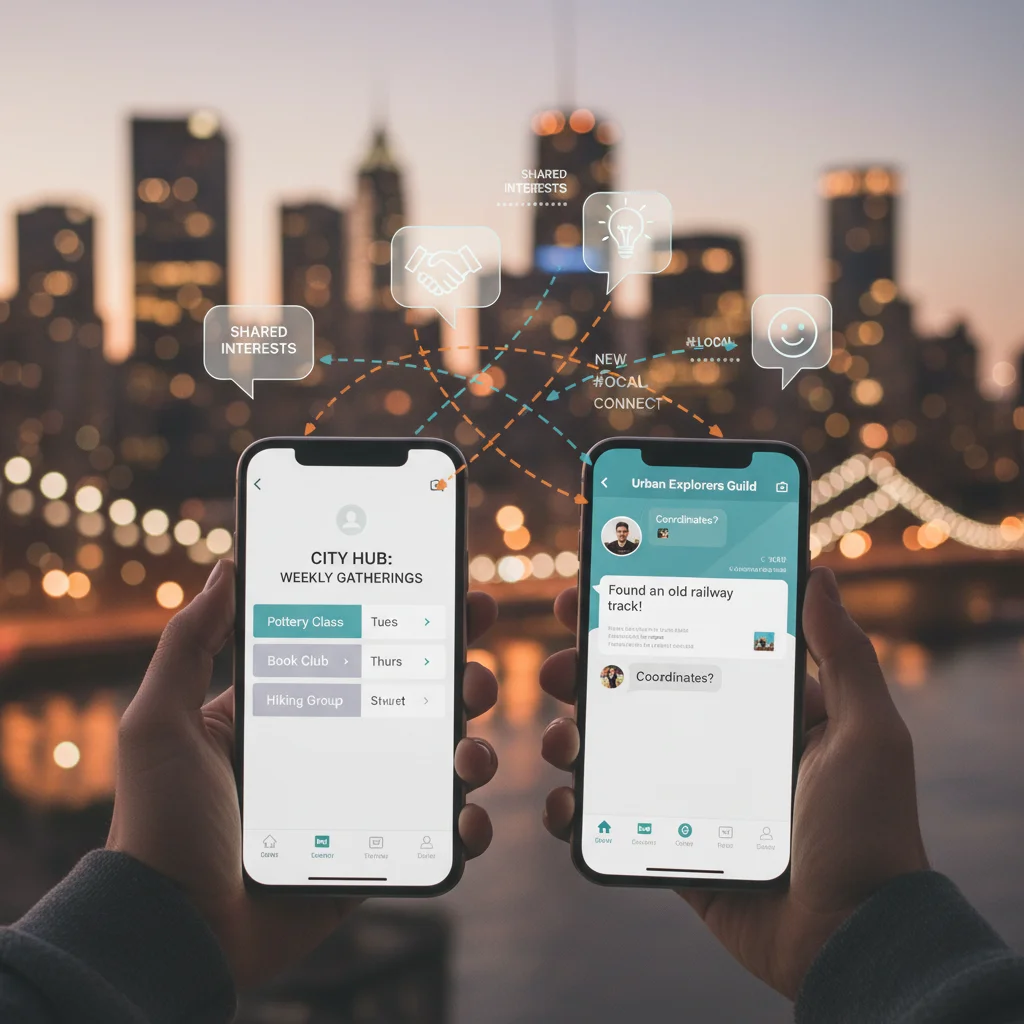
3. Foster Two-Way Communication and Dialogue
Engagement is a two-way street. Don’t just broadcast; listen and respond:
- Participate Actively: Join discussions, ask thoughtful questions, and respond to comments. Be a human, not just a brand.
- Solicit Feedback: Actively seek input from the community on your ideas, products, or services. This not only provides valuable insights but also makes members feel heard and valued.
- Co-creation: Involve community members in the development of new initiatives, products, or events. This builds a sense of ownership and deepens loyalty. For example, a local cafe might ask a neighborhood micro-community to vote on new menu items or design a special blend.
4. Leverage Digital Tools for Local Engagement
While often focused on local interactions, digital platforms are indispensable for micro-community engagement:
- Dedicated Online Spaces: Create or support dedicated online groups (e.g., Facebook Groups, Discord servers, Slack channels) where community members can connect and interact.
- Local SEO Optimization: Ensure your online presence is optimized for local searches, making it easier for local micro-communities to discover your offerings.
- Targeted Digital Advertising: Use geo-targeting and interest-based targeting in your digital ad campaigns to reach relevant micro-communities with highly specific messages.
- Email Newsletters: Develop segmented email lists for different micro-communities, providing them with tailored content and exclusive offers.
- Virtual Events: Host online workshops, Q&A sessions, or virtual meetups that cater to the specific interests of a micro-community, bridging geographical gaps within a local context.
The effective use of these digital tools can significantly amplify your micro-community engagement efforts, allowing you to reach and connect with more individuals in a personalized manner.
Case Studies: Micro-Community Engagement in Action
To illustrate the power of effective micro-community engagement, let’s consider a few hypothetical (yet highly probable) scenarios:
The "Sustainable Living" Micro-Community
A local zero-waste store identified a thriving online and offline micro-community of individuals passionate about sustainable living. Instead of just advertising products, the store began:
- Hosting free workshops on composting, DIY cleaning products, and upcycling.
- Partnering with community members to organize local clean-up drives.
- Creating a dedicated online forum for sharing sustainable tips and local resources.
- Offering a "community discount" for members who brought their own containers.
Result: The store became a trusted hub for the sustainable living micro-community, leading to increased foot traffic, brand loyalty, and positive word-of-mouth far beyond traditional marketing reach. Their micro-community engagement strategies cultivated a loyal customer base.
The "Local Runners" Micro-Community
A local running shoe store noticed a surge in local running groups forming on social media. They decided to engage by:
- Sponsoring local amateur running events and providing free hydration stations.
- Organizing weekly "community runs" from their store, led by staff.
- Offering free gait analysis clinics specifically for members of local running clubs.
- Creating a "runners’ lounge" in their store with resources and a bulletin board for local race announcements.
Result: The store cemented its position as the go-to resource for local runners, gaining credibility and driving sales through deep community integration. This micro-community engagement was highly targeted and effective.
These examples underscore that successful micro-community engagement is about becoming an integral, valuable part of the community, not just a vendor.
Measuring Success in Micro-Community Engagement
Unlike traditional marketing metrics, measuring the ROI of micro-community engagement requires a broader perspective. While sales and website traffic are important, other indicators of success include:
- Engagement Rates: Higher likes, shares, comments, and participation in community discussions.
- Brand Sentiment: Positive mentions, reviews, and advocacy within the community.
- Community Growth: Increase in membership, active participation, and self-sustaining activities within the micro-community.
- Referral Traffic: Website visits or new customers directly attributed to micro-community recommendations.
- Collaborative Projects: The initiation and success of joint ventures or events with community members.
- Customer Loyalty and Retention: A measurable increase in repeat business and long-term customer relationships stemming from community ties.
By Spring 2026, organizations with robust micro-community engagement will be able to demonstrate not only financial gains but also stronger brand reputation and deeper community roots, which are invaluable assets.

Challenges and Pitfalls to Avoid
While the opportunities are significant, micro-community engagement is not without its challenges:
- Inauthenticity: Trying to "game" a community or engaging purely for transactional purposes will be quickly detected and can severely damage your reputation. Authenticity is paramount.
- Over-Promotion: Constantly pushing your products or services without contributing value will lead to disengagement and alienation.
- Lack of Resources: Genuine engagement takes time, effort, and sometimes financial resources. Underestimating this commitment can lead to superficial or short-lived initiatives.
- Ignoring Community Norms: Each micro-community has its own culture and rules. Failing to respect these can lead to misunderstandings or rejection.
- Privacy Concerns: Be mindful of data privacy and how you use information gathered from community interactions. Transparency is key.
- Burnout: Managing multiple micro-community engagements can be demanding. It’s important to set realistic expectations and allocate resources effectively to avoid burnout.
Addressing these challenges proactively is essential for sustainable and effective micro-community engagement strategies.
The Future of Local Engagement: Beyond Spring 2026
The micro-community trend is not a fleeting fad; it represents a fundamental shift in how people connect and how businesses interact with their audiences. By Spring 2026, those who have successfully integrated micro-community engagement into their core strategies will be well-positioned for future growth and resilience. The future of local engagement will be defined by:
- Hyper-Personalization: Moving beyond broad demographics to address the specific needs and desires of highly defined groups.
- Collaborative Ecosystems: Businesses and organizations becoming active, contributing members of local social ecosystems, rather than just external entities.
- Community-Driven Innovation: Harnessing the collective intelligence and creativity of micro-communities to drive innovation and solve local problems.
- Ethical Engagement: A continued emphasis on transparency, respect, and genuine value creation in all interactions.
- Hybrid Models: A seamless blend of online and offline micro-community engagement, leveraging the strengths of both digital connectivity and physical presence.
The ability to foster these deep, meaningful connections will be a significant differentiator, allowing businesses and organizations to build robust, loyal followings that are less susceptible to market fluctuations and more resilient in the face of change. This is the essence of effective micro-community engagement.
Conclusion: Embrace the Micro-Community Revolution Now
The rise of micro-communities offers an unparalleled opportunity for local businesses and organizations to forge deeper, more authentic connections with their audiences. By understanding the dynamics of these groups, providing genuine value, fostering two-way communication, and leveraging appropriate digital tools, you can establish a powerful presence within these influential networks.
The time-sensitive nature of this trend, with Spring 2026 marking a crucial inflection point, demands immediate and strategic action. Those who proactively adapt their micro-community engagement strategies will not only gain a significant competitive advantage but will also contribute to building stronger, more vibrant local ecosystems. Don’t wait for the trend to fully mature; become a vital part of it today and reap the long-term rewards of genuine local engagement.