Enhance Digital Privacy: 5 Steps for 2026 Regulations

Optimizing Your Digital Footprint: A 5-Step Practical Solution to Enhance Online Privacy in 2026, Reflecting New Regulations
In an increasingly interconnected world, the concept of digital privacy is more critical than ever. As we approach 2026, new regulations are emerging, reshaping how personal data is collected, processed, and stored. For individuals and organizations alike, understanding and adapting to these changes is not just a matter of compliance, but a fundamental aspect of maintaining trust and security in the digital realm. This comprehensive guide outlines a 5-step practical solution to enhance your online privacy, ensuring you are well-prepared for the evolving landscape of digital privacy 2026 and beyond.
The digital footprint we leave behind is a vast collection of data points – from our browsing history and social media interactions to online purchases and location data. This footprint, while often convenient, can also expose us to various risks, including identity theft, targeted advertising, and even discrimination. The advent of new regulations aims to empower individuals with greater control over their data, imposing stricter requirements on companies that handle personal information. Navigating this complex environment requires a proactive and informed approach. This article will delve into actionable strategies, offering a clear roadmap to bolster your digital privacy in the face of these new challenges and opportunities.
Our journey into enhancing digital privacy 2026 begins with a foundational understanding of what these new regulations entail. While specific details may vary across jurisdictions, the overarching goal is typically consistent: to strengthen data protection, increase transparency, and provide individuals with more rights regarding their personal data. Think of it as a global effort to recalibrate the balance between innovation and individual privacy rights. Ignoring these shifts is not an option; embracing them is essential for long-term digital well-being. Let’s explore the five crucial steps to build a more secure and private online presence.
Step 1: Conduct a Thorough Digital Footprint Audit
The first and arguably most crucial step in enhancing your digital privacy is to understand the extent of your current digital footprint. Many of us unknowingly share vast amounts of personal information across numerous platforms and services. A comprehensive audit involves systematically identifying where your data resides, who has access to it, and how it is being used. This process can be eye-opening and is foundational for any effective privacy strategy, particularly in the context of digital privacy 2026 requirements.
Identify Your Data Sources
Start by listing all online accounts you possess: social media profiles (Facebook, Instagram, Twitter, LinkedIn, TikTok), email services (Gmail, Outlook, Yahoo), e-commerce sites (Amazon, eBay, Etsy), financial institutions, health portals, cloud storage services (Google Drive, Dropbox, OneDrive), and any other websites or applications where you have provided personal information. Don’t forget older, dormant accounts that might still hold your data.
Review Privacy Policies and Terms of Service
While often lengthy and complex, taking the time to review the privacy policies and terms of service for your most frequently used platforms is essential. Pay close attention to sections detailing data collection, usage, sharing with third parties, and data retention periods. This will give you a clearer picture of what you’ve implicitly agreed to. New regulations in 2026 are likely to mandate clearer, more accessible privacy policies, making this step easier but no less important.
Search for Yourself Online
Use search engines like Google, Bing, and DuckDuckGo to search for your name, email address, phone number, and any common usernames you use. This can reveal publicly accessible information, old forum posts, or mentions in articles that you might have forgotten about. Data brokers often compile and sell personal information, and a self-search can sometimes uncover these listings. Understanding your public exposure is key to managing your digital privacy effectively.
Utilize Data Privacy Tools
Several tools and services are designed to help you discover where your data might be. Identity theft protection services often include features that scan the web for your personal information. Furthermore, browser extensions can help visualize the trackers present on websites you visit, providing insights into how your data is being collected for advertising and analytics purposes. This proactive approach is vital for staying ahead of the curve as digital privacy 2026 frameworks come into full effect.
By conducting this thorough audit, you gain a clear picture of your current digital footprint, empowering you to make informed decisions about how to proceed with the subsequent steps in enhancing your digital privacy. This initial analysis is the bedrock upon which a robust privacy strategy is built, preparing you for the stringent demands of the future digital landscape.
Step 2: Reclaim and Restrict Your Data
Once you have a comprehensive understanding of your digital footprint, the next critical step is to actively reclaim control over your data and restrict its unwarranted access and usage. This involves a combination of deleting unnecessary data, adjusting privacy settings, and leveraging the rights granted by new regulations to enhance your digital privacy.
Delete Unnecessary Accounts and Data
For any accounts you no longer use or need, take the time to formally delete them. Simply abandoning an account doesn’t always remove your data. Look for options like ‘close account’ or ‘delete account’ within the platform’s settings. Be aware that some services may retain data for a certain period even after deletion, but initiating the process is crucial. Similarly, review cloud storage, old emails, and local files, deleting anything sensitive or no longer required. This decluttering significantly reduces your attack surface and improves your overall digital privacy posture.
Adjust Privacy Settings on All Platforms
This is where the rubber meets the road. Go through every active online account – social media, email, e-commerce, apps – and meticulously review and adjust your privacy settings. Opt for the strictest privacy settings available. For social media, this might mean limiting who can see your posts, photos, and personal information. For apps, it involves reviewing permissions and revoking access to your location, microphone, camera, or contacts if not essential for the app’s functionality. Many platforms now offer a ‘privacy checkup’ or ‘privacy guide’ feature, which can simplify this process. As digital privacy 2026 regulations become more prevalent, platforms are expected to make these settings even more transparent and user-friendly.

Leverage ‘Do Not Sell My Personal Information’ Rights
Many emerging privacy regulations, including those anticipated in 2026, are granting individuals the right to opt out of the sale of their personal information. Actively seek out and utilize these options on websites and services. Look for links typically found in website footers or within privacy dashboards. While it might not stop all data sharing, it significantly limits how your data can be monetized by third parties, bolstering your digital privacy.
Utilize Strong, Unique Passwords and Multi-Factor Authentication (MFA)
While not strictly about data deletion, strong authentication is a cornerstone of data restriction. Ensure you use unique, complex passwords for every account, preferably generated and stored using a reputable password manager. Enable Multi-Factor Authentication (MFA) wherever possible. This adds an extra layer of security, making it significantly harder for unauthorized individuals to access your accounts even if they somehow obtain your password. This is a fundamental safeguard for your digital privacy.
By meticulously reclaiming and restricting your data, you are actively asserting control over your personal information. This proactive stance is essential for navigating the complex privacy landscape and ensuring your compliance with and benefit from the new regulations governing digital privacy 2026.
Step 3: Embrace Privacy-Enhancing Technologies and Practices
Beyond simply managing existing data, a robust digital privacy strategy involves adopting tools and habits that proactively protect your information. This step focuses on integrating privacy-enhancing technologies (PETs) and adopting best practices that minimize your data exposure, aligning with the heightened expectations of digital privacy 2026 standards.
Use Privacy-Focused Browsers and Search Engines
Mainstream browsers like Chrome and Edge, while popular, often collect significant amounts of user data for targeted advertising and analytics. Consider switching to privacy-focused browsers such as Brave, Firefox (with enhanced tracking protection), or Tor. Similarly, replace data-hungry search engines like Google with alternatives like DuckDuckGo or Startpage, which do not track your searches or personal information. These simple changes can drastically reduce your online surveillance, improving your digital privacy.
Implement VPNs (Virtual Private Networks)
A VPN encrypts your internet connection and masks your IP address, making it much harder for internet service providers (ISPs), governments, and potential snoopers to track your online activities. When choosing a VPN, opt for reputable providers with a strict no-logs policy. Using a VPN is particularly important when connecting to public Wi-Fi networks, which are often insecure. This layer of encryption is a powerful tool for safeguarding your digital privacy, especially in an era of increased data scrutiny.
Employ Ad Blockers and Anti-Tracking Extensions
Browser extensions like uBlock Origin, Privacy Badger, and Ghostery can block intrusive ads and prevent third-party trackers from collecting your browsing data. These tools not only enhance your privacy but also improve browsing speed and reduce exposure to malicious ads. By limiting tracking, you reduce the amount of data collected about your online behavior, a key component of strengthening your digital privacy.
Be Mindful of Information Sharing
Cultivate a habit of critical thinking before sharing any personal information online. Ask yourself: Is this necessary? What are the potential consequences? This applies to everything from social media posts to online forms. The less information you volunteer, the less there is to expose. Exercise caution with quizzes, surveys, and apps that request extensive personal data. This conscious approach to information sharing is fundamental to maintaining good digital privacy hygiene.
Secure Your Devices
Your devices – smartphones, tablets, computers – are gateways to your digital life. Ensure they are protected with strong passwords or biometrics, kept updated with the latest security patches, and encrypted if possible. This prevents unauthorized access to the data stored locally on your devices, which could otherwise compromise your overall digital privacy. Regular software updates often include crucial security fixes that address newly discovered vulnerabilities.
By actively adopting these privacy-enhancing technologies and practices, you build a more robust defense against data exploitation. These tools and habits are not just about compliance with digital privacy 2026; they are about fostering a safer and more secure online experience for yourself.
Step 4: Stay Informed and Adapt to New Regulations
The landscape of digital privacy is not static; it’s a dynamic environment constantly shaped by technological advancements and evolving legal frameworks. For 2026, new regulations are on the horizon, and staying informed about these changes is paramount to maintaining an effective privacy strategy. This step emphasizes continuous learning and adaptability.
Monitor Regulatory Developments
Keep an eye on news and updates from relevant data protection authorities and privacy organizations. Depending on your location and the services you use, this might include the GDPR (General Data Protection Regulation) in Europe, CCPA (California Consumer Privacy Act) in the US, or other regional and national privacy laws. Subscribing to newsletters from privacy advocacy groups or legal tech blogs can provide valuable insights into upcoming changes and how they might impact your digital privacy.
Understand Your Rights as a Data Subject
New regulations typically expand the rights of individuals regarding their data. These often include the right to access your data, the right to rectification (correct inaccurate data), the right to erasure (be forgotten), the right to restrict processing, the right to data portability, and the right to object to certain types of processing. Familiarize yourself with these rights and understand how to exercise them. Knowing your rights empowers you to demand greater control over your personal information, a cornerstone of effective digital privacy 2026 compliance.
Review and Update Your Privacy Strategy Regularly
Your digital privacy strategy shouldn’t be a one-time setup. As new regulations emerge, and as your own online activities change, it’s crucial to revisit and update your approach. Schedule regular reviews – perhaps annually or semi-annually – to ensure your settings are still optimal, your accounts are secure, and you’re leveraging the latest privacy tools. This iterative process ensures your privacy strategy remains effective and relevant.
Educate Others (If Applicable)
If you manage a business, lead a team, or are simply a knowledgeable individual, consider sharing your understanding of digital privacy 2026 with others. For organizations, this means comprehensive employee training on data handling best practices and compliance. For individuals, it might involve helping family and friends secure their own digital lives. Collective awareness strengthens overall privacy standards.
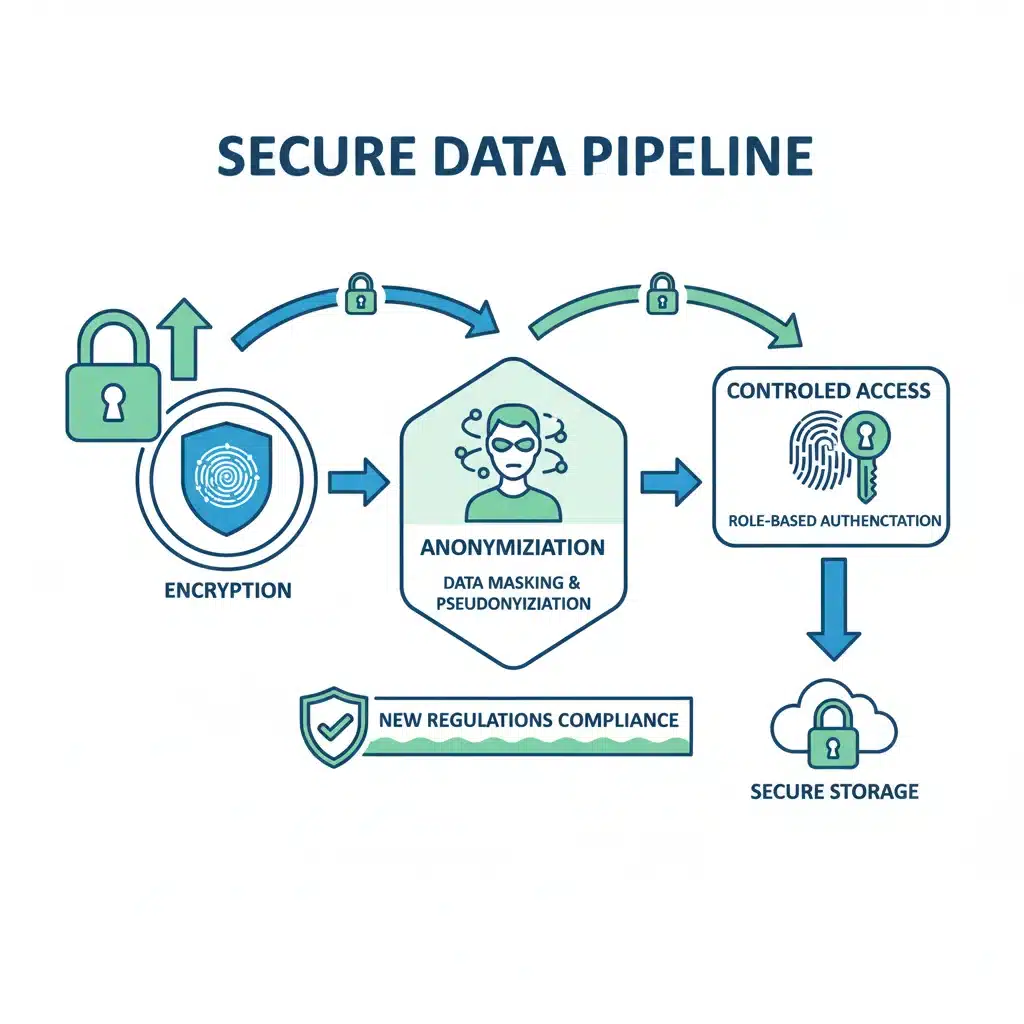
Staying informed and adaptable is not just about avoiding penalties; it’s about proactively safeguarding your digital well-being. The evolving nature of digital privacy 2026 demands a commitment to continuous learning and adjustment, ensuring that your privacy practices remain robust and effective in the face of change.
Step 5: Practice Data Minimization and Anonymization
The final step in our 5-step practical solution for enhancing digital privacy centers on two powerful principles: data minimization and anonymization. These strategies are about reducing the sheer volume of personal data that exists about you and, where possible, making that data unidentifiable. This approach is increasingly vital in the context of digital privacy 2026, where the emphasis on data protection is stronger than ever.
Data Minimization: Only Share What’s Absolutely Necessary
The core idea behind data minimization is simple: collect and retain only the data that is essential for a specific purpose. For individuals, this translates to:
- Think Before You Share: Before filling out an online form, signing up for a service, or posting on social media, consider if the information requested is truly necessary. Do you really need to provide your exact birthdate or phone number for a newsletter subscription?
- Provide Pseudonymous Information: Where possible and appropriate, use pseudonymous information. This could involve using a secondary email address for marketing subscriptions or creating usernames that don’t directly link back to your real identity.
- Review App Permissions: Regularly check and adjust the permissions granted to mobile apps. Does a flashlight app really need access to your camera, contacts, and location? Grant only the bare minimum permissions required for an app to function.
- Limit Public Profiles: On social media and other public platforms, restrict the amount of personal information visible to the public. The less information available, the harder it is for malicious actors to piece together a profile of you.
By consciously practicing data minimization, you reduce the potential surface for data breaches and unauthorized access, significantly bolstering your digital privacy.
Anonymization: Making Data Unidentifiable
Anonymization techniques aim to remove or obscure personally identifiable information (PII) from data sets, making it impossible to link the data back to an individual. While full anonymization can be challenging, particularly for individuals managing their own data, there are several practical applications:
- Use Burner Email Addresses: For one-off sign-ups or services you don’t intend to use long-term, consider using a ‘burner’ or disposable email address. Services like Temp Mail or ProtonMail (with alias features) can help with this.
- Mask Your IP Address: As discussed in Step 3, using a VPN effectively anonymizes your IP address, making your online activities harder to trace back to your physical location.
- Opt for Cash Payments: In physical transactions, paying with cash is the ultimate form of anonymization, leaving no digital trail linking the purchase to you. While not always practical, it’s a powerful privacy tool when feasible.
- Be Wary of Biometric Data: While convenient, biometric data (fingerprints, facial recognition) is unique and immutable. Understand how and where this data is stored and used on your devices and platforms.
For organizations, digital privacy 2026 regulations will likely place even greater emphasis on robust anonymization and pseudonymization techniques when handling customer data. As an individual, adopting these principles creates a powerful shield for your personal information.
By diligently practicing data minimization and exploring anonymization techniques, you are taking proactive measures to control the narrative of your digital life. These strategies, combined with the previous four steps, form a comprehensive and resilient framework for enhancing your digital privacy in the complex and evolving digital landscape of 2026 and beyond.
Conclusion: A Proactive Approach to Digital Privacy in 2026
The digital world is a double-edged sword, offering unparalleled connectivity and convenience alongside ever-present privacy risks. As we look towards 2026 and the implementation of new, more stringent data protection regulations, a proactive and informed approach to digital privacy is not merely advisable but absolutely essential. The 5-step practical solution outlined in this guide provides a robust framework for individuals and organizations to navigate this evolving landscape effectively.
From conducting a thorough audit of your digital footprint to reclaiming and restricting your data, embracing privacy-enhancing technologies, staying informed about regulatory changes, and practicing data minimization and anonymization – each step builds upon the last, culminating in a comprehensive strategy for safeguarding your online presence. The journey to enhanced digital privacy 2026 is continuous, requiring vigilance, adaptability, and a commitment to personal data sovereignty.
Remember, your digital footprint is a reflection of your online life. By actively managing and protecting it, you not only comply with new regulations but also empower yourself with greater control, security, and peace of mind in an increasingly digital world. The future of privacy is in our hands; let’s shape it responsibly.