Micro-Communities 2026: Trends Shaping US Social Interactions
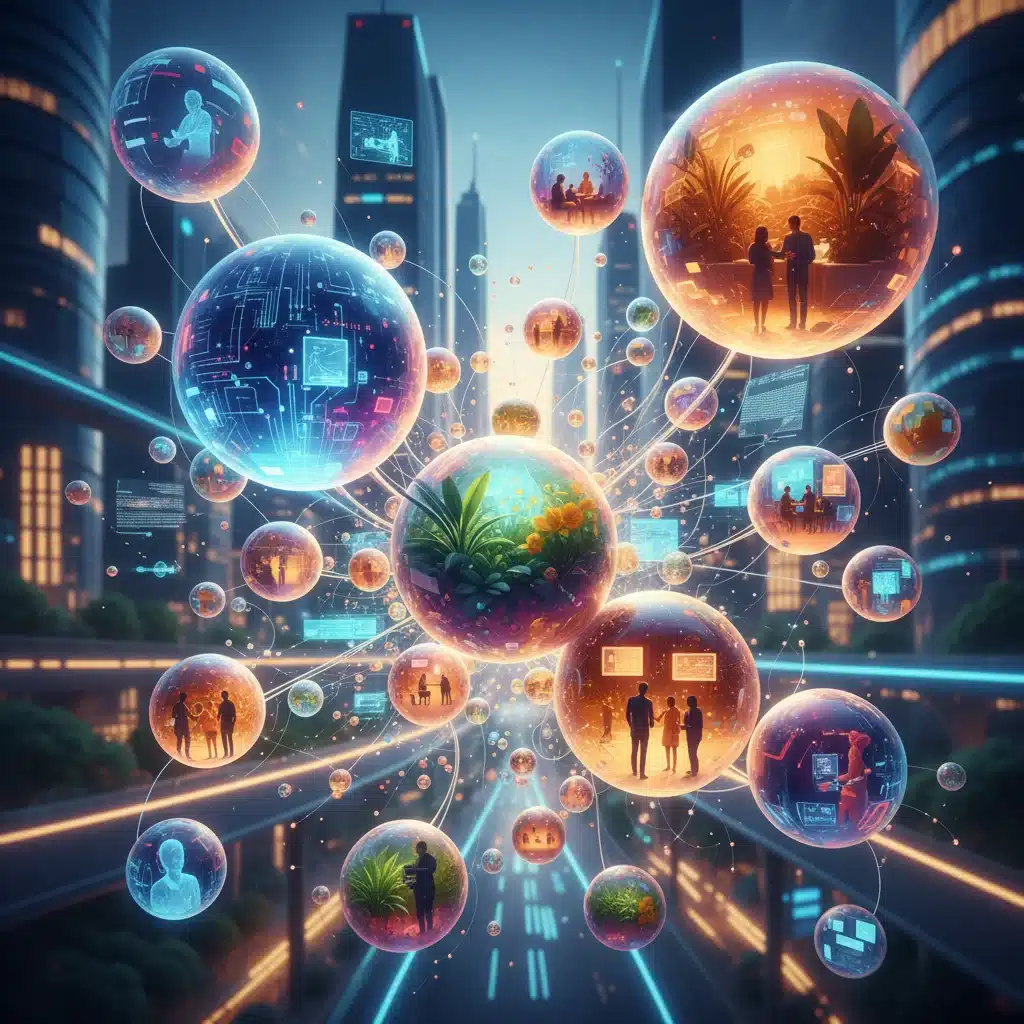
The fabric of American society is in constant flux, and how individuals connect and interact is perhaps one of the most dynamic aspects of this evolution. As we peer into 2026, a compelling shift is undeniable: the rise of micro-communities. These smaller, more focused groups are redefining belonging, support, and shared identity in an increasingly complex world. Gone are the days when broad, generalized social circles were the primary mode of interaction. Instead, people are gravitating towards highly specific, deeply resonant groups that cater to their unique interests, values, and needs. This article delves into the four pivotal trends shaping American social interactions through the lens of micro-communities in 2026, offering a comprehensive look at what’s driving this phenomenon and its profound implications.
Understanding these micro-communities 2026 trends is crucial for anyone interested in sociology, marketing, community building, or simply comprehending the future of human connection. From the digital realms of online forums and specialized social media groups to the resurgence of hyper-local gatherings and interest-based collectives, the drive for authentic, niche connections is paramount. This exploration will not only identify these trends but also analyze their underlying causes and potential long-term effects on the American social landscape.
What Exactly Are Micro-Communities?
Before diving into the trends, let’s establish a clear definition of what we mean by micro-communities. Unlike traditional broad communities based on geography or large-scale demographics, micro-communities are characterized by their smaller size, shared specific interests, values, goals, or identities. They are often highly engaged, fostering deeper, more meaningful connections among members. Think of them as specialized ecosystems where individuals find common ground in a world that can often feel isolating.
These groups can manifest in various forms: an online forum for vintage video game collectors, a local running club for parents with toddlers, a virtual support group for rare disease patients, or a neighborhood cooperative focused on sustainable living. The defining characteristic is the intensity of shared purpose and the strong bonds formed within these more intimate settings. In 2026, the appeal of these groups lies in their ability to provide a sense of belonging and validation that larger, more amorphous communities often fail to deliver. This shift isn’t merely a preference; it’s a fundamental reorientation of how individuals seek and maintain social ties, propelled by a desire for authenticity and relevance.
The rise of micro-communities also reflects a broader societal movement towards personalization. In an era where everything from entertainment to education is tailored to individual preferences, it’s only natural that social interactions would follow suit. People are no longer content with surface-level connections; they crave environments where they can be fully seen, heard, and understood for their unique attributes and passions. This intrinsic human need for connection, combined with technological advancements and evolving societal values, forms the bedrock of the micro-communities 2026 trends we are observing.
Trend 1: The Ascendancy of Niche Digital Platforms
The first and arguably most influential trend shaping micro-communities in 2026 is the continued ascendancy of niche digital platforms. While general social media platforms like Facebook and Instagram still hold sway, their role in fostering deep, specific connections is diminishing. Instead, users are migrating to platforms designed specifically for their unique interests, where they can engage with like-minded individuals without the noise and distractions of broader social feeds.
These niche platforms can range from highly specialized forums and subreddits to dedicated apps and private messaging groups. What makes them so powerful is their ability to filter out irrelevant content and connect users directly with those who share their exact passions. For instance, instead of a general parenting group, a parent might join a dedicated app for parents of children with specific learning disabilities, or a forum for single fathers raising teenage daughters. The specificity fosters a level of understanding and support that is difficult to replicate in larger, more diverse online spaces.
Furthermore, these platforms often incorporate advanced moderation and community-building tools, ensuring a safe and respectful environment for focused discussions. Algorithms on these niche platforms are also becoming increasingly sophisticated, connecting users not just by broad interests but by nuances within those interests, leading to even more precise and relevant micro-community formation. This trend highlights a desire for quality over quantity in online interactions, prioritizing deep engagement with a few over superficial connections with many. The micro-communities 2026 trends are heavily influenced by this digital segmentation, making it easier than ever for individuals to find their tribe online.
The impact of this trend extends beyond mere social interaction. Businesses and brands are also recognizing the power of these niche digital platforms for targeted marketing and community engagement. By understanding where their specific audience congregates online, they can foster more authentic relationships and build brand loyalty within these highly engaged micro-communities. This shift represents a move away from broad outreach to precise, value-driven interaction, reflecting the evolving digital landscape of 2026.
Trend 2: Hyper-Local Engagement and Real-World Revitalization
While digital platforms are thriving, 2026 also sees a powerful counter-trend: the revitalization of hyper-local engagement. After years of increasing digital isolation, there’s a growing yearning for tangible, real-world connections. This trend manifests in the flourishing of micro-communities based on geographical proximity, focusing on shared local interests, initiatives, and mutual support.
These hyper-local micro-communities are forming around a myriad of activities: neighborhood watch groups, community gardens, local book clubs, volunteer initiatives, skill-sharing workshops, and even hyper-specific local hobby groups like urban foraging collectives or local history enthusiasts. The key is the physical proximity and the shared experience of living in the same area. This fosters a unique sense of camaraderie and collective responsibility that digital interactions, while valuable, cannot fully replicate.
The desire for hyper-local connection is driven by several factors. A renewed emphasis on sustainability and local economies encourages people to connect with their immediate surroundings. Additionally, the need for practical support, especially in an era of unpredictable global events, makes local networks invaluable. Knowing your neighbors, sharing resources, and participating in local decision-making all contribute to a stronger sense of security and belonging. This trend is a testament to the enduring human need for physical presence and shared space, a vital component of the micro-communities 2026 trends.
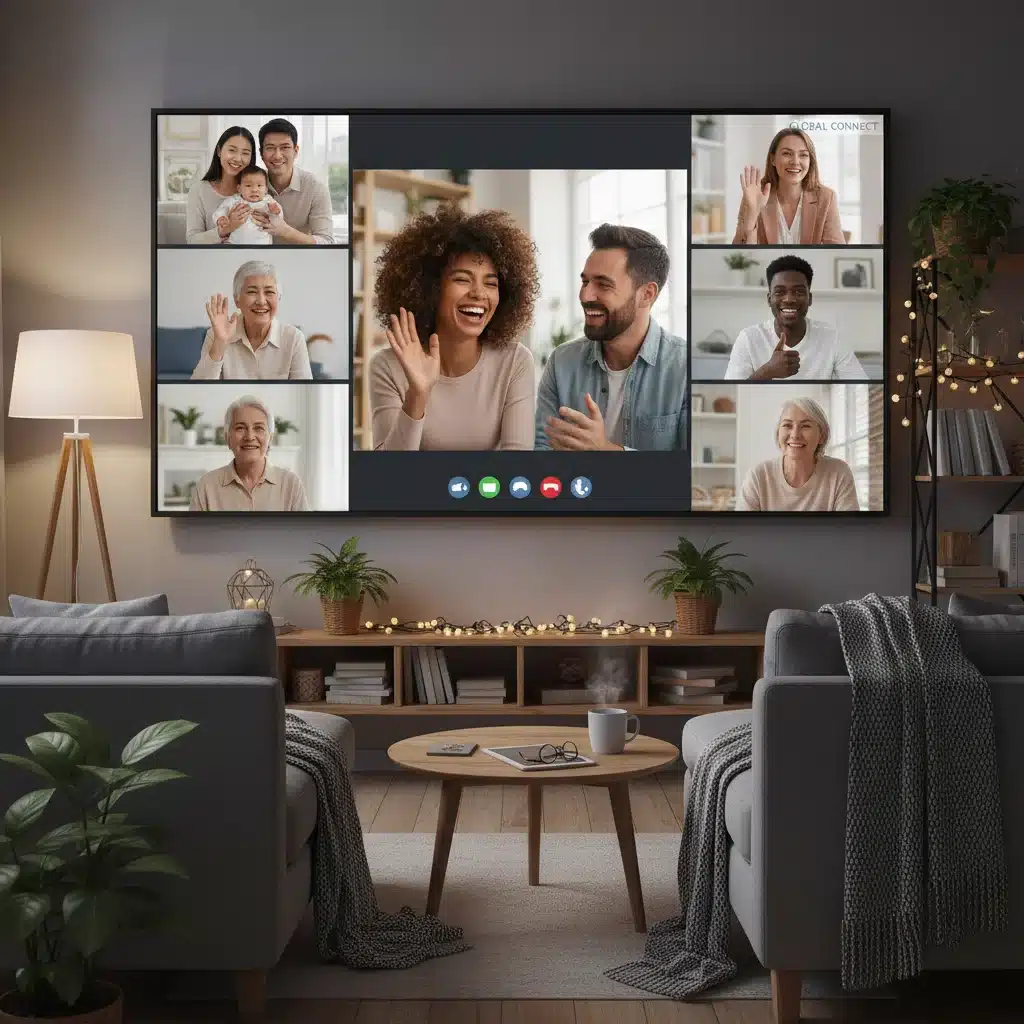
Technology, paradoxically, also plays a role in facilitating these real-world connections. Localized apps and social media groups (e.g., Nextdoor, local Facebook groups, or community-specific messaging platforms) act as bridges, helping residents discover and organize hyper-local activities. They serve as a starting point for connection, which then blossoms into face-to-face interactions. This hybrid approach – digital discovery leading to real-world engagement – is a hallmark of how these micro-communities operate in 2026, proving that online and offline worlds can complement each other beautifully.
Trend 3: Purpose-Driven Collectives and Values-Based Belonging
In 2026, individuals are increasingly seeking connections rooted in shared values and a collective sense of purpose. This trend sees the emergence and strengthening of micro-communities formed around specific ethical stances, social causes, or philosophical alignments. These are not merely interest groups; they are collectives united by a deeper commitment to a particular worldview or mission.
Examples include groups dedicated to climate activism, social justice advocacy, ethical consumption, mental health awareness, or even specific spiritual and philosophical practices. What binds these micro-communities together is a shared moral compass and a desire to contribute to something larger than themselves. Membership in such groups provides not only social connection but also a powerful sense of meaning and impact, which is increasingly valued in contemporary society.
The appeal of purpose-driven collectives stems from a desire for authenticity and alignment. In a world saturated with information and often conflicting narratives, finding a community that genuinely reflects one’s core values can be profoundly affirming. These groups offer a space for individuals to discuss complex issues, organize collective action, and support each other in their pursuit of common goals. They often foster a strong sense of solidarity and mutual respect, as members are united by a shared dedication to their chosen cause.
This trend is also indicative of a broader societal shift towards conscious consumerism and ethical living. People want their social connections to reflect their personal ethics, and micro-communities provide the perfect vehicle for this. The micro-communities 2026 trends are thus not just about what people like to do, but what they believe in and how they want to make a difference. These values-based communities offer a powerful antidote to feelings of powerlessness, empowering individuals through collective action and shared identity.
Furthermore, these collectives are often highly resilient and adaptable. Their shared purpose acts as a strong adhesive, allowing them to navigate challenges and maintain cohesion even in the face of adversity. This deep-seated commitment ensures that these micro-communities remain vibrant and impactful, continuously attracting new members who resonate with their mission and values.
Trend 4: The Blurring Lines of Professional and Personal Communities
The fourth significant trend observed in 2026 is the increasing overlap and blurring of lines between professional and personal micro-communities. Traditionally, work and personal life were often kept separate, with distinct social circles for each. However, the rise of remote work, the gig economy, and a greater emphasis on work-life integration has led to the formation of micro-communities that seamlessly blend professional development with personal connection.
These hybrid micro-communities manifest in various forms: online masterminds for entrepreneurs in specific niches, peer support groups for remote workers facing similar challenges, industry-specific networking groups that also organize social outings, or even professional associations that foster deep personal relationships among members. The common thread is the dual benefit they offer: career advancement and genuine social support.
The appeal of these blended communities is multifaceted. In a rapidly evolving job market, continuous learning and professional networking are crucial. However, the isolation that can come with remote work or highly specialized careers often leaves individuals yearning for human connection. These hybrid micro-communities fill that void by providing a space where professionals can not only share knowledge and collaborate on projects but also find mentorship, emotional support, and lasting friendships.
For example, a group of freelance graphic designers might meet weekly online to critique each other’s work and discuss industry trends, but also share personal struggles and celebrate successes. A collective of healthcare innovators might collaborate on new technologies while also forming deep bonds through shared passion and mutual understanding of their unique professional pressures. This integration of professional and personal spheres offers a more holistic and fulfilling community experience, aligning with the broader micro-communities 2026 trends of seeking deeper, more meaningful connections.
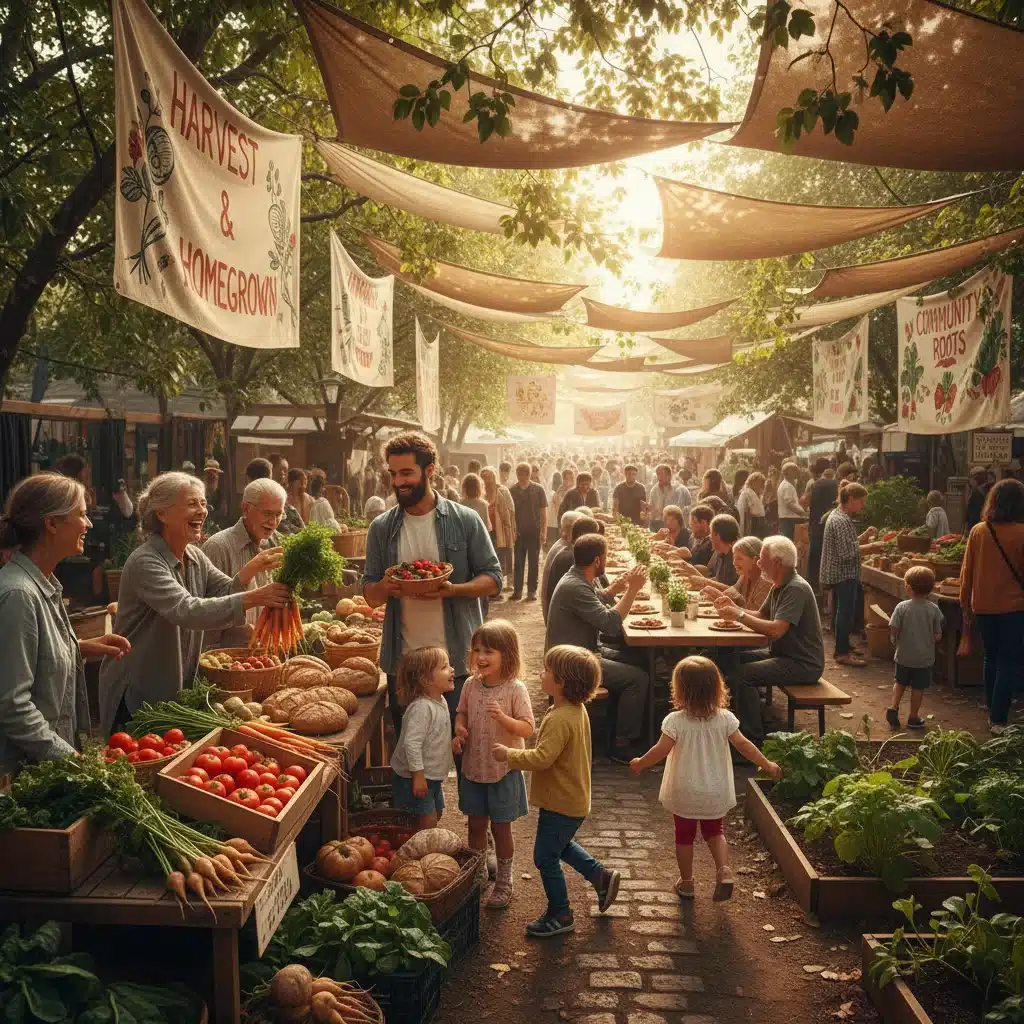
This trend also highlights a shift in how individuals perceive their careers. Work is increasingly seen not just as a means to an end, but as an integral part of one’s identity and a source of personal growth. Consequently, the communities built around professional endeavors are also becoming more personally significant, fostering a sense of shared journey and collective ambition.
The Impact and Future of Micro-Communities in 2026
The rise of micro-communities and these four distinct trends have profound implications for American social interactions in 2026 and beyond. Firstly, they signify a move towards greater personalization and specificity in human connection. People are no longer content with superficial ties; they actively seek environments where their unique identities and interests are not just tolerated but celebrated.
Secondly, these trends highlight the enduring human need for belonging. In an increasingly fragmented and rapidly changing world, micro-communities offer a vital anchor, providing stability, support, and a sense of shared identity. Whether digital or hyper-local, purpose-driven or professionally integrated, these groups fulfill a fundamental psychological need that larger societal structures sometimes struggle to address.
Thirdly, the adaptability and resilience of micro-communities make them powerful agents of social change and innovation. Their focused nature allows for rapid idea exchange, collaborative problem-solving, and efficient mobilization around shared causes. This agility makes them incredibly influential in shaping cultural norms, driving local initiatives, and even impacting broader societal discourse.
Looking ahead, we can anticipate further evolution in how these micro-communities 2026 trends manifest. Artificial intelligence and virtual reality might play an even greater role in creating immersive and highly personalized digital micro-communities, blurring the lines between online and ‘real’ further. At the same time, the desire for authentic, local connections will likely continue to strengthen, potentially leading to a more balanced integration of digital and physical community building.
Businesses, policymakers, and community leaders must recognize and adapt to these shifts. Understanding where and how people are forming connections is key to effective engagement, support, and innovation. Fostering environments that encourage the formation and thriving of these micro-communities will be essential for building a more connected, resilient, and inclusive society.
Conclusion: Navigating the New Social Landscape
The year 2026 marks a significant inflection point in American social interactions, characterized by the undeniable prominence of micro-communities. The four trends we’ve explored – the ascendancy of niche digital platforms, the revitalization of hyper-local engagement, the rise of purpose-driven collectives, and the blurring lines between professional and personal communities – collectively paint a picture of a society seeking deeper, more authentic, and highly personalized connections.
These micro-communities 2026 trends are not isolated phenomena but interconnected forces shaping how individuals find belonging, support, and meaning. They reflect a fundamental human desire for connection, expressed through new forms and facilitated by evolving technologies and societal values. As we move forward, understanding and nurturing these smaller, more focused groups will be paramount for fostering a vibrant and cohesive society.
The future of social interaction in America is not about mass movements but about the intricate web of countless micro-connections, each providing a unique refuge and a powerful platform for shared experience. Embracing this shift means recognizing the power of the niche, the value of the local, the strength of shared purpose, and the integration of our diverse identities. The age of the micro-community is here, and its influence will only continue to grow, reshaping our understanding of what it means to belong.