Sustainable Living Made Simple: 6 Practical Solutions to Reduce Your Household’s Footprint in 2026
In an era where environmental consciousness is no longer an option but a necessity, the concept of sustainable living solutions has moved from fringe idealism to mainstream imperative. As we navigate the complexities of modern life, our collective impact on the planet becomes increasingly evident. From rising global temperatures to diminishing natural resources, the signs are clear: it’s time for a change. But where do we begin? For many, the idea of adopting a sustainable lifestyle can seem daunting, conjuring images of radical overhauls and significant sacrifices. However, the truth is far less intimidating. Sustainable living is about making conscious choices, often small ones, that collectively lead to a monumental positive impact. It’s about understanding our consumption patterns, minimizing waste, and embracing practices that nurture both our well-being and the health of the planet.
This comprehensive guide aims to demystify sustainable living, offering six practical, actionable sustainable living solutions that you can implement in your household starting today. We’re not talking about unattainable ideals, but rather realistic, effective strategies that will not only reduce your environmental footprint but can also lead to long-term financial savings and a healthier lifestyle. The year 2026 is upon us, and with it, a renewed opportunity to commit to a greener, more responsible way of life. Let’s explore how simple shifts in our daily routines can pave the way for a more sustainable future for ourselves and generations to come.
The journey towards sustainable living is a continuous one, filled with learning and adaptation. It’s about progress, not perfection. Every step, no matter how small, contributes to a larger movement. By focusing on these practical solutions, you’ll discover that adopting a more eco-friendly lifestyle is not just achievable, but also deeply rewarding. Join us as we delve into tangible ways to transform your home into a beacon of sustainability.
1. Embrace Renewable Energy: Powering Your Home with the Sun and Wind
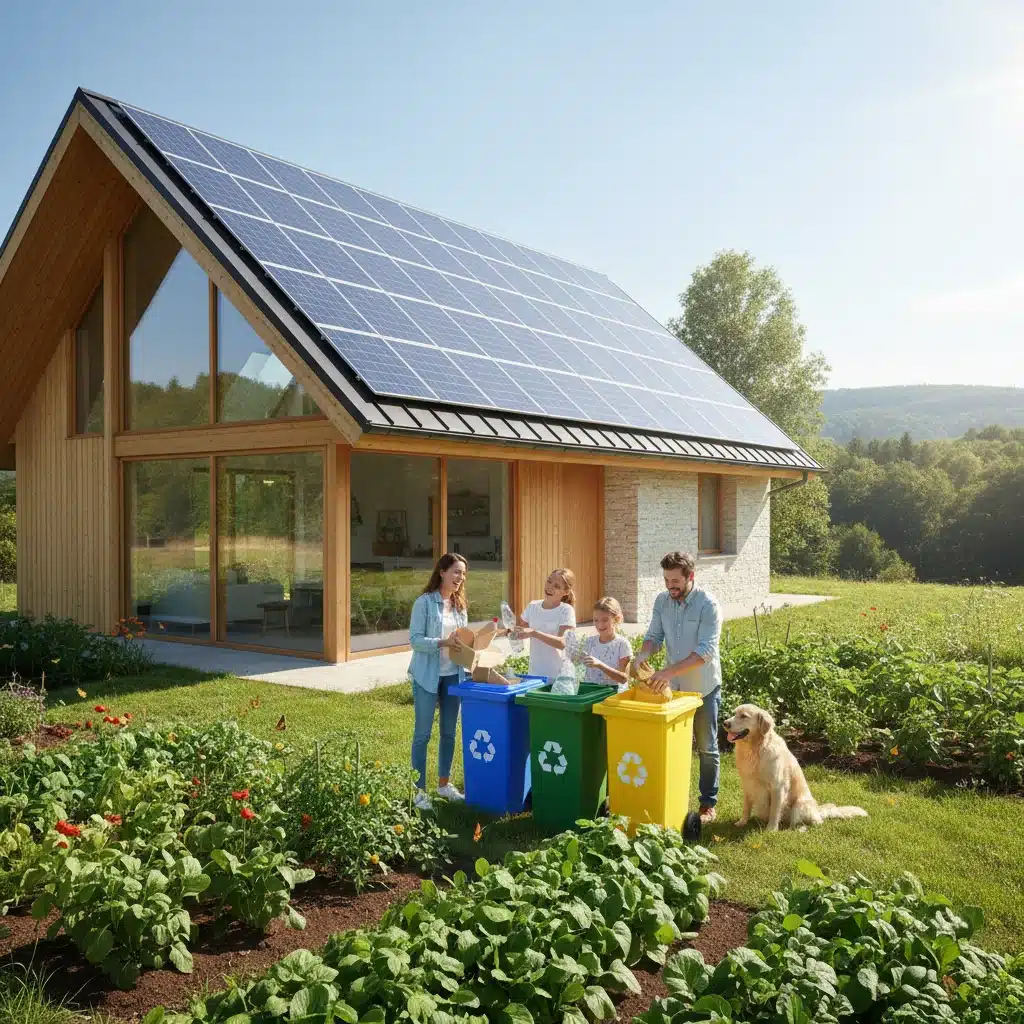
One of the most impactful sustainable living solutions you can adopt is transitioning to renewable energy sources for your home. Our reliance on fossil fuels has long been a primary driver of climate change, releasing vast amounts of greenhouse gases into the atmosphere. By harnessing the power of the sun and wind, we can significantly reduce our carbon footprint and contribute to a cleaner energy future. The good news is that renewable energy technologies are more accessible and affordable than ever before, making this an increasingly viable option for homeowners.
Solar Power: A Bright Future for Your Home
Solar panels are perhaps the most recognizable symbol of renewable energy. Installing solar panels on your roof allows you to generate your own electricity, reducing your dependence on the grid and often leading to substantial savings on your energy bills. The initial investment in solar can be significant, but numerous government incentives, tax credits, and financing options are available to help offset the cost. Furthermore, the lifespan of modern solar panels is typically 25-30 years, offering a long-term return on investment. Beyond financial benefits, adopting solar power sends a powerful message about your commitment to sustainable living and inspires others to consider similar choices.
Even if a full solar panel installation isn’t feasible, there are smaller steps you can take. Consider solar-powered outdoor lighting, solar chargers for your devices, or even a small portable solar generator for emergencies. These incremental changes, while not replacing your entire energy consumption, contribute to a mindset of utilizing clean energy wherever possible. Research local solar installers and inquire about their offerings and any available rebates in your area. Understanding your energy consumption patterns can also help in determining the optimal size and type of solar system for your needs.
Wind Energy: Tapping into Nature’s Breeze
While less common for individual residential installations compared to solar, small-scale wind turbines can be another excellent renewable energy solution, particularly for homes in rural areas with consistent wind resources. These micro-turbines can supplement or even replace grid electricity, depending on the wind conditions and your energy demands. Before investing, it’s crucial to conduct a thorough site assessment to determine wind availability and local zoning regulations. Advances in wind turbine technology have made smaller units quieter and more efficient, making them a more attractive option for certain properties.
For those living in urban or suburban areas where individual wind turbines are impractical, supporting community wind projects or choosing an electricity provider that sources a significant portion of its energy from wind farms is a fantastic way to embrace wind power. Many utility companies now offer ‘green energy’ options where you can pay a slight premium to ensure your electricity comes from renewable sources. This is a simple yet effective way to incorporate renewable energy into your sustainable living solutions without any physical installation at your home.
The transition to renewable energy is a cornerstone of sustainable living. It empowers homeowners to become active participants in the energy transition, reducing their environmental impact and fostering a more resilient and clean energy system for everyone. Explore the options available to you and take the first step towards a truly green home.
2. Reduce, Reuse, Recycle, and Refuse: Mastering the 4 Rs of Waste Management
Waste management is a critical component of any discussion on sustainable living solutions. The sheer volume of waste generated globally poses a significant threat to our ecosystems, filling landfills, polluting oceans, and contributing to greenhouse gas emissions. Adopting the ‘4 Rs’ – Reduce, Reuse, Recycle, and Refuse – is a powerful framework for minimizing your household’s waste footprint and moving towards a more circular economy.
Reduce: Cutting Down at the Source
The most effective way to manage waste is to prevent it from being created in the first place. Reducing your consumption means thinking critically before every purchase. Do you truly need this item? Can you borrow it instead of buying? Can you opt for products with minimal packaging? This involves conscious consumerism, choosing durable goods over disposable ones, and prioritizing experiences over material possessions. For example, opting for a reusable coffee cup, water bottle, and shopping bags are simple yet effective ways to reduce single-use plastic waste.
Reducing also extends to food waste. Meal planning, proper food storage, and composting food scraps can drastically cut down on organic waste sent to landfills. Food waste generates methane, a potent greenhouse gas, so diverting it through composting is a highly impactful sustainable living solution. Consider starting a small backyard compost bin or participating in a community composting program.
Reuse: Giving Items a Second Life
Before discarding an item, consider if it can be reused, either for its original purpose or for something new. This could mean repairing broken appliances or furniture instead of replacing them, donating old clothes and household items to charity, or upcycling materials into creative new projects. Mason jars can become storage containers, old tires can be transformed into garden planters, and worn-out t-shirts can become cleaning rags. The possibilities for creative reuse are endless and add a unique, personal touch to your home while diverting waste from landfills.
Embracing second-hand shopping is another excellent way to promote reuse. Thrift stores, consignment shops, and online marketplaces offer a wealth of pre-loved items, from clothing and furniture to electronics and books. Buying used not only saves resources but also often comes with a significant cost saving, making it a win-win for both your wallet and the planet.
Recycle: Sorting for a Second Chance
Recycling is perhaps the most well-known of the 4 Rs, but it’s crucial to do it correctly. Understand your local recycling guidelines, as rules can vary significantly from one municipality to another regarding what materials are accepted (plastics, glass, paper, metals) and how they need to be prepared (e.g., rinsed, caps removed). Contamination is a major issue in recycling, so ensuring your items are clean and correctly sorted is vital for the process to be effective. Educate yourself and your family on proper recycling practices to maximize its positive impact.
Beyond curbside recycling, look for specialized recycling programs for items not typically accepted, such as electronics (e-waste), batteries, light bulbs, and textiles. Many retailers offer take-back programs for specific products. Making the effort to properly dispose of these challenging items is a key aspect of comprehensive waste management and a core sustainable living solution.
Refuse: Saying No to Unnecessary Consumption
The ‘Refuse’ principle encourages us to actively decline products and practices that are environmentally harmful or simply unnecessary. This means saying no to single-use plastics like straws, plastic bags, and disposable cutlery when alternatives are available. It means questioning impulse purchases and resisting the urge to buy things you don’t truly need. Refusing also applies to products with excessive packaging, harmful chemicals, or those produced through unethical labor practices. This proactive stance empowers you to make intentional choices that align with your sustainable living values.
By diligently practicing the 4 Rs, your household can dramatically reduce its environmental impact, conserve natural resources, and contribute to a cleaner, healthier planet. It’s a continuous process of learning and improvement, but one that yields immense rewards.
3. Cultivate a Green Thumb: Sustainable Gardening and Local Food Sourcing
Connecting with the food we eat is a powerful aspect of sustainable living solutions. The industrial food system, with its long supply chains, extensive packaging, and reliance on chemical fertilizers and pesticides, contributes significantly to our environmental footprint. By cultivating a green thumb and prioritizing local food sourcing, you can reduce this impact, enjoy fresher produce, and even enhance your well-being.
Start a Home Garden: Freshness at Your Fingertips
Even a small space can yield a surprising amount of fresh produce. A home garden, whether it’s a few potted herbs on a windowsill, a raised bed in the backyard, or a full-fledged vegetable patch, is a direct way to reduce your food miles, eliminate packaging waste, and ensure you’re consuming food free from harmful chemicals. Growing your own food is incredibly rewarding and provides a tangible connection to nature. Start with easy-to-grow vegetables like lettuce, radishes, tomatoes, and various herbs.
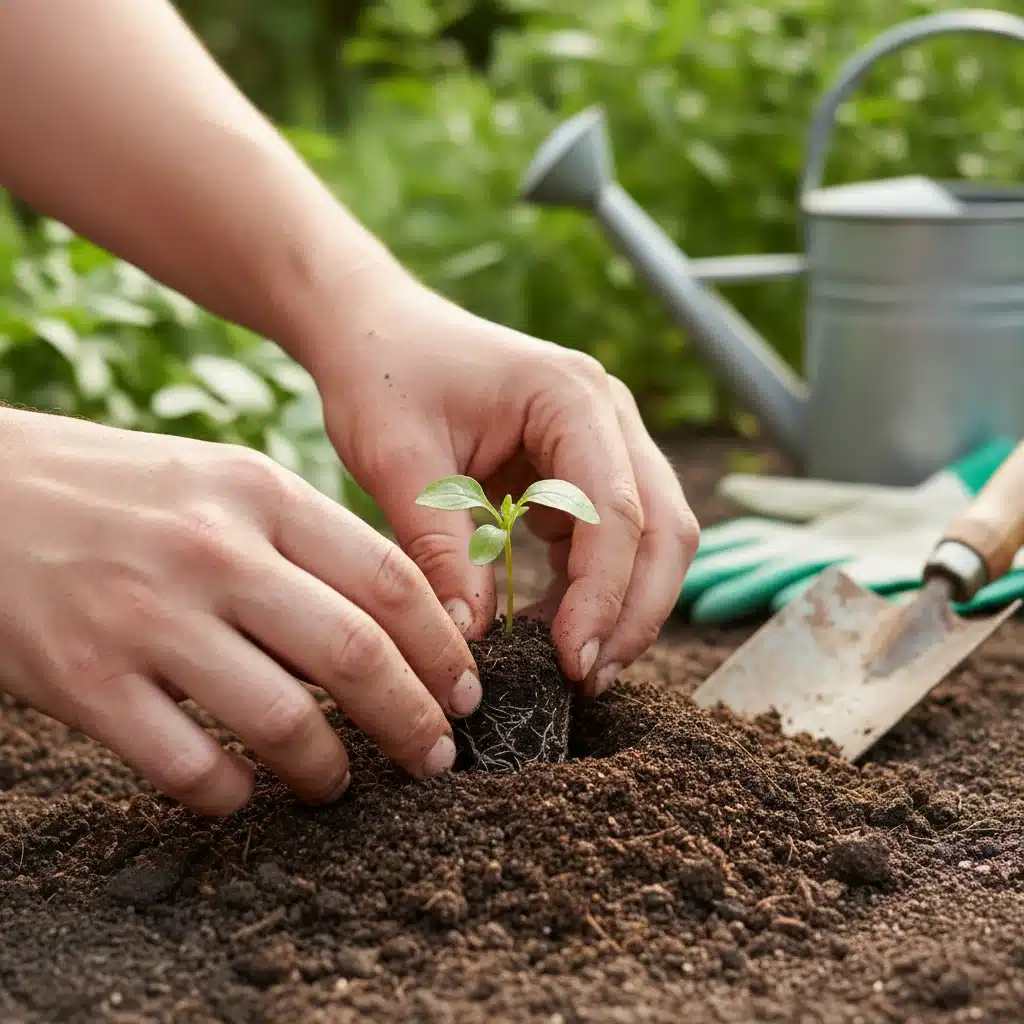
Sustainable gardening practices go beyond just planting. They involve using organic pest control methods, conserving water through drip irrigation or rainwater harvesting, and enriching your soil with compost instead of synthetic fertilizers. Companion planting, which involves growing certain plants together to deter pests or enhance growth, is another eco-friendly technique. A thriving home garden not only provides food but also supports local biodiversity and creates a beautiful, calming space.
Composting: Gold for Your Garden
As mentioned earlier, composting kitchen scraps and yard waste is a cornerstone of sustainable gardening. It diverts organic material from landfills and transforms it into nutrient-rich soil amendment (humus) that improves soil structure, retains moisture, and provides essential nutrients for your plants. This closed-loop system perfectly embodies the principles of circularity in sustainable living. There are various composting methods suitable for different spaces, from simple backyard piles to vermicomposting (using worms) for smaller indoor setups.
Support Local and Seasonal: Farmers’ Markets and CSAs
When you can’t grow it yourself, the next best sustainable living solution is to buy local and seasonal produce. Farmers’ markets are excellent places to find fresh, often organically grown fruits, vegetables, and other goods directly from the producers. This reduces transportation emissions, supports local economies, and ensures you’re getting the freshest possible ingredients. Engaging with farmers also provides an opportunity to learn about where your food comes from and how it’s grown.
Community Supported Agriculture (CSA) programs are another fantastic option. By subscribing to a CSA, you purchase a share of a local farm’s harvest at the beginning of the season and receive a weekly box of fresh produce. This direct farm-to-consumer model fosters a strong connection between eaters and growers, reduces waste, and helps farmers plan their crops more efficiently. Embracing local and seasonal food choices is a delicious and impactful way to promote sustainable living.
4. Optimize Energy Efficiency: Smart Home Solutions and Conscious Consumption
Energy consumption in our homes accounts for a significant portion of our environmental impact. Implementing energy-efficient practices and utilizing smart home technologies are vital sustainable living solutions that can lead to substantial reductions in energy use and utility bills. It’s about being smarter with how we use power, not necessarily doing without.
Smart Thermostats and Zoned Heating/Cooling
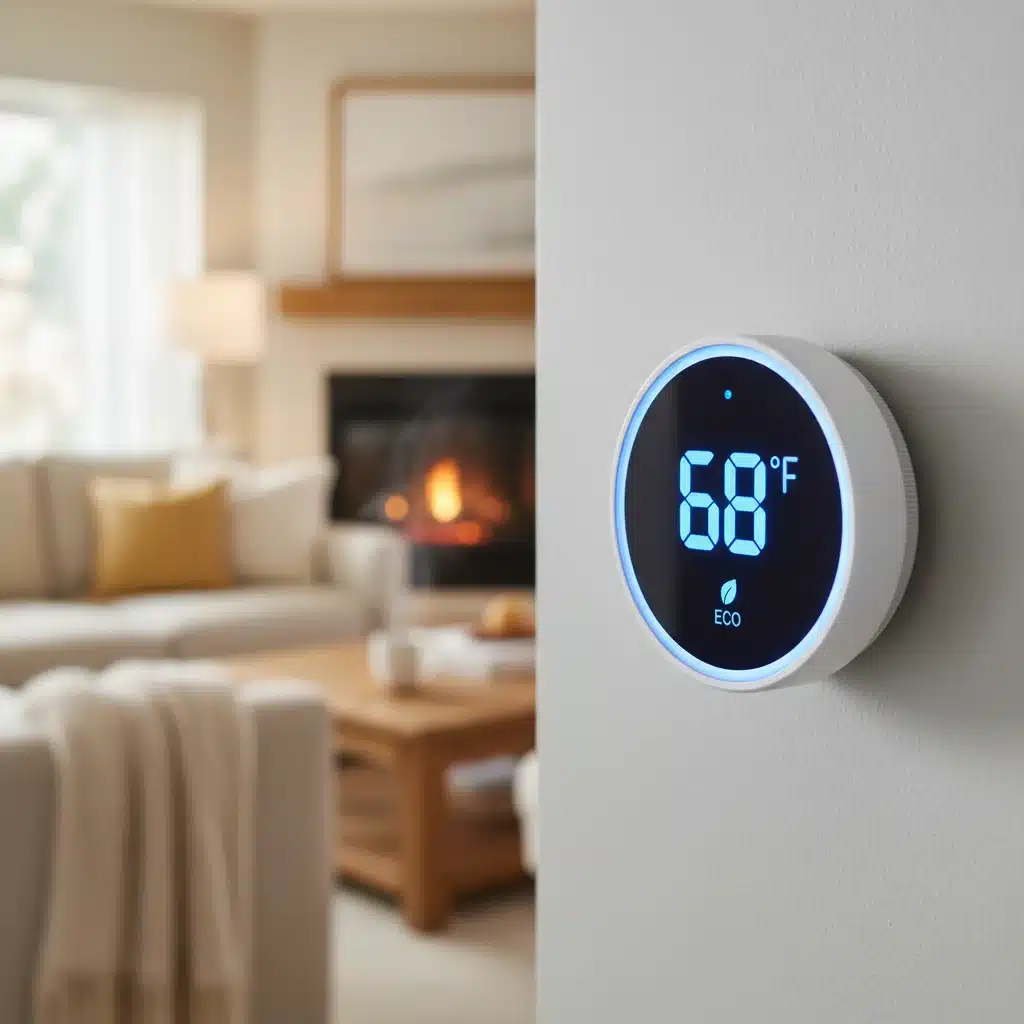
One of the easiest and most effective ways to optimize energy efficiency is by installing a smart thermostat. These devices learn your preferences, can be controlled remotely via your smartphone, and often have features like geofencing (adjusting temperature when you leave or arrive home) and scheduling. By precisely controlling your heating and cooling, you can avoid wasting energy on an empty house or overheating/overcooling rooms. Zoned heating and cooling systems take this a step further, allowing you to control the temperature independently in different areas of your home, ensuring comfort only where and when it’s needed.
LED Lighting: Brightness with Less Power
If you haven’t already, switch all your incandescent and even CFL bulbs to LED (Light Emitting Diode) lighting. LEDs consume significantly less energy, last much longer, and come in a wide range of brightness and color temperatures. While the upfront cost might be slightly higher, the energy savings and extended lifespan quickly make LEDs a more economical and sustainable choice. Smart LED bulbs can also be integrated with smart home systems, allowing for dimming, color changes, and scheduling, further enhancing energy efficiency.
Insulation and Weather Stripping: Sealing the Deal
Even the most efficient heating and cooling systems will struggle if your home isn’t properly insulated. Investing in good insulation for your attic, walls, and floors is a fundamental sustainable living solution. It prevents heat loss in winter and heat gain in summer, dramatically reducing the energy required to maintain a comfortable indoor temperature. Similarly, checking for and sealing air leaks around windows and doors with weather stripping and caulk can prevent drafts and further improve your home’s thermal envelope. These measures might seem simple, but their cumulative impact on energy consumption is profound.
Energy-Efficient Appliances and Unplugging Phantom Loads
When purchasing new appliances, always look for the Energy Star label, which indicates that the product meets strict energy efficiency guidelines set by the EPA. Energy-efficient refrigerators, washing machines, dishwashers, and other appliances use less electricity and water, saving you money and resources over their lifespan. Additionally, be mindful of ‘phantom loads’ or ‘vampire power’ – the electricity consumed by electronics even when they are turned off but still plugged in. Unplug chargers, TVs, computers, and other devices when not in use, or connect them to smart power strips that cut power automatically. This small habit can add up to significant energy savings over time.
Optimizing energy efficiency is about making your home work smarter, not harder. By combining smart technologies with conscious habits, you can create a truly energy-efficient and sustainable living environment.
5. Conserve Water: Every Drop Counts for a Sustainable Future
Freshwater is a finite and precious resource, and its conservation is a cornerstone of effective sustainable living solutions. From household use to agriculture, water is essential for all life, yet many regions face increasing water scarcity. Adopting water-saving habits and technologies in your home can significantly reduce your water footprint and contribute to greater environmental resilience.
Low-Flow Fixtures and Toilets: Smart Water Usage
One of the most straightforward ways to conserve water indoors is by upgrading to low-flow fixtures. Low-flow showerheads can drastically reduce the amount of water used during a shower without compromising water pressure. Similarly, aerators on faucets mix air with water, maintaining effective flow while using less water. Replacing old, inefficient toilets with new low-flow or dual-flush models can save thousands of gallons of water annually, as toilets are often the biggest water users in a home. These upgrades represent a smart initial investment in water conservation.
Rainwater Harvesting: Nature’s Free Resource
Harnessing rainwater is an ancient practice that is gaining renewed importance as a modern sustainable living solution. Installing a rain barrel or a more extensive rainwater harvesting system allows you to collect rainwater from your roof and store it for various non-potable uses, such as watering your garden, flushing toilets, or even washing your car. This reduces your reliance on municipal water supplies, saves money on water bills, and helps to alleviate strain on local water infrastructure, especially during droughts. Always ensure your system is properly installed and maintained to prevent mosquito breeding or other issues.
Water-Wise Landscaping (Xeriscaping): Rethinking Your Garden
Outdoor water use, particularly for landscaping, can be substantial, especially in drier climates. Xeriscaping is a landscaping approach that minimizes the need for irrigation by using drought-tolerant native plants, efficient irrigation techniques, and thoughtful design. This includes grouping plants with similar water needs, using mulch to retain soil moisture, and avoiding thirsty lawns in favor of groundcovers or hardscaping. Drip irrigation systems deliver water directly to plant roots, minimizing evaporation and runoff, making them far more efficient than traditional sprinklers. By embracing water-wise landscaping, you can create a beautiful and sustainable outdoor space that thrives with minimal water input.
Conscious Water Habits: Small Changes, Big Impact
Beyond technological upgrades, adopting conscious water habits in your daily routine is crucial. This includes turning off the tap while brushing your teeth, shaving, or washing dishes, taking shorter showers, and only running your dishwasher and washing machine when they are full. Fixing leaks promptly, even small drips, can save significant amounts of water over time. Educating your family about the importance of water conservation and involving them in these practices instills a collective sense of responsibility towards this vital resource. Every drop saved contributes to a more sustainable future.
6. Embrace Mindful Consumption and Ethical Sourcing: Beyond the Product
True sustainable living solutions extend beyond the physical products we buy and the energy we consume; they encompass a deeper understanding of our consumption patterns and the ethical implications of our choices. Mindful consumption and ethical sourcing are about making deliberate decisions that consider the entire lifecycle of a product, from its raw materials to its disposal, and the people involved in its creation.
Invest in Quality and Durability: Buy Less, Choose Well
Fast fashion and disposable goods contribute massively to waste and resource depletion. A key principle of mindful consumption is to invest in high-quality, durable products that are designed to last. While the upfront cost might be higher, these items often prove more economical in the long run due to their longevity, reducing the need for frequent replacements. This applies to clothing, furniture, electronics, and household goods. Before making a purchase, ask yourself: Is this built to last? Can it be repaired? This shift from quantity to quality is a powerful sustainable living solution.
Support Ethical and Transparent Brands: Vote with Your Wallet
Ethical sourcing involves choosing products from companies that prioritize fair labor practices, safe working conditions, and environmental responsibility throughout their supply chains. This means looking for certifications like Fair Trade, B Corp, or GOTS (Global Organic Textile Standard) for clothing. Research brands to understand their commitment to sustainability, transparency, and social justice. By supporting these businesses, you’re not just buying a product; you’re investing in a more equitable and sustainable global economy. Your purchasing power is a powerful tool for change.
Prioritize Experiences Over Possessions: Declutter Your Life
In a consumer-driven society, it’s easy to get caught up in the endless pursuit of new possessions. However, a core aspect of mindful consumption is recognizing that true fulfillment often comes from experiences, relationships, and personal growth, rather than material goods. Embrace minimalism, declutter your home, and focus on what truly adds value to your life. This doesn’t mean depriving yourself, but rather making intentional choices that reduce clutter, waste, and the environmental impact associated with excessive consumption. A simpler life often leads to a more sustainable one.
Educate Yourself and Advocate for Change: Be an Informed Citizen
Mindful consumption also involves continuous learning and advocacy. Stay informed about environmental issues, ethical concerns in various industries, and sustainable alternatives. Share your knowledge with friends and family, and encourage them to adopt more sustainable practices. Support policies and initiatives that promote sustainability at local, national, and international levels. Your voice, combined with your actions, can create a ripple effect, inspiring broader societal change. Being an active participant in conversations around sustainable living solutions is just as important as individual actions.
Conclusion: Your Role in Shaping a Sustainable Future
The journey towards a more sustainable lifestyle is a collective endeavor, but it begins with individual choices. The six practical sustainable living solutions outlined in this guide – embracing renewable energy, mastering waste management, cultivating a green thumb, optimizing energy efficiency, conserving water, and practicing mindful consumption – offer a clear roadmap for reducing your household’s environmental footprint in 2026 and beyond. Each solution, while impactful on its own, becomes even more powerful when integrated into a holistic approach to living.
Remember, sustainable living is not about perfection; it’s about progress. It’s about making conscious, informed decisions that align with your values and contribute positively to the planet. Start with one or two changes that feel manageable, build on your successes, and continuously seek new ways to improve. You don’t need to overhaul your entire life overnight. Small, consistent efforts accumulate over time to create significant change. By adopting these sustainable living solutions, you’re not just reducing your personal impact; you’re also setting an example for others, inspiring your community, and contributing to a healthier, more resilient future for all.
The time to act is now. Let 2026 be the year you truly embrace sustainable living, transforming your home into a sanctuary of eco-conscious practices and becoming a steward of our precious planet. Every choice you make has power; choose wisely, choose sustainably.