The 2026 Guide to Conscious Consumption: How 10% More Mindful Choices Impact Daily Life
In an increasingly interconnected world, where every purchase and decision carries a ripple effect, the concept of conscious consumption guide has moved from a niche philosophy to a mainstream imperative. As we navigate the complexities of 2026, the call for more mindful choices in our daily lives resonates louder than ever. This comprehensive guide isn’t about radical overhauls or ascetic living; it’s about the profound impact that a mere 10% increase in conscious decision-making can have on individuals, communities, and the planet. Imagine if every person shifted just one-tenth of their consumption habits towards more sustainable, ethical, and responsible options. The collective power of such a subtle yet significant change is immense.
The journey towards a more sustainable future isn’t about perfection, but about progress. It’s about understanding that every small step contributes to a larger movement. This conscious consumption guide will delve into what conscious consumption truly means in 2026, why it’s more critical now than ever, and provide actionable strategies to effortlessly integrate 10% more mindful choices into your everyday routine. From the food on your plate to the clothes in your closet, and the energy powering your home, we’ll explore how small adjustments can lead to monumental change.
Understanding Conscious Consumption in 2026: Beyond the Buzzwords
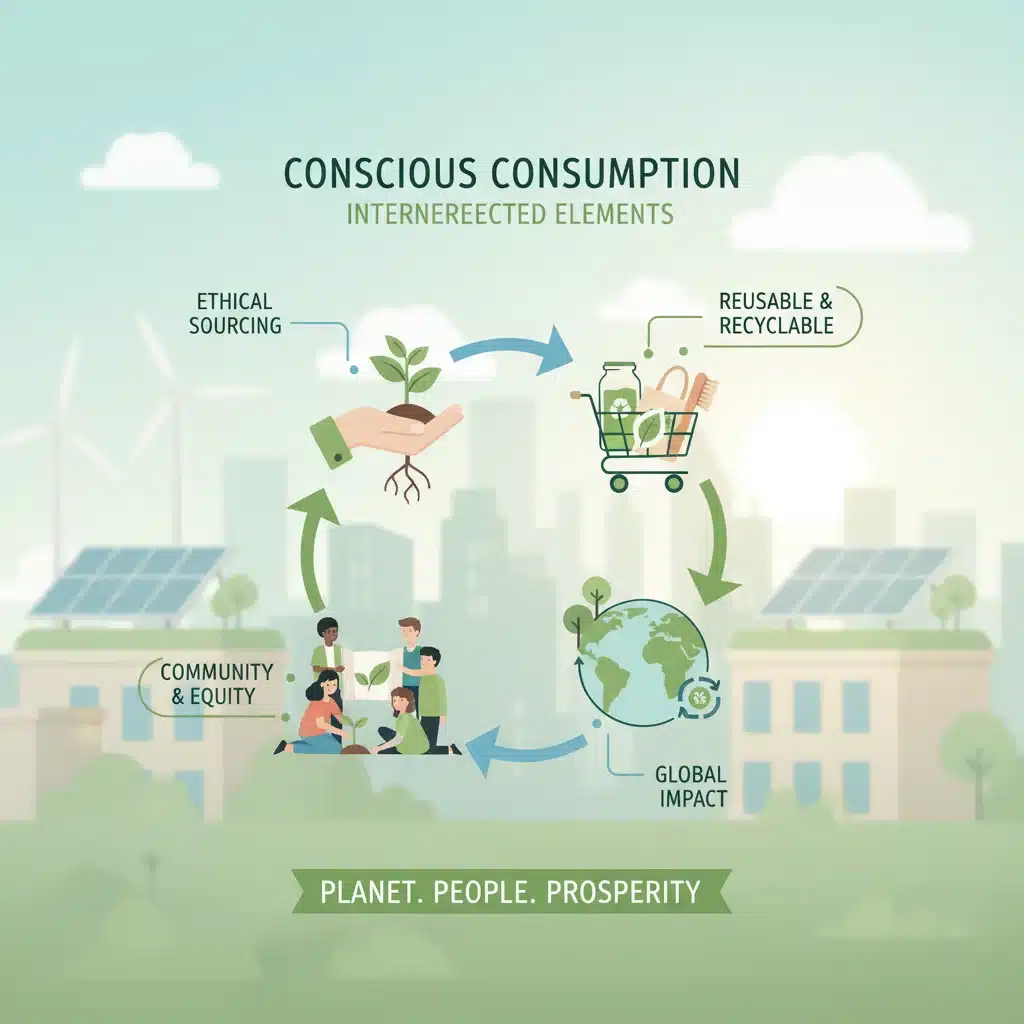
At its core, conscious consumption is about making purchasing decisions with an awareness of their wider impact. It’s a holistic approach that considers environmental, social, and ethical implications, extending far beyond simply buying ‘eco-friendly’ products. In 2026, this understanding has matured significantly. It’s no longer just about avoiding plastic straws; it’s about scrutinizing supply chains, supporting fair labor practices, minimizing waste across the entire lifecycle of a product, and actively engaging with brands that align with your values. This updated conscious consumption guide emphasizes intentionality and informed decision-making.
The Three Pillars of Mindful Choices: Environment, Society, and Self
To truly embrace conscious consumption, we must consider its three fundamental pillars:
- Environmental Impact: This involves minimizing your ecological footprint. It means choosing products with lower carbon emissions, less water usage, sustainable sourcing of raw materials, reduced packaging, and biodegradability or recyclability at end-of-life. It’s about supporting renewable energy, reducing waste, and protecting biodiversity.
- Social Impact: This pillar focuses on the human element. It means ensuring that products are made under fair labor conditions, without exploitation, child labor, or unsafe working environments. It’s about supporting businesses that empower communities, promote diversity and inclusion, and contribute positively to society. Fair trade certifications are a key indicator here.
- Impact on Self: Often overlooked, conscious consumption also benefits your personal well-being. By choosing healthier, higher-quality, and ethically produced goods, you often invest in your own health and values. Reducing clutter, buying less but better, and aligning your spending with your core beliefs can lead to greater satisfaction and reduced stress.
The 2026 landscape for conscious consumption is also characterized by increased transparency. Thanks to advancements in blockchain technology and AI-powered tracking, consumers have unprecedented access to information about product origins, manufacturing processes, and brand ethics. This empowers us to make truly informed decisions, moving beyond superficial marketing claims to verifiable facts. This evolution is central to our conscious consumption guide.
Why 10% More Mindful Choices Matters: The Power of Incremental Change
The idea of a 10% shift might seem small, almost negligible. However, the cumulative effect of millions, even billions, of people making slightly more conscious choices is monumental. Think of it this way:
- If 10% of your weekly grocery budget goes towards locally sourced, organic produce, you’re not only supporting local farmers and reducing food miles but also likely consuming healthier, fresher food.
- If 10% of your clothing purchases are from ethical brands using sustainable materials or are second-hand, you’re directly reducing demand for fast fashion, its associated waste, and exploitative labor practices.
- If you reduce your energy consumption by 10% through simple habits like unplugging devices or optimizing heating/cooling, you’re contributing to lower carbon emissions and saving money.
- If 10% of your transportation involves walking, cycling, or public transport instead of driving, you’re reducing air pollution and improving your physical health.
This incremental approach makes conscious consumption less daunting and more achievable for everyone. It acknowledges that not everyone can afford a complete lifestyle overhaul, but everyone can make small, consistent improvements. The ‘10% more’ philosophy is a powerful antidote to eco-anxiety and decision fatigue, fostering a sense of agency and collective impact. This is a core tenet of our conscious consumption guide for 2026.
Practical Strategies for a 10% Shift in Daily Life
Integrating conscious consumption into your routine doesn’t require a complete lifestyle overhaul. Here are practical, actionable strategies to help you achieve that 10% shift, categorized for easier implementation.
Food and Drink: Nourishing Yourself and the Planet
Our eating habits have a profound impact. Here’s how to be 10% more mindful:
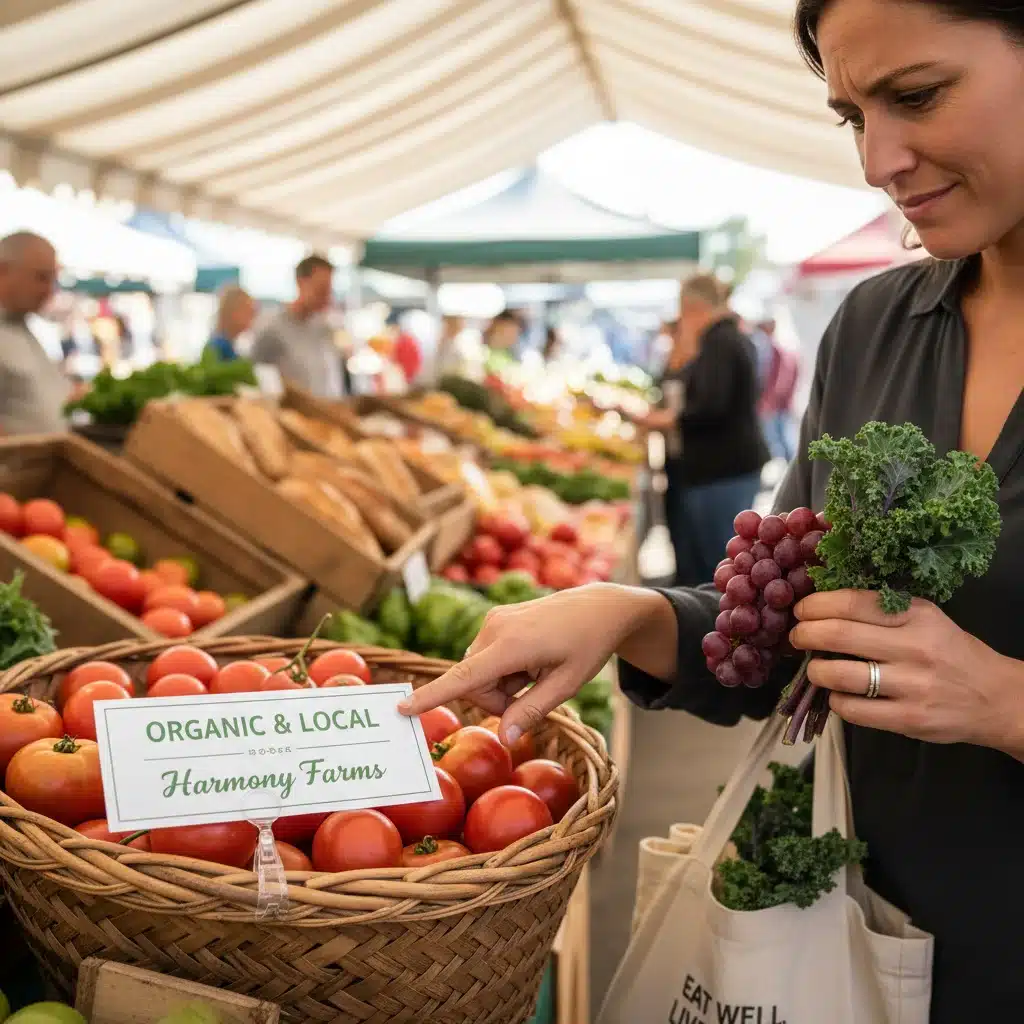
- Embrace Local & Seasonal (1-2% shift): Dedicate a small portion of your grocery budget to produce from farmers’ markets or local CSAs (Community Supported Agriculture). This reduces transport emissions and supports local economies.
- Reduce Food Waste (2-3% shift): Plan meals, use leftovers creatively, and understand ‘best by’ vs. ‘use by’ dates. Composting food scraps is another excellent step.
- Mindful Meat Consumption (2-3% shift): Consider reducing meat intake by one or two meals a week, opting for plant-based alternatives, or choosing ethically raised, grass-fed options when you do eat meat.
- Sustainable Seafood Choices (1% shift): Use guides like the Monterey Bay Aquarium Seafood Watch to make informed decisions about sustainably sourced fish.
- Reusable Containers & Bottles (1-2% shift): Carry a reusable water bottle, coffee cup, and shopping bags. This simple habit drastically cuts down on single-use plastic.
By focusing on these areas, you can easily achieve a 10% shift in your food and drink consumption, leading to a healthier diet and a lighter environmental footprint. This segment of the conscious consumption guide is highly impactful.
Fashion and Textiles: Dressing with Purpose
The fashion industry is a major polluter. Here’s how to make 10% more conscious choices:
- Invest in Quality Over Quantity (3-4% shift): Instead of buying multiple cheap items, invest in fewer, higher-quality pieces that last longer. This reduces the overall consumption cycle.
- Explore Second-hand & Vintage (3-4% shift): Embrace thrift stores, consignment shops, and online platforms for pre-loved clothing. This extends the life cycle of garments and reduces demand for new production.
- Support Ethical Brands (2-3% shift): When buying new, research brands that prioritize fair labor, sustainable materials (e.g., organic cotton, recycled polyester, hemp), and transparent supply chains. Look for certifications like Fair Trade.
- Care for Your Clothes (1% shift): Proper washing, drying, and repairing clothes can significantly extend their lifespan, reducing the need for new purchases.
A 10% shift here can mean buying one less fast fashion item and one more second-hand piece, or simply repairing a beloved garment instead of replacing it. This section of our conscious consumption guide helps you dress more responsibly.
Home and Energy: Creating a Sustainable Sanctuary
Our homes offer numerous opportunities for mindful adjustments:
- Energy Efficiency Upgrades (3-4% shift): Simple actions like switching to LED lighting, unplugging ‘phantom load’ devices, and optimizing thermostat settings can reduce energy consumption by a significant margin.
- Eco-friendly Cleaning Products (2-3% shift): Opt for natural, biodegradable cleaning solutions, or even make your own. Avoid harsh chemicals that harm waterways.
- Reduce, Reuse, Recycle (3-4% shift): This classic mantra is more relevant than ever. Before buying, ask if you truly need it. Can you borrow, repair, or buy second-hand? Maximize recycling and composting efforts.
- Water Conservation (1-2% shift): Take shorter showers, fix leaky faucets, and consider water-efficient appliances.
Even small changes in these areas can lead to a 10% reduction in your household’s environmental impact, as highlighted in this conscious consumption guide.
Transportation: Moving Mindfully
How we get around contributes significantly to our carbon footprint:
- Embrace Active Transport (4-5% shift): For short distances, walk or cycle. It’s good for your health and the environment.
- Utilize Public Transportation (3-4% shift): When available, choose buses, trains, or subways over driving alone.
- Carpooling & Ride-sharing (2-3% shift): Share rides to reduce the number of cars on the road.
- Efficient Driving Habits (1% shift): If you must drive, maintain your vehicle, avoid aggressive acceleration, and combine errands to reduce trips.
A 10% shift here might mean choosing to walk to the local store instead of driving, or taking public transport once a week. This part of the conscious consumption guide promotes healthier and greener commutes.
Technology and Electronics: Digital Responsibility
Our digital lives also have an environmental cost:
- Extend Device Lifespan (4-5% shift): Repair electronics instead of replacing them. Choose brands known for durability and repairability.
- Responsible Disposal & Recycling (3-4% shift): Don’t just toss old electronics. Find certified e-waste recycling centers to ensure proper disposal of hazardous materials.
- Cloud & Data Efficiency (2-3% shift): Be mindful of excessive data storage and streaming, which consume significant energy. Delete unnecessary files and unsubscribing from unwanted emails.
- Energy-Efficient Devices (1% shift): When purchasing new electronics, look for energy-star ratings and choose models with lower power consumption.
By making these small adjustments, your digital footprint can also become 10% more conscious, a crucial aspect covered in this conscious consumption guide.
The Ripple Effect: Beyond Your 10%
The beauty of conscious consumption is its inherent ripple effect. When you make a mindful choice, you’re not just impacting your own life; you’re sending a signal to the market, influencing your social circles, and contributing to a larger cultural shift. Your 10% can inspire others to make their own 10% shift, multiplying the positive impact exponentially.
Influencing Brands and Markets
Every purchase is a vote. By consistently choosing products from ethical and sustainable brands, you are signaling to the market that there is demand for such goods. This encourages other companies to adopt more responsible practices to remain competitive. Conversely, withholding your purchase from brands with poor environmental or social records sends a clear message that consumers demand better. This consumer power is a cornerstone of the conscious consumption guide for driving systemic change.
Inspiring Your Community
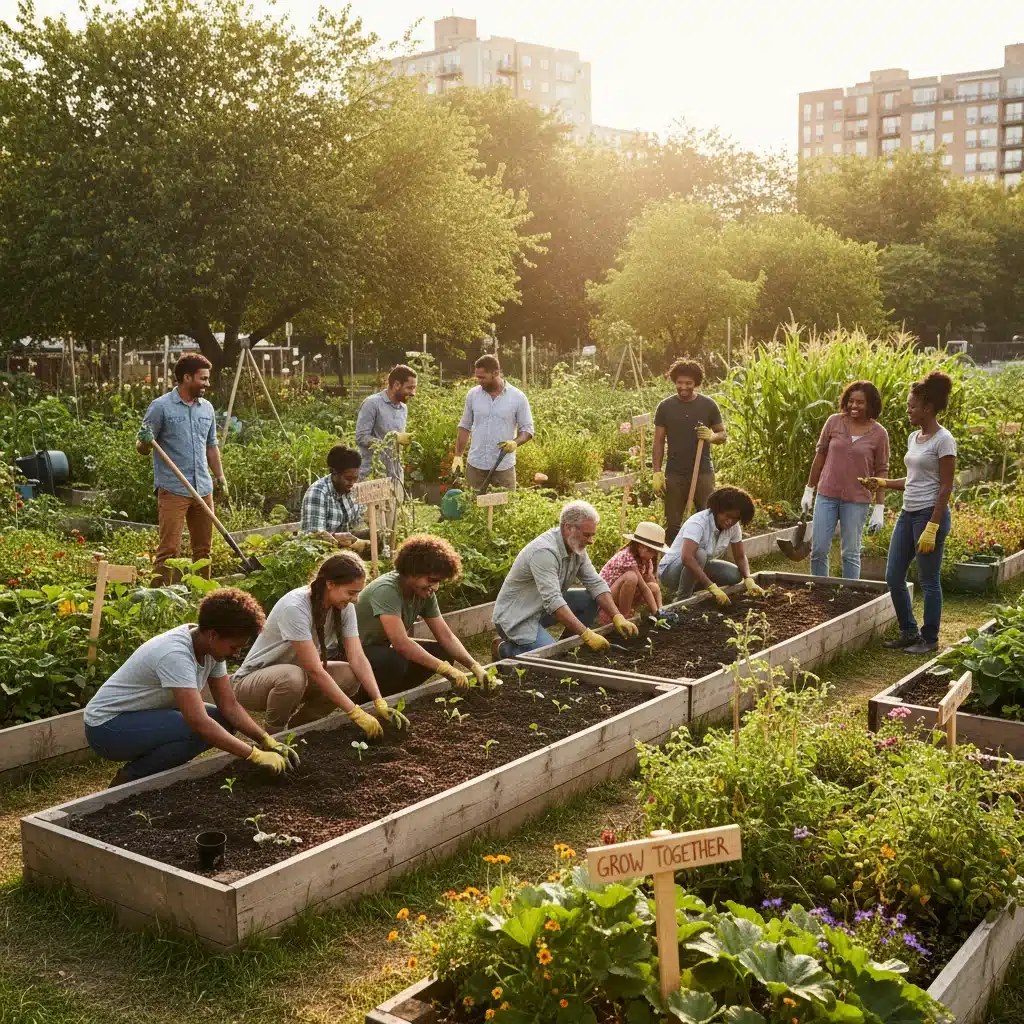
Your actions, even small ones, are visible. When friends and family see you making conscious choices – bringing your own coffee cup, shopping at a farmers’ market, or repairing an item instead of replacing it – it can spark curiosity and conversation. You become an unwitting ambassador for sustainable living, demonstrating that these choices are not only feasible but also beneficial. This organic spread of mindful habits is incredibly powerful.
Contributing to Systemic Change
While individual actions are crucial, conscious consumption also feeds into larger systemic changes. Increased consumer demand for sustainable products can push policymakers to enact more stringent environmental regulations, support renewable energy initiatives, and promote fair trade agreements. Your 10% isn’t just about personal virtue; it’s a building block for a more just and sustainable global system.
Overcoming Challenges and Staying Motivated
The path to conscious consumption isn’t always easy. You might encounter challenges like higher prices for ethical goods, limited availability of sustainable options, or the sheer overwhelm of information. Here’s how to stay motivated and navigate these hurdles:
- Start Small, Stay Consistent: Remember the 10% rule. Don’t aim for perfection; aim for progress. Celebrate small victories.
- Educate Yourself Continuously: The world of sustainable living is constantly evolving. Stay informed through reliable sources, documentaries, and ethical consumer guides. This conscious consumption guide is a starting point, not the end.
- Connect with Like-minded Individuals: Join online communities or local groups focused on sustainability. Sharing experiences and tips can be incredibly motivating.
- Focus on Your Values: Regularly remind yourself *why* you’re making these choices. Whether it’s for environmental protection, social justice, or personal health, connecting with your core values will fuel your commitment.
- Be Patient and Forgiving: There will be times when you can’t make the most conscious choice, or you’ll slip up. That’s okay. Acknowledge it, learn from it, and get back on track.
In 2026, the resources available to help consumers make informed choices are more abundant than ever. From apps that rate product sustainability to certifications that verify ethical practices, technology is a powerful ally in our conscious consumption journey.
The Future of Conscious Consumption: Trends to Watch in 2026 and Beyond
As we look ahead, several trends are shaping the future of conscious consumption, further empowering individuals to make impactful choices:
- Hyper-Personalization and Traceability: Expect more brands to offer highly personalized product information, allowing consumers to trace ingredients, materials, and labor conditions down to specific batches or farms. QR codes and blockchain will become standard. This level of detail will be crucial for any future conscious consumption guide.
- Circular Economy Integration: The emphasis will shift from ‘reduce, reuse, recycle’ to a more robust circular economy model, where products are designed for durability, repair, and eventual re-integration into the production cycle, minimizing waste entirely. Subscription models for products and services that facilitate this will grow.
- Regenerative Agriculture and Biodiversity: Beyond organic, there will be a growing focus on regenerative farming practices that actively restore soil health, sequester carbon, and promote biodiversity. Consumers will increasingly seek out products that contribute positively to ecological systems.
- Ethical AI and Data Privacy: As AI becomes more pervasive, conscious consumers will also extend their scrutiny to the ethical implications of technology, demanding transparency in data usage, algorithmic fairness, and sustainable AI development.
- Community-Led Consumption Models: The rise of sharing economies, local cooperatives, and community-led initiatives will continue to empower consumers to collectively make more sustainable choices, from shared transportation to community-owned renewable energy projects.
These trends indicate a future where conscious consumption is not just a personal choice but an integral part of economic systems and societal norms. The 2026 conscious consumption guide is just the beginning of this transformative journey.
Conclusion: Your 10% is a Powerful Catalyst
The 2026 guide to conscious consumption reaffirms a powerful truth: you don’t have to be perfect to make a difference. The cumulative impact of millions of individuals making just 10% more mindful choices every day is a profound force for positive change. It’s about progress, not perfection; intentionality, not deprivation. By integrating these actionable strategies into your daily life, you contribute to a healthier planet, a more equitable society, and a more fulfilling personal existence.
Embrace the journey of continuous learning and incremental improvement. Every reusable bag, every ethical purchase, every conscious meal, and every energy-saving habit adds up. Your 10% isn’t just a number; it’s a catalyst for a better future. Let this conscious consumption guide inspire you to take that first step, knowing that your mindful choices are shaping the world for the better, one decision at a time.