Slow Living Movement: Embracing Deliberate Pacing in 2026

In an era increasingly defined by rapid technological advancements, constant connectivity, and the relentless pursuit of more, a quiet revolution is taking hold: the slow living movement. This isn’t just a fleeting trend; it’s a profound shift in mindset and lifestyle, a conscious decision to step off the hamster wheel of modern life and embrace a more deliberate, intentional pace. Recent updates reveal that by 2026, a significant 10% of Americans are actively adopting the principles of slow living, signaling a growing desire for well-being, mindfulness, and a deeper connection to themselves and their surroundings.
The allure of the slow living movement lies in its promise of an antidote to the pervasive stress, burnout, and superficiality that often accompany our fast-paced world. It’s about quality over quantity, presence over productivity, and meaning over materialism. This comprehensive exploration delves into the foundations of slow living, its multifaceted benefits, practical applications, and the cultural implications of its rising popularity.
Understanding the Core Principles of the Slow Living Movement
At its heart, the slow living movement is not about doing everything slowly, but about doing things with intention and awareness. It’s a philosophy that encourages individuals to reassess their priorities, reclaim their time, and cultivate a life that aligns with their values. This involves a conscious rejection of the ‘always-on’ culture and an embrace of meaningful engagement.
Mindfulness and Presence
A cornerstone of slow living is mindfulness – the practice of being fully present and aware of the current moment. In our hyper-connected world, it’s easy to be constantly distracted, planning for the future, or dwelling on the past. Slow living encourages us to savor experiences, whether it’s a meal, a conversation, or a walk in nature. This heightened awareness can lead to a richer, more fulfilling existence and a deeper appreciation for the simple joys of life. It’s about tasting your food, listening intently to a friend, and feeling the sun on your skin, rather than rushing through these moments.
Intentionality and Deliberate Choice
The slow living movement champions intentionality. This means making conscious choices about how you spend your time, energy, and resources, rather than passively allowing external pressures to dictate your life. It involves thoughtful consumption, choosing experiences over possessions, and curating your environment to support your well-being. From deciding what to eat to how you commute, every decision becomes an opportunity to align with your values and create a life that feels authentic.
Connection: Self, Others, and Nature
In an increasingly isolated world, slow living emphasizes the importance of genuine connection. This includes fostering a deeper relationship with oneself through self-care and introspection, nurturing meaningful relationships with loved ones, and reconnecting with the natural world. Spending time outdoors, engaging in community activities, and prioritizing face-to-face interactions over digital ones are all integral aspects of this principle. This focus on connection helps combat feelings of loneliness and fosters a sense of belonging.
Simplicity and Decluttering
Simplifying one’s life, both physically and mentally, is another key aspect of the slow living movement. This often translates to decluttering material possessions, reducing commitments, and minimizing digital distractions. By shedding the superfluous, individuals can create more space for what truly matters, reducing overwhelm and fostering a sense of calm. The idea is that less really can be more, leading to greater clarity and peace of mind.
The Growing Appeal: Why 10% of Americans are Embracing Slow Living
The increasing adoption of slow living principles by a significant portion of the American population is not accidental. It’s a response to several societal pressures and a yearning for a different way of life. The past few years, marked by global disruptions and heightened uncertainty, have prompted many to re-evaluate their priorities and seek greater stability and meaning.
Combating Burnout and Chronic Stress
One of the primary drivers behind the slow living movement is the widespread issue of burnout. The relentless pace of modern work culture, coupled with the pressure to be constantly productive, has led to record levels of stress and exhaustion. Slow living offers a reprieve, encouraging individuals to set boundaries, prioritize rest, and engage in activities that replenish their energy rather than deplete it. It’s a proactive approach to mental and physical well-being.
Reclaiming Time and Autonomy
Many individuals feel that their time is no longer their own, constantly dictated by work schedules, social media notifications, and an endless to-do list. Slow living empowers people to reclaim their time and exert greater autonomy over their daily lives. This means consciously choosing how to spend precious hours, dedicating them to personal growth, hobbies, relationships, or simply quiet contemplation, rather than being swept away by external demands. The desire for personal freedom and control over one’s schedule is a powerful motivator.
Seeking Authenticity and Meaning
In a world often perceived as superficial and driven by consumerism, there’s a growing hunger for authenticity and deeper meaning. The slow living movement resonates with those who are tired of chasing external markers of success and instead wish to cultivate a life rich in experiences, genuine connections, and personal fulfillment. It’s about living a life that feels true to oneself, rather than conforming to societal expectations. This search for internal validation over external accolades is a significant factor.
Environmental Consciousness and Sustainability
While not exclusively an environmental movement, slow living often aligns with principles of sustainability. By promoting thoughtful consumption, reducing waste, and fostering a connection with nature, it encourages practices that are more environmentally friendly. This appeals to a growing segment of the population concerned about climate change and seeking ways to live more harmoniously with the planet. The conscious choice to reduce one’s ecological footprint is often a natural extension of slow living.
Practical Applications: How to Embrace the Slow Living Movement
Embracing slow living doesn’t require a radical overhaul of your entire life, nor does it mean moving to a remote cabin (though for some, it might!). It’s about making small, consistent changes that accumulate over time, fostering a more intentional and peaceful existence. Here are some practical ways to integrate the slow living movement into your daily routine:
Mindful Mornings and Evenings
Start and end your day with intention. Instead of immediately reaching for your phone, try a few minutes of meditation, journaling, or simply enjoying a quiet cup of coffee or tea. In the evenings, wind down by reading a book, listening to calming music, or engaging in a hobby, rather than endless screen time. These small shifts can significantly impact your overall well-being and set a positive tone for your day.
Conscious Consumption and Decluttering
Before making a purchase, ask yourself if you truly need it. Opt for quality over quantity, and support local businesses when possible. Regularly declutter your home, donating items you no longer use or need. This not only creates a more peaceful physical environment but also frees up mental space. The principle of ‘less is more’ extends beyond possessions to commitments and digital notifications.
Slowing Down Meals
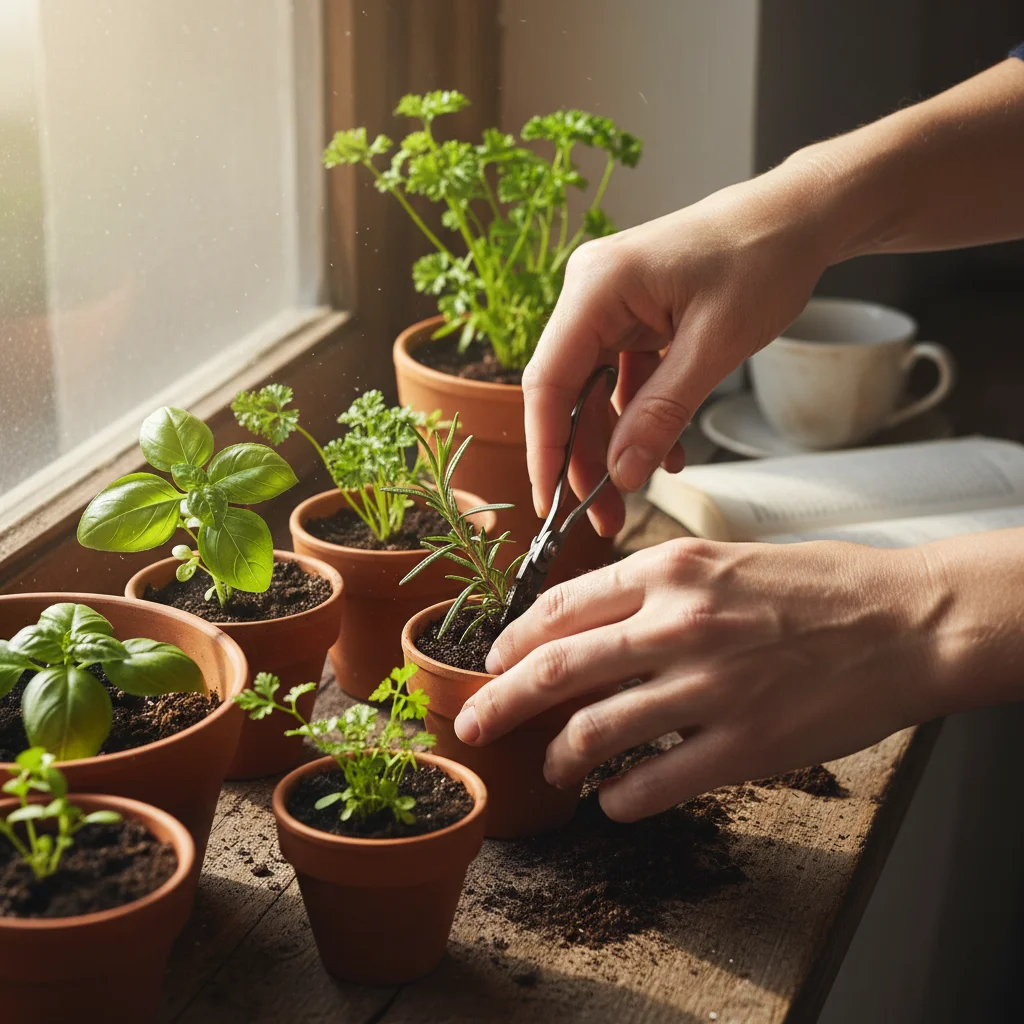
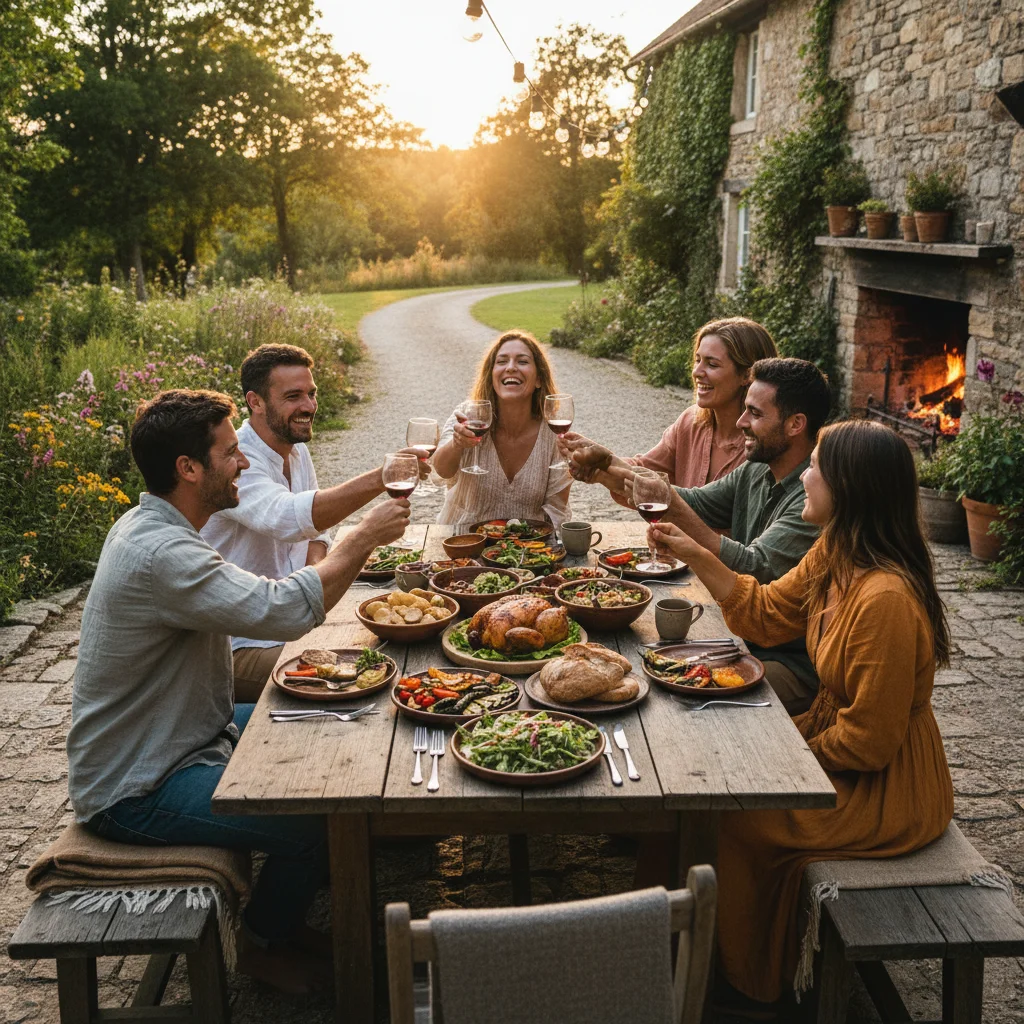
Transform meal times into mindful experiences. Put away distractions like phones and TVs, and truly savor your food. Pay attention to the flavors, textures, and aromas. Eating slowly aids digestion and allows you to better appreciate the nourishment your body receives. Consider cooking more at home, experimenting with new recipes, and enjoying the process of preparing food.
Digital Detox and Boundary Setting
Regularly disconnect from digital devices. Set specific times for checking emails and social media, and try to have device-free zones in your home, especially during meals or before bedtime. Establish clear boundaries between work and personal life to prevent work from spilling into your downtime. This helps reduce digital fatigue and allows for more present engagement with your real-world environment.
Embracing Nature and Outdoors
Spend more time in nature. Whether it’s a walk in a local park, hiking in the mountains, or simply sitting in your backyard, connecting with the natural world can be incredibly grounding and stress-reducing. Nature offers a natural rhythm that contrasts with the artificial pace of urban life, providing a much-needed mental reset. Even a few minutes outdoors can make a difference.
Prioritizing Rest and Self-Care
Rest is not a luxury; it’s a necessity. Prioritize adequate sleep, and don’t feel guilty about taking breaks or saying no to commitments that will overextend you. Engage in activities that genuinely recharge you, whether it’s a hobby, a creative pursuit, or simply quiet contemplation. Self-care is a vital component of sustainable slow living.
The Impact of the Slow Living Movement on Society
The increasing prevalence of the slow living movement among Americans is poised to have broader societal implications, influencing everything from urban planning to economic models.
Shifting Consumer Behavior
As more people embrace intentionality, there’s a noticeable shift in consumer behavior. A preference for durable, ethically produced goods over disposable fast fashion and mass-produced items is emerging. This could lead to a greater demand for local artisans, sustainable brands, and products that offer longevity and meaning. Businesses that align with these values are likely to thrive.
Rethinking Work-Life Balance
The principles of slow living are challenging traditional notions of work-life balance. There’s a growing demand for flexible work arrangements, shorter workweeks, and a greater emphasis on employee well-being. Companies that recognize and adapt to this desire for a more balanced existence are likely to attract and retain talent. The focus is shifting from sheer hours worked to output and well-being.
Community and Local Engagement
Slow living often fosters a stronger sense of community. As individuals prioritize local connections and experiences, there’s a resurgence in interest in local markets, community events, and neighborhood initiatives. This can lead to more vibrant, cohesive communities where people feel a greater sense of belonging and mutual support. The re-emphasis on local interaction strengthens social fabric.
Design and Urban Planning
The aesthetics and functionality of slow living are influencing design and urban planning. There’s a growing appreciation for spaces that promote calm, connection, and sustainability – think walkable cities, green spaces, community gardens, and homes designed for comfort and longevity rather than just size. This could lead to more human-centric urban environments.
Challenges and Misconceptions of the Slow Living Movement
While the slow living movement offers numerous benefits, it’s not without its challenges and misconceptions. It’s important to address these to provide a balanced perspective.
Not About Laziness or Stagnation
A common misconception is that slow living equates to laziness or a lack of ambition. On the contrary, it’s about being more effective and intentional with one’s energy, focusing on what truly matters rather than being busy for the sake of it. It’s about purposeful action, not inaction. Slow living often leads to greater productivity in key areas by eliminating distractions.
Accessibility and Privilege
Critics sometimes point out that slow living can appear to be a privilege, more accessible to those who have financial stability and flexibility in their work lives. While certain aspects might be easier for some, the core principles of mindfulness, intentionality, and connection are universally applicable, regardless of socioeconomic status. It’s about adapting the philosophy to one’s individual circumstances.
Societal Pressure to Be Fast
Living slowly in a fast-paced world can be challenging. There’s often external pressure to keep up, to respond instantly, and to constantly strive for more. Adopting the slow living movement requires courage and a strong sense of self to resist these societal norms and carve out a different path. It’s an ongoing practice of setting boundaries and advocating for one’s own pace.
The Future of Deliberate Pacing: What’s Next for Slow Living?
The momentum behind the slow living movement suggests it’s more than just a passing fad. As more individuals experience the profound benefits of deliberate pacing, its influence is likely to deepen and expand.
Integration into Education and Healthcare
We may see slow living principles integrated into educational curricula, teaching children mindfulness and intentionality from a young age. In healthcare, it could play a greater role in preventative medicine, stress management programs, and promoting overall well-being. The focus on holistic health aligns perfectly with slow living tenets.
Technological Innovations Supporting Slow Living
Ironically, technology could also play a role in supporting slow living. Apps designed for digital detox, mindfulness, or tools that help manage and prioritize tasks efficiently could become more prevalent, helping individuals to reclaim their time and attention. The goal isn’t to reject technology entirely, but to use it mindfully and intentionally.
Global Adoption and Cultural Exchange
The slow living movement is not confined to the United States; it’s a global phenomenon. As different cultures embrace and adapt its principles, there will be a rich exchange of ideas and practices, leading to a more nuanced and diverse understanding of what it means to live slowly and intentionally. This global dialogue can enrich the movement as a whole.
Conclusion: Embracing a More Intentional Future
The rise of the slow living movement, with 10% of Americans embracing deliberate pacing by 2026, marks a significant cultural shift. It reflects a collective yearning for a life that is not just productive, but also purposeful, peaceful, and profoundly fulfilling. By prioritizing mindfulness, intentionality, connection, and simplicity, individuals are discovering a powerful antidote to the relentless demands of modern existence.
Embracing slow living is an ongoing journey, a conscious decision to design a life that aligns with one’s deepest values. It offers a pathway to reduced stress, enhanced well-being, and a deeper appreciation for the beauty and richness of everyday moments. As we navigate an increasingly complex world, the principles of the slow living movement provide a vital framework for creating a more balanced, meaningful, and sustainable future, one intentional step at a time.