6 Major Shifts in American Commutes: 2026 Outlook and Impact
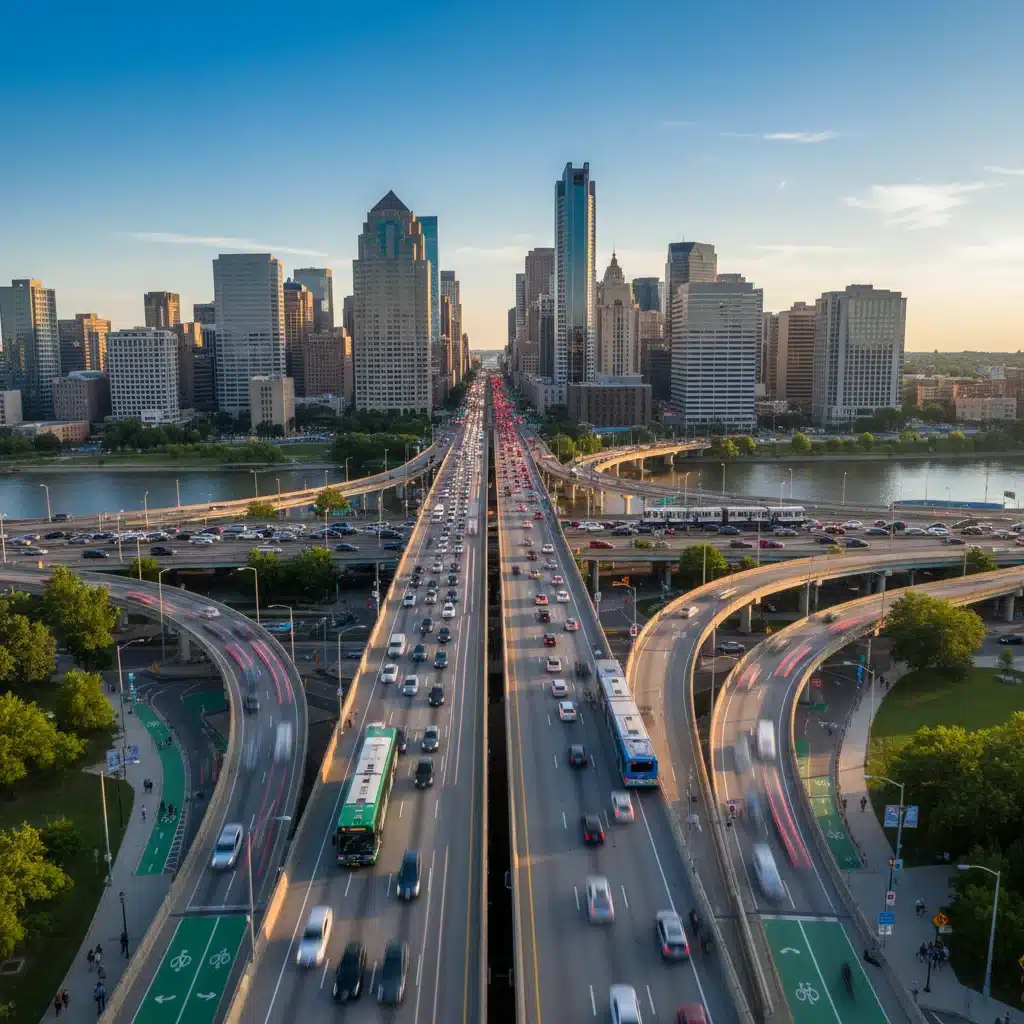
The daily commute, once a predictable rhythm of American life, has been irrevocably altered. From the rise of remote work to the increasing demand for sustainable transportation, the way Americans travel to and from their jobs is undergoing a monumental transformation. These changes are not just statistical anomalies; they represent fundamental shifts in urban planning, economic activity, and personal lifestyle choices. Understanding these American Commute Shifts is crucial for businesses, policymakers, and individuals alike as we look towards 2026 and beyond.
The COVID-19 pandemic acted as an unprecedented catalyst, accelerating trends that were already nascent and introducing entirely new paradigms. What started as a temporary measure for many has evolved into a permanent fixture for some, reshaping everything from traffic patterns to housing markets. This article will delve into the six biggest shifts currently impacting American daily commutes, providing recent updates and offering insights into their projected influence by the year 2026. We will explore how these dynamic changes are redefining our relationship with work, travel, and urban environments.
1. The Enduring Rise of Remote and Hybrid Work Models
Perhaps the most significant and widely discussed of the American Commute Shifts is the dramatic surge in remote and hybrid work models. Before 2020, working from home was a luxury enjoyed by a relatively small percentage of the workforce. Today, it’s a common reality for millions, fundamentally altering the need for a daily physical commute. Recent data consistently shows that a substantial portion of the American workforce continues to work remotely at least part of the week. Surveys from organizations like the Pew Research Center and Stanford University indicate that while fully remote work might be stabilizing, hybrid models—where employees split their time between home and office—are becoming the predominant arrangement for many companies.
This shift has profound implications. For individuals, it means greater flexibility, reduced commuting costs and time, and often an improved work-life balance. For employers, it presents opportunities for reduced office space overhead, access to a wider talent pool, and potentially increased employee satisfaction. However, it also introduces challenges related to team cohesion, company culture, and cybersecurity. By 2026, it’s highly probable that hybrid work will be the default for many office-based roles, leading to a permanent reduction in peak-hour traffic volumes in many urban centers. This doesn’t mean the death of the office, but rather its evolution into a hub for collaboration, client meetings, and social interaction, rather than a daily necessity for individual task work. The ‘five-day-a-week’ in-office commute is increasingly becoming a relic of the past for a significant segment of the professional workforce, driving major American Commute Shifts.
The long-term effects of this shift are still unfolding. We’re seeing changes in residential patterns, with some workers choosing to move further from traditional urban cores, leading to ripple effects on suburban and rural economies. The demand for flexible transportation options, even for those commuting only a few days a week, is also increasing. This includes everything from on-demand ride services to more robust public transit options that cater to non-traditional schedules. The reduced frequency of commute also means that when people do travel to the office, they might be more inclined to use public transport or carpooling, further impacting congestion and infrastructure needs. These dynamics are reshaping urban planning and transportation infrastructure investments, making this one of the most impactful American Commute Shifts.
2. The Acceleration of Electric Vehicle Adoption
Another monumental shift in American Commute Shifts is the rapid acceleration of electric vehicle (EV) adoption. Driven by environmental concerns, government incentives, and advancements in battery technology, EVs are no longer a niche market. Major automakers are investing billions into EV production, and charging infrastructure is steadily expanding across the nation. While still a minority of vehicles on the road, the growth rate of EV sales is exponential. This trend is set to profoundly impact daily commutes by 2026.
For commuters, EVs offer several advantages: lower fuel costs (especially with rising gasoline prices), reduced maintenance, and a quieter, smoother ride. The environmental benefits, such as reduced tailpipe emissions, are also a significant draw for many. As range anxiety diminishes with improved battery technology and a growing network of charging stations, more Americans are considering EVs for their daily travel. This shift will lead to a cleaner urban environment and less reliance on fossil fuels. However, it also presents challenges for the power grid and requires significant investment in public and workplace charging infrastructure.
By 2026, the presence of EVs on American roads will be substantially higher, influencing everything from urban planning (with a greater need for charging points in residential areas and workplaces) to the design of public parking facilities. The increasing adoption of electric vehicles is not just about personal cars; it also extends to public transportation and commercial fleets, further contributing to a cleaner and more efficient commuter landscape. This technological transition is a critical component of the broader American Commute Shifts, promising a future with less noise pollution and cleaner air in our cities.

3. Increased Focus on Sustainable and Active Transportation
Beyond EVs, there’s a growing emphasis on sustainable and active transportation methods as part of the evolving American Commute Shifts. This includes cycling, walking, and enhanced public transit usage. Urban planners and local governments are increasingly investing in dedicated bike lanes, pedestrian-friendly infrastructure, and more efficient public transportation networks. This focus is partly a response to environmental imperatives, but also a recognition of the health benefits of active commuting and the desire to reduce traffic congestion.
The pandemic, ironically, spurred an initial surge in cycling and walking as people sought outdoor activities and avoided crowded public spaces. While some of this subsided, the underlying momentum for active transport remains strong. Cities are realizing the economic and social benefits of making their downtowns more accessible by foot and bike. This means not just infrastructure improvements, but also policy changes that prioritize pedestrians and cyclists. The integration of micro-mobility options, such as electric scooters and shared bike programs, further supports this trend, offering convenient ‘last-mile’ solutions.
By 2026, we can expect to see more Americans opting for these modes, particularly for shorter commutes or as part of a multi-modal journey. This requires robust public transit systems that are reliable, affordable, and well-connected to active transport networks. The continued investment in these areas will be crucial for creating more livable, less car-dependent urban environments. This shift towards sustainable and active transportation is not just about getting from point A to point B; it’s about fostering healthier communities and reducing our collective carbon footprint, making it a key aspect of future American Commute Shifts.
4. The Evolution of Public Transportation and Micro-mobility
Public transportation systems, while facing challenges during the pandemic, are now undergoing significant transformations to adapt to the new realities of American Commute Shifts. With hybrid work schedules, the traditional peak-hour rush has become more dispersed, requiring transit agencies to rethink routes, schedules, and fare structures. The goal is to offer more flexible and on-demand services that cater to a wider range of commuting patterns.
Simultaneously, micro-mobility solutions like e-scooters, e-bikes, and shared bike programs are integrating more seamlessly into urban transportation ecosystems. These options provide crucial ‘first and last mile’ connections, bridging the gap between public transit stops and commuters’ homes or workplaces. The convenience and affordability of micro-mobility are making them increasingly popular, especially in dense urban areas. By 2026, we anticipate a more integrated public transportation landscape where traditional buses and trains work in tandem with these newer, agile options.
Investment in smart transit technologies, real-time tracking apps, and contactless payment systems will enhance the user experience, making public transport more attractive. Furthermore, some cities are experimenting with demand-response transit, where routes and schedules are adjusted based on real-time rider requests, offering a more personalized and efficient service. This evolution is vital for reducing reliance on single-occupancy vehicles and making urban travel more efficient and environmentally friendly, representing a crucial aspect of the ongoing American Commute Shifts. The focus is on creating a network of transportation options that are not only efficient but also adaptable to the dynamic needs of a modern workforce.
5. Increased Adoption of Ride-Sharing and On-Demand Services
The landscape of daily commutes is also being shaped by the sustained growth and evolution of ride-sharing and on-demand transportation services. Companies like Uber and Lyft have become fixtures in urban and suburban areas, offering flexible and convenient alternatives to personal car ownership or traditional taxis. As part of the broader American Commute Shifts, these services are adapting to consumer preferences, including offering more carpooling options and even integrating with public transit apps in some cities.
For many, particularly those with unpredictable schedules or living in areas with limited public transit, ride-sharing provides a viable solution. The convenience of requesting a ride with a few taps on a smartphone, coupled with the potential for cost savings compared to owning a second car, makes these services attractive. By 2026, we can expect these services to become even more sophisticated, potentially integrating with autonomous vehicle technology as it matures. This would further reduce operational costs and potentially expand accessibility.
The impact of ride-sharing on traffic congestion and urban planning is complex. While they offer convenience, a high volume of single-occupancy ride-share vehicles can contribute to congestion. However, the move towards pooled rides and the potential for integration with public transport as a feeder service could mitigate these issues. The industry is also exploring subscription models and partnerships with corporations to offer employee transportation benefits, further cementing their role in the future of commutes. This dynamic sector continues to play a significant role in the ongoing American Commute Shifts, offering both opportunities and challenges for urban mobility.
6. The Impact of Urban Planning and ’15-Minute City’ Concepts
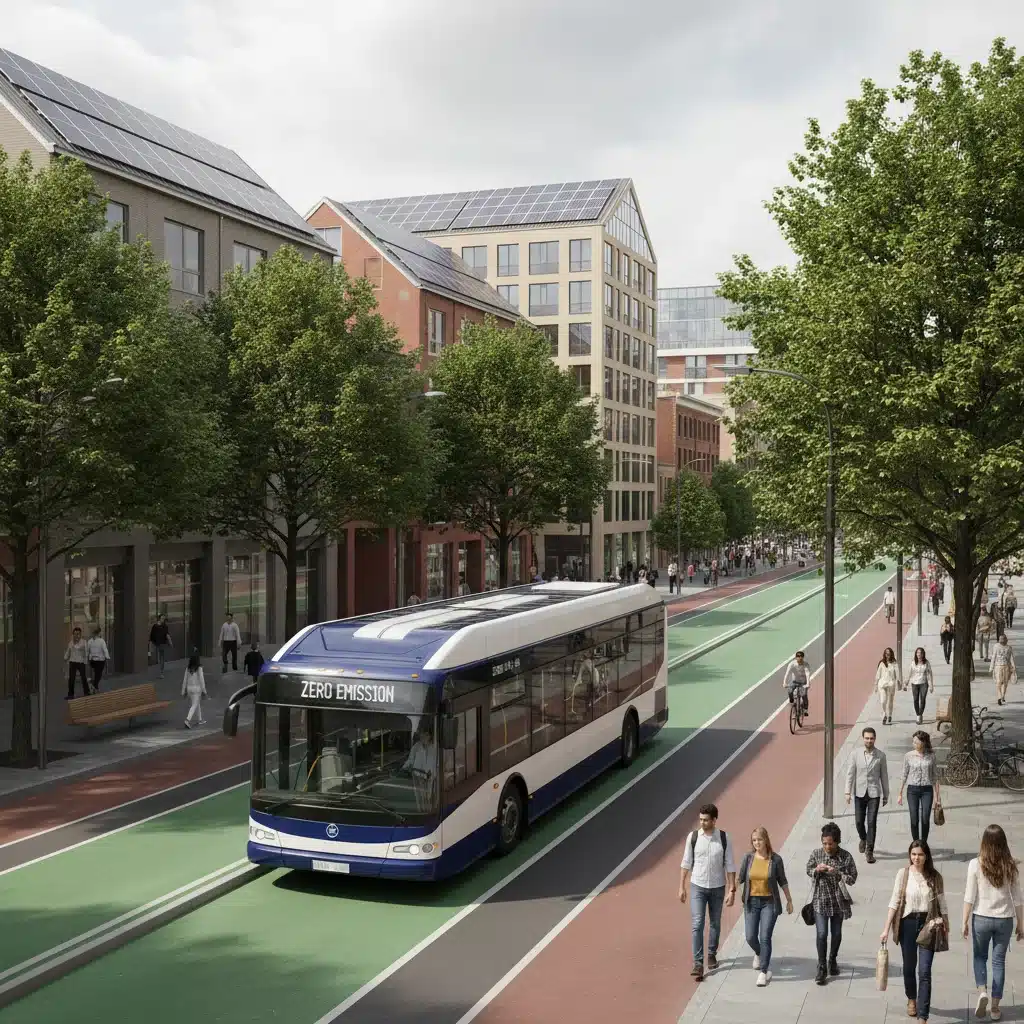
Finally, the long-term vision for how Americans commute is being heavily influenced by evolving urban planning philosophies, particularly the concept of the ’15-minute city.’ This urban design principle, gaining traction globally and increasingly in the US, aims to ensure that residents can access most of their daily needs—work, shopping, healthcare, education, and recreation—within a 15-minute walk or bike ride from their homes. This represents a fundamental rethinking of urban development and a major driver of future American Commute Shifts.
The implications for commuting are profound: if a significant portion of daily activities can be accomplished locally, the need for long-distance commutes, especially by car, dramatically decreases. This concept encourages mixed-use zoning, the creation of vibrant local centers, and substantial investment in pedestrian and cycling infrastructure. It also supports the decentralization of employment centers, moving away from the traditional model of a single, dominant downtown business district.
By 2026, while a full transformation into ’15-minute cities’ won’t be complete, many American municipalities are already incorporating elements of this philosophy into their master plans. This includes developing more walkable neighborhoods, revitalizing local commercial areas, and improving connectivity within districts. The goal is to reduce reliance on personal automobiles for short trips, thereby decreasing traffic congestion, improving air quality, and fostering stronger community ties. This visionary approach to urban living is set to redefine what a ‘commute’ even means for many Americans, marking one of the most transformative American Commute Shifts on the horizon.
The success of the 15-minute city concept hinges on effective public engagement, equitable development, and strategic infrastructure investment. It means creating housing options near job centers, ensuring access to green spaces, and providing robust local amenities. As more cities adopt these principles, we can anticipate a future where daily travel is less about long drives and more about convenient, active, and local journeys, significantly altering the fabric of daily life and further entrenching the new American Commute Shifts.
Conclusion: Navigating the New Commute Landscape
The six major American Commute Shifts discussed—the rise of remote/hybrid work, electric vehicle adoption, focus on sustainable transport, evolution of public transit and micro-mobility, increased ride-sharing, and the impact of urban planning—are collectively reshaping the very fabric of how Americans live and work. These are not isolated trends but interconnected forces that influence each other, creating a dynamic and complex transportation ecosystem. By 2026, the cumulative effect of these shifts will be palpable, leading to significant changes in traffic patterns, infrastructure demands, and personal travel habits.
For individuals, these changes offer both opportunities and challenges. Greater flexibility and diverse options can lead to improved quality of life, but navigating new transportation choices and adapting to evolving work models requires careful consideration. For businesses, understanding these shifts is critical for talent attraction and retention, real estate decisions, and ensuring employees can effectively collaborate. For policymakers and urban planners, the task is even more complex: designing cities and transportation systems that are resilient, equitable, sustainable, and capable of supporting these new patterns of movement.
The future of the American commute is not a return to the past, but a continuous evolution towards more flexible, sustainable, and technologically integrated solutions. As we move closer to 2026, continued innovation, thoughtful planning, and collaborative efforts will be essential to harness the benefits of these profound transformations and ensure a smoother, more efficient, and more enjoyable journey for all.