Hybrid Work Models: 15% Increase & 2026 Commute Shifts Explored
Understanding the 15% Increase in Hybrid Work Models: Recent Updates on Daily Commute Shifts in 2026
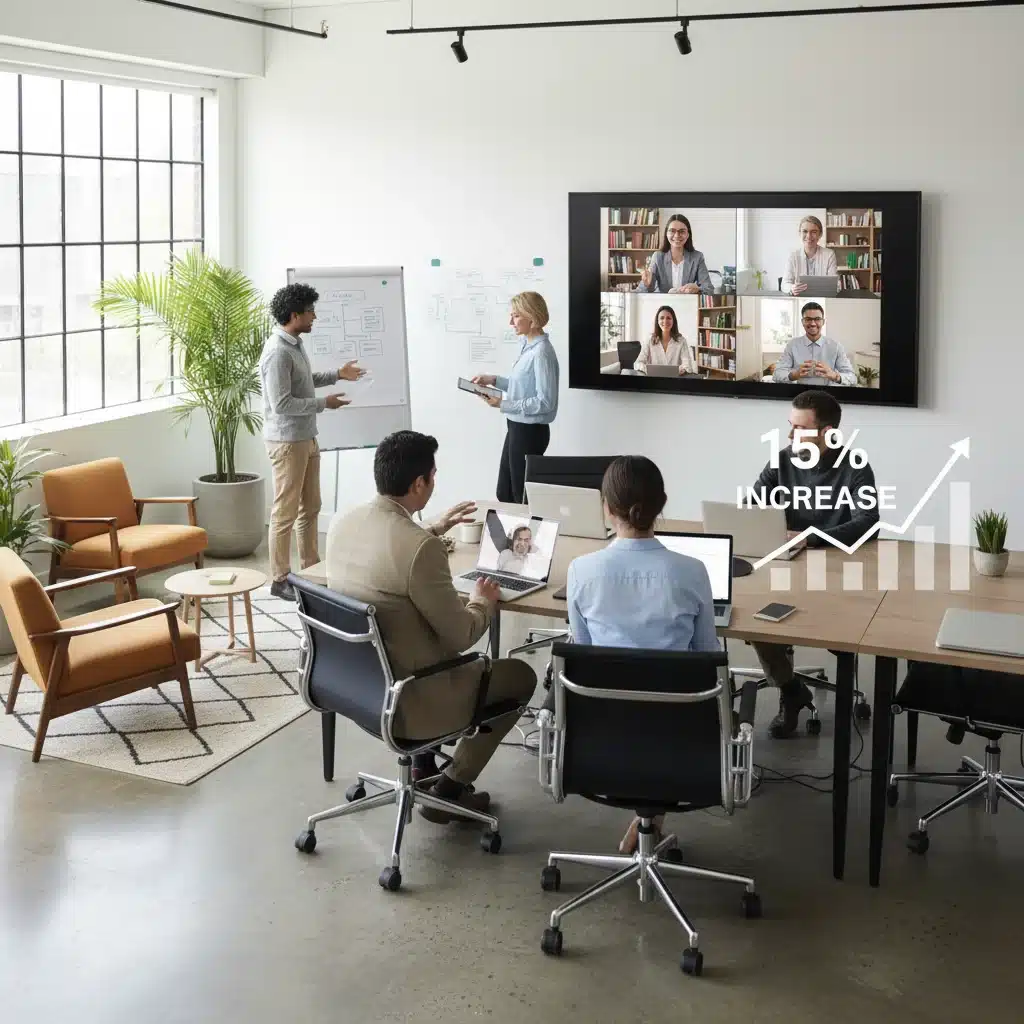
The global workforce is in the midst of a profound transformation, with hybrid work models emerging as a dominant force. Recent data indicates a significant 15% increase in the adoption of these flexible arrangements, fundamentally reshaping not just where and how we work, but also our daily lives, particularly our commutes. As we approach 2026, the implications of this surge in hybrid work trends are becoming clearer, pointing towards a future where traditional office-centric routines are increasingly a thing of the past. This article delves into the factors driving this remarkable growth, its multifaceted impacts on urban infrastructure, personal well-being, and corporate strategies, and what we can anticipate in the coming years.
The Rise of Hybrid Work: A 15% Surge Explained
The concept of hybrid work, a blend of in-office and remote work, isn’t entirely new, but its widespread adoption and the speed of its growth have been unprecedented. The 15% increase we’re observing isn’t merely a statistical blip; it represents a fundamental recalibration of employer-employee relationships and a recognition of the benefits of flexibility. Several key factors are fueling this acceleration:
Technological Advancements and Digital Infrastructure
The bedrock of effective hybrid work is robust technology. The rapid evolution of cloud computing, high-speed internet, and sophisticated collaboration tools has made it possible for teams to stay connected and productive regardless of their physical location. Video conferencing platforms, project management software, and secure remote access systems have become indispensable, dissolving geographical barriers and enabling seamless transitions between home and office environments. This technological maturity has significantly lowered the barriers to entry for companies considering hybrid work trends.
Employee Demand for Flexibility and Work-Life Balance
Perhaps the most significant driver behind the 15% increase is employee demand. The pandemic forced many to experience the benefits of working from home, including reduced commute times, greater personal autonomy, and improved work-life balance. Employees have grown accustomed to this flexibility and are increasingly prioritizing it when considering job opportunities. Companies that fail to offer hybrid options risk losing top talent to competitors who embrace these evolving expectations. This shift in employee priorities is a powerful force shaping the future of work.
Employer Benefits: Cost Savings and Wider Talent Pool
While employee satisfaction is paramount, employers also reap substantial benefits from hybrid models. Reduced office space requirements can lead to significant cost savings on rent, utilities, and maintenance. Furthermore, hybrid work allows companies to tap into a wider talent pool, no longer restricted by geographical proximity. This can lead to more diverse teams, specialized skill sets, and ultimately, a more competitive workforce. The strategic advantages for businesses adopting hybrid work trends are clear and compelling.
Evolving Corporate Culture and Trust
The success of hybrid work hinges on a culture of trust and empowerment. Companies are increasingly moving away from traditional micromanagement towards outcome-based performance evaluations. This shift fosters greater autonomy and accountability among employees, proving that productivity can thrive outside the confines of a traditional office. This evolving corporate mindset is a crucial enabler of the 15% increase in hybrid models.
Impact on Daily Commute Shifts in 2026
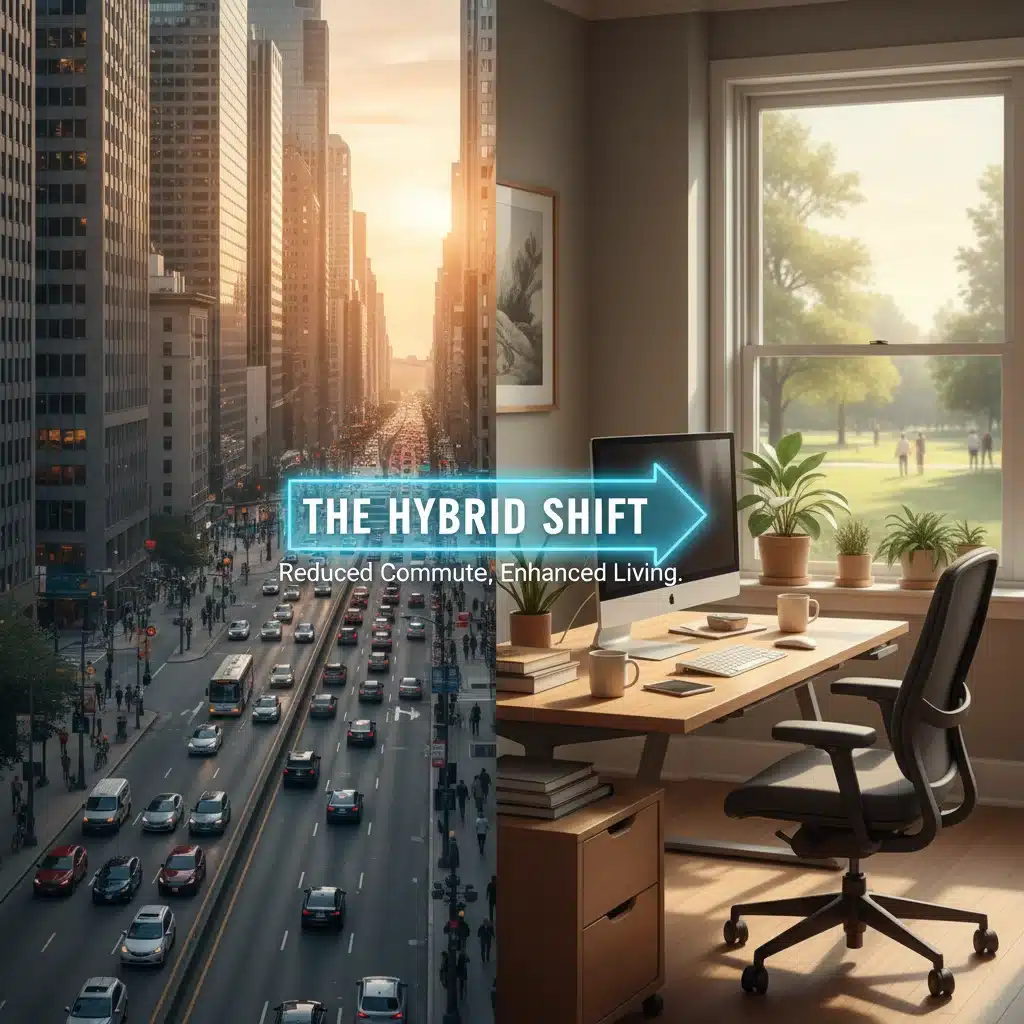
The most tangible and immediate impact of the 15% increase in hybrid work trends is on daily commute patterns. By 2026, we can expect to see a dramatically altered landscape:
Reduced Peak Hour Traffic and Congestion
With fewer people commuting to the office five days a week, peak hour traffic congestion is already showing signs of reduction in many urban centers. This trend is projected to intensify by 2026. While some days might still see higher traffic volumes (e.g., designated in-office days), the overall daily strain on road networks and public transport systems will likely decrease. This reduction has positive implications for air quality and commuter stress levels.
Changes in Public Transportation Usage
Public transportation systems, traditionally reliant on daily commuters, are adapting to new usage patterns. We may see a shift from monthly passes to more flexible ticketing options, catering to individuals who only commute a few days a week. Service schedules might also be adjusted to reflect reduced demand during traditional rush hours and potentially increased demand during off-peak times or for leisure travel. This requires significant strategic planning from urban transit authorities.
Increased Use of Active Transportation
With shorter, less frequent commutes, more individuals are likely to opt for active transportation methods such as cycling and walking on their in-office days. This not only promotes physical health but also contributes to reduced carbon emissions. Urban planners are responding by investing in better cycling infrastructure and pedestrian-friendly pathways. The growth of hybrid work trends directly contributes to a greener commute.
Decentralization of Commute Patterns
Instead of a concentrated flow of commuters into central business districts, hybrid work fosters a more decentralized commute pattern. People might commute to co-working spaces closer to home, or to satellite offices, distributing traffic more evenly across urban areas. This decentralization could alleviate pressure on specific transportation hubs and lead to more localized economic activity.
Broader Societal and Economic Implications by 2026
The 15% increase in hybrid work trends extends its influence far beyond individual commutes, impacting various facets of society and the economy:
Urban Planning and Real Estate Transformation
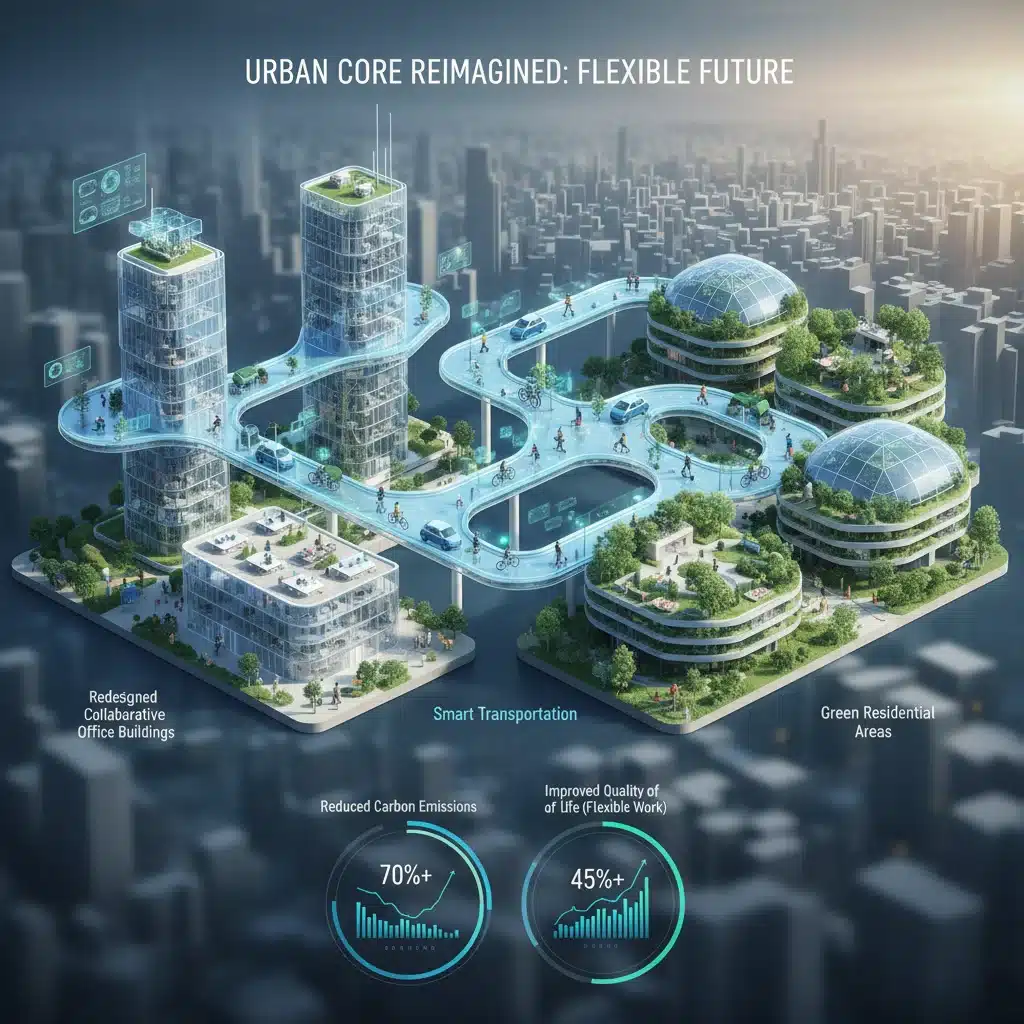
Cities are being forced to rethink their infrastructure. Commercial real estate markets are seeing a decrease in demand for large, traditional office spaces, while demand for flexible co-working spaces and smaller, distributed offices is on the rise. Residential areas further from city centers are becoming more attractive, potentially leading to urban sprawl or the revitalization of suburban communities. Urban planners are grappling with how to repurpose vacant office buildings and design cities that cater to a more flexible workforce. This transformation is a direct consequence of shifting commute patterns and work models.
Environmental Benefits
Fewer daily commutes translate to a significant reduction in carbon emissions and improved air quality. This environmental dividend is a powerful, positive side effect of the widespread adoption of hybrid work. Companies are also finding it easier to meet their sustainability goals by reducing their carbon footprint associated with employee travel. The long-term environmental impact of these hybrid work trends could be substantial.
Impact on Local Economies
The shift in commute patterns also reconfigures local economies. While central business districts might experience a decline in lunchtime crowds and after-work patronage, suburban and residential areas could see a boost in local businesses, as people spend more time and money closer to home. This requires businesses to adapt their strategies and locations to cater to these new consumer behaviors. Understanding these economic ripples is crucial for future business planning.
Mental Health and Well-being
The reduction in stressful daily commutes can significantly improve mental health and overall well-being for employees. More personal time, reduced exposure to traffic, and greater autonomy over one’s schedule contribute to lower stress levels and increased job satisfaction. Companies that prioritize flexible arrangements are often seeing a more engaged and healthier workforce. This human-centric benefit is a major reason for the continued growth of hybrid work trends.
Challenges and Solutions in Navigating Hybrid Work by 2026
Despite the numerous benefits, the 15% increase in hybrid work models also presents its own set of challenges that need proactive solutions:
Maintaining Company Culture and Connection
One of the biggest hurdles is maintaining a strong company culture and fostering a sense of belonging among a distributed workforce. Companies are investing in virtual team-building activities, regular in-person retreats, and intentional office days to ensure employees feel connected and aligned with organizational goals. Creating a ‘culture of intentionality’ is key to overcoming this challenge.
Ensuring Equitable Experiences
It’s crucial to ensure that both in-office and remote employees have equitable access to opportunities, resources, and career advancement. This involves careful planning around meeting formats, communication protocols, and performance management. Avoiding a ‘two-tier’ system where remote employees feel disadvantaged is a priority for companies embracing hybrid work trends.
Cybersecurity and Data Protection
With employees accessing company networks from various locations, cybersecurity risks increase. Robust security protocols, employee training, and the implementation of advanced security software are essential to protect sensitive data and maintain operational integrity. This is a non-negotiable aspect of any successful hybrid model.
Managerial Training and Leadership Adaptation
Managers need to be equipped with new skills to effectively lead hybrid teams. This includes training in remote team management, fostering psychological safety, conducting effective virtual meetings, and evaluating performance based on outcomes rather than presence. Leadership adaptation is critical for the sustained success of hybrid work trends.
The Future Outlook: Beyond 2026 for Hybrid Work
The 15% increase in hybrid work models is not merely a temporary adjustment; it signals a fundamental and enduring shift in the way we perceive and execute work. Looking beyond 2026, we can anticipate further evolution:
Further Integration of AI and Automation
Artificial intelligence and automation will play an even greater role in optimizing hybrid work arrangements. From intelligent scheduling tools that coordinate in-office days to AI-powered assistants that enhance remote collaboration, technology will continue to streamline operations and improve efficiency in hybrid environments. This will make hybrid work trends even more seamless.
Flexible Office Spaces and Ecosystems
The concept of the ‘office’ will continue to evolve, becoming less of a fixed destination and more of a flexible resource. Companies might utilize a network of smaller, specialized hubs, co-working spaces, and even pop-up offices, tailored to specific team needs. The focus will shift from individual desks to collaborative zones and social spaces designed to foster connection and innovation.
Emphasis on Employee Well-being and Mental Health
As hybrid work becomes the norm, companies will place an even stronger emphasis on employee well-being and mental health support. This includes offering resources for remote employees to prevent burnout, promoting digital detoxes, and ensuring that work-life boundaries are respected. A healthy workforce is a productive workforce, regardless of location.
Policy and Regulatory Adaptations
Governments and regulatory bodies will continue to adapt policies related to hybrid work, addressing issues such as taxation for remote employees, labor laws across different jurisdictions, and data privacy regulations. These adaptations will provide a clearer framework for businesses operating with distributed teams, solidifying the place of hybrid work trends in the global economy.
Conclusion
The 15% increase in hybrid work trends represents a pivotal moment in the history of work. By 2026, the traditional daily commute will have undergone significant transformation, giving way to more flexible, sustainable, and employee-centric patterns. This shift is driven by technological innovation, evolving employee expectations, and strategic benefits for businesses. While challenges remain, proactive solutions and a commitment to adaptability will ensure that hybrid work continues to thrive, shaping not just our professional lives but also the very fabric of our urban environments and societal interactions. The future of work is undeniably flexible, and understanding these trends is crucial for individuals, businesses, and policymakers alike to navigate the evolving landscape successfully.