The 2026 Evolution of Home Cooking: 5 Recent Updates Transforming Our Kitchen Routines

The kitchen, once a bastion of tradition and manual labor, has undergone a remarkable metamorphosis. In 2026, the concept of home cooking is no longer confined to mere sustenance; it’s an intricate dance between innovation, health, and sustainability. The continuous home cooking evolution is reshaping how we approach meal preparation, ingredient sourcing, and even our relationship with food. This article will delve into five significant recent updates that are fundamentally transforming our kitchen routines, offering a glimpse into the future of culinary experiences within the comfort of our homes.
From the rise of intelligent appliances that anticipate our needs to the increasing emphasis on ethical food choices, each update reflects a broader societal shift towards efficiency, well-being, and environmental consciousness. Understanding these changes is crucial for anyone looking to optimize their kitchen, embrace new culinary techniques, and stay ahead in the dynamic world of home gastronomy. Let’s explore how these pivotal developments are making home cooking more accessible, enjoyable, and impactful than ever before.
1. The Rise of AI-Powered Smart Kitchen Appliances and Automation
The most prominent force driving the home cooking evolution is undoubtedly the integration of artificial intelligence and advanced automation into kitchen appliances. What was once the stuff of science fiction is now a tangible reality, with smart ovens, refrigerators, and even countertop devices becoming indispensable tools for the modern home chef. These intelligent gadgets are not just about convenience; they are revolutionizing the entire cooking process, from meal planning to execution.
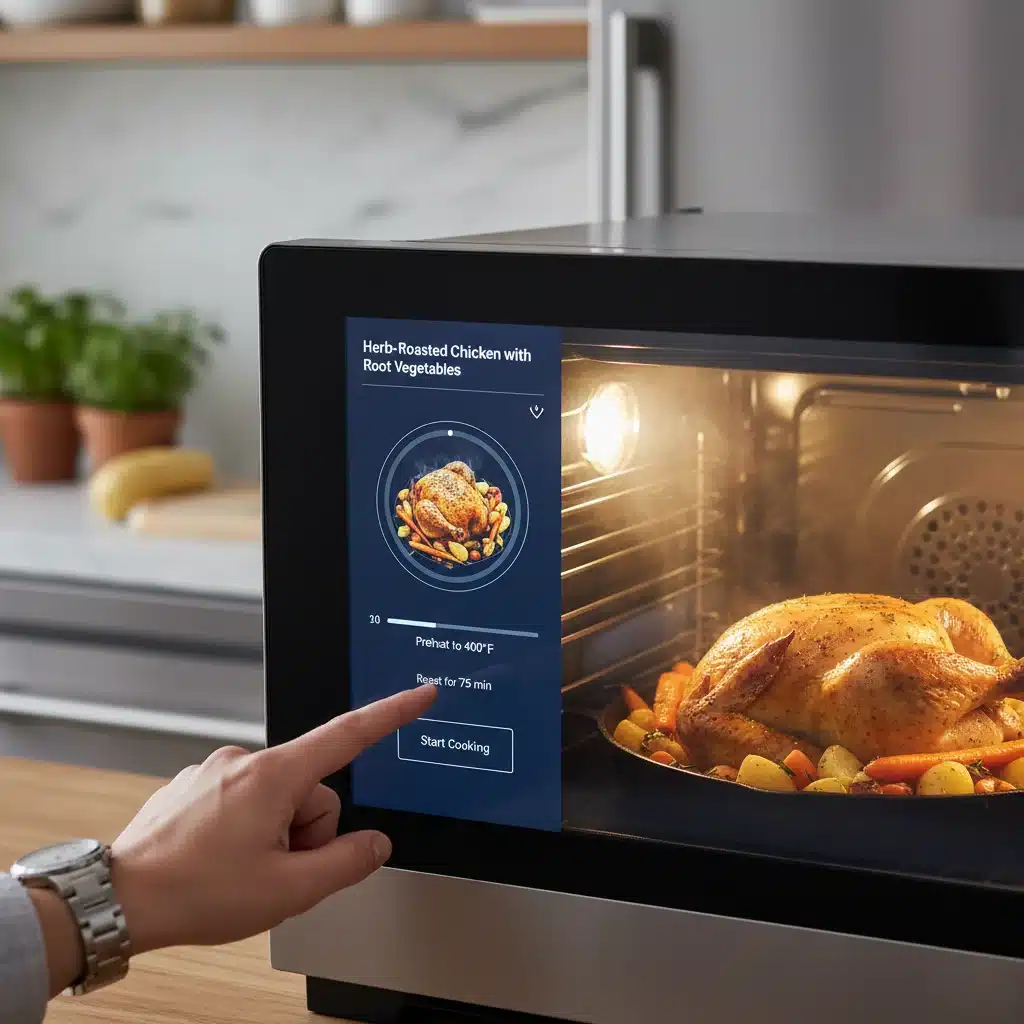
Smart ovens, for instance, are now equipped with AI algorithms that can identify the type of food placed inside, recommend optimal cooking times and temperatures, and even adjust settings autonomously to ensure perfect results. Imagine placing a chicken in the oven, and it automatically detects its weight and size, then suggests a roasting profile that guarantees a juicy interior and crispy skin. Some models even feature internal cameras and sensors that monitor the cooking progress in real-time, sending alerts to your smartphone when your meal is ready or if adjustments are needed. This level of precision and predictive capability significantly reduces the guesswork and potential for culinary mishaps, making gourmet cooking accessible to even novice chefs.
Refrigerators have also become central hubs of kitchen intelligence. Beyond simply keeping food cold, they now boast features like internal cameras that allow you to check your inventory remotely, preventing unnecessary grocery purchases. AI-driven inventory management systems can track expiration dates, suggest recipes based on available ingredients, and even automatically generate grocery lists. Some advanced models can even identify when certain items are running low and place orders directly with your preferred online grocer, streamlining the entire food procurement process. This proactive approach to food management not only saves time but also helps to minimize food waste, a growing concern for environmentally conscious households.
Beyond major appliances, we’re seeing an influx of smart small appliances that bring automation to everyday tasks. Coffee makers that learn your preferred brewing schedule, blenders that adjust speed and duration based on ingredient consistency, and even smart scales that can calculate nutritional information in real-time are becoming commonplace. These devices often integrate seamlessly with voice assistants like Alexa or Google Assistant, allowing for hands-free operation and a more fluid cooking experience. The interconnectedness of these devices creates a truly smart kitchen ecosystem, where every component works in harmony to simplify and enhance the act of cooking. This comprehensive automation is a cornerstone of the ongoing home cooking evolution, empowering individuals to create restaurant-quality meals with unprecedented ease and efficiency.
2. Hyper-Personalized Nutrition and Dietary Customization
Another significant update in the home cooking evolution is the profound shift towards hyper-personalized nutrition and dietary customization. Gone are the days of one-size-fits-all meal plans. Thanks to advancements in wearable technology, genetic testing, and sophisticated dietary tracking apps, individuals now have an unprecedented understanding of their unique nutritional needs, allergies, and preferences. This data-driven approach is empowering home cooks to tailor their meals with pinpoint accuracy, optimizing for health, performance, and enjoyment.
Wearable devices, such as smartwatches and fitness trackers, continuously monitor various biometric data points, including activity levels, sleep patterns, and even stress levels. This information, when integrated with dietary apps, can provide personalized recommendations for caloric intake, macronutrient ratios, and specific nutrient needs. For example, if your tracker indicates a strenuous workout day, your meal planning app might suggest a protein-rich recovery meal. Conversely, on a less active day, it might recommend lighter, nutrient-dense options. This dynamic adjustment ensures that your meals are always aligned with your body’s current demands.
Genetic testing kits have also played a pivotal role in this personalization trend. By analyzing an individual’s DNA, these tests can reveal predispositions to certain food sensitivities, metabolic rates, and even optimal nutrient absorption profiles. Armed with this genetic blueprint, home cooks can make informed decisions about which ingredients to prioritize and which to avoid, moving beyond general dietary guidelines to a highly individualized approach. For someone with a genetic predisposition to gluten sensitivity, for instance, personalized recommendations might include a wider array of gluten-free grains and alternative flours, along with recipes specifically designed to accommodate this need.
Furthermore, the rise of AI-driven meal planning platforms has made dietary customization more accessible than ever. These platforms can ingest data from wearables, genetic tests, and user-inputted preferences (e.g., vegan, keto, low-carb, allergen-free) to generate highly personalized meal plans and recipe suggestions. They can even adapt to changes in your health goals or lifestyle, providing dynamic recommendations that evolve with you. This level of granular control over our diets not only promotes better health outcomes but also makes cooking a more engaging and empowering experience. The emphasis on individual well-being and tailored nutrition is a defining characteristic of the modern home cooking evolution, shifting the focus from generic eating to truly bespoke dietary practices.
3. The Mainstreaming of Sustainable and Ethical Sourcing Practices
The third major update transforming home cooking is the widespread adoption and mainstreaming of sustainable and ethical sourcing practices. Consumers are increasingly conscious of the environmental and social impact of their food choices, leading to a significant demand for ingredients that are produced responsibly. This shift is fundamentally altering how we shop for groceries and what we prioritize in our kitchens, marking a crucial phase in the home cooking evolution.
One of the most visible aspects of this trend is the surge in popularity of locally sourced produce. Farmers’ markets, community-supported agriculture (CSA) programs, and direct-from-farm delivery services are experiencing unprecedented growth. By purchasing food grown locally, consumers reduce their carbon footprint associated with transportation, support local economies, and often gain access to fresher, more nutrient-dense ingredients. The emphasis on seasonal eating has also returned, with home cooks planning their meals around what’s available and at its peak freshness, leading to more flavorful and sustainable dishes.
Beyond local, there’s a growing awareness of broader ethical considerations. Fair trade certifications for products like coffee, chocolate, and spices ensure that producers in developing countries receive fair wages and work in safe conditions. Similarly, certifications for animal welfare (e.g., pasture-raised, organic, free-range) are becoming key differentiators for meat, poultry, and dairy products. Consumers are actively seeking out brands and suppliers that prioritize humane treatment of animals and environmentally sound farming practices. This demand is pushing mainstream supermarkets to expand their offerings of ethically sourced products, making them more accessible to the average home cook.
Moreover, the battle against food waste has become a central theme in sustainable home cooking. Innovations like ‘ugly produce’ delivery services, which salvage fruits and vegetables that don’t meet aesthetic supermarket standards, are gaining traction. Home cooks are also embracing techniques for maximizing ingredient use, such as making broths from vegetable scraps or finding creative ways to repurpose leftovers. Smart refrigerators that track inventory and expiration dates, as mentioned earlier, also play a vital role in this effort. The collective consciousness around sustainability is not just changing what we buy, but also how we think about and utilize every ingredient in our kitchen, making it an integral part of the modern home cooking evolution.
4. The Proliferation of Advanced Meal Kit Services and Prepared Meal Solutions
The fourth transformative update in the home cooking evolution is the continued proliferation and sophistication of meal kit services and prepared meal solutions. While these services have existed for some time, 2026 sees them reaching new heights of customization, convenience, and dietary specificity, catering to an ever-broader range of consumer needs and preferences. They are bridging the gap between dining out and cooking from scratch, offering a flexible and appealing alternative for busy individuals and families.
Traditional meal kits, which deliver pre-portioned ingredients and recipe cards, have evolved considerably. Many now offer highly personalized options, allowing subscribers to filter by dietary restrictions (e.g., gluten-free, dairy-free, vegan, diabetic-friendly), cuisine preferences, and even cooking skill levels. Some services have integrated with smart kitchen appliances, where the recipe instructions can be directly sent to an oven or cooktop, streamlining the cooking process even further. This level of integration makes the experience seamless and reduces the mental load of meal planning and grocery shopping, a major draw for those with demanding schedules.
Beyond meal kits that require cooking, there’s been an explosion in the popularity of fully prepared meal solutions. These services deliver ready-to-eat meals that simply need to be reheated, offering ultimate convenience without compromising on quality or nutritional value. Many prepared meal companies now employ professional chefs and nutritionists to develop menus that are both delicious and nutritionally balanced, often using high-quality, sustainably sourced ingredients. This caters to individuals who desire healthy, home-cooked-style meals but lack the time or inclination to cook daily. The variety has expanded dramatically, from gourmet single-serving meals to family-sized portions and even specialized options for athletes or those with specific health conditions.
Furthermore, the subscription models for these services have become incredibly flexible, allowing users to pause, skip, or change their delivery frequency with ease. This adaptability reflects a consumer base that values convenience and control. These services are not just about saving time; they also introduce home cooks to new ingredients, flavors, and cooking techniques they might not otherwise explore, fostering culinary creativity. The accessibility and diversity of meal kits and prepared meal solutions are undeniably playing a crucial role in shaping the modern home cooking evolution, making healthy and diverse eating more attainable for everyone.
5. The Emergence of Hyper-Local and Community-Driven Food Networks
The fifth significant update in the home cooking evolution is the powerful resurgence and innovative development of hyper-local and community-driven food networks. While the previous points focused on technology and convenience, this trend emphasizes a return to community, transparency, and direct connections between consumers and producers. It represents a grassroots movement that complements the broader push for sustainability and ethical consumption, fostering a more resilient and localized food system.
One key aspect is the growth of micro-farms and urban agriculture. With increasing interest in fresh, local produce, more individuals and communities are cultivating small plots of land, rooftops, and even vertical indoor farms to grow their own food. This hyper-local approach not only provides ultra-fresh ingredients but also reduces transportation costs and environmental impact to near zero. Excess produce is often shared or sold within the immediate neighborhood through informal networks, pop-up markets, or dedicated online platforms, creating a vibrant exchange of goods.
Community-Supported Agriculture (CSA) models have also evolved, becoming more flexible and diverse. Beyond traditional weekly produce boxes, some CSAs now offer shares in locally raised meats, eggs, dairy, and even artisanal baked goods. Many are integrating technology, allowing members to customize their shares online, choose specific items, or even trade unwanted items with other members. This enhanced flexibility makes CSAs more appealing to a wider audience, strengthening the direct link between consumers and the farmers who grow their food.
Moreover, digital platforms are facilitating the creation of new community food networks. Apps and websites are emerging that connect neighbors who grow their own produce, bake homemade goods, or even have excess pantry items to share or sell. These platforms foster a sense of community, reduce food waste, and provide access to unique, homemade products that wouldn’t be available through traditional retail channels. Imagine a neighbor sharing their surplus of homegrown tomatoes or offering homemade sourdough bread through a local food-sharing app. This direct peer-to-peer exchange of food is building stronger local economies and fostering a deeper appreciation for the effort that goes into food production. This emphasis on local, direct, and community-centric food systems is a powerful and increasingly influential component of the home cooking evolution, reconnecting us with the origins of our meals.

The Future is Now: Embracing the Evolving Kitchen
The home cooking evolution in 2026 is a multifaceted phenomenon, driven by technological innovation, a renewed focus on health, and a collective commitment to sustainability. The five updates discussed – AI-powered smart appliances, hyper-personalized nutrition, sustainable sourcing, advanced meal kit services, and hyper-local food networks – are not isolated trends but rather interconnected elements shaping a more efficient, ethical, and enjoyable culinary landscape. These changes offer unprecedented opportunities for home cooks to experiment, optimize their diets, and connect more deeply with their food and communities.
As we look ahead, the kitchen will continue to be a dynamic space, constantly adapting to new technologies and evolving societal values. Embracing these updates means not only adopting new gadgets but also cultivating a mindset of curiosity and adaptability. It means leveraging data to make informed dietary choices, supporting sustainable practices, and engaging with local food systems. The future of home cooking is bright, promising a world where preparing meals is not just a chore but a fulfilling, personalized, and impactful experience for everyone. The journey of the home cooking evolution is far from over, and its next chapters promise even more exciting innovations.