Sustainable Living Trends 2026: US Consumers Embrace Eco-Choices
The global conversation around sustainability has intensified dramatically over the past decade, moving from niche concern to mainstream imperative. As we approach 2026, this shift is more evident than ever, particularly within the United States. Recent reports and market analyses indicate a powerful surge in sustainable living trends, with a remarkable 30% of U.S. consumers now actively prioritizing eco-conscious choices in their daily lives. This isn’t just a fleeting fad; it’s a fundamental recalibration of values, driven by growing environmental awareness, ethical considerations, and a desire for a more sustainable future. This comprehensive article delves into the multifaceted aspects of these sustainable living trends, exploring their origins, impact, and what they mean for individuals, businesses, and the planet.
The rise of the eco-conscious consumer is a game-changer. For years, sustainability was often seen as a premium, an added luxury. Today, it’s becoming a baseline expectation. Consumers are increasingly informed, empowered by digital access to information, and vocal about their demands for transparency, ethical sourcing, and environmental responsibility from the brands they support. This shift is not confined to a single demographic; it spans generations, income levels, and geographical regions, creating a powerful collective force that is reshaping markets and driving innovation.
Understanding these sustainable living trends is crucial for anyone looking to navigate the evolving consumer landscape. From the food we eat to the clothes we wear, the energy we consume, and the products we buy, every aspect of modern life is being re-evaluated through a sustainability lens. This article will break down the key drivers behind this movement, highlight the most prominent trends, and offer insights into how individuals and businesses can adapt and thrive in this new eco-conscious era.
The Driving Forces Behind Sustainable Living Trends
Several interconnected factors are fueling the acceleration of sustainable living trends. These forces are creating a perfect storm, pushing sustainability to the forefront of consumer consciousness and corporate strategy.
Increased Environmental Awareness and Climate Change Concerns
The undeniable reality of climate change and its visible impacts – extreme weather events, rising sea levels, and biodiversity loss – has significantly heightened public awareness. Scientific consensus, coupled with widespread media coverage and personal experiences, has made environmental issues impossible to ignore. Consumers are no longer abstractly aware of environmental problems; they are experiencing them, leading to a profound desire for action and a willingness to change their own behaviors.
Ethical Consumerism and Social Responsibility
Beyond environmental concerns, ethical considerations play a pivotal role. Consumers are increasingly scrutinizing the entire lifecycle of products, from raw material extraction to labor practices, manufacturing processes, and end-of-life disposal. Questions about fair wages, safe working conditions, animal welfare, and community impact are influencing purchasing decisions. This holistic approach to ethical consumerism means that a product can’t just be ‘green’; it must also be ‘good’ in a broader social sense.
Technological Advancements and Accessibility
Innovation is making sustainable choices more accessible and affordable. Developments in renewable energy, electric vehicles, sustainable materials, and circular economy models are providing viable, attractive alternatives to traditional, resource-intensive options. Apps that track carbon footprints, platforms that facilitate product sharing and repair, and smart home devices that optimize energy consumption are empowering consumers to make sustainable choices with greater ease.
Government Policies and Corporate Commitments
While consumer demand is a powerful driver, supportive government policies and increasing corporate commitments are also essential. Regulations around emissions, waste management, and sustainable sourcing are setting new standards. Simultaneously, a growing number of companies are voluntarily adopting ambitious sustainability goals, not just for PR, but because they recognize the long-term business benefits, including brand loyalty, risk mitigation, and operational efficiency. This creates a positive feedback loop, where consumer demand encourages corporate action, which in turn makes sustainable options more prevalent.
Key Sustainable Living Trends Dominating 2026
The 30% of U.S. consumers prioritizing eco-conscious choices are manifesting their values across various aspects of their lives. Here are some of the most prominent sustainable living trends we are seeing and will continue to see through 2026:
1. Circular Economy Principles: Reduce, Reuse, Recycle, Repair
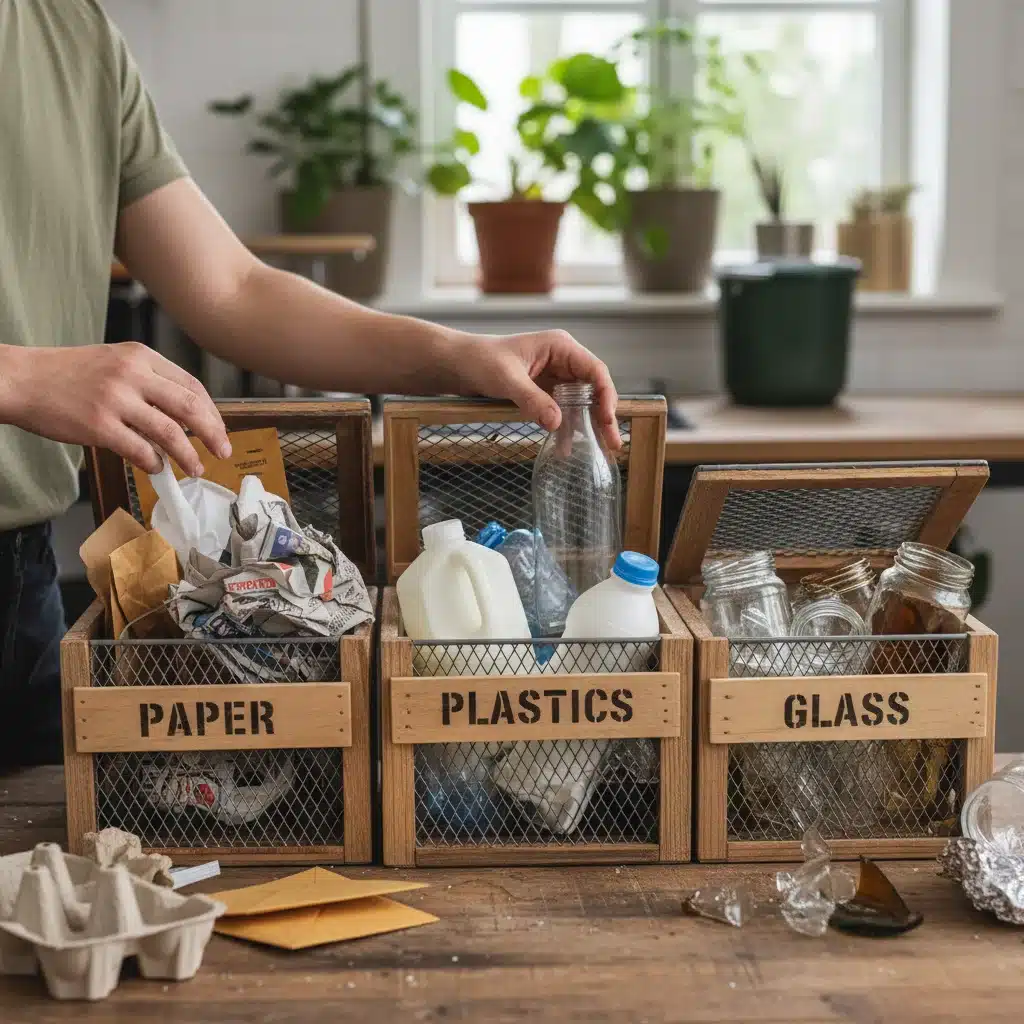
The linear ‘take-make-dispose’ model is rapidly being replaced by circular economy principles. This trend emphasizes minimizing waste and maximizing resource utility. Consumers are actively seeking products designed for longevity, repairability, and recyclability. This includes a growing interest in:
- Second-hand and Rental Markets: The boom in resale platforms for fashion, electronics, and even furniture underscores a desire to extend product lifecycles and reduce consumption of new items. Rental services for everything from tools to high-end apparel are also gaining traction.
- Repair Culture: There’s a resurgence of interest in repairing items rather than replacing them. This is supported by brands offering repair services, availability of spare parts, and community repair workshops.
- Upcycling and DIY: Creative reuse of materials and objects to create new products or give them a new purpose is a popular way to reduce waste and express personal style.
2. Sustainable Food Systems: From Farm to Fork
What we eat has a significant environmental footprint, and consumers are becoming increasingly aware of this. Sustainable living trends in food include:
- Plant-Based Diets: The shift towards plant-based and flexitarian diets continues to accelerate, driven by concerns about animal welfare, health, and the environmental impact of meat production (e.g., greenhouse gas emissions, land use).
- Local and Seasonal Eating: Supporting local farmers reduces transportation emissions and often ensures fresher produce. Seasonal eating aligns with natural cycles and minimizes the need for energy-intensive greenhouses or long-distance shipping.
- Reduced Food Waste: Consumers are actively working to minimize food waste at home through meal planning, proper storage, and composting initiatives.
- Ethical Sourcing and Transparency: Demand for organic, fair trade, and sustainably farmed products is rising, with consumers wanting to know the origin and production methods of their food.
3. Green Energy and Smart Home Solutions
The home is a significant area where sustainable living trends are taking root. Energy consumption is a major focus:
- Renewable Energy Adoption: A growing number of homeowners are investing in solar panels and exploring other renewable energy sources.
- Energy Efficiency: Smart thermostats, LED lighting, and energy-efficient appliances are becoming standard. Consumers are actively seeking ways to reduce their household energy footprint.
- Water Conservation: Low-flow fixtures, rainwater harvesting systems, and drought-resistant landscaping are gaining popularity as water scarcity becomes a more pressing concern.

4. Eco-Friendly Transportation
The way people move around is also undergoing a sustainable transformation:
- Electric Vehicles (EVs): The adoption of EVs is skyrocketing, driven by technological advancements, increasing charging infrastructure, and government incentives.
- Public Transportation and Active Commuting: More people are opting for public transport, cycling, and walking, recognizing the environmental and health benefits.
- Sustainable Travel: When traveling, consumers are seeking out eco-friendly accommodations, carbon offsetting options, and responsible tourism operators.
5. Sustainable Fashion and Beauty
The fashion and beauty industries, historically known for their environmental impact, are facing increasing pressure to change:
- Slow Fashion: Moving away from fast fashion, consumers are investing in high-quality, durable garments made from sustainable materials (e.g., organic cotton, recycled polyester, hemp).
- Ethical Production: Demand for fair labor practices, safe working conditions, and transparency in supply chains is growing.
- Clean Beauty: Products free from harmful chemicals, cruelty-free, vegan, and packaged sustainably are highly sought after. Refillable packaging and solid formats (e.g., shampoo bars) are also on the rise.
6. Conscious Consumption and Minimalism
At the heart of many sustainable living trends is a philosophical shift towards consuming less and more thoughtfully. Minimalism, decluttering, and mindful purchasing are becoming increasingly popular. This involves:
- Prioritizing Needs Over Wants: A deliberate effort to distinguish between essential purchases and impulsive desires.
- Investing in Quality: Choosing durable, long-lasting products over cheap, disposable alternatives.
- Experiences Over Possessions: Valuing experiences, relationships, and personal growth over material accumulation.
The Impact on Businesses and Industries
The growing wave of sustainable living trends is fundamentally reshaping the business landscape. Companies that fail to adapt risk losing market share and brand relevance, while those that embrace sustainability are finding new opportunities for innovation, growth, and customer loyalty.
Demand for Transparency and Accountability
Consumers are no longer satisfied with vague ‘green’ claims. They demand transparency regarding sourcing, manufacturing processes, and environmental impact. Companies are responding by providing detailed product information, certification labels, and publicly available sustainability reports. Blockchain technology is even being explored to provide immutable records of supply chains.
Innovation in Sustainable Products and Services
The pressure to be sustainable is driving unprecedented innovation. This includes the development of new eco-friendly materials (e.g., mycelium, lab-grown leather), biodegradable packaging, energy-efficient technologies, and services that support circular economy models (e.g., product-as-a-service, repair networks). Businesses are realizing that sustainability can be a powerful catalyst for differentiation and competitive advantage.
Supply Chain Transformation
Achieving true sustainability requires a holistic approach that extends throughout the entire supply chain. Companies are working to reduce emissions, waste, and resource consumption at every stage, from raw material extraction to logistics and distribution. This often involves collaborating with suppliers, investing in greener technologies, and implementing robust ethical sourcing policies.
Brand Reputation and Customer Loyalty
For the 30% of U.S. consumers prioritizing eco-conscious choices, a brand’s sustainability credentials are a significant factor in their purchasing decisions. Companies with strong environmental and social responsibility records are building deeper trust and loyalty with these consumers. Conversely, brands perceived as environmentally irresponsible risk significant reputational damage and consumer backlash.
New Business Models and Partnerships
The shift towards sustainable living trends is also fostering the emergence of new business models, such as subscription services for reusable products, repair-focused enterprises, and platforms for sharing and swapping. Companies are also forming strategic partnerships with NGOs, research institutions, and even competitors to collectively address complex sustainability challenges and accelerate the transition to a greener economy.
Challenges and Opportunities in Adopting Sustainable Living
While the momentum behind sustainable living trends is strong, there are still challenges to overcome, alongside significant opportunities for positive change.
Challenges:
- Cost Perception: Sustainable products often carry a higher upfront cost, which can be a barrier for some consumers, despite potential long-term savings (e.g., energy-efficient appliances).
- Greenwashing: The proliferation of misleading environmental claims (greenwashing) by some companies erodes consumer trust and makes it difficult to identify genuinely sustainable options.
- Lack of Infrastructure: Inadequate recycling facilities, limited public transport options, or a dearth of charging stations for EVs can hinder widespread adoption of sustainable practices.
- Behavioral Change: Shifting ingrained habits and routines requires effort and education, which can be a slow process.
- Systemic Issues: Many environmental problems are systemic and require large-scale policy changes and international cooperation, which are beyond individual consumer control.
Opportunities:
- Innovation and Job Creation: The sustainable economy is a hotbed for innovation, leading to new technologies, industries, and green jobs.
- Improved Health and Well-being: Sustainable choices often lead to healthier lifestyles, from eating fresh, local food to spending more time outdoors and reducing exposure to toxins.
- Cost Savings: In the long run, many sustainable practices, such as energy efficiency, water conservation, and reducing waste, can lead to significant financial savings.
- Community Building: Sustainable initiatives often foster strong community ties, whether through local farmers’ markets, community gardens, or repair cafes.
- Positive Environmental Impact: Ultimately, the widespread adoption of sustainable living trends is crucial for mitigating climate change, preserving biodiversity, and ensuring a healthy planet for future generations.
The Future of Sustainable Living: Beyond 2026
The current surge in sustainable living trends is not an endpoint but a stepping stone. As we look beyond 2026, we can anticipate even deeper integration of sustainability into every facet of life. Artificial intelligence and big data will play a crucial role in optimizing resource use, tracking environmental impact, and personalizing sustainable recommendations for consumers. The concept of ‘regeneration’ will likely gain prominence, moving beyond simply minimizing harm to actively restoring ecosystems and communities.
Education will be key, empowering the next generation with the knowledge and tools to live sustainably from an early age. Policy frameworks will continue to evolve, creating a more enabling environment for sustainable choices and holding corporations accountable. The lines between sustainable and conventional products will blur, with sustainability becoming the default expectation rather than a niche offering.
The journey towards a truly sustainable future is ongoing, but the commitment of 30% of U.S. consumers to prioritize eco-conscious choices by 2026 is a powerful testament to the progress being made. This growing segment of the population is not just buying products; they are investing in values, demanding change, and actively shaping a more responsible and resilient world. Their choices send a clear message to businesses and policymakers alike: sustainability is no longer optional; it is essential.
Conclusion: Embracing the Eco-Conscious Revolution
The data is clear: sustainable living trends are not just gaining traction; they are becoming a fundamental aspect of consumer identity and market dynamics in the U.S. By 2026, a significant portion of the population will actively integrate eco-conscious decisions into their daily routines, influencing everything from their grocery lists to their investment portfolios. This movement represents a profound shift in societal values, driven by a collective understanding of our interconnectedness with the planet and a desire to build a more equitable and sustainable future.
For individuals, embracing these trends offers a pathway to a healthier, more mindful, and often more cost-effective lifestyle. It’s an opportunity to align personal actions with deeply held values, contributing to a larger movement for positive change. For businesses, it’s an urgent call to action – to innovate, to be transparent, and to embed sustainability at the core of their operations. Those that respond authentically and effectively will not only survive but thrive in this new era of conscious consumption.
The future is green, and the 30% of U.S. consumers leading the charge are paving the way. Their choices, amplified by growing awareness and technological advancements, are powerful catalysts for a systemic transformation towards a truly sustainable world. It’s an exciting time to be part of this eco-conscious revolution, and the insights gathered from these evolving sustainable living trends will continue to guide us towards a more responsible and resilient future for all.