The 2026 Shift: How 5 New Social Norms are Reshaping American Community Engagement (RECENT UPDATES)
The fabric of American society is in a constant state of evolution, and nowhere is this more evident than in the ways we connect, interact, and build our communities. As we hurtle towards 2026, a series of profound shifts in social norms are fundamentally reshaping what community engagement looks like. These aren’t just fleeting trends; they are deep-seated changes in our collective consciousness that dictate how individuals participate, contribute, and find belonging. Understanding these evolving community engagement trends is crucial for policymakers, community leaders, businesses, and indeed, every citizen hoping to foster stronger, more resilient communities.
For decades, community engagement often conjured images of town hall meetings, volunteer drives, or neighborhood watch programs. While these remain vital components, the digital revolution, combined with pressing global and local challenges, has catalyzed a re-evaluation of our communal responsibilities and opportunities. The COVID-19 pandemic, sociopolitical movements, and rapid technological advancements have accelerated many of these shifts, pulling forward changes that might have taken a decade into just a few short years. The result? A dynamic and often complex landscape where traditional methods mix with innovative approaches, all under the umbrella of new social expectations.
This article delves into five pivotal new social norms that are poised to redefine American community engagement by 2026. We will explore how these norms are influencing everything from local governance to individual acts of kindness, offering insights into their origins, their current manifestations, and their projected impact. By understanding these shifts, we can better prepare for the future, adapt our strategies, and ultimately, cultivate more vibrant and inclusive communities.
1. The Rise of Hyper-Local Digital Connection: Bridging the Virtual and the Vicinal
One of the most significant community engagement trends emerging is the hybridization of digital and local interactions. While the internet was once seen as a force pulling people away from their physical communities, we are now witnessing a powerful reversal: digital tools are increasingly being leveraged to facilitate and strengthen hyper-local connections. By 2026, this won’t be an anomaly but a deeply embedded social norm.
From Global Feeds to Neighborhood Forums
For years, social media platforms emphasized global connections, allowing individuals to interact with friends and interests across vast distances. However, a growing fatigue with endless scrolling and algorithm-driven content has led to a yearning for more tangible, immediate connections. This has fueled the rise of hyper-local digital platforms and groups – think Nextdoor, local Facebook groups, or community-specific apps. These platforms serve as digital town squares, enabling residents to share information about local events, ask for recommendations, organize mutual aid, and even address local issues collectively. The shift isn’t just about information sharing; it’s about fostering a sense of shared identity and immediate relevance.
Digital Tools for Real-World Action
The new norm dictates that digital interaction isn’t an end in itself but a means to an end: real-world community engagement. We see this in:
- Crowdfunding Local Projects: Residents use platforms to pool resources for neighborhood improvements, from playground renovations to community garden initiatives.
- Organizing Local Events: Digital channels are indispensable for promoting block parties, farmers’ markets, clean-up drives, and cultural festivals, ensuring broader participation.
- Rapid Response Networks: During crises, hyper-local digital groups become vital for coordinating aid, sharing critical information, and mobilizing volunteers swiftly.
- Civic Dialogue and Advocacy: Digital polls, online petitions, and virtual town halls allow for more inclusive and accessible participation in local governance, giving more voices a chance to be heard on issues directly affecting their neighborhoods.
This norm signifies a maturation of our relationship with technology. Instead of passively consuming content, individuals are actively using digital tools to enhance their physical community ties. By 2026, communities that effectively integrate these digital bridges will be more cohesive, responsive, and engaged, showcasing a powerful evolution in American community engagement.
2. The Resurgence of Localism and Self-Reliance: Building from Within
Amidst global uncertainties, a profound shift towards localism and self-reliance is gaining traction, becoming a defining social norm for community engagement. This isn’t isolationism, but rather a renewed focus on strengthening local economies, fostering local talent, and addressing local challenges with local solutions. This trend is deeply intertwined with a desire for greater control, sustainability, and a sense of rootedness.
Supporting Local Economies
The ‘buy local’ movement has been around for some time, but by 2026, it will transcend mere preference to become a deeply ingrained social expectation. Consumers are increasingly prioritizing businesses that are locally owned, ethically sourced, and contribute directly to the local economy. This extends beyond retail to services, food production (e.g., community-supported agriculture), and even local energy initiatives. The understanding is that supporting local businesses builds local wealth, creates local jobs, and fosters a unique community character that can’t be replicated by global chains.
Community-Led Solutions and Resilience
This norm also manifests in communities taking greater ownership of their challenges. Instead of relying solely on external aid or top-down government interventions, there’s a growing emphasis on community-led solutions for issues like food insecurity, environmental sustainability, and local infrastructure. Examples include:
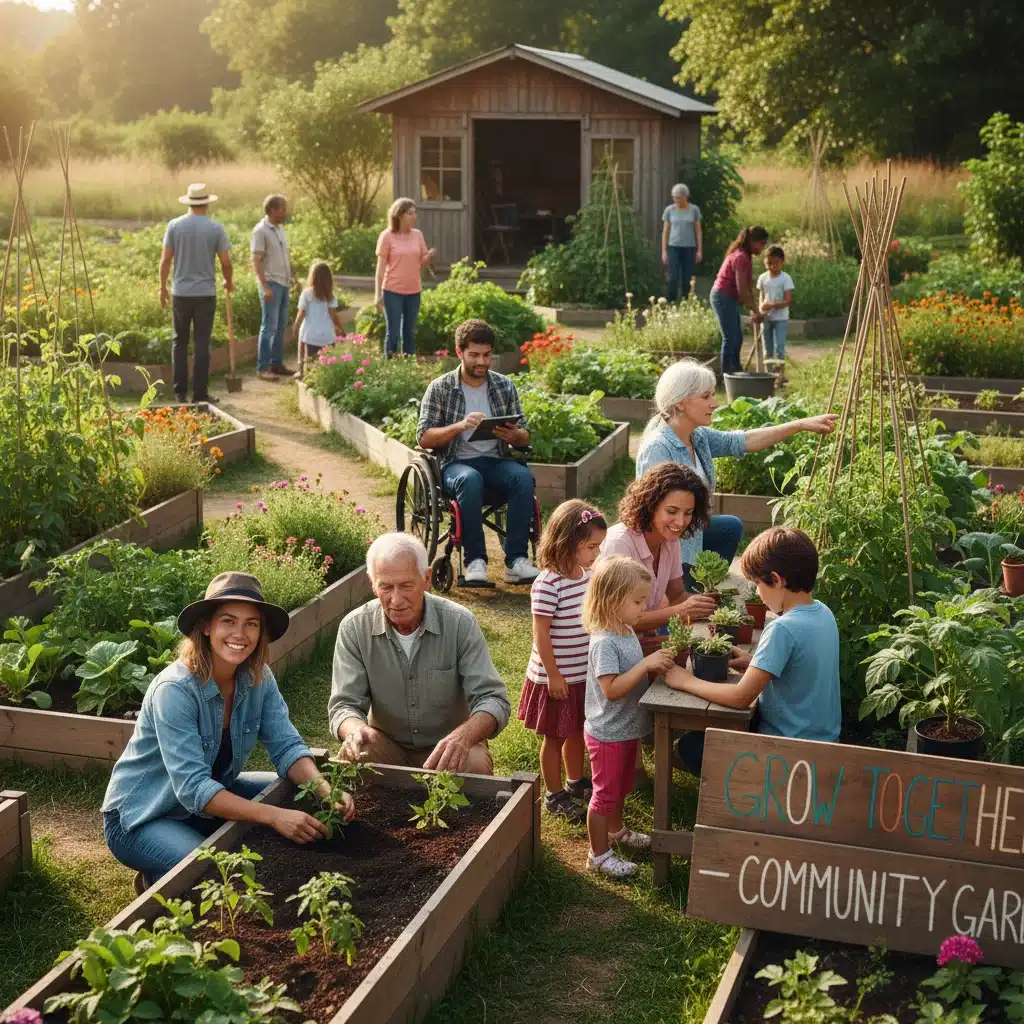
- Community Gardens and Food Hubs: Empowering residents to grow their own food, share surplus, and reduce reliance on distant supply chains.
- Local Skill-Sharing Networks: Residents exchanging services, knowledge, and goods, fostering a circular economy at the neighborhood level.
- Neighborhood Preparedness Teams: Organizing local volunteers for disaster response, demonstrating a collective commitment to mutual aid and resilience.
- Local Energy Cooperatives: Communities investing in and managing their own renewable energy sources.
The drive towards localism is a powerful response to the perceived vulnerabilities of global systems. It cultivates a sense of collective responsibility and empowers residents to be active participants in shaping their immediate environment. This focus on building from within is a critical component of evolving community engagement trends.
3. The Emergence of Shared Spaces as Catalysts for Connection: Beyond the Home and Office
The traditional boundaries between home, work, and public life have blurred significantly, and this has given rise to a new social norm: the critical importance of shared, multi-functional spaces as vital catalysts for community engagement. By 2026, these spaces will be intentionally designed and utilized to foster incidental encounters, collaborative projects, and a deeper sense of collective belonging.
Redefining Public and Semi-Public Realms
The pandemic highlighted the profound human need for connection and shared experience, while also revealing the limitations of purely digital interaction. This has spurred a renewed appreciation for physical spaces that invite interaction. These aren’t just parks or libraries (though these remain crucial); they are evolving into more dynamic, adaptable environments. Consider:
- Co-working and Co-living Spaces: Designed to foster professional and social connections, blurring the lines between work and community.
- Community Hubs: Often repurposing old buildings or commercial spaces, offering a mix of services – a café, a workshop, a meeting room, a small performance area – all under one roof, encouraging diverse groups to interact.
- Pop-up Parks and Placemaking Initiatives: Transforming underutilized urban spaces into temporary or permanent vibrant public areas for events, recreation, and spontaneous gathering.
- Hybrid Libraries and Cultural Centers: Evolving beyond silent repositories of books to become dynamic centers for learning, creativity, and social interaction, often with integrated digital resources and event spaces.
Designing for Serendipity and Collaboration
The key to this new norm is intentional design. Architects, urban planners, and community organizers are increasingly focusing on creating environments that:
- Encourage linger time: Comfortable seating, good lighting, access to amenities.
- Facilitate diverse activities: Spaces that can host a book club, a yoga class, a coding workshop, and a local art exhibit simultaneously or sequentially.
- Promote accessibility: Ensuring these spaces are welcoming and usable for people of all ages, abilities, and backgrounds.
- Foster ‘third place’ interactions: Providing a neutral ground outside of home and work where people can connect informally, build relationships, and exchange ideas.
As community engagement trends continue to evolve, the demand for well-designed, inclusive shared spaces will only intensify. These physical anchors will be indispensable for weaving together the diverse threads of American communities, providing essential platforms for the new social norms of connection and collective action.
4. Purpose-Driven Engagement and Collective Action: Impact Over Apathy
A significant social norm solidifying by 2026 is the expectation for engagement to be purpose-driven, leading to tangible collective action. Passive observation or superficial participation is giving way to a demand for meaningful contribution and measurable impact. This shift is particularly pronounced among younger generations but is increasingly influencing all demographics, pushing organizations and individuals alike towards more impactful forms of community engagement.
Beyond Volunteering: Active Co-Creation
Traditional volunteering, while still valuable, is being augmented by models of co-creation and active problem-solving. Individuals are not just showing up to help; they want to be part of the solution’s design and implementation. This means:
- Citizen Science Initiatives: Residents actively participating in data collection and research to address local environmental or health issues.
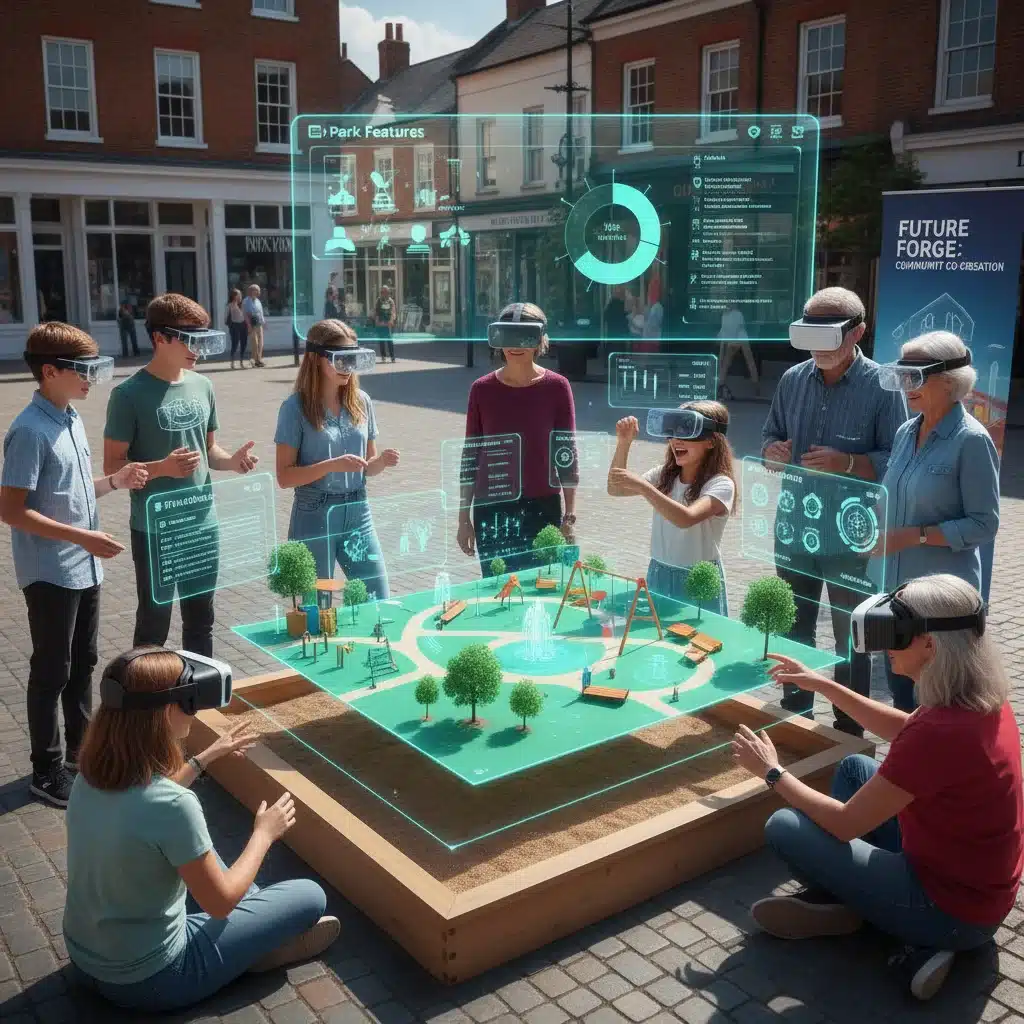
- Community Design Workshops: Local residents collaborating with urban planners and architects to design parks, public art, or community facilities.
- Advocacy and Policy Shaping: More direct and sustained engagement in advocating for specific policy changes at local and state levels, moving beyond simple voting to active participation in the democratic process.
- Social Entrepreneurship: Individuals and groups forming local enterprises specifically designed to address social or environmental challenges within their community.
The focus is on collective efficacy – the belief that a community can collectively organize and execute actions to produce desired results. This contrasts sharply with previous eras where civic participation might have been more symbolic or less directly impactful.
Transparency and Accountability in Impact
Another facet of this norm is the demand for transparency and accountability regarding the impact of community engagement efforts. Participants want to know that their time, energy, and resources are making a real difference. Organizations leading engagement efforts are increasingly expected to:
- Clearly articulate goals: Define what success looks like for a project or initiative.
- Report on progress: Provide regular updates on how collective actions are achieving their stated objectives.
- Demonstrate measurable outcomes: Show concrete evidence of positive change resulting from community involvement.
- Incorporate feedback loops: Allow participants to influence the direction and methods of engagement based on their experiences and insights.
This drive for purpose and demonstrable impact is transforming community engagement trends from a series of disconnected activities into a cohesive movement for collective good. By 2026, communities that embrace this norm will be characterized by highly motivated, effective, and results-oriented civic participation.
5. Intergenerational Collaboration as an Essential Building Block: Bridging the Age Divide
The demographic shifts in America, coupled with a growing recognition of the unique strengths each generation brings, are solidifying intergenerational collaboration as a fundamental social norm in community engagement. By 2026, successful communities will actively cultivate environments where different age groups not only coexist but actively partner to solve problems, share knowledge, and build a more inclusive future.
From Segregation to Synergy
Historically, communities have often seen a degree of generational segregation, with activities and spaces often catering to specific age groups. The new norm actively seeks to break down these silos, understanding that the wisdom of elders, the energy of youth, and the practical experience of middle generations are all indispensable for holistic community development. This isn’t just about seniors mentoring youth; it’s about reciprocal learning and shared leadership.
Manifestations of Intergenerational Engagement
This norm is evident in various forms of community engagement trends:
- Shared Learning Programs: Grandparents teaching digital literacy to children, or teenagers teaching seniors about new technologies.
- Cross-Generational Mentorship: Formal and informal programs where individuals from different age groups offer guidance and support to one another.
- Community Project Teams: Projects intentionally formed with members spanning multiple generations, ensuring diverse perspectives and skill sets are brought to bear on local issues. For example, a group of retirees, young adults, and teens collaborating on a local environmental clean-up or a historical preservation project.
- Intergenerational Storytelling Initiatives: Programs that encourage the sharing of life experiences and historical narratives across generations, fostering empathy and understanding.
- Age-Friendly Community Design: Planning initiatives that consider the needs and contributions of all age groups, from accessible public transport to multi-generational housing options.
The benefits of this norm are manifold: it reduces social isolation, preserves local history and knowledge, fosters empathy, and cultivates a stronger sense of collective identity and purpose. As American community engagement evolves, intergenerational collaboration will be recognized not as a ‘nice-to-have’ but as a foundational element for building resilient and vibrant communities for everyone.
The Collective Impact of These Evolving Community Engagement Trends
These five social norms – hyper-local digital connection, renewed localism, vital shared spaces, purpose-driven action, and essential intergenerational collaboration – are not isolated phenomena. They are interconnected forces that collectively redefine the landscape of American community engagement. By 2026, communities that thrive will be those that strategically embrace and integrate these evolving expectations.
Imagine a community where residents use hyper-local digital platforms to organize a collective action initiative (purpose-driven engagement) to restore a local park (localism). This initiative might involve a diverse team of volunteers spanning multiple generations (intergenerational collaboration), who then gather in a newly revitalized shared community space to celebrate their success and plan the next project. This holistic approach is the future of American community engagement.
Challenges and Opportunities
While these shifts present immense opportunities for stronger communities, they also come with challenges. Bridging the digital divide, ensuring equitable access to shared spaces, managing diverse opinions in purpose-driven initiatives, and fostering genuine intergenerational respect all require intentional effort and thoughtful leadership. The success of these new social norms hinges on the willingness of individuals and institutions to adapt, innovate, and invest in the infrastructure – both digital and physical – that supports these evolving forms of connection.
For community leaders, this means moving beyond traditional engagement models. It requires active listening, fostering inclusive platforms, empowering residents to take ownership, and recognizing the diverse ways people want to contribute. For businesses, it means understanding the local context, aligning with community values, and seeking opportunities for authentic partnership. For individuals, it calls for a proactive approach to participation, a willingness to leverage new tools, and an open mind to collaborate with those from different backgrounds and age groups.
Looking Ahead to 2026 and Beyond
The trajectory towards 2026 indicates a future where community engagement is more dynamic, inclusive, and impactful than ever before. The passive citizen is being replaced by the active co-creator, empowered by technology and driven by a desire for local relevance and collective purpose. These new community engagement trends signify a deeper understanding of what it means to belong and contribute in an increasingly interconnected yet localized world.
By consciously embracing these five social norms, American communities can move beyond merely surviving to truly thriving, building resilient social structures that can withstand future challenges and unlock the full potential of their collective human capital. The shift is already underway; the question is how effectively we will navigate it to forge a more engaged and connected future.