Metaverse Early Adopter Guide 2026: Opportunities & Digital Identity

The metaverse, once a distant sci-fi fantasy, is rapidly solidifying into a tangible reality, presenting an unprecedented frontier for innovation, commerce, and social interaction. As we approach 2026, the window for becoming a Metaverse Early Adopter is not closing, but rather transforming, demanding a strategic and informed approach. This isn’t just about owning a VR headset; it’s about understanding the foundational shifts in digital identity, virtual economies, and the very fabric of online existence.
For those poised to enter early, the opportunities are vast and varied, ranging from digital real estate and content creation to entirely new forms of work and entertainment. However, without a clear understanding of the evolving landscape, potential early adopters risk being overwhelmed or, worse, making ill-informed decisions. This guide aims to demystify the metaverse for 2026, offering actionable insights for navigating its complexities and leveraging its potential.
The Evolving Definition of the Metaverse in 2026
Before diving into specific opportunities, it’s crucial to grasp what the metaverse entails in 2026. It’s no longer a singular, monolithic entity but a constellation of interconnected virtual worlds, platforms, and experiences. Think of it less as a destination and more as a continuum of digital spaces, accessible through various technologies, from augmented reality (AR) glasses to traditional screens. The key characteristics of the 2026 metaverse include:
- Interoperability: While still a significant challenge, efforts towards seamless transitions of avatars, assets, and data between different virtual environments are gaining momentum.
- Persistence: Digital worlds and their contents continue to exist and evolve even when users are offline, fostering a sense of enduring presence.
- Decentralization: Blockchain technology is increasingly underpinning ownership, governance, and economic structures within the metaverse, granting users more control.
- Presence: The feeling of being ‘there’ with others, whether through immersive VR, AR, or even advanced 2D interfaces, remains a core tenet.
Understanding these elements is fundamental for any aspiring Metaverse Early Adopter. It’s about recognizing that the metaverse is not just a technological upgrade but a paradigm shift in how we interact with digital information and each other.
Why Now is the Time to Be a Metaverse Early Adopter
The year 2026 marks a crucial inflection point. The foundational technologies are maturing, user adoption is growing, and significant investment is pouring into the space. This creates a fertile ground for those willing to engage early. Here’s why timing is critical:
- First-Mover Advantage: Early entry allows for establishing a strong presence, building communities, and capturing mindshare before the market becomes saturated. This applies to individuals, creators, and businesses alike.
- Shaping the Future: As a Metaverse Early Adopter, you have the unique opportunity to influence the development and cultural norms of these nascent digital worlds. Your feedback, creations, and interactions contribute directly to the metaverse’s evolution.
- Unlocking New Economic Models: The metaverse is a hotbed for innovative economic models, from play-to-earn gaming to digital asset trading and virtual services. Early participants are best positioned to understand and profit from these emerging opportunities.
- Skill Development: Engaging with metaverse technologies now provides invaluable experience in areas like 3D design, blockchain development, community management in virtual spaces, and understanding user behavior in immersive environments. These skills will be highly sought after in the coming years.
The landscape is dynamic, and while risks exist, the potential rewards for strategic early engagement are substantial.
Navigating Digital Identity in the Metaverse: Your Core Asset
Your digital identity in the metaverse is far more than just a username and profile picture; it’s your persistent persona, your reputation, and your connection to digital assets. For a Metaverse Early Adopter, managing this identity effectively is paramount. In 2026, digital identity is characterized by:
- Avatars as Extensions of Self: Avatars are becoming increasingly customizable and expressive, acting as visual representations of your digital self. The ability to carry a consistent avatar across different platforms, while still a work in progress, is a key desire.
- Interoperable Identity: The goal is a unified, secure digital identity that allows you to seamlessly move between different metaverse experiences without having to recreate your profile or prove your ownership of assets repeatedly. This is where decentralized identity (DID) solutions, often built on blockchain, come into play.
- Reputation and Trust: As interactions become more frequent and consequential in the metaverse, digital reputation will gain significant weight. This includes everything from your history of transactions to your contributions to virtual communities.
- Data Ownership and Privacy: A critical concern for early adopters is who owns their personal data and digital identity information. Decentralized approaches aim to put ownership back into the hands of the user, offering more control over what is shared and with whom.
Strategies for managing your digital identity include:
- Choosing Platforms Wisely: Opt for platforms that prioritize user data ownership and offer robust privacy controls.
- Utilizing Self-Sovereign Identity (SSI): Explore emerging SSI solutions that allow you to control your digital credentials and present them as needed, without relying on central authorities.
- Building a Consistent Persona: Even across disparate platforms, strive for a consistent and authentic digital persona that reflects your goals and values.
- Understanding Asset Ownership: Link your digital identity to your owned assets (NFTs, virtual land, etc.) securely, ensuring proof of ownership and transferability.
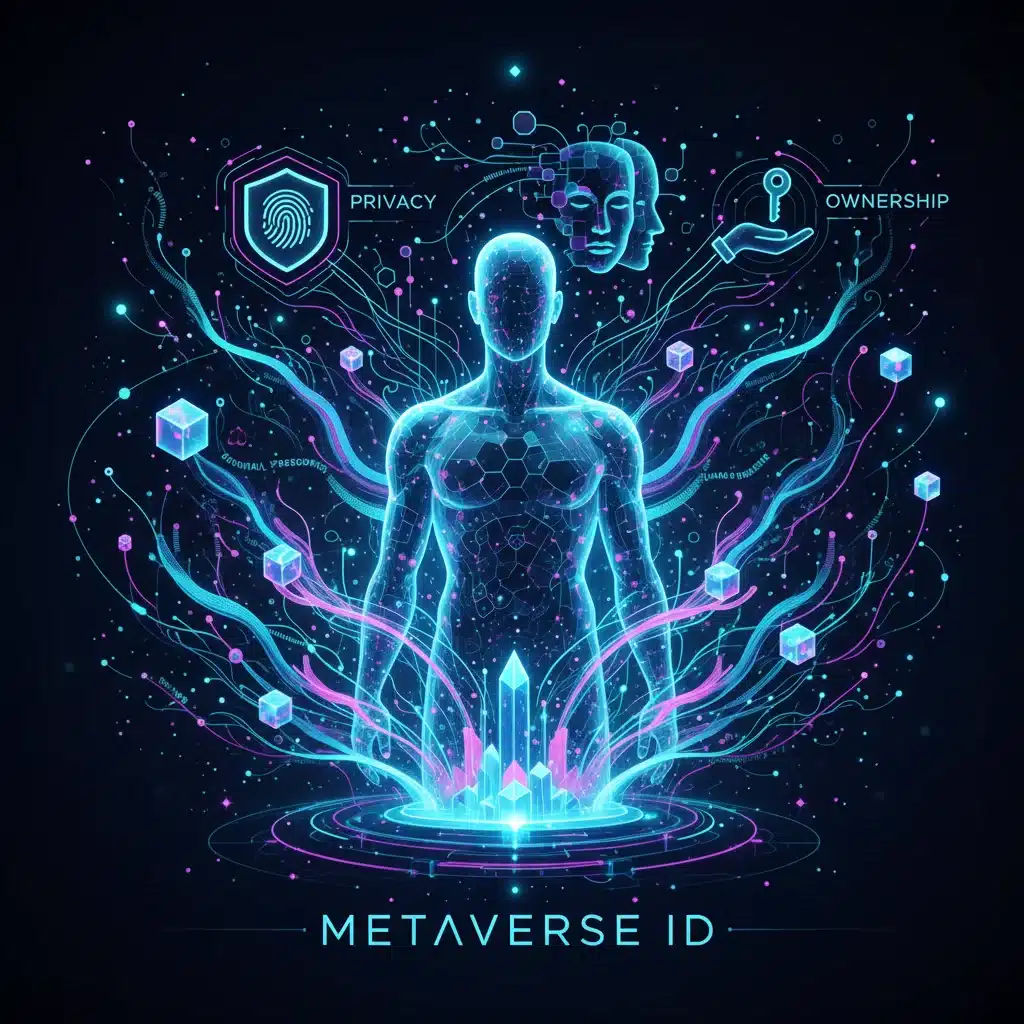
Effective digital identity management is not just about security; it’s about empowerment and establishing your presence as a credible and trusted Metaverse Early Adopter.
Early Adopter Opportunities in the 2026 Metaverse
The opportunities for a Metaverse Early Adopter are diverse and span across various sectors. Here are some of the most promising avenues:
1. Digital Real Estate and Virtual Land Development
Owning virtual land remains a significant entry point. In 2026, this isn’t just about passive holding; it’s about active development. Opportunities include:
- Developing Experiences: Creating interactive games, social hubs, art galleries, or educational experiences on your land.
- Virtual Event Hosting: Leasing your land for virtual concerts, conferences, or corporate gatherings.
- Advertising and Sponsorship: Placing virtual billboards or offering brand integration opportunities within your developed spaces.
- Resale and Speculation: While speculative bubbles can occur, strategic purchases in promising metaverse platforms can yield significant returns as the ecosystem matures.
2. Content Creation and Curation
The metaverse thrives on content. Early adopters with creative skills can find immense success:
- 3D Asset Creation: Designing avatars, wearables, furniture, buildings, and other virtual objects for sale or use across platforms.
- NFT Art and Collectibles: Minting and selling unique digital art, music, or collectibles. The market for generative art and interactive NFTs is particularly vibrant.
- Storytelling and Experience Design: Crafting immersive narratives, interactive quests, or complete virtual worlds.
- Virtual Photography/Videography: Documenting the metaverse, creating virtual tours, or producing content for metaverse-native media outlets.
3. Virtual Economy and Financial Services
The metaverse is fostering entirely new economic systems. For a Metaverse Early Adopter, understanding and participating in these is key:
- Decentralized Finance (DeFi) Integrations: Exploring lending, borrowing, and yield farming within metaverse-native financial protocols.
- Play-to-Earn (P2E) Gaming: Participating in games where players can earn cryptocurrency or NFTs through gameplay, often by owning in-game assets.
- Metaverse Investment Funds: Investing in funds that specialize in virtual land, NFTs, or metaverse-related companies.
- Digital Asset Trading: Actively buying, selling, and trading NFTs, cryptocurrencies, and other digital assets.
4. Community Building and Social Experiences
The core of the metaverse is social interaction. Early adopters can lead in this space:
- Community Management: Building and moderating vibrant communities around shared interests, games, or projects within specific metaverse platforms.
- Event Organization: Planning and hosting virtual parties, meetups, workshops, or cultural events.
- Influencer and Streaming: Becoming a prominent personality within the metaverse, streaming experiences, and building a following.
- Educational Initiatives: Creating virtual classrooms, workshops, or training programs within the metaverse.
5. Enterprise and Business Integration
Businesses are rapidly exploring the metaverse. A savvy Metaverse Early Adopter can help bridge this gap:
- Consulting: Advising businesses on metaverse strategy, entry, and digital transformation.
- Virtual Showrooms and Stores: Helping brands establish a presence and sell digital or physical goods within virtual environments.
- Remote Work and Collaboration Tools: Developing or implementing metaverse-native solutions for team collaboration and virtual offices.
- Marketing and Advertising: Crafting innovative marketing campaigns and advertising strategies tailored for the metaverse.
Challenges and Risks for the Metaverse Early Adopter
While opportunities abound, it’s crucial for any Metaverse Early Adopter to be aware of the inherent challenges and risks:
- Technological Immaturity: The metaverse is still in its early stages. Technical glitches, scalability issues, and evolving standards are common.
- Interoperability Hurdles: Moving assets and identities seamlessly between platforms remains a significant challenge, creating fragmented experiences.
- Security and Fraud: The decentralized nature of some metaverse components can make them targets for scams, hacks, and intellectual property infringement. Robust security practices are essential.
- Regulatory Uncertainty: Governments and regulatory bodies are still grappling with how to oversee virtual economies, digital assets, and online behavior in the metaverse, leading to potential shifts in policies.
- Digital Divide: Access to high-speed internet and necessary hardware (VR headsets, powerful computers) can create a barrier to entry for some.
- Economic Volatility: The value of virtual assets can be highly volatile, influenced by hype, market sentiment, and broader cryptocurrency trends.
- Mental Health and Addiction: The immersive nature of the metaverse raises concerns about potential addiction, mental well-being, and the blurring of lines between physical and virtual realities.
A measured and informed approach, coupled with continuous learning, is essential to mitigate these risks.
Tools and Technologies for the 2026 Metaverse Early Adopter
To effectively navigate the metaverse in 2026, proficiency with certain tools and technologies will be highly beneficial:
- Blockchain Wallets: Essential for managing cryptocurrencies and NFTs (e.g., MetaMask, Coinbase Wallet).
- 3D Design Software: Blender, Unity, Unreal Engine, and specialized metaverse creation tools for building assets and experiences.
- VR/AR Hardware: Devices like Meta Quest, Apple Vision Pro, and various AR glasses for immersive experiences.
- Decentralized Identity (DID) Solutions: Exploring platforms and protocols that offer self-sovereign identity management.
- Community Platforms: Discord, Telegram, and metaverse-native social hubs for networking and community engagement.
- Marketplaces: OpenSea, Rarible, and platform-specific marketplaces for buying and selling digital assets.
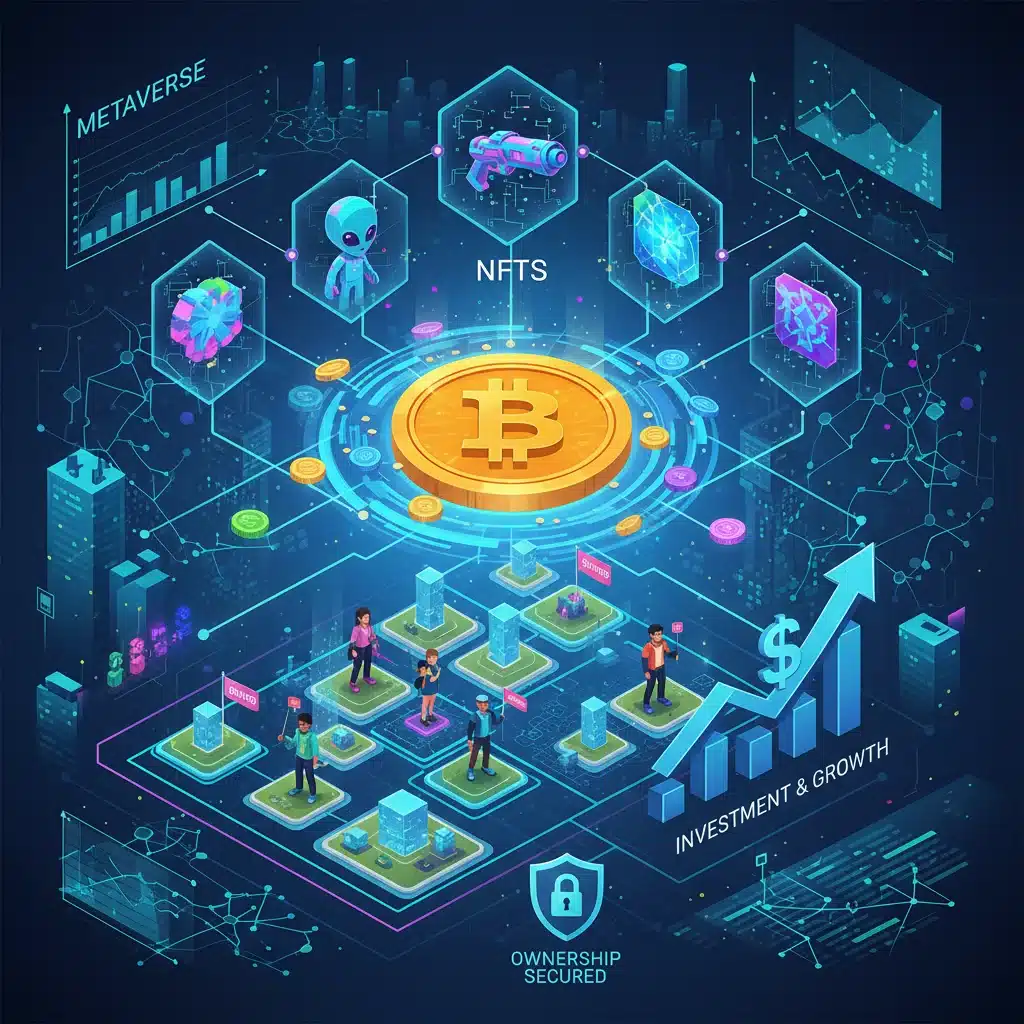
Staying updated on these technological advancements will give any Metaverse Early Adopter a distinct advantage.
The Future is Now: A Time-Sensitive Call to Action
The year 2026 is not just another step in the metaverse’s evolution; it’s a critical period where foundational structures are being set, communities are forming, and economic models are being solidified. For those who aspire to be a Metaverse Early Adopter, the time to act is now.
This doesn’t mean blindly investing in every new project or diving headfirst without research. Instead, it calls for a strategic, curious, and experimental mindset. Start by exploring different platforms, understanding the underlying technologies, and identifying areas that align with your skills and interests. Engage with existing communities, learn from pioneers, and contribute your unique perspective.
The metaverse is not just a technological innovation; it’s a cultural and economic revolution. By embracing the role of a Metaverse Early Adopter, you’re not just participating in the future; you’re actively helping to build it.
Key Takeaways for the Aspiring Metaverse Early Adopter:
- Educate Yourself Continuously: The metaverse is rapidly evolving. Stay informed about new platforms, technologies, and trends.
- Prioritize Digital Identity: Understand and strategically manage your persistent persona, data ownership, and reputation.
- Diversify Your Engagement: Explore various opportunities from content creation and virtual land to community building and financial services.
- Network Actively: Connect with other early adopters, developers, and thought leaders in the space.
- Start Small, Learn Fast: Don’t feel pressured to make large investments immediately. Begin with exploration, experimentation, and small-scale projects.
- Understand the Risks: Be aware of the volatility, security challenges, and regulatory uncertainties.
The journey into the metaverse as an early adopter is an exciting one, filled with potential for growth, discovery, and impact. 2026 offers a unique window to not just observe but to actively shape this burgeoning digital universe. Embrace the challenge, seize the opportunities, and become a pivotal part of the metaverse’s unfolding story.