Gig Economy’s Cultural Dividend: Redefining Careers & Financial Stability
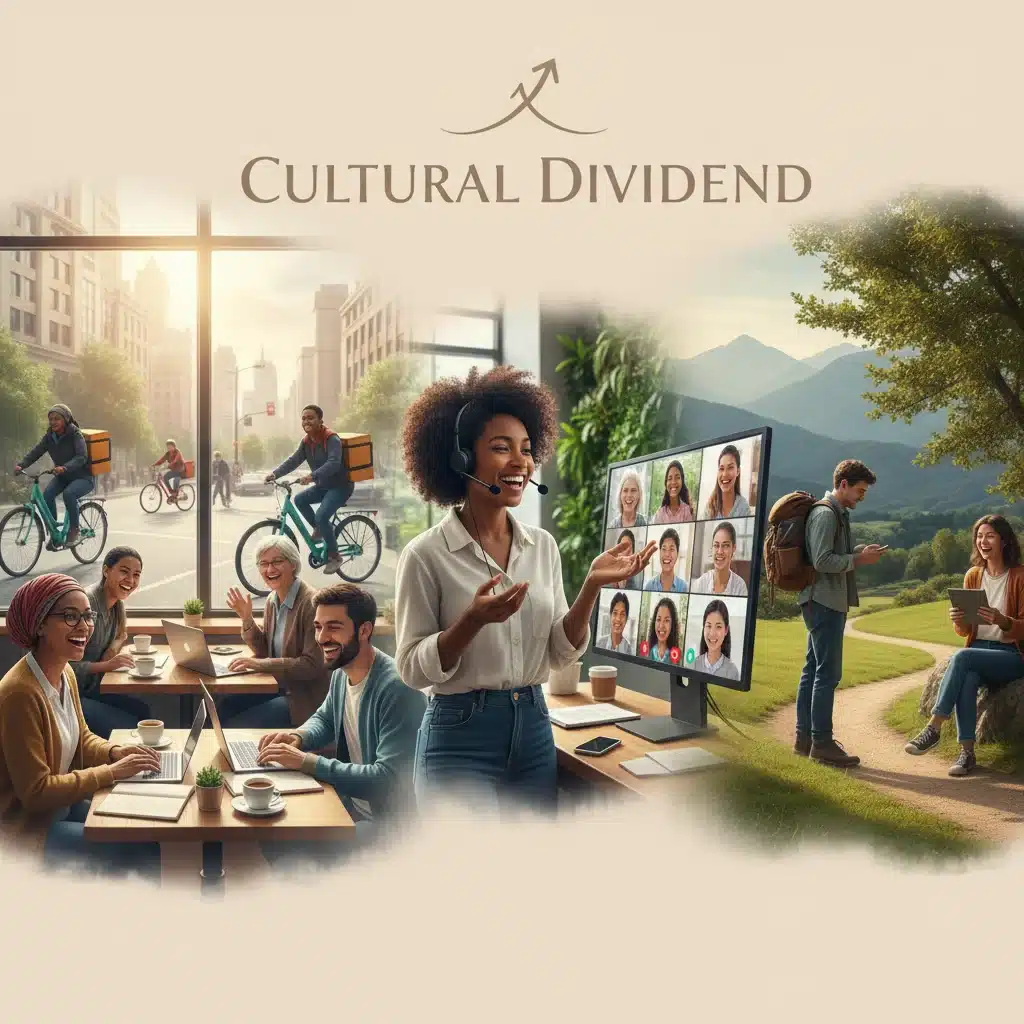
The Gig Economy’s Cultural Dividend: How 15% of U.S. Workers are Redefining Career Paths and Financial Stability
The landscape of work is undergoing a profound transformation, driven by technological advancements, evolving societal values, and a fundamental shift in how individuals perceive their careers. At the heart of this revolution lies the Gig Economy Impact, a phenomenon that has moved beyond being a niche trend to become a significant force shaping the professional lives of millions. Indeed, an estimated 15% of the U.S. workforce is now actively participating in the gig economy, embracing its unique blend of flexibility, autonomy, and diverse opportunities. This isn’t merely an economic shift; it’s a cultural dividend, offering workers unprecedented control over their professional narratives and financial futures.
For decades, the traditional 9-to-5 job with a single employer was the gold standard, promising stability and a clear path to career progression. However, this model, while offering security, often came with limitations: rigid schedules, hierarchical structures, and a perceived lack of personal agency. The rise of the gig economy has challenged these norms, presenting an alternative that prioritizes individual empowerment. From freelance designers and writers to rideshare drivers and online tutors, gig workers are piecing together livelihoods that align more closely with their personal values and lifestyle aspirations. This article delves into the multifaceted ways the gig economy is redefining career paths and enhancing financial stability, exploring its cultural implications and what it means for the future of work.
Understanding the Gig Economy’s Evolution and the Gig Economy Impact
The term ‘gig economy’ itself evokes images of musicians playing one-off ‘gigs,’ highlighting the transient and project-based nature of the work. Today, however, it encompasses a vast array of activities facilitated by digital platforms that connect independent workers with clients or customers. This includes everything from highly skilled professional services like consulting and software development to on-demand services such as food delivery and personal shopping. The evolution of this economic model has been rapid, fueled by ubiquitous internet access, smartphone penetration, and the development of sophisticated algorithmic matching systems.
Initially, the gig economy was often viewed as a stop-gap measure or a side hustle, a way to earn extra income outside of a primary job. While this remains true for many, a significant and growing portion of the U.S. workforce has transitioned to making gig work their primary source of income. This demographic shift underscores the increasing viability and attractiveness of independent work as a legitimate and sustainable career path. The data suggests that this isn’t just about economic necessity; it’s also about choice, with many individuals actively seeking the benefits that traditional employment often lacks.
The rise of the gig economy has been particularly pronounced in urban areas, where a higher density of both workers and consumers facilitates the efficient matching of supply and demand. However, its reach is expanding, with remote work capabilities allowing individuals in less populated regions to access global opportunities. This geographical democratization of work is another facet of the Gig Economy Impact, breaking down traditional barriers and fostering a more inclusive labor market.
Moreover, the perception of gig work is changing. What was once seen as precarious is now often lauded for its potential for innovation, entrepreneurship, and personal growth. This cultural acceptance is critical, as it encourages more individuals to explore gig opportunities and allows businesses to embrace more flexible staffing models, leading to a dynamic and adaptable workforce.
Redefining Career Paths: Beyond the Linear Progression
One of the most significant cultural dividends of the gig economy is its capacity to redefine traditional career paths. The conventional trajectory involved climbing a corporate ladder, often within a single organization or industry. While this path offers structure, it can also limit exploration and personal development. The gig economy, conversely, encourages a portfolio career approach, where individuals curate a diverse range of projects and clients, building a unique skill set and professional identity.
This approach allows for unparalleled flexibility in career evolution. A software engineer can take on projects in artificial intelligence, then pivot to cybersecurity, and later consult for startups, all within a relatively short period. This agility not only keeps skills sharp and relevant but also allows individuals to pursue passions and interests that might not fit neatly into a single job description. The ability to learn continually and adapt to new challenges is a cornerstone of success in the gig economy, fostering a mindset of lifelong learning.
Furthermore, the gig economy empowers individuals to craft roles that are tailor-made for their strengths and preferences. Instead of conforming to pre-defined job descriptions, gig workers can seek out projects that genuinely excite them, leading to higher job satisfaction and engagement. This self-directed career development is a powerful antidote to burnout and disengagement often associated with rigid corporate environments. The Gig Economy Impact here is profound, shifting the focus from simply ‘having a job’ to ‘building a career on your own terms.’
For many, this means escaping the ‘golden handcuffs’ of corporate employment, where high salaries might come at the cost of personal freedom or purpose. Gig work provides an avenue to align work with personal values, whether that means working fewer hours to spend time with family, volunteering, or pursuing creative endeavors. This holistic view of career and life integration is a key component of the cultural dividend.

Enhancing Financial Stability: A New Paradigm of Income Generation
The concept of financial stability in the gig economy is often debated. Critics point to the lack of traditional benefits like health insurance, paid time off, and retirement plans, as well as the inherent income volatility. However, for a growing segment of the 15% of U.S. workers engaged in gig work, it represents a path to enhanced financial stability, albeit through a different model than conventional employment.
One primary way the gig economy contributes to financial stability is through diversification of income streams. Instead of relying on a single employer for a paycheck, gig workers can have multiple clients or projects concurrently. If one client contract ends, the impact on overall income is mitigated by other ongoing work. This diversification acts as a buffer against economic downturns or job losses, offering a resilience that a single-employer model often lacks.
Moreover, gig workers often have greater control over their earning potential. They can set their own rates, choose projects that offer higher compensation, and scale their workload up or down based on financial needs. This entrepreneurial approach to income generation allows individuals to directly link their effort and skill to their financial rewards, fostering a sense of ownership and motivation that can be absent in fixed-salary roles. The Gig Economy Impact on personal finance is thus characterized by increased agency and a more direct relationship between work and wealth creation.
While traditional benefits are often absent, the gig economy has spurred innovation in how workers access these necessities. Many gig workers now piece together their own benefits packages, utilizing individual health insurance plans, contributing to self-funded retirement accounts, and leveraging platforms that offer discounted benefits to freelancers. This shift requires proactive financial planning and a different approach to budgeting, but it ultimately empowers individuals to tailor their financial security to their specific needs rather than relying on a one-size-fits-all employer package.
The ability to work remotely also contributes significantly to financial stability by reducing commuting costs, allowing individuals to live in more affordable areas, and providing flexibility to care for family members without sacrificing income. These indirect financial benefits, combined with direct earning potential, paint a more nuanced picture of financial stability in the gig economy – one that is defined by control, diversification, and strategic planning.
The Cultural Dividend: Beyond Economic Metrics
While the economic implications of the gig economy are significant, its ‘cultural dividend’ extends far beyond mere financial metrics. This dividend manifests in several key areas, profoundly impacting individual well-being and societal norms.
Autonomy and Control: The Ultimate Freedom
Perhaps the most celebrated aspect of gig work is the unparalleled autonomy it offers. Gig workers typically have control over when, where, and how they work. This freedom translates into a better work-life balance, allowing individuals to integrate their professional lives seamlessly with personal commitments, hobbies, and family responsibilities. For parents, it means being present for school events; for caregivers, it offers the flexibility to manage appointments; and for anyone, it provides the space to pursue personal growth and well-being. This level of control is a powerful cultural shift, moving away from a life dictated by work schedules to one where work adapts to life.
Skill Development and Entrepreneurial Spirit
The gig economy inherently fosters an entrepreneurial mindset. Gig workers are, in essence, small business owners. They are responsible for marketing themselves, managing client relationships, invoicing, and continually developing their skills to remain competitive. This constant demand for self-improvement and business acumen cultivates a highly adaptable and resilient workforce. Individuals are not just performing tasks; they are building brands, honing negotiation skills, and mastering time management. This continuous learning and development are a significant cultural asset, creating a more skilled and innovative populace. The Gig Economy Impact on individual initiative is undeniable.
Diversity and Inclusivity in the Workforce
The gig economy has also proven to be a powerful engine for diversity and inclusion. It lowers barriers to entry for many individuals who might face challenges in traditional employment settings. This includes parents seeking flexible schedules, individuals with disabilities who benefit from remote work, retirees looking to supplement their income, and those in rural areas with limited local job opportunities. By focusing on skills and deliverables rather than rigid schedules or geographical proximity, the gig economy opens doors to a broader talent pool, enriching the workforce with diverse perspectives and experiences. This inclusivity is a vital cultural dividend, promoting equitable access to economic opportunities.
Community and Collaboration
While often perceived as solitary, the gig economy has also given rise to new forms of community and collaboration. Online forums, co-working spaces, and professional networks specifically cater to freelancers and independent contractors, fostering connections, shared learning, and mutual support. These communities provide a sense of belonging, combatting the isolation that can sometimes accompany independent work. They also serve as platforms for skill-sharing, mentorship, and collective problem-solving, creating a vibrant subculture within the broader professional landscape. The communal aspect of the Gig Economy Impact is often underestimated but profoundly important.

Challenges and the Path Forward
Despite its many advantages and cultural dividends, the gig economy is not without its challenges. The lack of traditional employee benefits, the potential for income instability, and the need for self-discipline and proactive financial planning are significant hurdles for many. Debates around worker classification, labor protections, and fair compensation continue to be central to policy discussions globally.
Addressing these challenges is crucial for the sustainable growth and continued positive Gig Economy Impact. This involves innovative policy solutions, such as portable benefits programs that allow gig workers to carry their benefits from one gig to another, regardless of the platform or client. It also requires platforms to enhance transparency, ensure fair algorithmic management, and provide better support systems for their independent contractors.
For individuals, navigating the gig economy successfully demands a proactive approach to skill development, financial literacy, and networking. Building a strong personal brand, continuously learning new tools and technologies, and actively managing one’s finances are essential for thriving in this dynamic environment. Education and resources that equip aspiring gig workers with these skills will be vital in empowering them to fully leverage the opportunities available.
Furthermore, businesses that engage gig workers must recognize their value as integral contributors and adopt practices that foster respectful and mutually beneficial relationships. Treating gig workers as strategic partners, providing clear project specifications, fair compensation, and timely payments will not only attract top talent but also contribute to a more ethical and sustainable gig ecosystem.
The Future of Work: A Hybrid Model
Looking ahead, it’s likely that the future of work will not be exclusively traditional or exclusively gig-based, but rather a hybrid model that integrates the best aspects of both. Companies may increasingly rely on a core team of full-time employees complemented by a flexible pool of gig workers for specialized projects, seasonal demands, or innovative initiatives. This hybrid approach offers businesses agility and access to diverse expertise, while providing workers with a spectrum of employment choices.
The cultural dividend of the Gig Economy Impact will continue to shape societal expectations about work. The desire for flexibility, autonomy, and purpose-driven careers is likely to intensify, pushing traditional employers to adopt more gig-like benefits and work arrangements. This could include more flexible hours, remote work options, project-based roles within companies, and a greater emphasis on skill development and career mobility.
Ultimately, the gig economy represents more than just a new way to earn money; it embodies a fundamental rethinking of the relationship between individuals, work, and society. For the 15% of U.S. workers who have embraced this model, it’s about claiming ownership of their professional lives, building financial resilience through diversification, and contributing to a more flexible, inclusive, and dynamic workforce. As technology continues to evolve and societal attitudes shift, the gig economy’s cultural dividend will undoubtedly play an even more pivotal role in defining the careers and financial stability of generations to come.
The ongoing dialogue around regulations, worker protections, and platform responsibilities will be essential in ensuring that the gig economy evolves in a way that benefits all participants. As this new paradigm matures, its capacity to empower individuals, foster innovation, and contribute to a more adaptable economy will become even more apparent. The transformation is not just about jobs; it’s about creating a richer, more diverse, and more fulfilling experience of work for millions.
Embracing the gig economy means understanding its complexities, celebrating its opportunities, and actively working to mitigate its drawbacks. It’s a journey towards a future where work is not just a means to an end, but a flexible, empowering, and deeply integrated part of a well-lived life. The cultural dividend is already being paid, and its value is only set to grow.