Understanding the ‘Great Re-Evaluation’: 3 Recent Updates on How Work-Life Balance is Reshaping U.S. Social Norms
The past few years have ushered in an unprecedented era of change in the professional landscape, profoundly impacting how Americans perceive and prioritize their careers and personal lives. This seismic shift, widely dubbed the ‘Great Re-Evaluation,’ is not merely a fleeting trend but a fundamental recalibration of values, with work-life balance at its core. It’s a period where individuals are meticulously assessing their employment conditions, seeking roles that offer more than just financial compensation – roles that align with their personal well-being, aspirations, and a deeper sense of purpose. This re-evaluation has far-reaching implications, extending beyond individual choices to reshape broader U.S. social norms, corporate policies, and even urban planning.
Initially triggered by the global pandemic, which forced a sudden and widespread adoption of remote work and highlighted the fragility of traditional work structures, the Great Re-Evaluation has evolved into a sustained movement. Employees, having experienced greater autonomy and flexibility, are now demanding these benefits as standard, rather than perks. This demand is compelling employers to rethink long-held assumptions about productivity, presence, and employee engagement. The conversation has shifted from ‘how do we get back to normal?’ to ‘how do we build a better normal?’ – one that genuinely supports holistic employee well-being and fosters a sustainable, equitable future of work.
In this comprehensive article, we will delve into three recent updates that underscore the ongoing impact of the Great Re-Evaluation on work-life balance in the U.S. We will explore how these developments are not only influencing individual career paths but also catalyzing significant transformations in organizational culture, societal expectations, and the very fabric of American life. From the continued evolution of flexible work models to the rising prominence of mental health support and the strategic re-evaluation of career trajectories, the Great Re-Evaluation is a powerful force that continues to redefine what it means to work and live in the modern age.
1. The Permanent Shift Towards Flexible Work Models and Its Impact on Work-Life Balance Changes
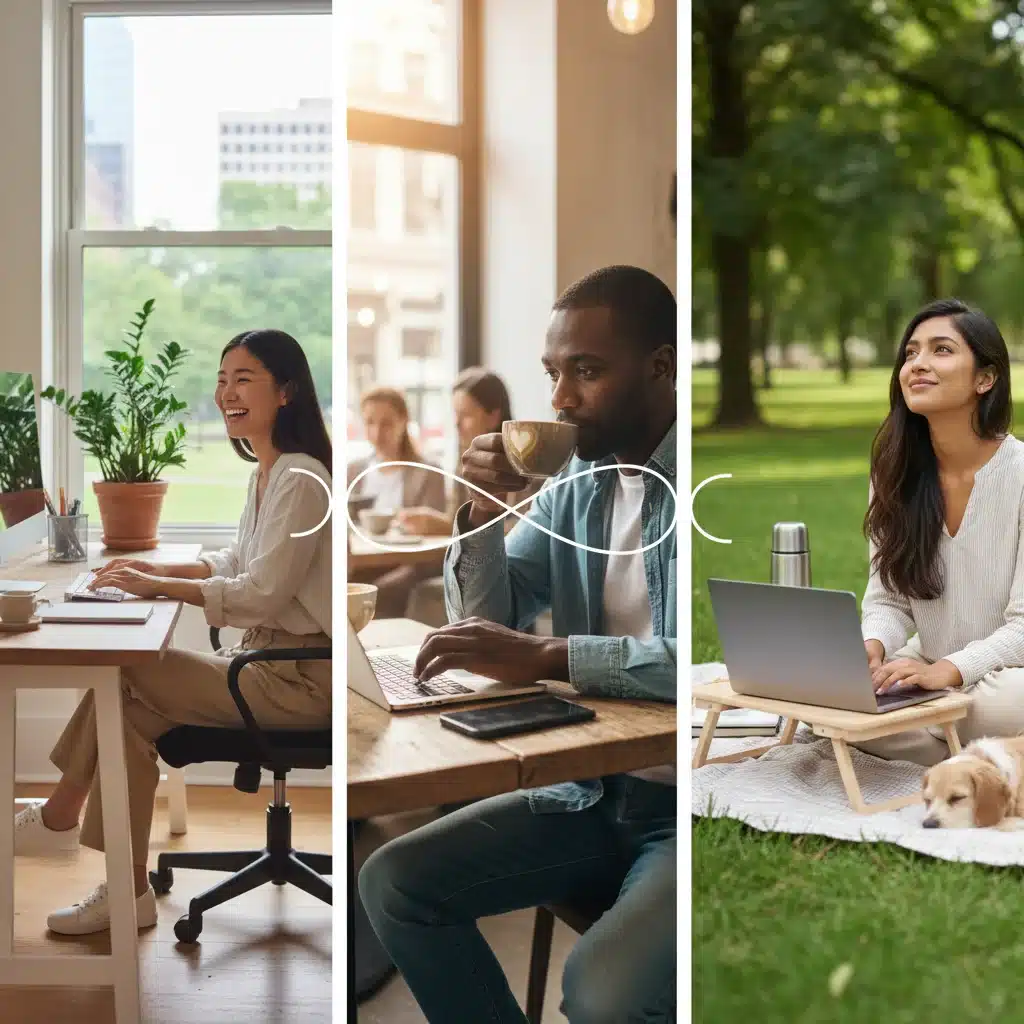
One of the most significant and enduring legacies of the Great Re-Evaluation is the solidification of flexible work models, moving them from temporary necessity to permanent fixtures in the modern workplace. What began as a mandatory response to public health crises has now become a preferred mode of operation for countless organizations and employees across the United States. This shift is not just about working from home; it encompasses a broader spectrum of flexibility, including hybrid models, compressed workweeks, and asynchronous work schedules, all fundamentally altering the dynamics of work-life balance.
The Rise of Hybrid Work: Best of Both Worlds?
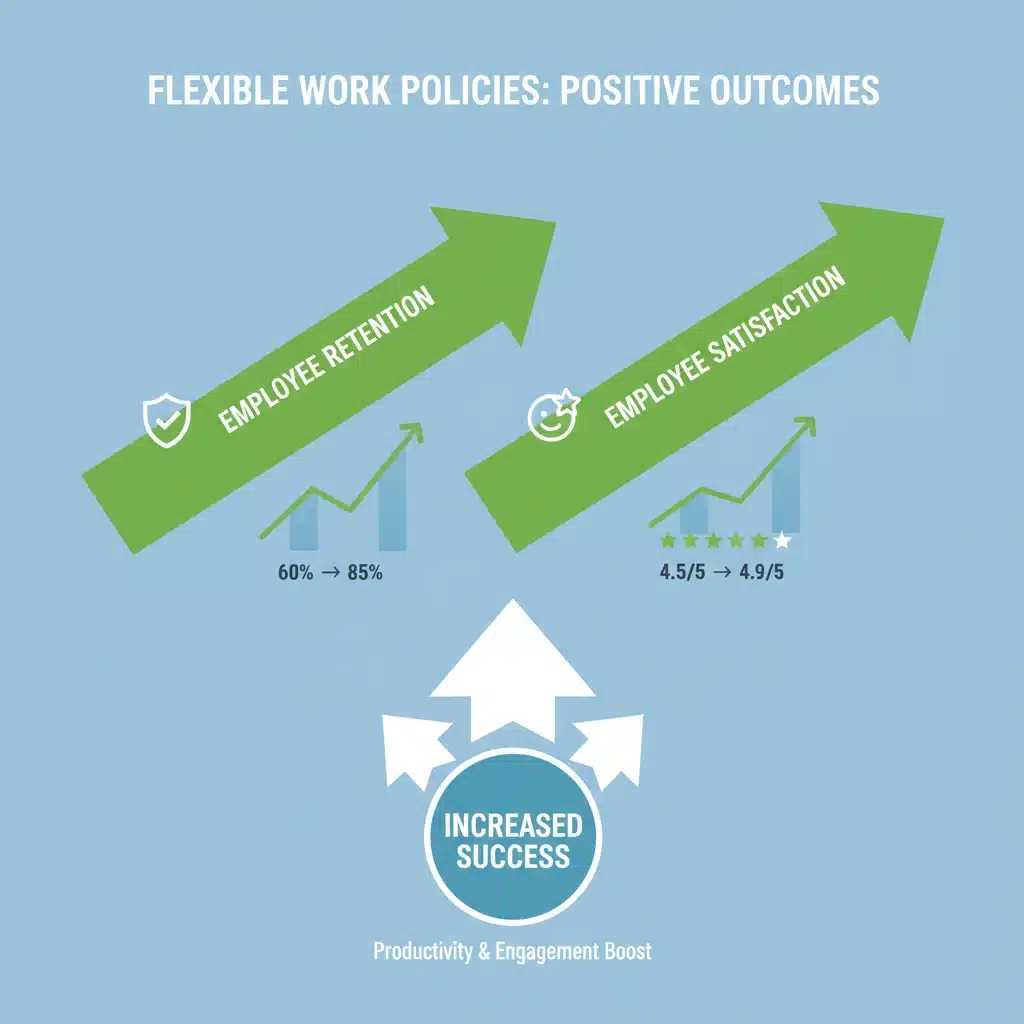
The hybrid work model, which blends in-office and remote work, has emerged as a dominant choice for many companies. This approach aims to capture the benefits of both worlds: maintaining team cohesion and spontaneous collaboration through in-office days, while offering employees the autonomy and reduced commute stress associated with remote work. Companies like Microsoft, Google, and many financial institutions have adopted various forms of hybrid work, recognizing its potential to enhance employee satisfaction and productivity. However, successful implementation requires careful planning to avoid a ‘two-tier’ system where remote employees feel disconnected or disadvantaged.
The impact on work-life balance is profound. Employees often report feeling more in control of their schedules, allowing them to better integrate personal appointments, family responsibilities, and leisure activities into their day. This newfound autonomy can lead to reduced stress, increased job satisfaction, and a greater sense of well-being. For example, a parent might be able to pick up their child from school without the rush of a traditional office commute, or an individual might have more time for personal fitness or hobbies, contributing to a more holistic lifestyle.
Beyond Location: Flexibility in Hours and Output
Beyond where work is done, there’s a growing emphasis on when and how work is completed. Asynchronous work, where team members don’t necessarily work at the same time, is gaining traction, particularly in globally distributed teams. This model prioritizes output and results over hours spent at a desk, offering employees the freedom to structure their workday around their peak productivity times or personal commitments. Similarly, the concept of a four-day workweek, or compressed workweeks where employees work longer hours over fewer days, is being piloted and adopted by an increasing number of organizations, showcasing a progressive approach to work-life balance.
These flexible arrangements challenge traditional notions of the 9-to-5 workday and demonstrate a trust-based relationship between employers and employees. They acknowledge that life doesn’t always fit neatly into conventional schedules and that by empowering employees with greater control, organizations can unlock higher levels of engagement, loyalty, and innovation. The success of these models is often tied to clear communication, robust technology infrastructure, and a culture that values outcomes over presenteeism.
Challenges and Opportunities
While the benefits are clear, the shift to flexible work is not without its challenges. Employers must navigate issues such as maintaining company culture, ensuring equitable opportunities for all employees regardless of their work location, and managing cybersecurity risks. Employees, on the other hand, may struggle with setting boundaries between work and personal life, combating feelings of isolation, or dealing with technology fatigue. Nevertheless, the ongoing refinement of these models, coupled with technological advancements, continues to present immense opportunities for optimizing work-life balance and creating more resilient, adaptable, and human-centric workplaces.
2. Prioritizing Mental Health and Well-being: A Non-Negotiable Aspect of Work-Life Balance
The Great Re-Evaluation has unequivocally brought mental health and well-being to the forefront of workplace discussions, transforming them from peripheral concerns into central pillars of a healthy and productive work environment. This heightened awareness is a direct response to the increased stress, anxiety, and burnout experienced by employees during periods of intense change and uncertainty. Consequently, organizations are now recognizing that supporting employee mental health is not just a moral imperative but a strategic business necessity, deeply intertwined with effective work-life balance.
Increased Employer Investment in Mental Health Support
In recent years, there has been a noticeable surge in employer-sponsored mental health initiatives. Companies are moving beyond basic Employee Assistance Programs (EAPs) to offer a wider array of resources, including access to therapy, mindfulness programs, stress management workshops, and mental health days. Some organizations are even integrating mental health support directly into their benefits packages, treating it with the same importance as physical health. This proactive approach aims to destigmatize mental health issues and provide employees with tangible tools and support to manage their well-being.
For instance, many tech companies now offer subscriptions to meditation apps, virtual counseling services, and dedicated well-being stipends. The goal is to create a culture where employees feel safe to discuss their mental health concerns without fear of judgment or professional repercussions. This shift directly impacts work-life balance by acknowledging that personal well-being is not separate from professional performance but rather a foundational element of it. When employees feel supported in their mental health, they are better equipped to navigate work pressures, maintain focus, and contribute positively to their teams.

The Role of Leadership in Fostering a Supportive Environment
Beyond formal programs, the Great Re-Evaluation has highlighted the critical role of leadership in fostering a mentally healthy workplace. Leaders are increasingly expected to demonstrate empathy, practice active listening, and model healthy boundaries. Training for managers on how to recognize signs of burnout, engage in supportive conversations, and direct employees to appropriate resources has become more common. This top-down commitment is essential for embedding mental health support into the organizational culture and ensuring that policies translate into genuine, everyday practices.
By promoting open communication and creating an environment where vulnerability is accepted, leaders can significantly reduce the stigma associated with mental health challenges. This, in turn, empowers employees to seek help earlier and manage their mental well-being more effectively, leading to improved work-life balance. When a leader openly discusses their own strategies for managing stress or taking time off, it sends a powerful message that prioritizing well-being is not a weakness but a strength, encouraging others to do the same.
Burnout Prevention and Sustainable Workloads
Another crucial aspect of this update is the increased focus on burnout prevention and the promotion of sustainable workloads. The pandemic exacerbated burnout rates, prompting organizations to re-evaluate their expectations and operational demands. This includes encouraging employees to disconnect after hours, implementing ‘no-meeting’ days, and promoting vacation usage. The understanding is that a perpetually overworked workforce is neither productive nor sustainable in the long run. Companies are realizing that pushing employees to their limits ultimately leads to decreased morale, higher turnover, and diminished quality of work.
This emphasis on sustainable workloads is directly linked to fostering healthy work-life balance. It encourages individuals to set boundaries, protects their personal time, and ensures they have adequate opportunities for rest and rejuvenation. The goal is to move away from a culture of ‘always on’ to one that values efficiency, strategic breaks, and genuine recovery, ultimately leading to a more engaged, resilient, and mentally healthy workforce.
3. The Redefinition of Career Success and Personal Fulfillment: Driving Work-Life Balance Changes
The Great Re-Evaluation has prompted a profound redefinition of career success and personal fulfillment, moving beyond traditional metrics like salary and promotions to encompass a broader spectrum of values, particularly those related to work-life balance. Employees are increasingly seeking roles that offer purpose, align with their personal values, and provide genuine opportunities for personal and professional growth, rather than simply climbing the corporate ladder at any cost. This shift is reshaping how individuals approach their careers and what they expect from their employers.
Purpose-Driven Work and Values Alignment
Today’s workforce, especially younger generations, is more inclined to seek employment with organizations whose missions and values resonate with their own. This ‘purpose premium’ means that companies with strong ethical practices, social responsibility initiatives, and a clear positive impact on the world are more attractive to job seekers. The desire to contribute to something meaningful, beyond just generating profit, has become a significant driver in career choices. This pursuit of purpose is intrinsically linked to work-life balance, as individuals are less willing to sacrifice their personal lives for work that feels unfulfilling or misaligned with their core beliefs.
For example, an individual might choose a lower-paying job at a non-profit organization over a high-stress corporate role if the former offers a clearer sense of purpose and a more supportive work environment. This indicates a strategic re-evaluation of what constitutes a ‘successful’ career, where personal satisfaction and ethical alignment hold increasing weight. The Great Re-Evaluation has empowered individuals to make these choices, knowing that there are often alternative paths that offer greater fulfillment.
Skill Development and Continuous Learning as Career Drivers
Beyond purpose, the opportunity for continuous learning and skill development has become a critical factor in career satisfaction and longevity. In a rapidly evolving job market, employees are keen to acquire new skills, adapt to technological advancements, and remain relevant. Companies that invest in their employees’ professional development, offer upskilling and reskilling programs, and provide clear pathways for growth are more likely to retain talent. This focus on growth is not just about career progression in a hierarchical sense but also about personal intellectual stimulation and adaptability.
When organizations support ongoing learning, they contribute to a healthier work-life balance by making work more engaging and less monotonous. It transforms work from a static obligation into a dynamic journey of personal and professional evolution. Employees who feel their skills are being nurtured are often more motivated, resilient, and less prone to burnout, as they see a clear future trajectory within their roles.
The Rise of the ‘Portfolio Career’ and Entrepreneurship
The Great Re-Evaluation has also fueled a surge in individuals pursuing ‘portfolio careers’ – juggling multiple part-time roles, freelance projects, or combining traditional employment with entrepreneurial ventures. This model offers maximum flexibility and control, allowing individuals to diversify their income streams, explore different interests, and tailor their work life to their personal circumstances. The desire for autonomy and the ability to dictate one’s own terms of engagement are powerful motivators behind this trend, directly impacting work-life balance by putting the individual in the driver’s seat.
Similarly, there’s been a noticeable uptick in entrepreneurship, with many individuals opting to leave traditional employment to start their own businesses. This move is often driven by the desire for greater creative control, the ability to build something aligned with their passions, and the pursuit of a lifestyle that better accommodates their personal values. Both portfolio careers and entrepreneurship reflect a broader societal shift away from the linear, lifelong career path towards more fluid, self-directed professional journeys, where personal fulfillment and a balanced life are paramount.
The Employer’s Response: Adapting to New Expectations
Employers who fail to recognize and adapt to these redefined notions of success risk losing top talent. Companies are now being challenged to articulate their purpose beyond profit, invest in comprehensive employee development programs, and create cultures that genuinely support holistic well-being. This adaptation is crucial for attracting and retaining employees who prioritize meaning, growth, and a sustainable work-life balance. Those organizations that embrace these new expectations will be better positioned to thrive in the evolving landscape of work.
The Future of Work-Life Balance: A Continuous Evolution
The Great Re-Evaluation is far from over; it is an ongoing process of societal and individual recalibration that continues to shape the future of work in the United States. The three updates discussed – the permanent shift towards flexible work models, the prioritization of mental health and well-being, and the redefinition of career success and personal fulfillment – are not isolated phenomena but interconnected facets of a larger transformation. They collectively underscore a fundamental shift in values, where quality of life, personal autonomy, and holistic well-being are increasingly taking precedence alongside traditional career aspirations.
For individuals, this era presents both opportunities and challenges. The opportunity to craft a career that genuinely aligns with personal values and offers a sustainable work-life balance is more tangible than ever. However, it also demands greater self-awareness, proactive boundary setting, and the ability to navigate a more fluid and less predictable professional landscape. The onus is on each individual to define what a ‘balanced life’ means to them and to actively seek out or create work environments that support that vision.
For organizations, the message is clear: adaptability, empathy, and a genuine commitment to employee well-being are no longer optional but essential for long-term success. Companies that embrace flexible work, invest in mental health resources, and foster cultures of purpose and growth will be the ones that attract and retain the best talent. Those that cling to outdated paradigms risk being left behind in a competitive market where employees have more choices and higher expectations regarding their work-life balance.
The Great Re-Evaluation is ultimately about building a more human-centric approach to work. It’s about recognizing that employees are not just cogs in a machine but individuals with complex lives, diverse needs, and unique aspirations. As we move forward, the conversation around work-life balance will continue to evolve, driven by technological advancements, generational shifts, and ongoing societal developments. The key will be to remain open to innovation, prioritize continuous learning, and foster environments that empower individuals to thrive both professionally and personally. The future of work is dynamic, and its evolution will continue to be shaped by our collective understanding and pursuit of a more balanced and fulfilling existence.