Quiet Quitting Phenomenon: Impact on U.S. Workplace Culture by 2026

Navigating the ‘Quiet Quitting’ Phenomenon: Understanding Its Impact on U.S. Workplace Culture by Mid-2026
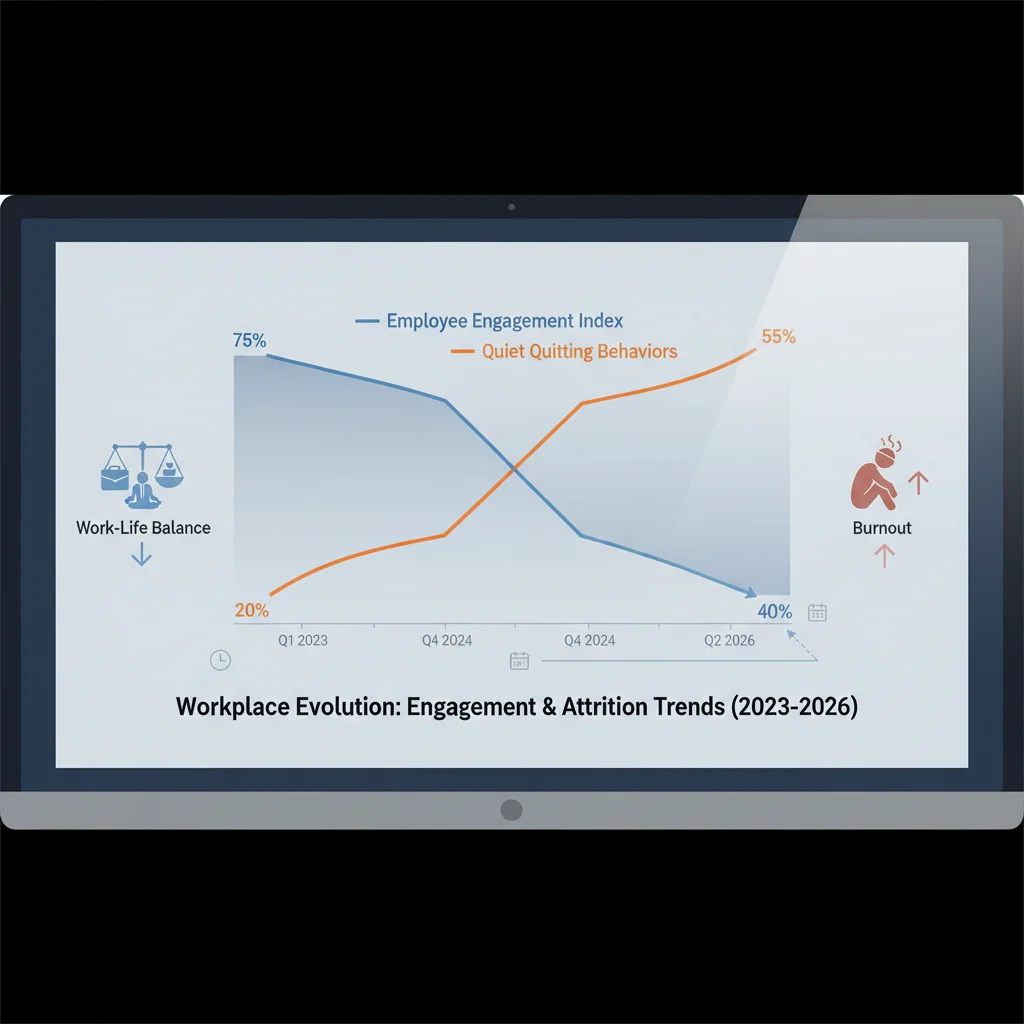
The term ‘quiet quitting’ burst into the mainstream lexicon around 2022, rapidly becoming a focal point of discussion in human resources departments, corporate boardrooms, and water cooler conversations across the United States. Far from a novel concept, it describes an employee behavior where individuals fulfill the minimum requirements of their job description without taking on additional tasks, demonstrating extra enthusiasm, or going above and beyond. It’s not about outright resignation, but rather a psychological detachment from the traditional expectations of work, a re-evaluation of the role of labor in one’s life. This phenomenon, which gained significant traction post-pandemic, is poised to profoundly reshape U.S. workplace culture by mid-2026, necessitating a deep dive into its origins, manifestations, and long-term implications. Understanding the quiet quitting impact is crucial for organizational resilience and employee well-being.
The initial surge in quiet quitting was often attributed to a confluence of factors, including burnout from the intense demands of the pandemic era, a growing desire for improved work-life balance, and a general disillusionment with corporate culture that often prioritizes profit over people. As we move towards mid-2026, these foundational drivers continue to evolve, influenced by economic shifts, technological advancements, and a generational recalibration of values. This article will explore these dynamics, offering a comprehensive analysis of how quiet quitting is not merely a fleeting trend but a significant indicator of a deeper transformation in the American work ethic.
The Genesis and Evolution of Quiet Quitting
To fully grasp the projected quiet quitting impact by mid-2026, it’s essential to trace its origins. While the term gained virality recently, the underlying sentiment has always existed. Employees have, for decades, navigated the fine line between meeting expectations and exceeding them. What makes quiet quitting distinct in the current era is its widespread acknowledgement and the collective identity it has fostered. Social media platforms, particularly TikTok, played a pivotal role in popularizing the term, allowing individuals to share their experiences and validate a previously unspoken feeling of workplace detachment.
Historically, the American work ethic has often been characterized by ambition, long hours, and a strong identification with one’s career. The ‘hustle culture’ of the past decades encouraged employees to continuously strive for more, viewing extra effort as a direct path to success and fulfillment. However, the pandemic served as a catalyst for a massive societal re-evaluation. Remote work blurred the lines between personal and professional life, leading to unprecedented levels of burnout. Employees found themselves working longer hours, often without commensurate recognition or compensation, leading to a palpable fatigue. This environment fostered a fertile ground for the quiet quitting mindset to take root.
Furthermore, economic anxieties, such as inflation and stagnant wage growth, have contributed to a sense of futility for many workers. If extra effort doesn’t translate into significant financial improvement or career advancement, the incentive to go above and beyond diminishes. This pragmatic approach to work – doing just enough to retain employment without emotional overinvestment – defines the core of quiet quitting. By mid-2026, this pragmatic approach is expected to solidify further, becoming a more entrenched aspect of the U.S. employment landscape, especially among younger generations entering the workforce who prioritize personal well-being and boundaries.
Key Drivers Sustaining the Quiet Quitting Trend
Several interconnected factors are sustaining and even accelerating the quiet quitting trend, ensuring its continued relevance through mid-2026. Understanding these drivers is crucial for organizations looking to mitigate its negative effects and adapt their strategies.
Burnout and Mental Health Awareness
The persistent issue of employee burnout remains a primary driver. The pandemic exacerbated stress levels, and while the immediate crisis has subsided, many workers are still grappling with its long-term mental health consequences. There’s a heightened awareness around mental health, and employees are increasingly unwilling to sacrifice their well-being for their jobs. Quiet quitting, in this context, becomes a self-preservation mechanism, a way to establish boundaries and protect mental health. As mental health continues to be destigmatized and prioritized, the quiet quitting impact on workplace norms will only grow.
Desire for Work-Life Balance
The shift to remote and hybrid work models during the pandemic offered many employees a taste of greater flexibility and autonomy. This experience fundamentally altered expectations regarding work-life balance. Employees now demand more control over their schedules and personal time, viewing work as one component of life rather than its central defining feature. Quiet quitting is a manifestation of this desire, as employees consciously choose not to let work encroach on their personal lives beyond the stipulated hours. This cultural shift is not temporary; it represents a fundamental re-ordering of priorities that will persist.
Lack of Engagement and Recognition
A significant portion of the workforce feels disengaged. Surveys consistently show low levels of employee engagement, often stemming from a perceived lack of recognition, opportunities for growth, or a clear connection between individual effort and organizational success. When employees feel their contributions are not valued or that their career progression is stagnant despite their efforts, they are more likely to retreat into quiet quitting. This disengagement, if unaddressed, will continue to fuel the trend, making the quiet quitting impact on productivity and innovation substantial.
Generational Shifts and Values
Younger generations, particularly Gen Z, are entering the workforce with different values and expectations compared to their predecessors. They often prioritize purpose, flexibility, and well-being over traditional notions of career climbing at all costs. They are also more vocal about their boundaries and less inclined to tolerate exploitative work practices. This generational shift is a powerful force shaping the future of work and will undoubtedly amplify the quiet quitting phenomenon. Their influence will be increasingly felt by mid-2026 as they constitute a larger segment of the labor market.
Economic Factors and Wage Stagnation
Despite rising inflation, real wages have not kept pace for many workers. This economic reality means that for some, the incentive to work harder for marginal gains has diminished. If extra effort doesn’t translate into a meaningful improvement in living standards, employees may rationally choose to limit their output to the contracted minimum. The perceived unfairness of the economic system can foster resentment, further contributing to the quiet quitting mindset. This economic backdrop ensures that the quiet quitting impact is not just psychological but also economically driven.

Projected Impact on U.S. Workplace Culture by Mid-2026
The pervasive nature of quiet quitting means its ripple effects will be felt across various facets of U.S. workplace culture by mid-2026. These impacts will necessitate significant adjustments from employers and a re-evaluation of traditional management paradigms.
Decreased Productivity and Innovation
One of the most immediate and tangible consequences of widespread quiet quitting is a potential decline in overall organizational productivity and innovation. When employees only do the bare minimum, the synergistic effects of teamwork, spontaneous problem-solving, and creative ideation are significantly diminished. Companies might find themselves struggling to meet ambitious goals, develop new products, or adapt quickly to market changes if a substantial portion of their workforce is disengaged. The cumulative quiet quitting impact on a national scale could potentially affect economic competitiveness.
Strained Manager-Employee Relationships
Quiet quitting can create tension between managers and employees. Managers, often under pressure to deliver results, may perceive quiet quitting as a lack of commitment or even insubordination. Employees, on the other hand, may feel their boundaries are being disrespected or that their efforts are undervalued. This can lead to a breakdown in trust, increased surveillance (e.g., micromanagement), and a more adversarial workplace environment. Effective leadership will require a nuanced understanding of quiet quitting’s drivers rather than punitive measures.
Challenges in Talent Attraction and Retention
Companies with cultures that inadvertently foster quiet quitting may struggle to attract and retain top talent. In a competitive labor market, organizations known for demanding excessive hours or having poor work-life balance will be at a disadvantage. Conversely, companies that proactively address the root causes of quiet quitting by promoting well-being, offering flexibility, and recognizing contributions will become more attractive employers. The quiet quitting impact will therefore directly influence employer branding and recruitment strategies.
Shifting Expectations of Work and Career Paths
By mid-2026, quiet quitting will have further normalized the idea that a job is primarily a means to an end, rather than a primary source of identity or fulfillment. This will lead to a broader re-evaluation of career paths. Employees may prioritize roles that offer better work-life integration, even if they come with lower pay or less prestige. The traditional linear career progression might be replaced by more flexible, portfolio-based approaches to work, where individuals move between roles and industries to optimize their overall well-being. This represents a significant cultural shift from previous generations.
Increased Focus on Employee Well-being and Engagement
In response to the quiet quitting phenomenon, organizations will be compelled to invest more heavily in employee well-being and engagement initiatives. This includes robust mental health support, flexible work arrangements, transparent communication, and meaningful recognition programs. The focus will shift from simply measuring output to understanding and nurturing employee satisfaction and connection. Companies that fail to adapt risk a disengaged workforce and high turnover. The positive quiet quitting impact might be forcing organizations to become more human-centric.
Strategies for Employers to Address Quiet Quitting
Addressing quiet quitting effectively requires a multi-faceted approach that goes beyond superficial fixes. Employers need to fundamentally rethink their organizational culture and management practices.
Foster a Culture of Trust and Transparency
Building trust is paramount. This involves transparent communication about company goals, challenges, and decisions. When employees feel they are in the loop and that their contributions are genuinely valued, they are more likely to feel invested. Managers should be trained to communicate openly, provide constructive feedback, and listen actively to employee concerns. A culture of psychological safety where employees feel comfortable expressing their needs without fear of reprisal is crucial.
Promote Work-Life Balance and Flexibility
Offering genuine flexibility, whether through remote work options, flexible hours, or compressed workweeks, can significantly combat quiet quitting. Employers should also actively discourage overwork and promote boundaries. This means leading by example – managers should avoid sending emails late at night or on weekends, and workload expectations should be realistic and manageable. Policies that support parental leave, mental health days, and sabbaticals can also contribute to a healthier work-life integration.
Enhance Employee Engagement and Recognition
Regularly solicit feedback from employees through surveys, one-on-one meetings, and focus groups. Act on this feedback to demonstrate that employee voices matter. Implement robust recognition programs that acknowledge and reward extra effort, not just financially, but also through public praise, professional development opportunities, and career advancement. Clearly articulate how individual roles contribute to the broader organizational mission, providing a sense of purpose and meaning. Investing in employee growth through training and development can also re-energize a disengaged workforce.
Invest in Manager Training and Development
Managers are on the front lines of addressing quiet quitting. They need training in empathetic leadership, active listening, conflict resolution, and how to identify and address early signs of disengagement. Empowering managers to support their teams’ well-being and career development is critical. They should be equipped to have difficult conversations, understand employee motivations, and act as advocates for their teams within the organization. The quiet quitting impact is often felt most acutely at the team level, making manager effectiveness key.
Re-evaluate Compensation and Benefits
While quiet quitting isn’t solely about pay, inadequate compensation can certainly be a contributing factor. Employers should regularly review their compensation and benefits packages to ensure they are competitive and fair. This includes not just salaries, but also health benefits, retirement plans, and other perks that contribute to an employee’s overall financial security and well-being. A perception of being undervalued financially can quickly lead to a quiet quitting mindset.
The Employee’s Perspective: Navigating Quiet Quitting
While much of the discussion focuses on employers, employees also play an active role in navigating the quiet quitting phenomenon. For individuals, it’s often a conscious decision to protect their boundaries and reclaim their personal lives.
Setting Clear Boundaries
For employees, quiet quitting often begins with setting clear personal and professional boundaries. This involves defining work hours, limiting after-hours communication, and learning to say ‘no’ to additional tasks that fall outside their core responsibilities. It’s about consciously deciding how much emotional and intellectual energy to invest in work versus other aspects of life. This self-advocacy is a critical component of maintaining well-being in a demanding work environment.
Reclaiming Personal Time and Well-being
Many employees who engage in quiet quitting do so to reclaim time and energy for personal pursuits, hobbies, family, and rest. This shift reflects a growing realization that identity and fulfillment don’t solely reside in one’s professional life. Prioritizing mental and physical health, pursuing personal passions, and fostering relationships outside of work become central. This is not laziness, but a strategic reallocation of personal resources.
Seeking Purpose and Meaning Beyond Work
The quiet quitting trend suggests a broader societal search for purpose and meaning that extends beyond the workplace. Employees are increasingly looking for fulfillment in community involvement, creative endeavors, lifelong learning, or personal development. Work, for them, becomes a means to support these other aspects of a rich and meaningful life. This perspective challenges the traditional notion that a job should be the primary source of personal identity and meaning.
Advocating for Fairer Work Practices
Collectively, quiet quitting can also be seen as a form of passive resistance or advocacy for fairer work practices. When a significant portion of the workforce adopts this stance, it sends a clear message to employers that current expectations are unsustainable or inequitable. While not an overt protest, the collective quiet quitting impact can pressure organizations to re-evaluate their policies and create more supportive work environments. This cultural shift could ultimately lead to more balanced and sustainable employment models for everyone.
Conclusion: A New Era for U.S. Workplace Culture
By mid-2026, the quiet quitting phenomenon will have solidified its place as a defining characteristic of the U.S. workplace. It is not merely a passing fad but a symptom of deeper societal shifts concerning work, well-being, and personal fulfillment. The traditional paradigm of ‘always on’ and ‘always striving’ is being challenged by a workforce increasingly prioritizing boundaries, mental health, and a balanced life.
For employers, ignoring quiet quitting is not an option. Those who fail to adapt will likely face decreased productivity, higher turnover, and significant challenges in attracting talent. Success in this new landscape will depend on fostering cultures of trust, transparency, genuine flexibility, and meaningful employee engagement. It requires a move away from command-and-control management towards empathetic leadership that values and supports the whole employee.
For employees, quiet quitting represents a powerful, albeit subtle, means of self-preservation and advocacy. It empowers individuals to define their relationship with work on their own terms, promoting personal well-being and a more holistic sense of identity. As we approach mid-2026, the ongoing quiet quitting impact will continue to reshape expectations, policies, and the very fabric of American corporate life, ushering in an era where the balance between professional output and personal well-being is more carefully negotiated than ever before.