Future Leisure: 5 Trends Redefining American Free Time by 2026
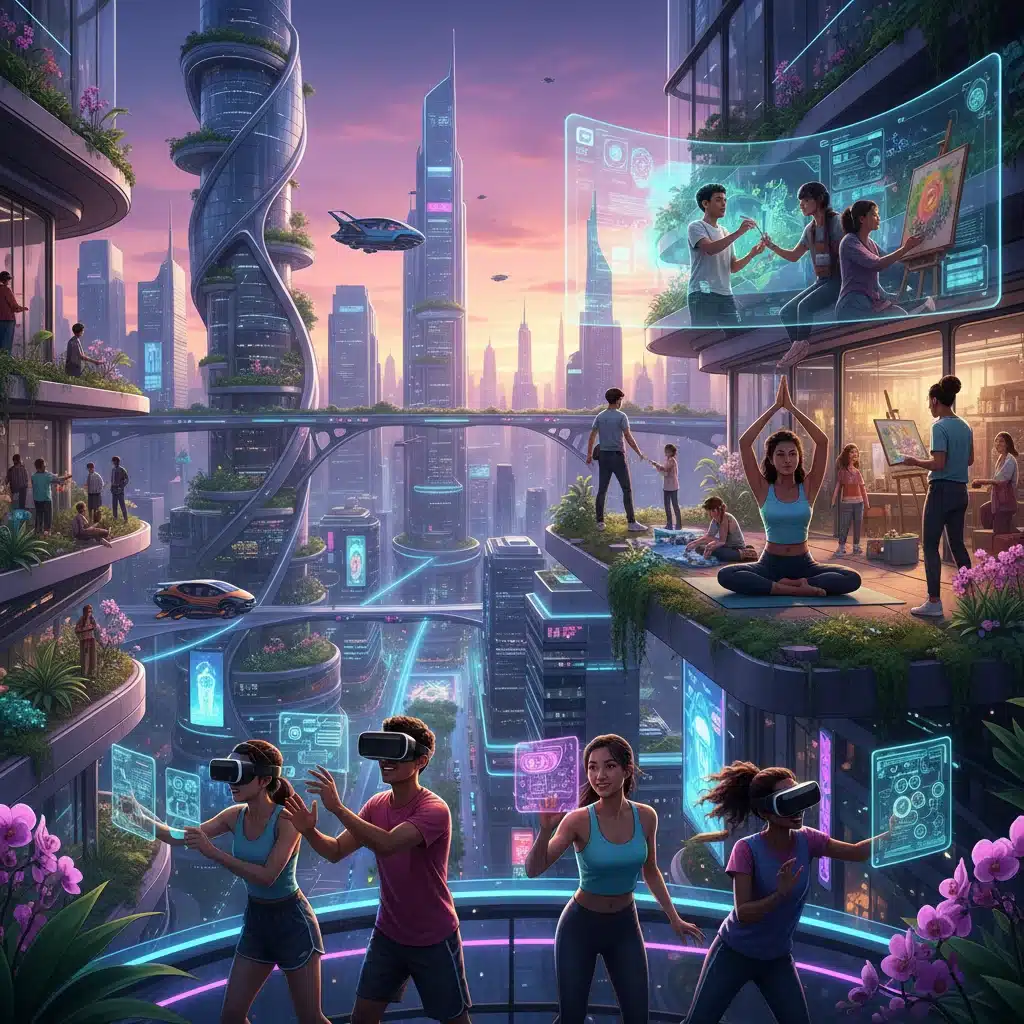
Rethinking Leisure: How 5 New Trends Are Changing American Free Time in 2026
The concept of “free time” in America is undergoing a profound transformation. What once involved predictable routines and traditional pastimes is now evolving into a dynamic tapestry of experiences, driven by technological advancements, shifting societal values, and a renewed focus on personal well-being. As we gaze into the near future, specifically towards 2026, it becomes clear that the ways Americans choose to spend their precious moments of leisure are not just changing incrementally, but are being fundamentally redefined. This article will delve into five pivotal future leisure trends that are set to reshape the landscape of American free time, offering insights into how these shifts will impact individuals, communities, and industries.
Our perception of leisure has always been a reflection of our societal priorities. In an increasingly fast-paced and interconnected world, the desire for meaningful, enriching, and often personalized experiences is paramount. This isn’t just about escaping the daily grind; it’s about actively pursuing growth, connection, and rejuvenation. From the rise of immersive digital worlds to the return to nature and community-focused activities, these trends paint a vivid picture of a future where leisure is more intentional, diverse, and integrated into our overall well-being.
Understanding these future leisure trends is crucial for businesses looking to innovate, policymakers aiming to support thriving communities, and individuals seeking to make the most of their non-working hours. Let’s embark on this journey to explore the exciting new dimensions of American free time.
Trend 1: The Blurring Lines of Digital and Physical Recreation
One of the most significant future leisure trends is the accelerating convergence of our digital and physical worlds. The notion of “screen time” versus “real-world experiences” is becoming increasingly outdated. By 2026, Americans will seamlessly integrate technology into their leisure activities, creating hybrid experiences that offer the best of both realms.
Immersive Virtual and Augmented Realities (VR/AR)
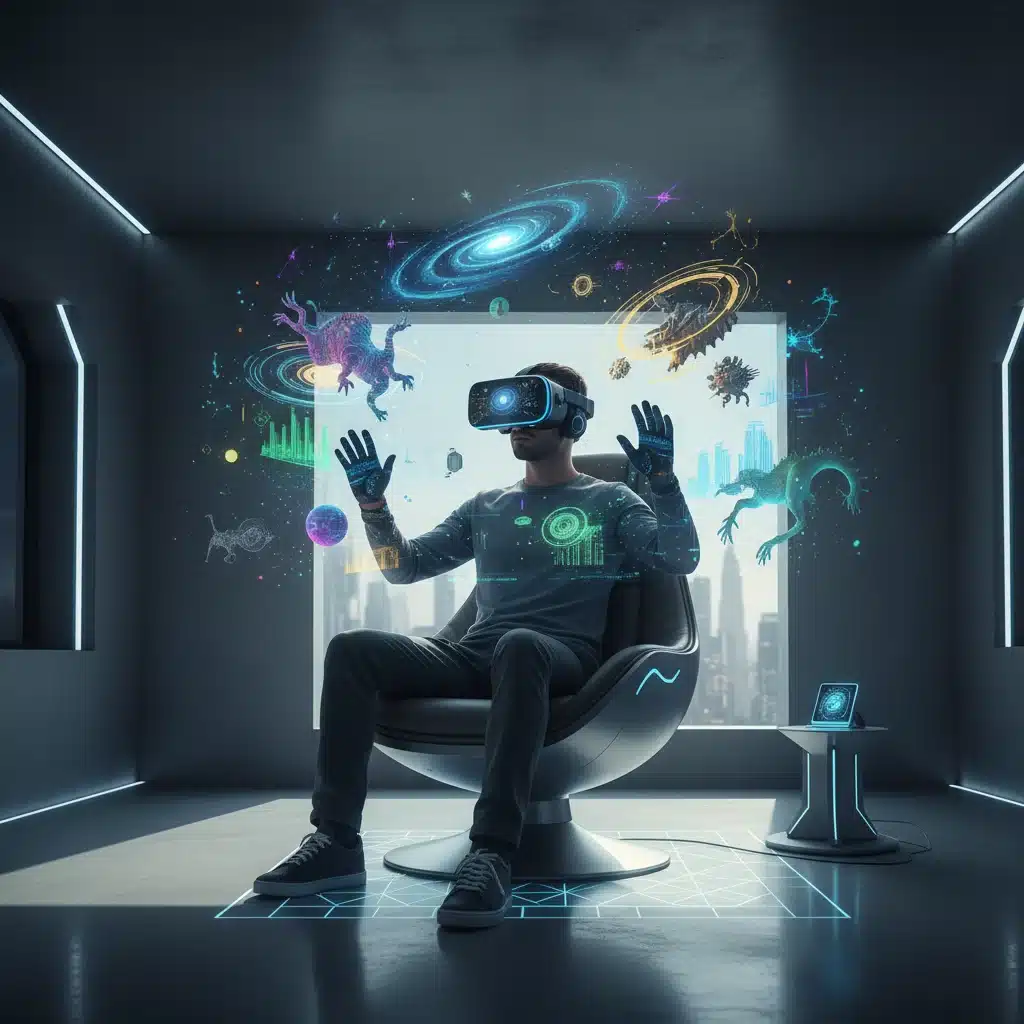
VR and AR technologies are moving beyond niche gaming and into mainstream leisure. Imagine exploring ancient ruins through a hyper-realistic VR headset from your living room, or using AR to enhance a nature walk with interactive information about flora and fauna. These technologies offer unparalleled opportunities for exploration, learning, and entertainment without the geographical limitations of traditional travel. VR fitness classes, virtual social gatherings, and even digital tourism will become commonplace, allowing individuals to engage in rich experiences that might otherwise be inaccessible.
The appeal lies in the ability to customize and personalize these experiences. Users can choose their environments, their companions (virtual or real), and the intensity of their engagement. This trend caters to a desire for novel experiences and offers a convenient alternative for those with limited time or mobility. The continued advancement in haptic feedback and sensory immersion will make these digital leisure activities almost indistinguishable from their physical counterparts, creating a truly compelling option for how Americans spend their free time.
Gamified Real-World Experiences
Conversely, the principles of gaming are being applied to physical activities, making them more engaging and rewarding. Think of fitness apps that turn your daily run into a quest, or augmented reality games that encourage exploration of urban spaces. These “gamified” experiences leverage our innate desire for challenge, progress, and social interaction, transforming mundane tasks into exciting leisure pursuits.
Location-based AR games, similar to the phenomenon of Pokémon Go but far more sophisticated, will encourage people to explore their local environments, interact with public art, or solve puzzles that are overlaid onto the real world. This trend not only promotes physical activity and local engagement but also offers a new way to connect with friends and family through shared, interactive adventures. The blend of digital prompts and physical action provides a stimulating and memorable form of leisure that appeals to a wide demographic.
Trend 2: The Prioritization of Wellness and Mindful Recreation
In an era of chronic stress and digital overload, the pursuit of wellness has transcended a mere health fad to become a fundamental aspect of how Americans approach their leisure time. By 2026, mindful recreation will be a dominant theme, with individuals actively seeking activities that promote mental, emotional, and physical well-being.
Holistic Health Retreats and “Wellness Tourism”
Gone are the days when vacations were solely about sightseeing. The future leisure trends point towards a significant rise in “wellness tourism,” where the primary goal of travel is self-improvement and rejuvenation. This includes retreats focused on meditation, yoga, mindfulness, digital detox, and even specialized nutritional programs. These experiences often combine luxurious settings with expert-led sessions, offering a comprehensive approach to well-being.
People are willing to invest more in experiences that promise genuine restoration and personal growth. These retreats are not just about relaxation; they are about learning new coping mechanisms for stress, improving physical health, and fostering a deeper connection with oneself. The demand for bespoke wellness itineraries, offering everything from forest bathing to silent retreats, will continue to grow, reflecting a collective desire to disconnect from the demands of modern life and reconnect with inner peace.
Micro-Mindfulness and Everyday Wellness
Beyond dedicated retreats, there’s a growing emphasis on integrating mindfulness into daily leisure. This includes practices like mindful walking, conscious eating, and short meditation breaks throughout the day. Apps and wearable technologies are playing a crucial role in facilitating this, offering guided meditations, breathwork exercises, and personalized wellness tracking.
The shift is towards viewing leisure not just as an escape, but as an opportunity to cultivate presence and enhance overall quality of life. Even common activities like gardening, cooking, or listening to music are being approached with a greater sense of intention and awareness. This trend highlights a fundamental change in how Americans perceive their free time – as a valuable resource for self-care and personal development, rather than just passive entertainment.
Trend 3: The Resurgence of Community and Local Engagement
Despite our increasingly digital lives, there’s a powerful counter-trend emerging: a renewed desire for authentic human connection and engagement with local communities. By 2026, many Americans will seek leisure activities that foster a sense of belonging and contribute positively to their immediate surroundings.
Hyper-Local Experiences and “Staycations”
The pandemic undoubtedly accelerated the “staycation” phenomenon, but its roots run deeper. People are rediscovering the richness and diversity of their own neighborhoods and cities. This includes exploring local parks, supporting small businesses, attending community festivals, and participating in local workshops or classes. The emphasis is on authentic, accessible experiences that don’t require extensive travel or planning.
This trend is fueled by a desire for convenience, sustainability, and a deeper connection to one’s roots. It also reflects a growing appreciation for the unique cultural fabric of local communities. Leisure time is being repurposed to build stronger local ties, discover hidden gems, and reduce the environmental footprint associated with long-distance travel. Urban planners and local businesses are responding by creating more vibrant public spaces and offering tailored local experiences.
Participatory and Collaborative Leisure
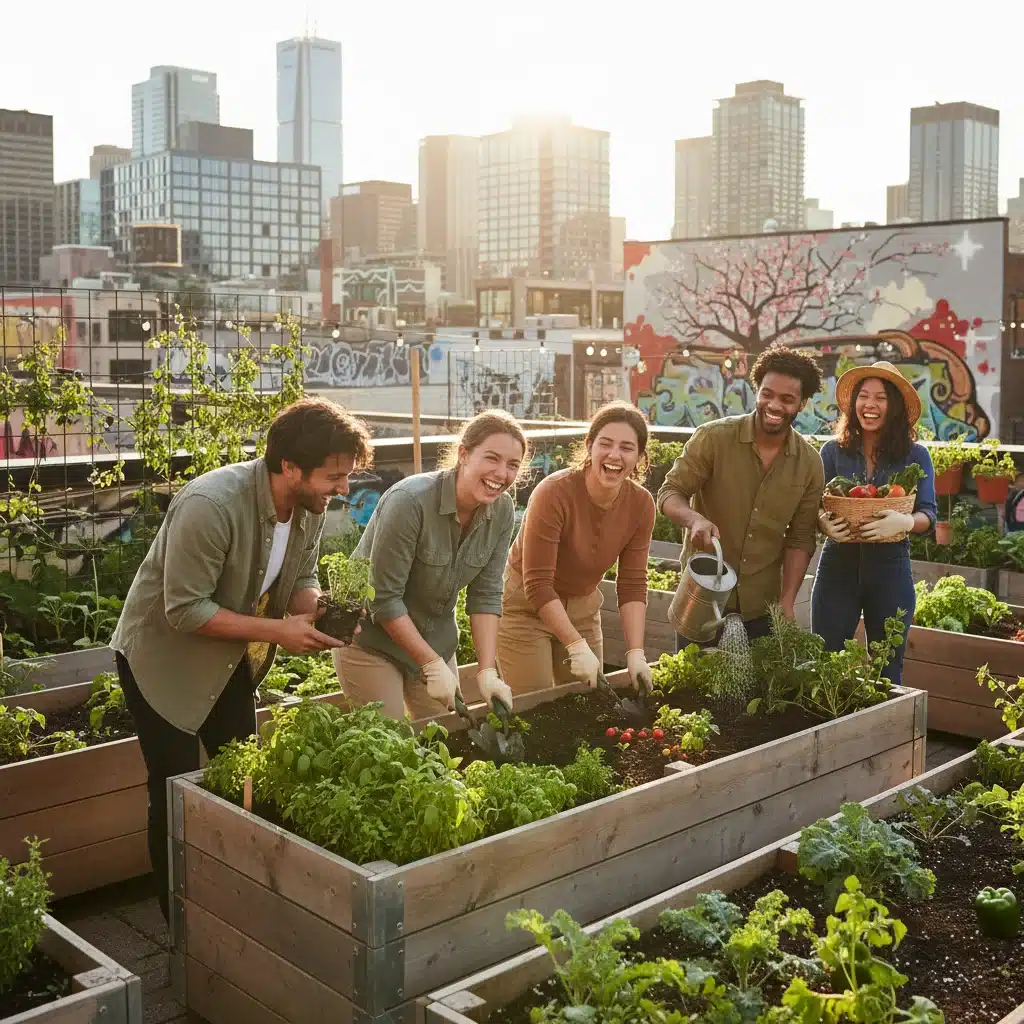
Beyond passive consumption, there’s a growing appetite for leisure activities that involve active participation and collaboration. This could range from community gardening projects, where neighbors work together to cultivate shared green spaces, to collaborative art installations, or even local sports leagues that prioritize social interaction over intense competition.
The appeal of these activities lies in the opportunity to connect with like-minded individuals, learn new skills, and contribute to something larger than oneself. They offer a powerful antidote to feelings of isolation and provide a sense of purpose beyond individualistic pursuits. This collective approach to leisure strengthens social bonds and creates more resilient, engaged communities, making it a powerful force among the future leisure trends.
Trend 4: The Rise of “Micro-Adventures” and Spontaneous Exploration
The traditional idea of a grand, meticulously planned adventure is being complemented, and sometimes replaced, by the allure of “micro-adventures.” These are short, accessible, and often spontaneous excursions that inject excitement and novelty into everyday life without requiring significant time or financial commitment.
Short, Impactful Escapes
Micro-adventures can be anything from an overnight camping trip in a nearby state park, a sunrise hike before work, exploring a new neighborhood by bike, or even trying a new, challenging recipe at home. The key elements are novelty, a sense of exploration, and a break from routine. They offer a dose of exhilaration and a change of scenery without the logistical complexities of a longer trip.
This trend resonates with individuals who have demanding schedules but still crave meaningful experiences. It allows for more frequent breaks and opportunities for rejuvenation, preventing burnout and fostering a sense of continuous discovery. The growth of accessible outdoor gear and resources, combined with a cultural emphasis on well-being, makes these short but impactful escapes increasingly popular. They are a testament to the fact that adventure doesn’t always have to be far-flung or expensive; it can be found just around the corner.
Spontaneity and Flexibility
The digital age, ironically, enables greater spontaneity in leisure. With instant access to information about local events, weather conditions, and travel options, individuals can make last-minute decisions to embark on a micro-adventure. This flexibility is highly valued in a world where plans can change rapidly.
Platforms that facilitate spontaneous meet-ups for activities like hiking, climbing, or even urban exploration will thrive. The emphasis is on seizing the moment and embracing serendipity. This shift away from rigid planning allows for a more fluid and responsive approach to leisure, catering to a desire for freedom and immediate gratification. It’s about making the most of unexpected free pockets of time, transforming them into memorable mini-escapes.
Trend 5: Personalized Learning and Skill Acquisition as Leisure
Learning is no longer confined to educational institutions or career development; it has firmly established itself as a legitimate and highly valued form of leisure. By 2026, Americans will increasingly dedicate their free time to acquiring new skills, exploring passions, and pursuing personal growth through various learning avenues.
Online Courses and Workshops for Hobbies
The proliferation of online learning platforms has democratized access to knowledge and skill-building. Individuals can now learn anything from coding and digital art to gourmet cooking and musical instruments, all from the comfort of their homes. These platforms offer flexible schedules and personalized learning paths, making education an accessible and enjoyable leisure activity.
The motivation extends beyond professional advancement; it’s often driven by a desire for self-expression, creative fulfillment, or simply the joy of mastering something new. Many find the process of learning itself to be a deeply rewarding and meditative experience, offering a sense of accomplishment and intellectual stimulation. This trend highlights a shift towards viewing leisure as an opportunity for continuous self-improvement and intellectual enrichment.
DIY Culture and Creative Pursuits
Hand-in-hand with personalized learning is the flourishing “DIY” culture. Americans are increasingly spending their leisure time on creative projects – crafting, home improvement, upcycling, and various forms of artistic expression. This trend is fueled by a desire for authenticity, sustainability, and the satisfaction of creating something with one’s own hands.
Workshops, both online and in-person, that teach skills like pottery, woodworking, knitting, or even bread-making are seeing a surge in popularity. These activities offer a tangible sense of achievement and a break from the often-abstract nature of digital work. They also provide opportunities for social interaction and the sharing of knowledge within communities, further reinforcing the idea that leisure can be both productive and deeply fulfilling. The emphasis on hands-on creation is a powerful antidote to the passive consumption that often characterizes modern life, making it a significant element of the future leisure trends.
The Broader Implications of Evolving Leisure
These five future leisure trends are not isolated phenomena; they are interconnected and collectively paint a picture of a more intentional, diverse, and personalized approach to free time. The implications of these shifts are far-reaching, impacting various sectors of the economy and society at large.
Economic Opportunities
Industries catering to experiential services, personalized wellness, local tourism, and skill-based learning are poised for significant growth. Businesses that can adapt to these changing preferences – offering flexible, customized, and value-driven leisure options – will thrive. This includes everything from bespoke travel agencies specializing in wellness retreats to local artisan workshops and developers of immersive VR/AR content.
The gig economy will also play a crucial role, providing platforms for individuals to monetize their skills and offer unique leisure experiences, further blurring the lines between work and passion. This creates new avenues for entrepreneurship and allows for a more dynamic allocation of talent and resources within the leisure economy.
Societal Impact
On a societal level, these trends could lead to more engaged communities, a healthier populace, and a more creatively fulfilled citizenry. The emphasis on well-being and mindful recreation could help combat rising rates of stress and anxiety, fostering a more balanced approach to life. Increased local engagement can strengthen social cohesion and support sustainable practices.
However, it also presents challenges. Ensuring equitable access to these evolving leisure opportunities, particularly for those with limited resources, will be paramount. Bridging the digital divide and ensuring that the benefits of technological advancements in leisure are widely distributed will be a key consideration for policymakers and community leaders. The push for personalization, while beneficial, must not inadvertently lead to further societal fragmentation.
Personal Well-being
For individuals, these trends offer an exciting prospect: a future where leisure is not just a break from work, but an integral part of a holistic, fulfilling life. The ability to tailor experiences to personal preferences, whether it’s through immersive digital worlds, nature-based micro-adventures, or skill-building workshops, empowers individuals to design a lifestyle that truly nourishes them.
The conscious choice to engage in activities that promote mental clarity, physical health, and social connection will lead to a more resilient and contented population. The shift from passive consumption to active participation and creation is a powerful driver of personal growth and happiness, reinforcing the idea that free time is a profound opportunity for self-realization.
Conclusion: Embracing the Evolving Landscape of Leisure
The American approach to free time is on the cusp of a significant transformation. By 2026, the five future leisure trends – the blurring of digital and physical realities, the prioritization of wellness, the resurgence of community engagement, the rise of micro-adventures, and the integration of personalized learning – will collectively redefine what it means to relax, rejuvenate, and grow.
These shifts reflect a deeper societal yearning for authenticity, connection, and purpose. As individuals, we are becoming more discerning about how we spend our precious non-working hours, seeking experiences that truly enrich our lives. For businesses and communities, understanding and adapting to these trends will be key to fostering vibrant, thriving environments that cater to the evolving needs of modern Americans.
Embracing these changes means recognizing leisure not as an afterthought, but as a vital component of a balanced and fulfilling existence. The future of leisure in America is dynamic, exciting, and full of potential for personal and collective flourishing. Prepare to rethink your free time – the revolution has already begun.