Digital Citizenship: Online Responsibilities 2026 – A Comparative Analysis

Digital Citizenship: A Comparative Study of Online Social Responsibilities in 2026
In an era defined by ubiquitous connectivity and rapid technological advancement, the concept of Digital Citizenship 2026 has become more critical than ever. As we navigate the complexities of the digital realm, understanding our online social responsibilities is paramount. This comprehensive article delves into a comparative study of digital citizenship, examining the evolving landscape of ethical conduct, societal expectations, and the challenges and opportunities presented by an increasingly interconnected world.
The year 2026 marks a significant point in the evolution of digital interaction. With AI integration becoming more seamless, virtual and augmented realities gaining traction, and the metaverse beginning to shape new forms of social engagement, the definition of a ‘good’ digital citizen is constantly being redefined. This analysis aims to provide a robust framework for understanding and promoting responsible online behavior, highlighting key trends and offering actionable insights for individuals, educators, policymakers, and organizations alike.
Defining Digital Citizenship in 2026: Beyond the Basics
Traditionally, digital citizenship encompassed aspects like digital access, commerce, communication, literacy, etiquette, law, rights and responsibilities, health and wellness, and security. However, by 2026, these pillars have expanded and deepened. The emphasis has shifted from merely understanding these concepts to actively embodying them in a dynamic, ever-changing digital environment. Digital Citizenship 2026 now calls for a proactive approach to online engagement, recognizing the profound impact of individual actions on the collective digital society.
The Evolution of Digital Etiquette and Communication
Online communication, once primarily text-based, now spans rich multimedia formats, immersive virtual environments, and AI-driven interactions. Digital etiquette in 2026 requires not only respectful language but also an understanding of how tone, context, and non-verbal cues (or their absence) translate across different platforms. The rise of deepfakes and sophisticated AI-generated content also places a greater burden on individuals to critically assess information and communicate transparently about the authenticity of their own digital creations.
- Empathy in Virtual Spaces: Understanding the emotional impact of online interactions, especially in immersive environments.
- Transparency in AI Usage: Clearly disclosing when AI is used in content creation or communication.
- Responsible Content Sharing: Verifying information before sharing to combat misinformation.
Comparative Analysis: Regional and Generational Perspectives on Digital Citizenship 2026
The understanding and practice of Digital Citizenship 2026 are not monolithic. They vary significantly across different geographical regions, cultural contexts, and generational cohorts. A comparative study reveals fascinating insights into how diverse societies are grappling with similar digital challenges, often arriving at unique solutions.
Western Democracies: Emphasis on Individual Rights and Privacy
In Western democracies, the discourse around digital citizenship heavily emphasizes individual rights, freedom of expression, and data privacy. Regulations like GDPR (General Data Protection Regulation) and evolving data protection laws in the United States underscore a strong commitment to safeguarding personal information. By 2026, these regions are seeing increased demand for transparent data practices from tech companies and a greater push for digital literacy programs that empower citizens to manage their digital footprints effectively. The challenge lies in balancing these individual freedoms with the need for collective online safety and the prevention of harmful content.
Asian Nations: Community Harmony and Digital Innovation
Many Asian nations, particularly those with collectivistic cultures, often place a higher emphasis on community harmony and social responsibility in their approach to digital citizenship. While technological innovation is embraced enthusiastically, there’s often a stronger focus on using digital tools to enhance collective well-being and maintain social order. Government oversight in some regions might be more pronounced, with debates centering on the balance between individual liberties and state control over digital spaces. The rapid adoption of super-apps and integrated digital ecosystems also shapes how citizens interact and perceive their online duties.
Developing Economies: Bridging the Digital Divide and Economic Empowerment
In developing economies, Digital Citizenship 2026 is often intertwined with efforts to bridge the digital divide and leverage technology for economic empowerment. Access to reliable internet, affordable devices, and digital skills training are fundamental components. The focus is on enabling citizens to participate in the digital economy, access essential services, and use online platforms for education and entrepreneurship. Challenges include combating online scams, ensuring equitable access, and developing localized digital literacy programs that address specific community needs and cultural nuances.
Generational Shifts: Gen Z, Alpha, and Beyond
Each generation approaches digital citizenship with a unique perspective. Gen Z, digital natives who grew up with social media, are often adept at navigating online spaces but may require guidance on critical media consumption and managing digital well-being. Gen Alpha, the first generation born entirely in the 21st century, is growing up with AI as an integral part of their lives, necessitating new educational approaches to foster ethical AI interaction and understanding. Comparing these generational attitudes highlights the need for adaptive educational strategies that evolve with technological advancements and user behaviors.
The Pillars of Responsible Digital Citizenship 2026
To truly understand Digital Citizenship 2026, it’s essential to break down its core components, which have become more nuanced and interconnected than ever before.
Digital Literacy and Critical Thinking
Beyond simply knowing how to use technology, digital literacy in 2026 involves a sophisticated ability to evaluate information critically, identify misinformation and disinformation, and understand algorithmic biases. Citizens must be equipped to distinguish between genuine and AI-generated content, assess the credibility of sources, and comprehend the persuasive techniques employed online. This critical thinking extends to understanding the societal implications of emerging technologies.

Data Privacy and Security
The protection of personal data remains a cornerstone of digital citizenship. In 2026, with the proliferation of IoT devices, biometric authentication, and advanced data analytics, citizens face unprecedented challenges in maintaining their privacy. Responsible digital citizens are aware of their data rights, understand privacy policies, utilize strong security practices (e.g., multi-factor authentication), and advocate for stronger data governance. The concept of ‘data sovereignty’ – control over one’s own data – is gaining significant traction.
Online Ethics and Empathy
Ethical conduct online extends beyond refraining from cyberbullying. It encompasses respectful dialogue, constructive criticism, and an understanding of the diverse perspectives present in global online communities. Empathy in 2026 also means recognizing the potential for digital actions to cause real-world harm, from the spread of hateful ideologies to the amplification of societal divisions. Promoting a culture of kindness and understanding is vital for a healthy digital ecosystem.
Digital Wellness and Mental Health
As digital engagement becomes more pervasive, the impact on mental health and well-being is a growing concern. Digital Citizenship 2026 includes practices that promote healthy technology use, such as managing screen time, recognizing signs of digital addiction, and seeking balance between online and offline lives. Tech companies are increasingly expected to design platforms with user well-being in mind, while individuals are encouraged to cultivate self-awareness regarding their digital habits.
Cybersecurity Awareness
With cyber threats constantly evolving, a fundamental aspect of digital citizenship is a strong awareness of cybersecurity best practices. This includes recognizing phishing attempts, understanding the risks of public Wi-Fi, using secure passwords, and knowing how to report suspicious online activity. Education on emerging threats like ransomware and sophisticated social engineering tactics is crucial for protecting both individual and collective digital infrastructure.
Challenges and Opportunities for Digital Citizenship in 2026
The journey towards universal responsible Digital Citizenship 2026 is fraught with challenges, but also presents immense opportunities for positive change.
Challenges:
- Misinformation and Disinformation: The rapid spread of false or misleading information, often amplified by algorithms, continues to be a major threat to informed public discourse and democratic processes.
- Algorithmic Bias and Discrimination: AI systems, if not carefully designed and monitored, can perpetuate and amplify existing societal biases, leading to discriminatory outcomes in areas like employment, credit, and justice.
- Digital Divide Persistence: Despite advancements, significant disparities in access to technology and digital literacy still exist, both within and between countries, exacerbating social and economic inequalities.
- Cyberbullying and Online Harassment: The anonymity and reach of the internet can facilitate harmful behaviors, impacting the mental health and safety of individuals, particularly younger users.
- Evolving Legal and Ethical Frameworks: Legislation often struggles to keep pace with rapid technological innovation, creating gaps in governance and ethical guidelines for new digital phenomena like synthetic media or neural interfaces.
Opportunities:
- Enhanced Global Collaboration: Digital platforms offer unprecedented opportunities for international cooperation on global issues, fostering cross-cultural understanding and collective problem-solving.
- Personalized Learning and Education: Technology can revolutionize education by providing customized learning experiences, making knowledge more accessible and engaging for diverse learners worldwide.
- Civic Engagement and Advocacy: Digital tools empower citizens to participate more actively in democratic processes, voice their opinions, and mobilize for social change on a global scale.
- Economic Inclusion and Innovation: The digital economy offers new avenues for entrepreneurship, job creation, and economic growth, particularly in previously underserved communities.
- Advancements in Health and Well-being: Digital health solutions, telemedicine, and AI-powered diagnostics can improve healthcare access and outcomes, promoting a healthier global population.
Fostering Digital Citizenship 2026: Strategies and Best Practices
To cultivate a generation of responsible digital citizens, a multi-faceted approach involving education, policy, and individual responsibility is essential.
Education and Digital Literacy Programs
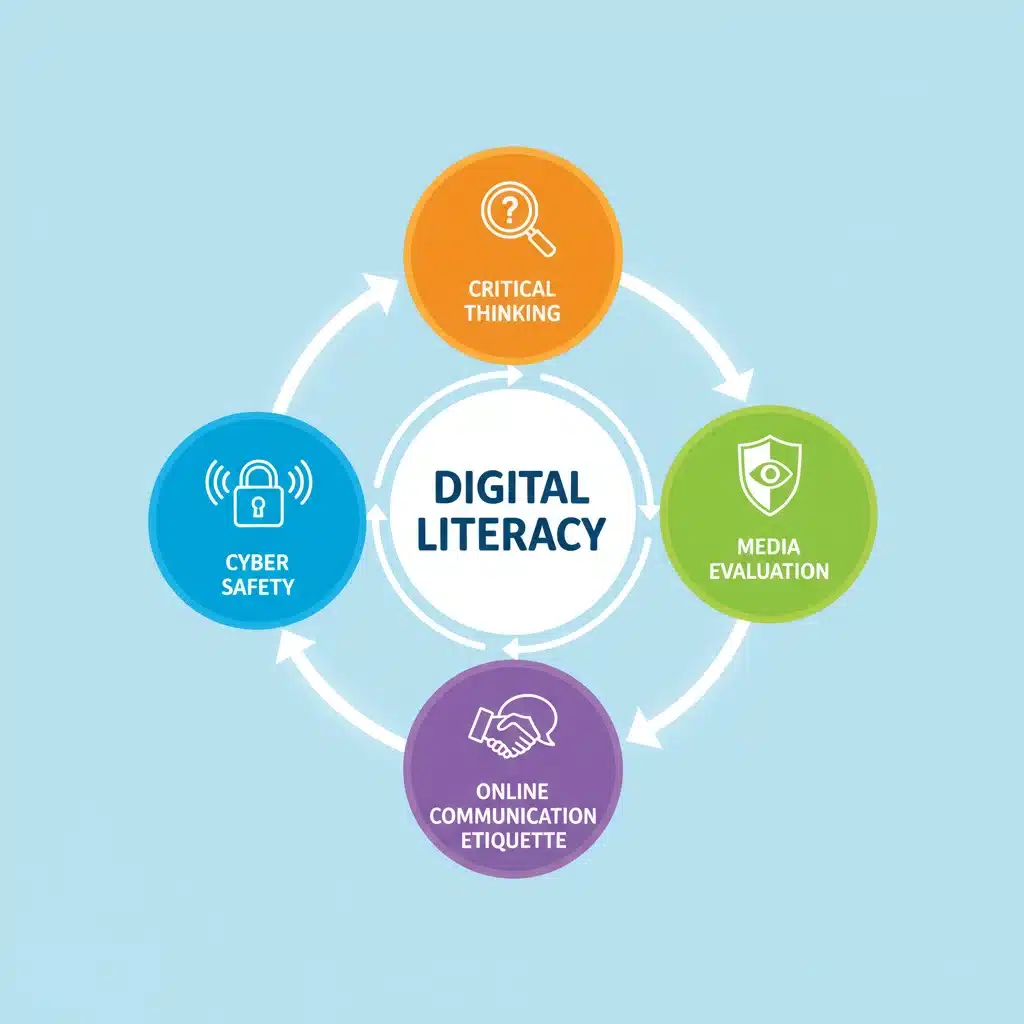
Integrating digital citizenship education into curricula from an early age is crucial. These programs should go beyond technical skills to include critical thinking, media literacy, ethical reasoning, and empathy. Lifelong learning initiatives are also necessary to keep adults abreast of new technologies and evolving digital norms. This is where the core of Digital Citizenship 2026 is really built.
Policymaking and Regulation
Governments and international bodies play a vital role in creating regulatory frameworks that protect user rights, ensure data privacy, combat online harms, and promote equitable access. These policies must be agile enough to adapt to technological changes while upholding fundamental human rights in the digital sphere. Collaborative efforts between governments, tech companies, and civil society are key to effective governance.
Corporate Responsibility
Tech companies bear a significant responsibility in designing platforms and services that prioritize user safety, privacy, and well-being. This includes transparent algorithmic practices, robust content moderation, easily accessible privacy settings, and mechanisms for reporting abuse. Ethical AI development and deployment are also paramount.
Individual Accountability
Ultimately, Digital Citizenship 2026 relies on individual accountability. Each user has a role to play in fostering a positive digital environment by practicing respectful communication, verifying information, protecting their own data, and being mindful of their digital footprint. Promoting self-regulation and critical reflection on online behavior is essential.
The Future of Digital Citizenship: Trends to Watch Beyond 2026
Looking beyond 2026, several key trends will continue to shape the landscape of digital citizenship:
- Metaverse Ethics: As immersive virtual worlds become more prevalent, new ethical dilemmas surrounding identity, ownership, digital scarcity, and virtual harassment will emerge, requiring innovative solutions for governance and social norms.
- Neurotechnology and Brain-Computer Interfaces: The integration of brain-computer interfaces will raise profound questions about mental privacy, cognitive liberty, and the ethical implications of direct neural interaction with digital systems.
- AI Companions and Digital Entities: The development of increasingly sophisticated AI companions and autonomous digital entities will necessitate discussions about their rights, responsibilities, and the nature of human-AI relationships.
- Decentralized Digital Identities: Blockchain and other decentralized technologies may offer new models for digital identity management, giving individuals greater control over their personal data and online presence.
- Global Digital Governance: The need for international cooperation on digital governance will intensify, addressing issues like cross-border data flows, cyber warfare, and the regulation of global tech monopolies.
These trends underscore the dynamic nature of Digital Citizenship 2026 and beyond. The ability to adapt, learn, and engage ethically with emerging technologies will be crucial for navigating the future digital landscape.
Conclusion: Embracing a Responsible Digital Future
The comparative study of Digital Citizenship 2026 reveals a complex, multifaceted concept that is continually evolving. While the specific challenges and priorities may differ across regions and generations, the fundamental principles of respect, responsibility, and critical engagement remain universal. Fostering a robust sense of digital citizenship is not merely about avoiding pitfalls; it is about harnessing the transformative power of technology for good – for individual empowerment, community building, and global progress.
As we move further into the digital age, the onus is on all stakeholders – individuals, educators, governments, and corporations – to collaboratively build a digital world that is inclusive, safe, and ethical. By understanding the nuances of online social responsibilities, promoting digital literacy, and engaging in thoughtful discourse, we can collectively shape a future where every digital interaction contributes positively to our shared global society. The journey of Digital Citizenship 2026 is an ongoing one, demanding continuous learning, adaptation, and a steadfast commitment to ethical online conduct.