Bridging Empathy Gaps: Fostering Community Connection in Polarized U.S.
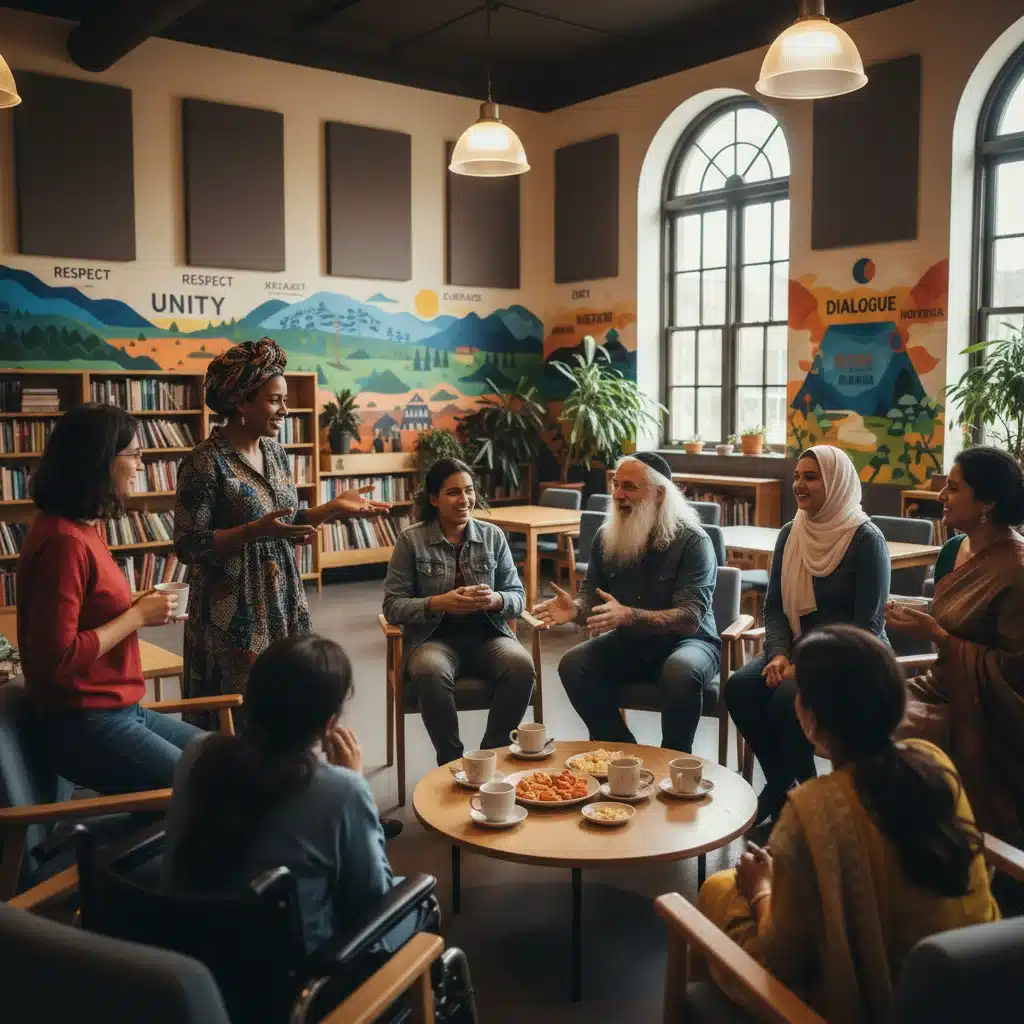
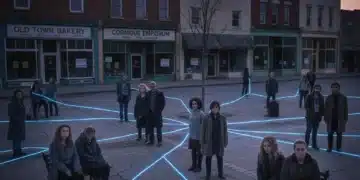
In an increasingly interconnected yet paradoxically polarized world, the concept of empathy has never been more critical, especially within the diverse tapestry of U.S. communities. The ability to understand and share the feelings of another, to walk a mile in their shoes, seems to be a skill that is eroding, leading to deeper divides and a breakdown in civil discourse. This erosion, often termed the ’empathy gap,’ manifests in various ways: political tribalism, social segregation, and an inability to find common ground on issues that affect us all. Bridging these empathy gaps is not merely a philosophical exercise; it is an urgent societal imperative for fostering connection, resilience, and progress in our local communities.
The challenges are undeniable. From national headlines to neighborhood disagreements, differing perspectives often harden into intractable positions, fueled by echo chambers and a pervasive ‘us vs. them’ mentality. This dynamic stifles genuine dialogue, prevents collaborative problem-solving, and ultimately diminishes the quality of life for everyone. However, amidst these challenges, there lies immense potential for positive change. By intentionally cultivating environments and practices that prioritize understanding, respect, and shared humanity, we can begin to mend these fractures and build stronger, more cohesive communities. This article will delve into six practical, actionable solutions designed to foster connection and bridge the empathy gap in polarized U.S. communities, offering a roadmap for individuals, community leaders, and organizations alike to embark on this vital journey.
1. Promote Structured Dialogue and Active Listening Programs
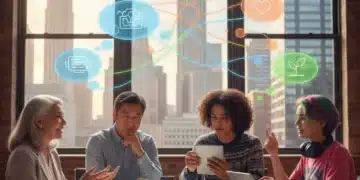
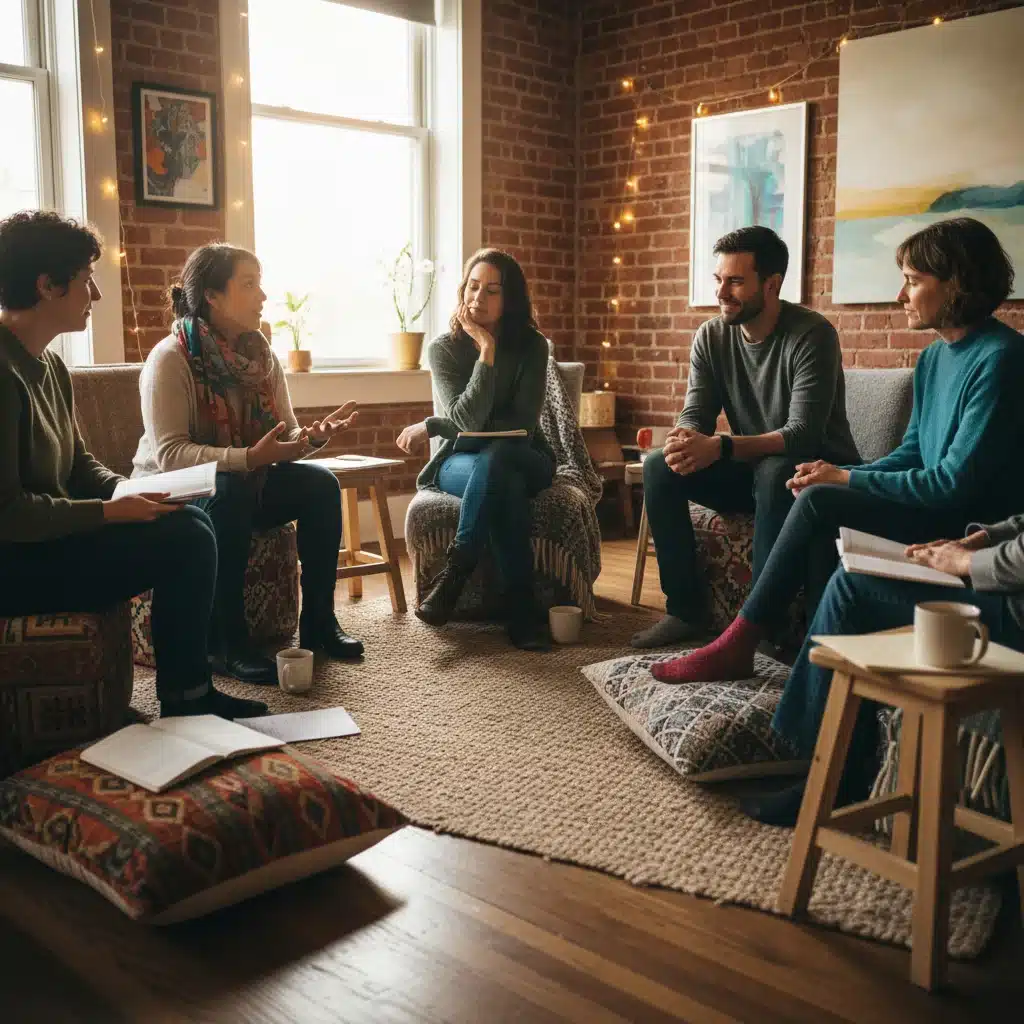
One of the most fundamental ways to bridge the community empathy solutions gap is through structured dialogue and active listening. Often, people talk past each other rather than to each other, resulting in misunderstandings and reinforced biases. Structured dialogue programs provide a safe, facilitated space for individuals with differing viewpoints to engage in meaningful conversation. These programs typically involve ground rules that emphasize respectful communication, the importance of listening without interruption, and the goal of understanding rather than debating or converting.
Active listening is a cornerstone of these initiatives. It goes beyond merely hearing words; it involves fully concentrating on what is being said, both verbally and non-verbally, understanding the message, comprehending the feelings behind the message, and then reflecting that understanding back to the speaker. Training in active listening can be incorporated into community workshops, educational programs, and even local government initiatives. For instance, a community might host ‘Living Room Conversations’ or ‘Braver Angels’ workshops, which are specifically designed to bring together people with opposing views to share personal stories and experiences, fostering human connection beyond political labels. The emphasis shifts from policy arguments to personal narratives, allowing participants to see the humanity in those they might otherwise dismiss. Digital Community Building can further enhance these connections.
Implementing these programs requires dedicated facilitators who can guide conversations, ensure equitable participation, and maintain a respectful atmosphere. The benefits are profound: participants often report increased understanding, reduced prejudice, and a greater willingness to engage with diverse perspectives in the future. These programs serve as vital tools for cultivating community empathy solutions by creating direct, human-centered interactions.
2. Encourage Cross-Group Collaboration on Shared Community Projects
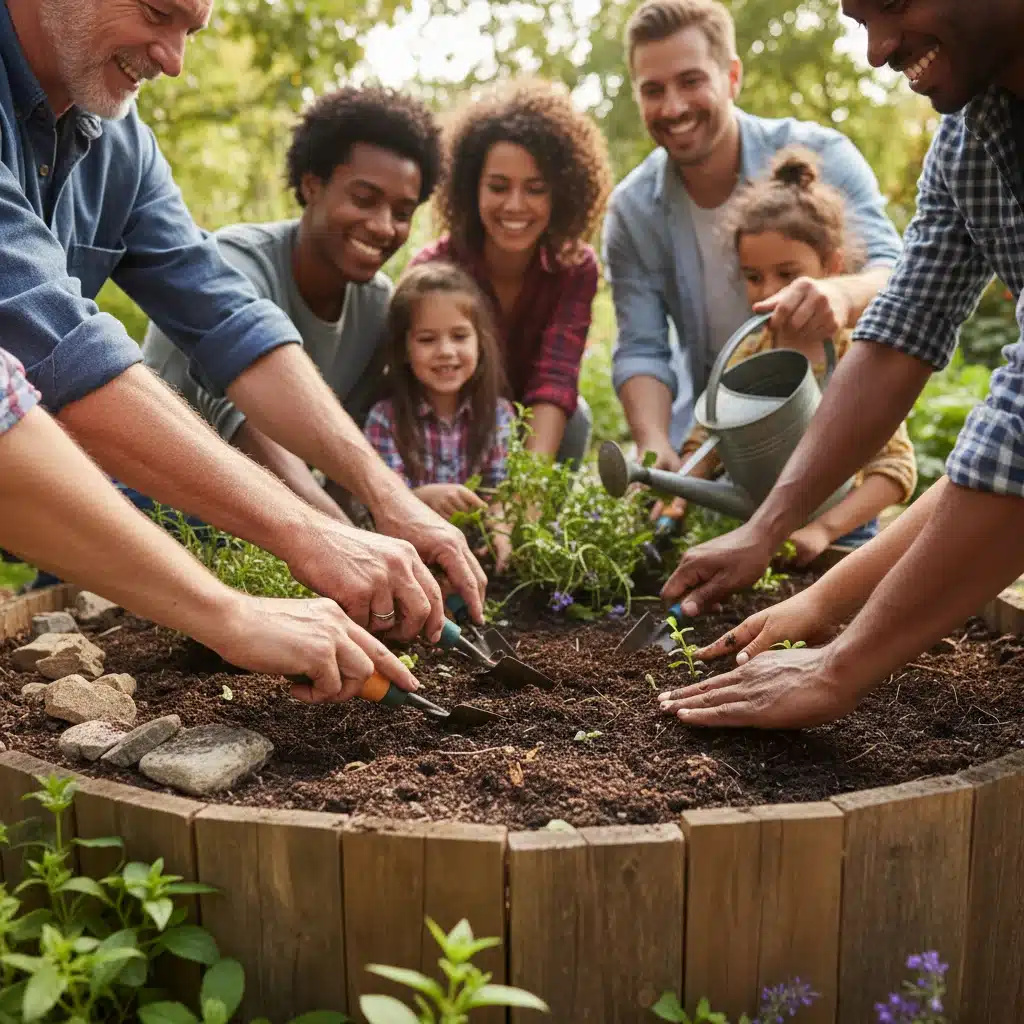
While dialogue is crucial, shared action can be an even more powerful catalyst for building community empathy solutions. When individuals from different backgrounds, political affiliations, or socio-economic strata work together towards a common, tangible goal, artificial barriers often dissolve. Collaborative community projects provide opportunities for people to see each other’s strengths, share responsibilities, and experience mutual reliance.
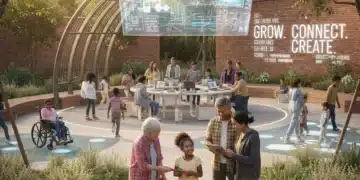
Consider initiatives such as community gardens, neighborhood clean-ups, local historical preservation efforts, or volunteer programs for vulnerable populations. These projects require diverse skill sets and perspectives, naturally bringing people together who might not otherwise interact. For example, a conservative farmer and a liberal urban planner might find common ground and mutual respect while working side-by-side to establish a community garden, learning from each other’s knowledge and dedication. The focus shifts from abstract ideological differences to concrete tasks and shared successes.
Local governments, non-profits, and faith-based organizations can play a pivotal role in identifying and organizing these projects. They can act as conveners, providing resources, logistical support, and a neutral platform for collaboration. The key is to select projects that are genuinely impactful for the community and require diverse participation, ensuring that everyone feels a sense of ownership and contribution. Through shared purpose and collective effort, these projects build social capital, break down stereotypes, and forge genuine bonds that contribute significantly to community empathy solutions.
3. Support Local Journalism and Media Literacy Initiatives
The media landscape significantly impacts the empathy gap. Sensationalized reporting, partisan news outlets, and the spread of misinformation can exacerbate polarization, paint opposing viewpoints as inherently malicious, and reduce complex issues to simplistic caricatures. To counter this, supporting robust local journalism and promoting media literacy are essential community empathy solutions.
Local journalism, often underfunded and struggling, plays a unique role in fostering community cohesion. It focuses on local issues, local people, and local solutions, providing a shared informational foundation that transcends national political divides. When people read about their neighbors, local events, and community challenges in a balanced, factual manner, it reinforces a sense of shared identity and mutual concern. Investing in local news outlets, subscribing to local papers, and supporting community-based reporting can help ensure that accurate, nuanced information is accessible.
Equally important are media literacy initiatives. These programs teach individuals how to critically evaluate information, identify bias, distinguish between fact and opinion, and understand the algorithms that shape their online news feeds. Workshops on media literacy can be offered in schools, libraries, and community centers, empowering residents to become more discerning consumers of information. By helping people navigate the complex media environment, these initiatives reduce susceptibility to divisive narratives and encourage a more informed, empathetic understanding of different perspectives, thus bolstering community empathy solutions.
4. Cultivate Intergenerational and Cross-Cultural Exchange Programs
Segregation, whether by age, culture, or socio-economic status, limits exposure to diverse life experiences and fuels the empathy gap. Intentional programs that facilitate intergenerational and cross-cultural exchanges can be powerful community empathy solutions. These initiatives create natural opportunities for people to learn from one another, share stories, and build relationships across traditional divides.
Intergenerational programs might pair senior citizens with young people for mentorship, storytelling, or shared learning experiences. For example, a program where seniors teach coding to teenagers, or where young people help older adults navigate technology, can create unexpected bonds and mutual respect. These interactions break down ageist stereotypes and foster an appreciation for different life stages and perspectives.
Cross-cultural exchange programs are equally vital, especially in diverse U.S. communities. These could involve cultural festivals, language exchange clubs, shared cooking classes featuring different cuisines, or partnerships between different ethnic community centers. By experiencing and celebrating each other’s traditions, food, and stories, individuals gain a deeper appreciation for cultural diversity and find common threads of humanity. These exchanges move beyond superficial tolerance to genuine understanding and appreciation, which are hallmarks of effective community empathy solutions.
5. Implement Restorative Practices in Schools and Justice Systems
The way conflicts are addressed within a community significantly impacts the ability to foster empathy. Traditional punitive approaches often focus on blame and punishment, which can further alienate individuals and groups. Restorative practices, in contrast, emphasize repairing harm, fostering understanding, and reintegrating individuals into the community. Implementing these practices in schools and justice systems can be transformative community empathy solutions.
In schools, restorative justice replaces traditional disciplinary methods (like suspension) with mediated conversations between those who caused harm, those who were harmed, and community members. This approach encourages students to take responsibility for their actions, understand the impact on others, and participate in finding solutions to repair the harm. It teaches empathy by requiring individuals to confront the emotional and social consequences of their behavior, rather than simply facing a consequence.
Similarly, in the broader justice system, restorative justice programs can be applied to various offenses, bringing victims, offenders, and community representatives together. This process can lead to more meaningful resolutions, higher victim satisfaction, and reduced recidivism. By focusing on healing and reintegration rather than solely on retribution, restorative practices build a stronger sense of collective responsibility and shared humanity, contributing significantly to community empathy solutions by addressing conflict constructively and empathetically.
6. Promote Civic Education and Engagement from an Early Age
A lack of understanding about how civic processes work, the history of different social movements, and the principles of democratic participation can contribute to disengagement and polarization. Promoting robust civic education and encouraging active engagement from an early age are crucial long-term community empathy solutions.
Civic education should extend beyond memorizing governmental structures. It should include critical thinking about current events, understanding diverse political ideologies, learning about civil rights and social justice movements, and developing skills for respectful debate and compromise. This education can start in elementary schools and continue through higher education and adult learning programs. It should emphasize the value of pluralism, the importance of protecting minority rights, and the responsibilities that come with living in a democratic society.
Furthermore, encouraging active civic engagement, such as volunteering, participating in local government meetings, or joining community advocacy groups, provides practical experience in working with diverse groups for common good. When young people and adults are actively involved in shaping their communities, they gain a deeper appreciation for different perspectives and the complexities of public policy. This hands-on experience cultivates a sense of shared ownership and collective responsibility, fostering the empathy necessary for thriving communities. By empowering citizens with knowledge and opportunities for participation, we lay the groundwork for sustainable community empathy solutions.
Conclusion: Building a More Connected Future
The empathy gap in U.S. communities is a multifaceted challenge, but it is not insurmountable. By implementing these six practical solutions—structured dialogue, cross-group collaboration, support for local journalism and media literacy, intergenerational and cross-cultural exchanges, restorative practices, and robust civic education—we can begin to weave a stronger, more empathetic social fabric. Each of these strategies, when thoughtfully applied, addresses different facets of polarization and offers tangible pathways toward greater understanding and connection. They are not quick fixes but rather long-term investments in the health and resilience of our communities.
The journey to bridge empathy gaps requires commitment from individuals, community leaders, educators, and institutions. It demands a willingness to step outside comfort zones, listen with an open mind, and engage with those who hold different views. However, the rewards are immense: communities where differences are understood rather than feared, where collaboration triumphs over conflict, and where every member feels valued and heard. By embracing these community empathy solutions, we can collectively work towards a future where connection and compassion are not just ideals, but lived realities in every corner of the United States.