Decoding Gen Z’s Political Participation: 3 Key Insights for 2026 Activism (INSIDER KNOWLEDGE)
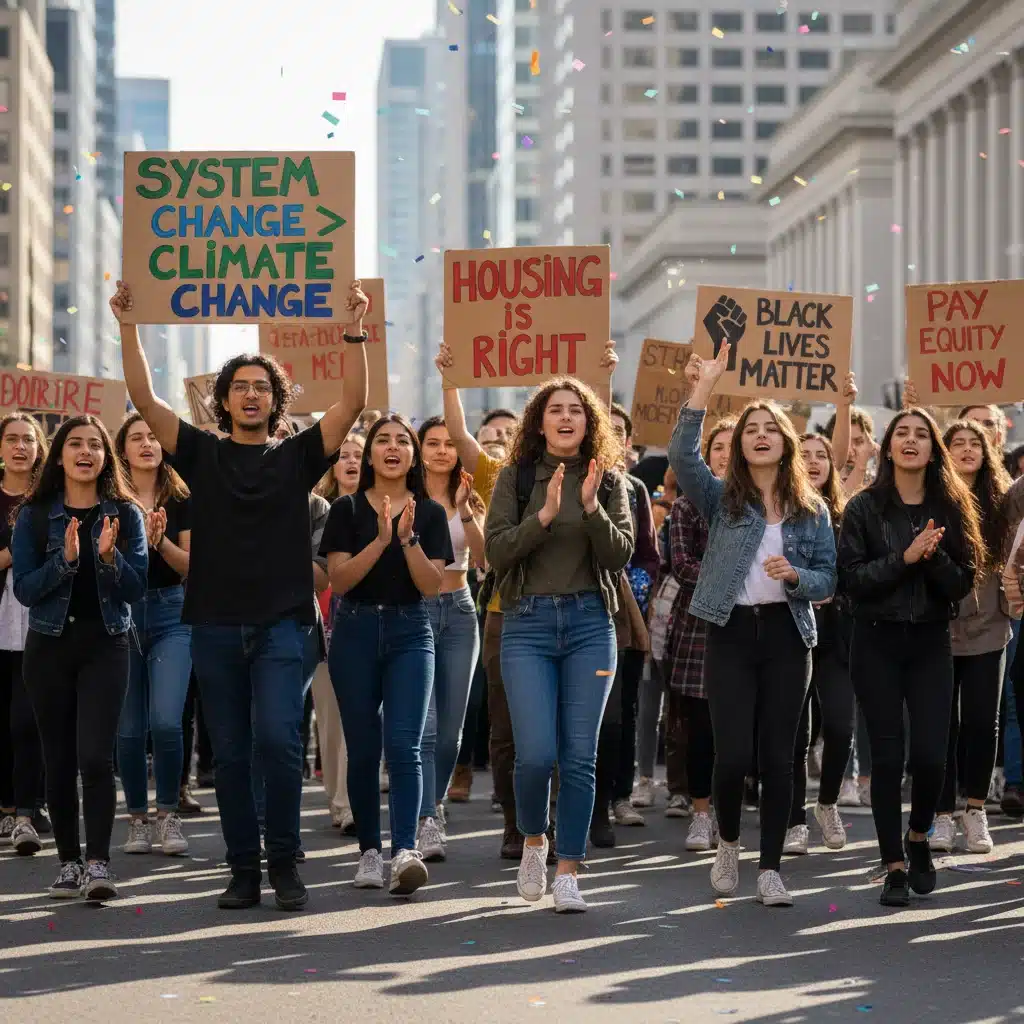
The political landscape is constantly shifting, but few demographic shifts have been as impactful and transformative as the rise of Generation Z. Born roughly between 1997 and 2012, this cohort is not just the future; they are the present, wielding significant influence on everything from consumer trends to, crucially, political outcomes. As we inch closer to 2026, understanding the nuances of Gen Z political activism becomes not just an academic exercise but a strategic imperative for policymakers, political campaigns, and anyone invested in the future of democratic participation. This deep dive aims to provide insider knowledge into the unique characteristics, motivations, and methods that define Gen Z’s engagement in the political sphere.
Far from being disengaged or apathetic, Gen Z is perhaps one of the most politically conscious and active generations in recent history. However, their activism often looks different from that of previous generations. They’ve grown up in a world saturated with digital information, global crises, and a pervasive sense of urgency regarding issues like climate change, social justice, and economic inequality. These formative experiences have shaped a distinct approach to politics that prioritizes authenticity, intersectionality, and direct action, often leveraging digital platforms to amplify their voices and mobilize their peers. The traditional political playbook is being rewritten, and Gen Z holds the pen.
This article will dissect three key insights into Gen Z political activism, offering a comprehensive look at what drives them, how they engage, and what their growing influence means for the political landscape in 2026 and beyond. From their digital native strategies to their unwavering commitment to social justice, we will explore the forces that make this generation a formidable and unpredictable political power.
Insight 1: The Digital-First Approach to Political Engagement
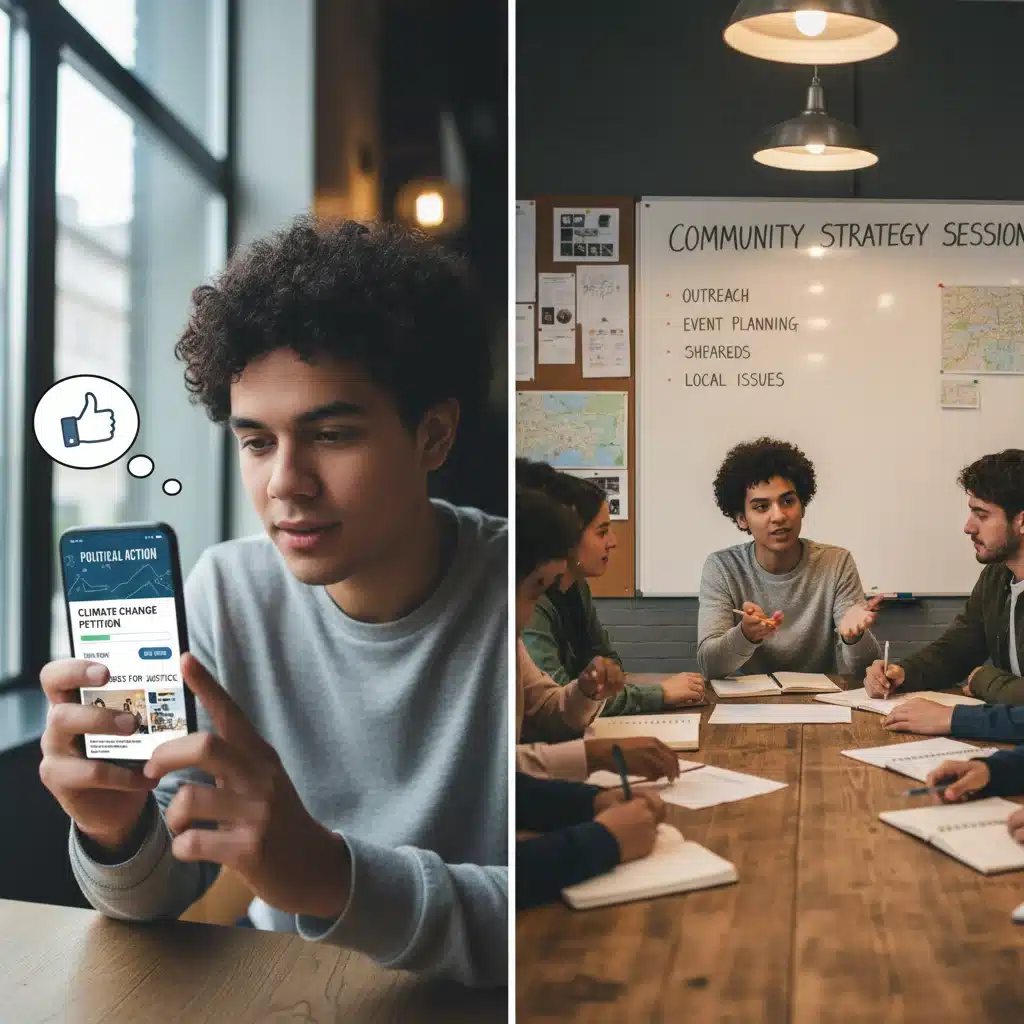
One of the most defining characteristics of Gen Z political activism is its inherent digital nature. This is a generation that has never known a world without the internet, smartphones, and social media. Consequently, their political awakening and subsequent engagement are deeply intertwined with digital platforms. For Gen Z, activism isn’t confined to rallies and ballot boxes; it’s a continuous, multi-platform endeavor that spans TikTok, Instagram, Twitter (now X), YouTube, and even gaming communities.
Social media is not merely a tool for communication; it’s a primary arena for political discourse, organizing, and mobilization. Gen Z uses platforms like TikTok to create viral content that breaks down complex political issues into digestible, shareable formats. They leverage Instagram for visually compelling infographics and calls to action, and Twitter (X) for real-time commentary and immediate responses to current events. This digital fluency allows them to disseminate information rapidly, bypass traditional media gatekeepers, and reach a vast, global audience with unprecedented efficiency.
The Power of Virality and Micro-Activism
The concept of ‘virality’ is central to Gen Z’s digital-first approach. A single post, video, or meme can quickly gain traction, sparking widespread conversations and galvanizing support for a cause. This isn’t just about passive consumption; it often translates into what can be termed ‘micro-activism.’ This includes signing online petitions, sharing political news, participating in online discussions, donating small amounts to campaigns through digital platforms, or even changing their profile pictures to support a movement. While these actions might seem small individually, their collective impact, driven by millions of young people, can be immense.
Consider the role of viral challenges and hashtags. These seemingly innocuous online trends often carry significant political undertones, drawing attention to issues and encouraging participation. For instance, a challenge might involve educating oneself on a particular historical event or environmental issue, then sharing that knowledge with one’s followers. This form of engagement blurs the lines between entertainment, education, and activism, making political participation more accessible and less intimidating for many young people.
Beyond the Digital Echo Chamber: Translating Online to Offline
Critics sometimes argue that digital activism, or ‘slacktivism,’ doesn’t translate into tangible real-world change. However, for Gen Z political activism, the digital realm often serves as a powerful springboard for offline action. Online movements frequently culminate in real-world protests, voter registration drives, and community organizing efforts. Social media platforms are used to coordinate rallies, disseminate logistical information, and recruit volunteers. The digital space acts as a vital connective tissue, linking disparate individuals and fostering a collective identity around shared political goals.
Furthermore, Gen Z is adept at holding institutions and individuals accountable through online pressure campaigns. A problematic statement from a public figure or a controversial policy decision can quickly become a target for organized digital backlash, often leading to apologies, policy reversals, or resignations. This immediate, public scrutiny is a powerful deterrent and a testament to the collective power of a digitally connected generation.
As 2026 approaches, political campaigns and organizations that fail to understand and effectively engage with Gen Z on their native digital platforms risk becoming irrelevant. Authenticity, transparency, and a genuine understanding of digital culture are paramount. Generic, top-down messaging will likely fall flat; instead, engaging content that resonates with their values and encourages active participation will be key to harnessing the power of Gen Z political activism.
Insight 2: Issue-Driven and Intersectional Activism
Unlike previous generations that might have aligned strongly with a particular political party or ideology from an early age, Gen Z political activism is overwhelmingly issue-driven. Their political identity is less about party affiliation and more about a deep, often personal, commitment to specific causes. They are pragmatic activists who prioritize solutions over partisan loyalty, and they are willing to support candidates or movements across the political spectrum if those entities align with their core concerns.
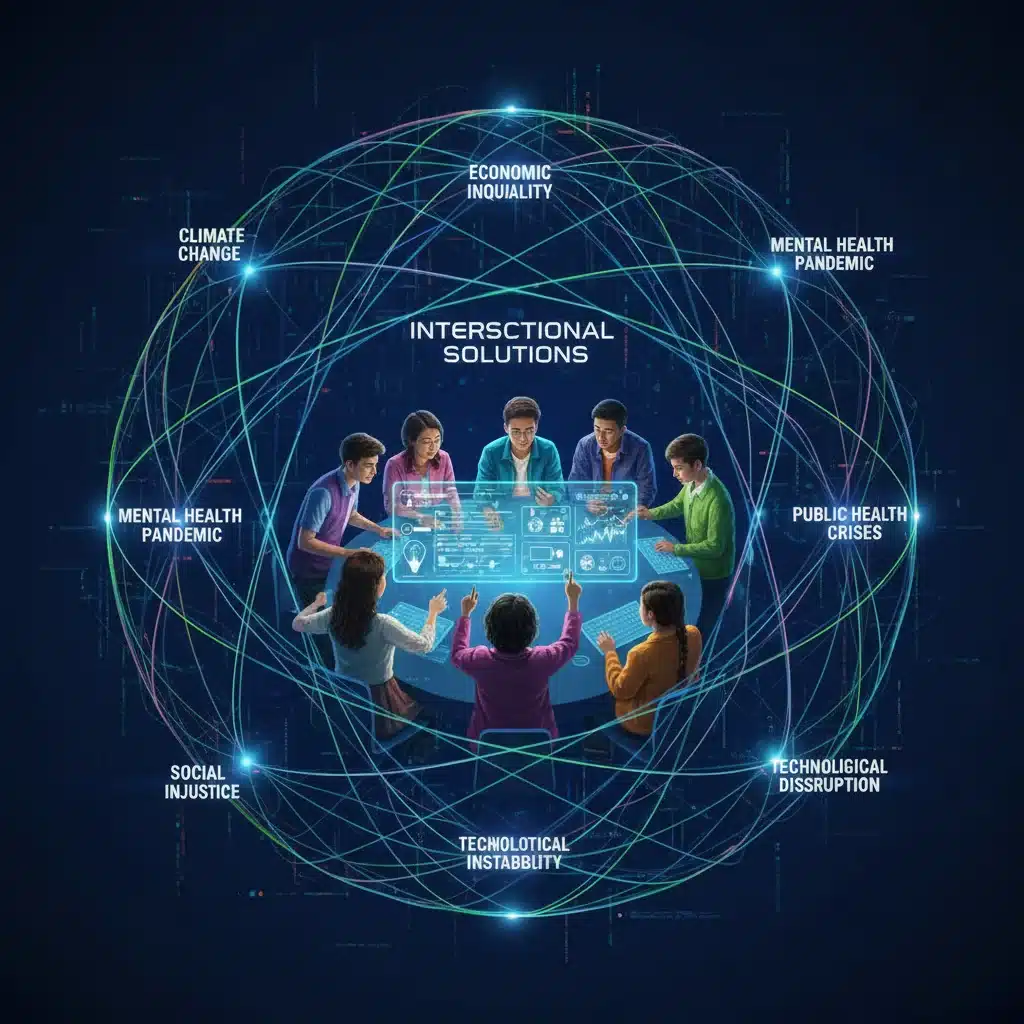
The issues that galvanize Gen Z are broad and often interconnected, reflecting the complex global challenges they have grown up with. Climate change, racial justice, LGBTQ+ rights, gun control, mental health awareness, and economic inequality are not isolated concerns but are often viewed through an intersectional lens. This means they understand that these issues are not independent but rather deeply intertwined, affecting different communities in unique and often compounding ways. For example, they recognize that climate change disproportionately impacts marginalized communities, or that economic inequality exacerbates racial disparities.
Holistic View of Social Justice
The concept of intersectionality is fundamental to Gen Z’s understanding of social justice. They are acutely aware of how various forms of discrimination and disadvantage can overlap and interact. This holistic perspective means that their activism rarely focuses on a single issue in isolation. Instead, they advocate for systemic change that addresses the root causes of injustice, recognizing that true progress requires dismantling interconnected oppressive structures.
This approach manifests in their demands for comprehensive policy solutions rather than piecemeal reforms. When discussing climate change, they often link it to environmental justice; when advocating for economic equality, they consider its impact on racial and gender minorities. This nuanced understanding makes their activism incredibly potent and far-reaching, pushing for a more inclusive and equitable society across the board. Campaigns that attempt to silo issues or offer superficial solutions will likely find themselves out of step with the sophisticated demands of Gen Z political activism.
Authenticity and Values-Based Engagement
Gen Z has a finely tuned radar for inauthenticity. They are skeptical of performative activism and corporate ‘woke-washing.’ For a political message or a candidate to resonate with them, it must be genuine, consistent, and reflective of deeply held values. They seek leaders and movements that not only speak about their issues but also demonstrate a clear, unwavering commitment to those principles through their actions and policies.
This demand for authenticity extends to how they consume information. They are more likely to trust peer-to-peer recommendations, independent content creators, and grassroots organizations than traditional media outlets or established political parties. This preference underscores the importance of organic, community-driven messaging over polished, top-down campaigns. For 2026, political actors must demonstrate a clear alignment with Gen Z’s values and articulate how their proposals directly address the complex, interconnected issues that matter most to this generation.
Their issue-driven approach also means they are more flexible in their political alignments. They are less likely to inherit party loyalties from their parents and more likely to vote for candidates who best represent their specific concerns, regardless of party affiliation. This makes them a volatile but powerful voting bloc, capable of swinging elections when their key issues are on the table. Understanding this fluidity and adapting strategies to highlight issue alignment will be critical for anyone hoping to engage with Gen Z political activism effectively.
Insight 3: A Global Perspective and Collaborative Spirit
Growing up in an interconnected world, Gen Z political activism is characterized by a distinctly global perspective and a strong collaborative spirit. They are keenly aware of international events, global inequalities, and the interconnectedness of human societies. Issues like climate change, human rights, and global pandemics are not seen as distant problems but as shared challenges that require international cooperation and collective action.
This global awareness is fueled by access to information from around the world through digital media. They follow activists and movements in different countries, learning from diverse strategies and drawing inspiration from global solidarity. This broad worldview often translates into a sense of collective responsibility, pushing them to advocate for solutions that extend beyond national borders.
Building Coalitions Across Borders and Demographics
The collaborative nature of Gen Z’s activism is evident in their eagerness to form coalitions. They understand that complex problems require diverse perspectives and collective effort. They readily collaborate with other youth groups, NGOs, community organizations, and even older generations, provided there is a shared commitment to a cause. This isn’t just about numerical strength; it’s about leveraging different skills, experiences, and networks to achieve common goals.
Online platforms facilitate this collaboration, allowing activists from different backgrounds and geographic locations to connect, share resources, and coordinate actions. From organizing international climate strikes to fundraising for humanitarian aid, Gen Z demonstrates a remarkable ability to mobilize resources and people across traditional boundaries. This collaborative spirit is a significant asset, enabling them to tackle issues that are too vast for any single group or nation to address alone.
Empowerment Through Collective Action and Decentralized Leadership
Another hallmark of Gen Z political activism is its often decentralized and horizontal leadership structure. While there might be prominent figures, the movement itself is typically driven by a collective, with power distributed among many active participants rather than concentrated in a few top leaders. This democratic approach fosters a sense of ownership and empowerment among young activists, encouraging broader participation and innovation.
This decentralized model, often facilitated by digital tools, allows for rapid adaptation and resilience. If one leader or group faces obstacles, the movement can continue to thrive through the efforts of others. This contrasts with more traditional, hierarchical political movements and makes Gen Z activism both dynamic and difficult to suppress. For those looking to engage with this generation, understanding and respecting this collaborative, decentralized model is crucial. Attempts to impose top-down leadership or control will likely be met with resistance.
The Road to 2026: What This Means for the Political Landscape
As we look towards 2026, the insights into Gen Z political activism paint a clear picture of a dynamic, engaged, and increasingly influential demographic. Their digital fluency, issue-driven approach, intersectional understanding, and collaborative spirit are reshaping how politics is conducted and perceived. For political campaigns, policymakers, and advocacy groups, adapting to these new realities is not optional; it is essential for relevance and success.
Strategies for Engagement
To effectively engage with Gen Z, traditional political actors must:
- Embrace Digital Platforms Authentically: Move beyond simply having a social media presence. Engage with Gen Z on their preferred platforms, using their language and understanding their cultural nuances. This means creating shareable, informative, and values-aligned content, and being prepared for real-time, two-way communication.
- Focus on Issues, Not Just Parties: Articulate clear, comprehensive stances on the issues that matter most to Gen Z, such as climate change, social justice, mental health, and economic equity. Demonstrate how proposed policies offer tangible solutions to these complex problems, viewed through an intersectional lens.
- Foster Collaboration and Empowerment: Rather than dictating, seek to collaborate with Gen Z activists and organizations. Provide platforms and resources for their initiatives, amplify their voices, and empower them to lead. Recognize and respect their decentralized organizational structures.
- Prioritize Authenticity and Transparency: Gen Z values honesty and integrity above all. Be transparent about motivations, policies, and actions. Avoid performative gestures and demonstrate a genuine commitment to the values you espouse.
- Understand the Global Context: Recognize that Gen Z’s political concerns often extend beyond national borders. Connect local issues to global trends and demonstrate an understanding of the interconnectedness of challenges and solutions.
The electoral impact of Gen Z is only set to grow. As they age, their voting power will become increasingly decisive. Ignoring their unique modes of political participation or underestimating their commitment to change would be a grave miscalculation. Their activism is not a fleeting trend but a fundamental shift in how a generation approaches its civic responsibilities.
Challenges and Opportunities
While Gen Z political activism presents immense opportunities for progressive change, it also comes with challenges. The digital landscape can be rife with misinformation, and the speed of online discourse can sometimes hinder nuanced understanding. Bridging the gap between online engagement and sustained offline action remains a continuous effort. Furthermore, ensuring that their voices are heard and translated into concrete policy changes within established political systems requires strategic navigation.
However, the opportunities far outweigh the challenges. Gen Z brings fresh perspectives, innovative solutions, and an unyielding passion for creating a better world. Their ability to mobilize quickly, communicate effectively, and advocate for systemic change makes them a powerful force for progress. Embracing their methods and listening to their demands is not just about winning elections; it’s about building a more representative, just, and sustainable future.
Conclusion: The Enduring Impact of Gen Z
The insights into Gen Z political activism reveal a generation that is politically sophisticated, deeply committed to social justice, and highly adept at leveraging digital tools for change. As 2026 draws closer, their influence will become even more pronounced, shaping electoral outcomes and policy debates in profound ways. They are not merely observers of the political process; they are active participants, demanding accountability, fostering collaboration, and driving a new era of values-driven engagement.
Understanding their digital-first approach, their issue-driven and intersectional advocacy, and their global and collaborative spirit is paramount for anyone seeking to engage with this demographic. The future of political participation is being redefined by Gen Z, and those who recognize and adapt to their unique contributions will be best positioned to navigate the evolving political landscape. The energy, creativity, and conviction of this generation are not to be underestimated; they are a force that will continue to drive significant political and social transformation for years to come.
Therefore, as we prepare for 2026, the call to action is clear: listen to Gen Z, understand their motivations, engage with them authentically on their terms, and empower their collective efforts. Their political participation is not just a demographic trend; it is a powerful indicator of the direction society is heading, and an essential component of building a more just and equitable future for all.