Navigating the New Social Compact: 5 Practical Solutions for Bridging Generational Divides in 2026 America
In the dynamic landscape of 2026 America, the concept of a ‘social compact’ – the implicit agreement among individuals to cooperate for social benefits – is continually evolving. One of the most pressing challenges to this compact is the growing chasm between generations. From differing values and communication styles to economic disparities and technological fluency, the gaps can seem formidable. However, these divides are not insurmountable. By proactively implementing targeted strategies, we can foster a more cohesive society where every generation feels valued, understood, and empowered to contribute. This article delves into five practical solutions designed to bridge generational divides, strengthening the social fabric of America for a more harmonious future.
The urgency to address these divides stems from their wide-ranging impact. Unaddressed generational friction can manifest in political polarization, economic stagnation, and a general sense of societal fragmentation. When younger generations feel unheard or misunderstood by older generations, and vice-versa, the collaborative spirit essential for national progress diminishes. Conversely, when generations actively engage and learn from one another, innovative solutions emerge, empathy flourishes, and a robust social compact is reinforced. Our goal is to outline actionable steps that communities, organizations, and individuals can take to cultivate these vital connections.
Understanding the Landscape of Generational Divides in 2026
Before we explore solutions for bridging generational divides, it’s crucial to understand the contemporary context. In 2026, America is home to at least five distinct generations: the Silent Generation, Baby Boomers, Generation X, Millennials, and Generation Z. Each has been shaped by unique historical events, economic conditions, and technological advancements, leading to distinct worldviews. For instance, Baby Boomers, often characterized by their post-war optimism and strong work ethic, might prioritize stability and traditional institutions. Millennials, having come of age during the Great Recession and the rapid rise of digital technology, often value flexibility, purpose-driven work, and digital connectivity. Gen Z, digital natives from birth, are highly aware of social justice issues and global interconnectedness.
These differing experiences create a natural tension. Economic anxieties, such as rising housing costs and student debt affecting younger generations versus concerns about retirement security for older ones, often fuel resentment. Political polarization, frequently observed along age lines, further exacerbates these tensions. Communication styles also vary significantly; while older generations may prefer face-to-face interactions or formal written correspondence, younger generations often gravitate towards instant messaging, social media, and visual communication. Recognizing these underlying factors is the first step toward effective reconciliation and successful bridging generational divides.
Furthermore, the rapid pace of technological change continues to be a significant differentiator. Digital literacy, while almost innate for younger cohorts, can be a barrier for some older individuals, leading to feelings of exclusion or frustration. Conversely, older generations possess invaluable institutional knowledge, historical perspective, and life experience that younger generations often lack. The challenge, therefore, is not to erase these differences but to leverage them as strengths, creating opportunities for mutual learning and support that contribute to a stronger social compact.
Solution 1: Fostering Intergenerational Mentorship Programs
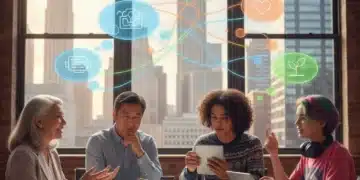
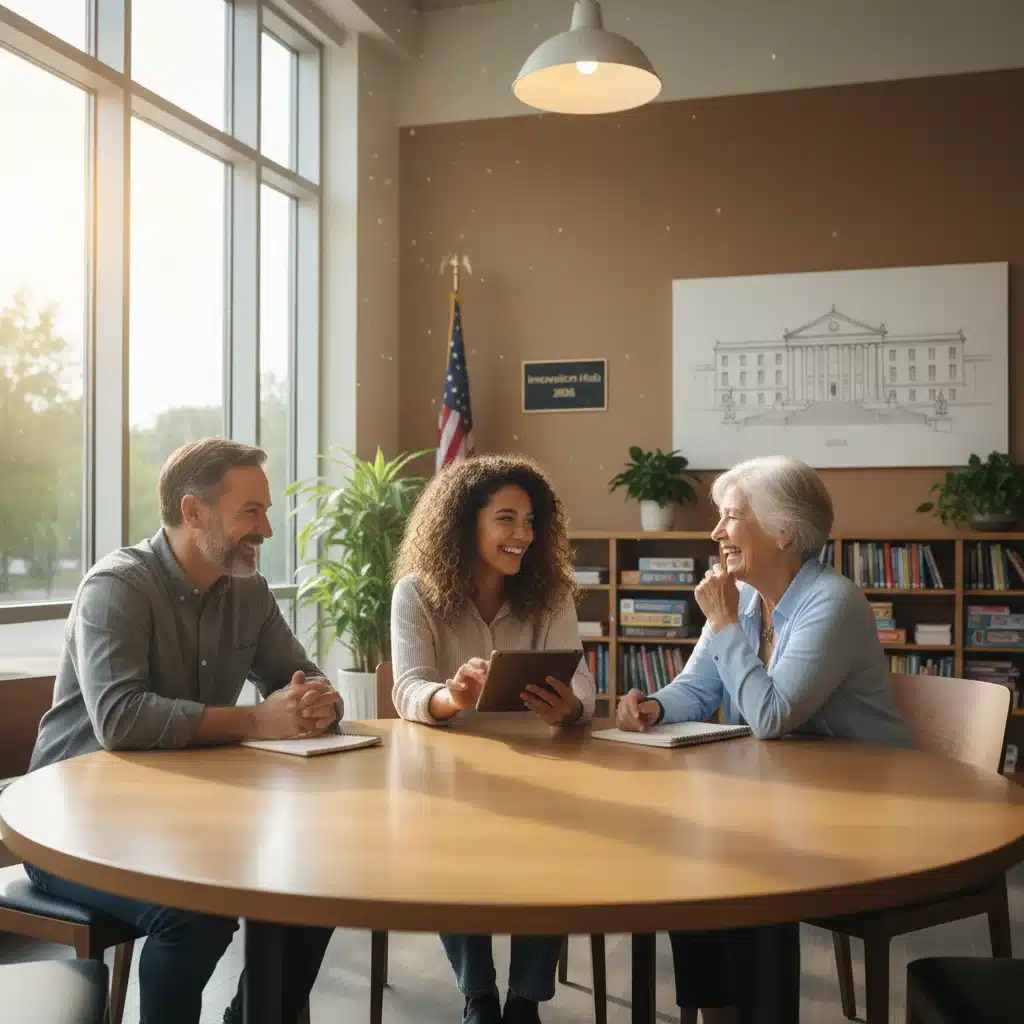
One of the most effective ways of bridging generational divides is through structured intergenerational mentorship programs. These initiatives create formal pathways for older and younger individuals to connect, share knowledge, and build relationships. Imagine a program where seasoned professionals (Baby Boomers or Gen X) mentor young entrepreneurs (Millennials or Gen Z) in business acumen, ethical leadership, and navigating career challenges. Conversely, younger individuals can mentor older adults in digital literacy, social media engagement, and understanding emerging cultural trends. This bidirectional flow of knowledge is key.
Such programs can be implemented in various settings: workplaces, community centers, schools, and even online platforms. For example, a local library could host a ‘Tech Buddies’ program where high school students teach seniors how to use smartphones, email, or video conferencing tools. Corporations could establish reverse mentorship initiatives, where junior employees guide senior leaders on new technologies or market trends. The benefits extend beyond skill transfer; these interactions build empathy, challenge stereotypes, and cultivate a sense of shared community. Participants gain new perspectives, develop cross-generational communication skills, and often form lasting bonds.
The success of these programs hinges on careful design and facilitation. Matching mentors and mentees based on shared interests, complementary skills, and personality can significantly enhance engagement. Regular check-ins, clear objectives, and opportunities for feedback are also essential. By investing in these structured interactions, we move beyond superficial coexistence to genuine collaboration, actively working towards bridging generational divides and enriching the lives of all involved. The goal is to make these programs a cornerstone of community development in 2026 America.
Solution 2: Creating Shared Spaces and Activities
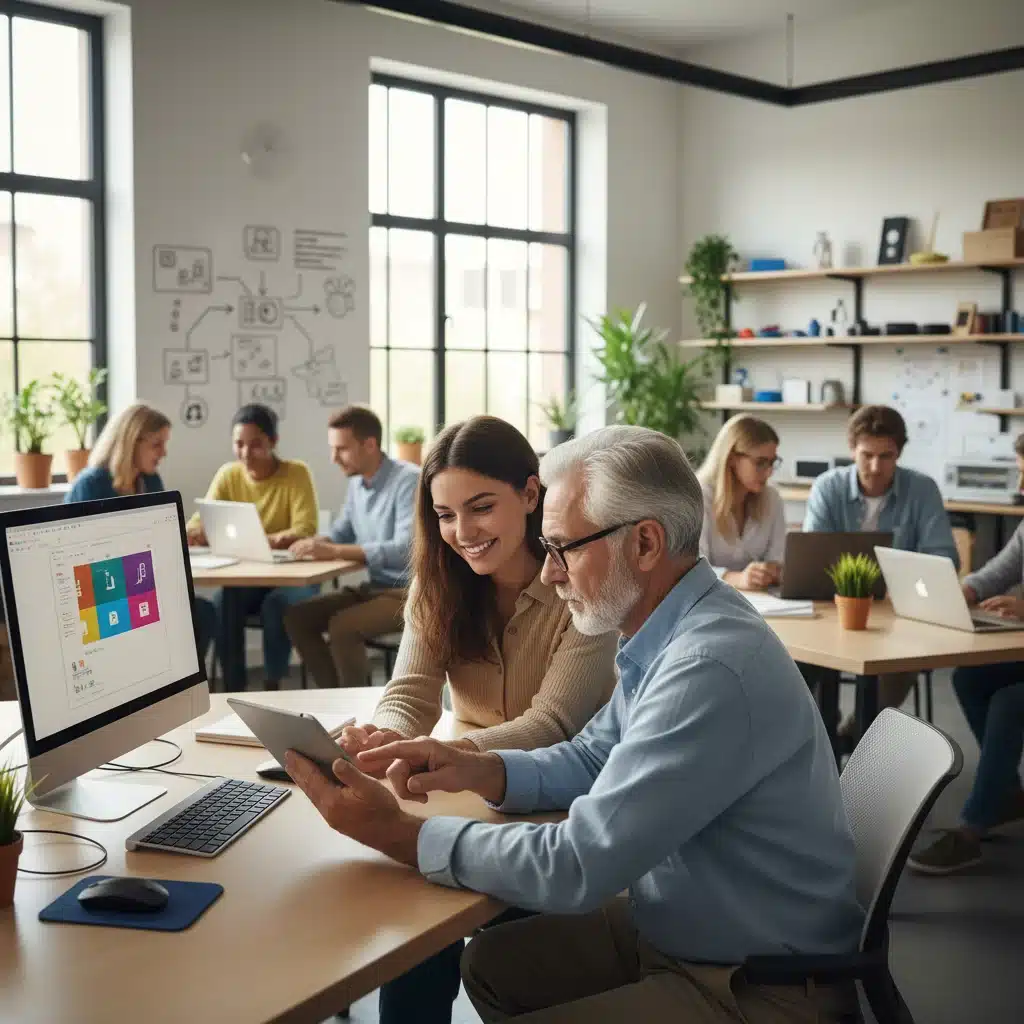
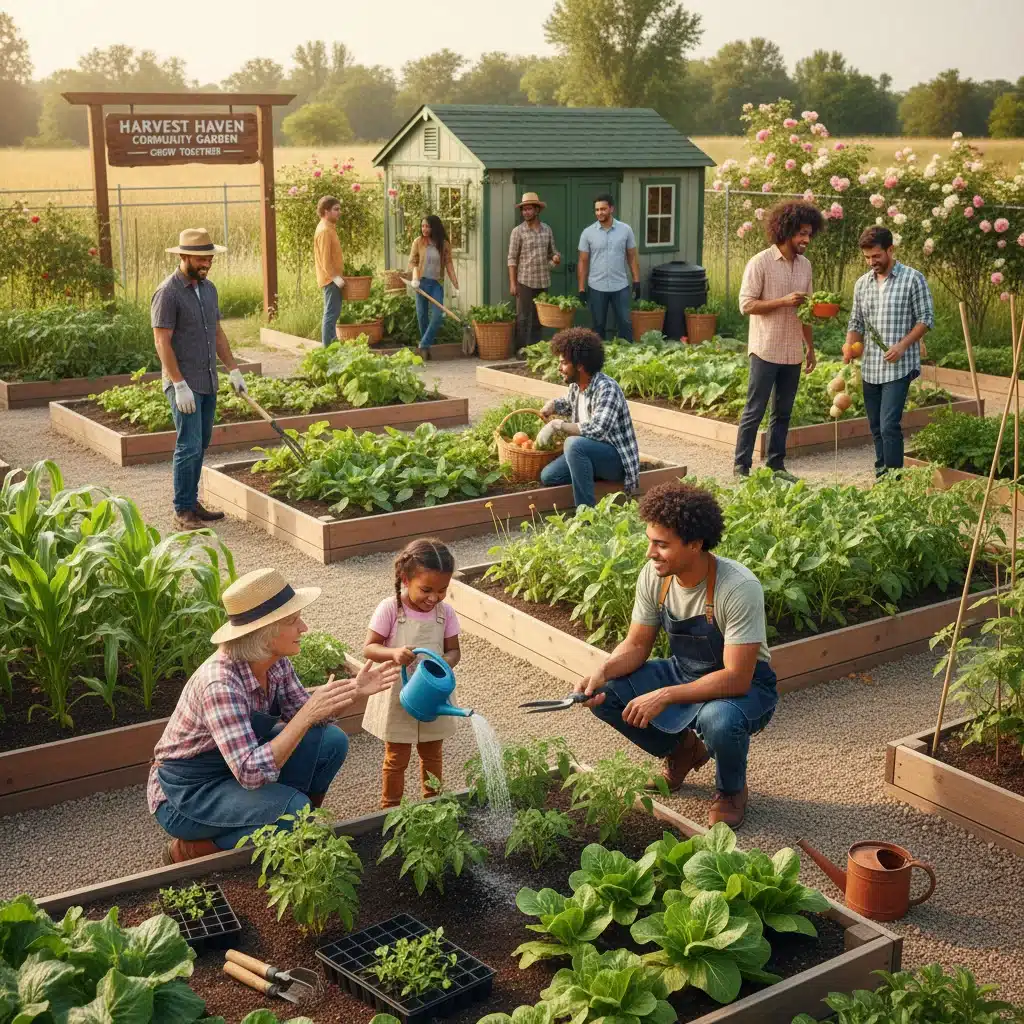
Physical and virtual spaces designed to encourage interaction across age groups are vital for bridging generational divides. In 2026, urban planners and community organizers should prioritize the development of multi-generational community centers, parks, and public squares. These are not just places where different age groups happen to coexist, but spaces intentionally designed to facilitate interaction. Think about community gardens where individuals of all ages work side-by-side, sharing gardening tips and stories. Or recreation centers offering diverse activities, from pickleball leagues that attract both seniors and young adults, to art classes that bring together children and grandparents.
Beyond physical spaces, virtual platforms can also serve this purpose. Online forums or social media groups dedicated to local history, community projects, or shared hobbies can connect individuals who might not otherwise meet. The key is to create environments where incidental and intentional interactions can occur naturally, breaking down barriers and fostering a sense of shared identity. When people engage in activities they genuinely enjoy together, age becomes less of a defining characteristic and more of a diverse element within a unified group.
These shared spaces can also host intergenerational events. Imagine a monthly ‘Storytelling Circle’ where elders share personal histories and life lessons, while younger participants offer contemporary perspectives or creative responses. Or community festivals that integrate traditional crafts with modern art installations, appealing to a broad demographic. By intentionally designing environments and events that are inclusive and engaging for everyone, we can significantly contribute to bridging generational divides and building a more connected, resilient social compact. These initiatives serve as tangible proof that different generations can not only coexist but thrive together.
Solution 3: Promoting Cross-Generational Dialogue and Education
Misunderstandings often arise from a lack of exposure and dialogue. Therefore, a third crucial solution for bridging generational divides is to actively promote cross-generational dialogue and education. This involves creating structured opportunities for different age groups to discuss their perspectives, challenges, and aspirations in a respectful and facilitated environment. Educational institutions, from high schools to universities, can integrate intergenerational learning into their curricula. For example, a history class might invite local seniors to share their first-hand accounts of historical events, providing a rich, personal dimension to textbook learning.
Community organizations can host regular ‘Dialogue Dinners’ or ‘Coffee & Conversation’ events where participants are intentionally seated with individuals from different generations. These sessions can be guided by facilitators who introduce topics relevant to generational differences – such as economic equity, climate change, or the future of work – and ensure that all voices are heard and respected. The goal is not necessarily to agree on everything, but to understand the ‘why’ behind different viewpoints, fostering empathy and mutual respect.
Furthermore, media and public campaigns can play a significant role in educating the public about the strengths and contributions of each generation, challenging common stereotypes. Instead of perpetuating narratives of ‘boomers vs. millennials,’ we can highlight examples of successful intergenerational collaboration and the unique value each age group brings. By investing in these educational and dialogue-focused initiatives, we equip individuals with the tools to navigate differences constructively, making significant strides in bridging generational divides and strengthening the overall social compact in 2026 America.
Solution 4: Reforming Policies for Intergenerational Equity
While individual and community efforts are vital, systemic change is often needed to truly succeed in bridging generational divides. This involves re-evaluating and reforming public policies to ensure intergenerational equity. Many existing policies, particularly concerning social security, healthcare, education funding, and environmental regulations, can inadvertently create burdens or confer disproportionate benefits on certain generations. In 2026, policymakers must adopt an intergenerational lens when drafting and implementing new legislation.
For example, economic policies should consider their long-term impact on future generations, balancing current needs with sustainable growth. This might involve innovative approaches to funding social security that adapt to changing demographics, or investments in education and job training programs that prepare younger generations for the future economy without unduly burdening older workers. Similarly, environmental policies must prioritize stewardship for future inhabitants, requiring a collaborative approach that transcends short-term political cycles.
Healthcare policies could be reformed to better serve the continuum of life, from prenatal care and childhood wellness to elder care, ensuring that all generations have access to quality, affordable services. Housing policies could encourage mixed-age developments and affordable housing options that cater to diverse family structures, promoting intergenerational living and community building. By consciously designing policies that consider the well-being and contributions of all age groups, we can dismantle systemic sources of generational tension, creating a more equitable foundation for bridging generational divides and reinforcing the foundational principles of our social compact.
Solution 5: Leveraging Technology for Connection, Not Division
Technology, often perceived as a source of generational divide, can actually be a powerful tool for bridging generational divides if used intentionally. While younger generations are digital natives, older generations are increasingly adopting technology for communication and information. The challenge lies in ensuring equitable access and fostering digital fluency across all age groups. In 2026, initiatives should focus on closing the digital divide, providing affordable internet access and devices, and offering accessible digital literacy training for seniors and other underserved populations.
Beyond basic access, technology can facilitate intergenerational connection in creative ways. Online platforms can host virtual mentorship programs, collaborative projects, or shared interest groups that transcend geographical barriers. Video conferencing tools can connect geographically dispersed families and allow grandparents to read bedtime stories to grandchildren miles away. Gaming platforms, often seen as youth-centric, can be adapted for intergenerational play, fostering teamwork and friendly competition. Social media, when managed thoughtfully, can be a space for sharing family histories, cultural traditions, and community announcements that engage a broad audience.
The key is to design user-friendly interfaces and provide adequate support to ensure that technology is an enabler, not a barrier. Tech companies and app developers have a role to play in creating inclusive designs that cater to varying levels of digital proficiency. By consciously harnessing the power of technology to connect, educate, and empower individuals across the age spectrum, we can transform a potential source of division into a dynamic engine for bridging generational divides and cultivating a stronger, more inclusive social compact for all Americans.
The Path Forward: A Stronger Social Compact for 2026 America
The journey towards bridging generational divides in 2026 America is not a passive one; it requires deliberate effort, empathy, and a commitment from all sectors of society. The five practical solutions outlined – intergenerational mentorship, shared spaces, cross-generational dialogue, equitable policies, and leveraging technology – provide a comprehensive framework for action. Each solution, when implemented effectively, contributes to a larger goal: cultivating a robust social compact where every generation understands, respects, and values the unique contributions of others.
The benefits of a society that successfully navigates these divides are immense. We can anticipate enhanced innovation as diverse perspectives converge, improved social cohesion as empathy grows, and a more resilient nation capable of tackling future challenges collectively. Younger generations gain wisdom and historical context, while older generations benefit from fresh perspectives and technological insights. The exchange is symbiotic, enriching the lives of individuals and strengthening the fabric of the nation.
As we move further into the 2020s, the imperative to foster intergenerational understanding will only grow. It is an investment not just in our current society, but in the future legacy we leave behind. By embracing these solutions, we can build a more inclusive, understanding, and collaborative America – a nation where bridging generational divides is not just an aspiration, but a lived reality, solidifying a social compact that truly serves everyone.
Conclusion
The challenges of generational divides are real, but so too are the opportunities for connection and collaboration. By implementing intergenerational mentorship programs, creating shared spaces, promoting dialogue, reforming policies for equity, and leveraging technology wisely, America can build a stronger, more inclusive social compact by 2026 and beyond. It’s a collective endeavor, and the rewards – a more harmonious and prosperous society – are well worth the effort. Let us commit to fostering understanding and building bridges, not walls, between our invaluable generations.