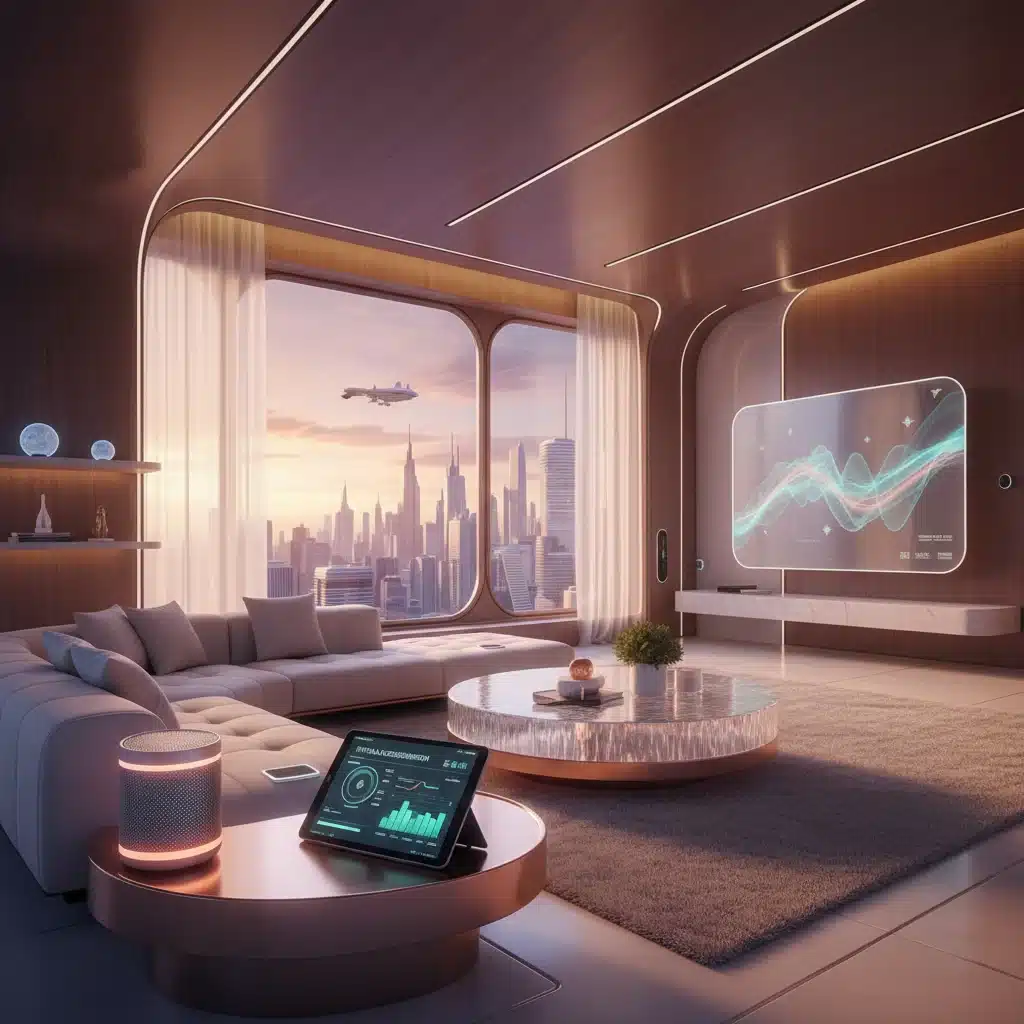
The dream of a truly intelligent home, where devices communicate effortlessly and anticipate your needs, is rapidly becoming a reality. As we approach 2026, the landscape of smart home technology is evolving at an unprecedented pace, offering more sophisticated solutions for comfort, security, and, crucially, energy efficiency. This comprehensive guide will delve into the intricacies of optimizing your smart home integration, focusing on achieving seamless interoperability and substantial energy savings. Our goal is to equip you with the knowledge and strategies to build a connected living space that not only enhances your daily life but also contributes to a greener planet and a lighter utility bill, aiming for a remarkable 15% reduction in energy consumption.
The journey to a perfectly integrated smart home can seem daunting, given the myriad of devices, platforms, and protocols available. However, by understanding the core principles of smart home integration and adopting a strategic approach, you can transform your residence into a highly efficient and responsive ecosystem. We’ll explore the current state of smart home technology, predict future trends, and provide actionable advice to help you navigate this exciting frontier.
The Evolving Landscape of Smart Home Integration by 2026
In just a few years, the concept of a smart home has moved beyond mere convenience. It’s now about creating a cohesive environment where every device, from your thermostat to your door locks, works in harmony. The key to this evolution lies in robust smart home integration. Gone are the days of isolated gadgets; the future is about unified control and intelligent automation.
The Rise of Interoperability Standards
One of the biggest hurdles in early smart home adoption was the lack of universal communication standards. Different manufacturers often used proprietary protocols, leading to frustrating compatibility issues. However, by 2026, we are witnessing a significant shift towards greater interoperability. Initiatives like Matter (backed by the Connectivity Standards Alliance) are bridging these gaps, allowing devices from various brands to communicate seamlessly. This means you’ll no longer be locked into a single ecosystem, fostering greater choice and flexibility in your smart home integration strategy.
AI and Machine Learning at the Core
Artificial intelligence (AI) in home and machine learning (ML) are no longer futuristic concepts; they are integral to modern smart home integration. AI-powered algorithms learn your habits and preferences, enabling proactive adjustments to lighting, temperature, and security. For instance, your smart thermostat can learn your schedule and optimize heating/cooling even before you arrive home, while your smart lighting can adjust based on natural light conditions and your presence. This intelligent automation is crucial for maximizing both comfort and energy savings.
Enhanced Security and Privacy Measures
As more aspects of our lives become connected, the importance of security and privacy cannot be overstated. By 2026, advancements in encryption, secure authentication, and local processing are making smart homes more resilient against cyber threats. Reputable manufacturers are prioritizing user data protection, offering greater transparency and control over how your information is used. A secure foundation is paramount for effective smart home integration.
Building Your Integrated Smart Home Ecosystem: A Step-by-Step Guide
Achieving optimal smart home integration requires careful planning and execution. Here’s a structured approach to building or upgrading your connected living space:
1. Define Your Needs and Goals
Before purchasing any devices, consider what you want your smart home to achieve. Are you primarily focused on energy savings, security, convenience, or a combination? Defining your priorities will guide your device selection and integration strategy. For instance, if energy savings are paramount, smart thermostats, smart lighting, and smart plugs for energy monitoring should be at the top of your list.
2. Choose a Central Hub or Platform
The heart of any robust smart home integration is a central hub or platform that allows all your devices to communicate. Popular options include Amazon Alexa, Google Home, Apple HomeKit, Samsung SmartThings, and dedicated hubs like Hubitat or Homey. Consider factors like compatibility with existing devices, ease of use, and the range of automations offered. A unified platform simplifies control and enables complex routines.
3. Select Compatible Devices
With your hub chosen, select devices that are compatible with your chosen ecosystem and, ideally, support universal standards like Matter. Prioritize devices that offer seamless integration and provide meaningful data for automation and energy monitoring. Look for products with strong reviews and a reputation for reliability. Investing in quality devices upfront will save you headaches down the line.
4. Plan Your Network Infrastructure
A strong and stable Wi-Fi network is the backbone of successful smart home integration. Consider upgrading to a mesh Wi-Fi system if you have a large home or dead zones. Many smart devices also utilize Zigbee or Z-Wave protocols, which create their own mesh networks, further enhancing reliability. Ensure your network can handle the increased traffic from numerous connected devices.
5. Implement Smart Home Routines and Automations
This is where the magic of smart home integration truly shines. Set up routines that automate tasks based on time, presence, or sensor triggers. Examples include:
- Morning Routine: Lights gradually brighten, thermostat adjusts, and a smart speaker plays news.
- Away Routine: All lights turn off, thermostat sets to an energy-saving mode, and security cameras activate.
- Evening Routine: Lights dim, smart blinds close, and doors lock automatically.
These automations not only add convenience but are crucial for optimizing energy consumption without conscious effort.
Achieving 15% Energy Savings Through Smart Home Integration
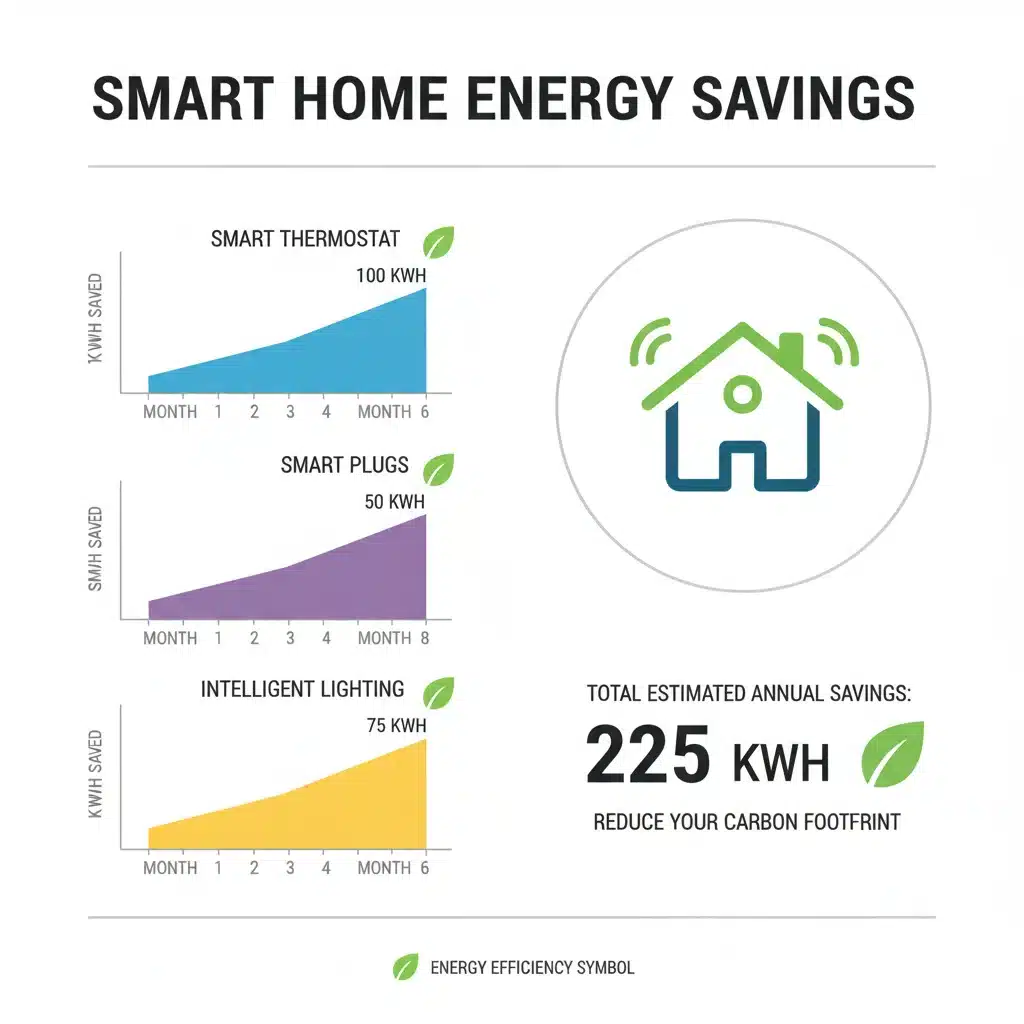
One of the most compelling benefits of advanced smart home integration is its potential for significant energy savings. By intelligently managing your home’s resources, you can drastically reduce your carbon footprint and utility bills. Our target of 15% energy savings by 2026 is ambitious but entirely achievable with the right strategies.
Smart Thermostats: The Cornerstone of HVAC Efficiency
Smart thermostats are arguably the most impactful device for energy savings. They learn your preferences, sense occupancy, and can be controlled remotely. Advanced models integrate with weather forecasts, adjusting temperatures to pre-cool or pre-heat your home during off-peak hours or when energy prices are lower. By optimizing your HVAC usage, which often accounts for the largest portion of household energy consumption, you can see immediate and substantial savings.
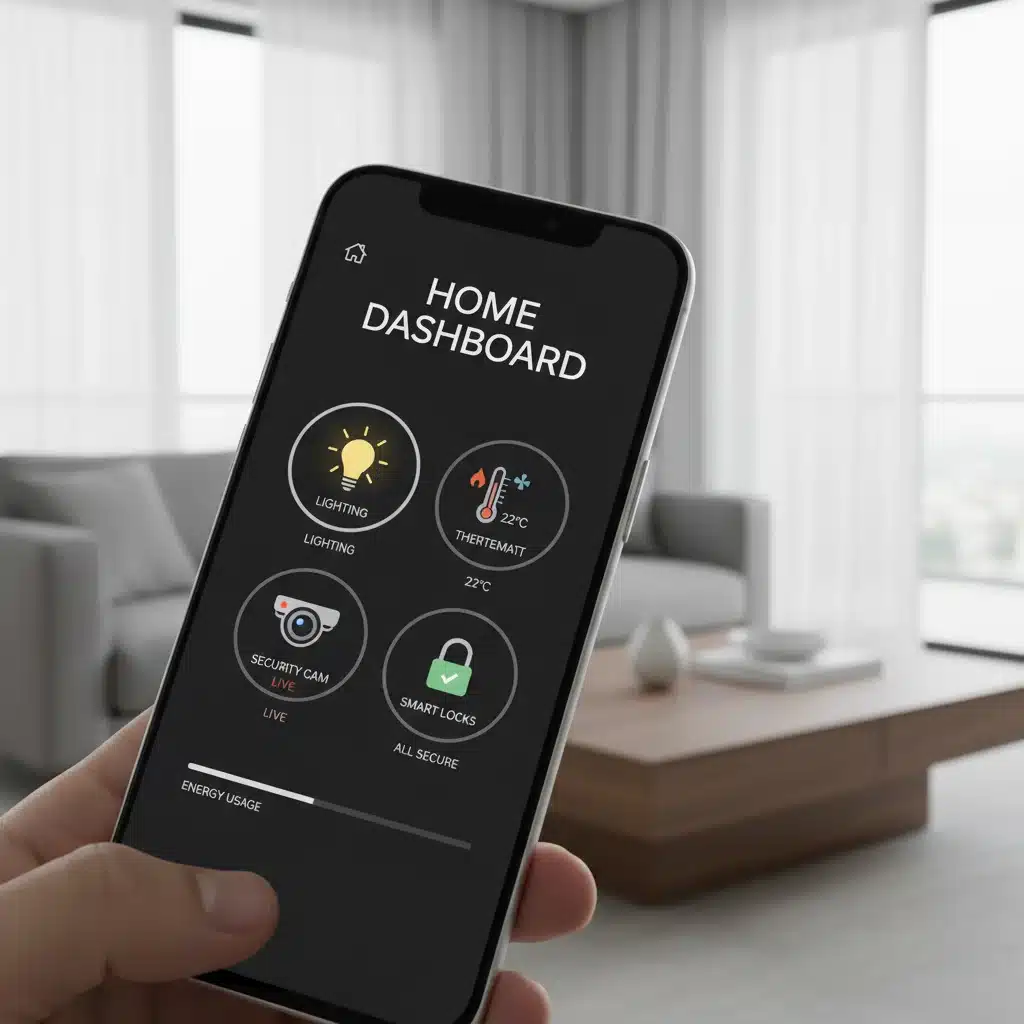
Proper smart home integration with your thermostat means it can communicate with other sensors. For example, if a window sensor detects an open window, the thermostat can automatically pause heating or cooling to prevent wasted energy.
Intelligent Lighting Systems: Beyond On/Off
Smart lighting systems offer more than just remote control. They enable dimming, color changes, and, most importantly, automation based on occupancy, daylight, and schedules. Sensors can turn lights off when a room is empty or dim them when natural light is abundant. By switching to LED smart bulbs and implementing these automations, you can significantly reduce lighting energy consumption.
Integrating your smart lighting with motion sensors and door/window sensors ensures lights are only on when and where they are needed, contributing directly to your 15% energy savings goal.
Smart Plugs for ‘Vampire’ Power Elimination
Many electronics consume “vampire power” even when turned off but still plugged in. Smart plugs allow you to remotely cut power to these devices or set schedules to turn them off during inactive hours. Imagine your entertainment system, coffee maker, or phone chargers automatically de-energizing overnight. This simple yet effective aspect of smart home integration can accumulate surprising savings over time.
Energy Monitoring and Analytics
Modern smart home hubs and individual devices often come with energy monitoring capabilities. These tools provide insights into your power consumption, helping you identify energy-hungry appliances and areas where you can optimize. Regularly reviewing these analytics is key to fine-tuning your smart home integration for maximum efficiency and reaching that 15% savings target.
Smart Blinds and Shades: Passive Climate Control
Automated blinds and shades can play a significant role in passive climate control. Integrating them into your smart home allows them to open during cooler parts of the day to let in natural light and warmth, and close during hotter periods to block sunlight and reduce cooling loads. This simple automation, driven by external temperature sensors or time-of-day, contributes to overall HVAC efficiency and energy savings.
Advanced Smart Home Integration Strategies for 2026
Beyond the basics, several advanced strategies can further enhance your smart home integration and push you beyond the 15% energy savings mark.
Local Control and Edge Computing
While cloud-based control offers convenience, local control ― where automations run directly on your hub without needing an internet connection ― offers greater reliability, speed, and privacy. Edge computing, where data processing happens closer to the source (i.e., on the device itself), is becoming more prevalent, reducing latency and reliance on external servers. Prioritizing devices and hubs that support local control can make your smart home integration more robust.
Voice Control and Natural Language Processing
Voice assistants are continually improving, offering more natural language processing capabilities. By 2026, expect even more sophisticated interactions, allowing for complex multi-step commands and context-aware responses. This hands-free control simplifies daily tasks and makes interacting with your integrated smart home more intuitive.
Predictive Maintenance and Anomaly Detection
Future smart home integration will increasingly incorporate predictive maintenance. Sensors in appliances could detect early signs of malfunction, alerting you before a major breakdown. Similarly, anomaly detection could identify unusual energy spikes, indicating a faulty appliance or an open door/window, helping you address issues promptly and prevent energy waste.
Integration with Renewable Energy Sources
For homes with solar panels or other renewable energy systems, smart home integration can optimize energy usage based on generation. For example, charging electric vehicles or running high-draw appliances could be scheduled for times when solar production is at its peak, maximizing self-consumption and reducing reliance on grid power. This synergy is critical for achieving net-zero energy goals.
Overcoming Challenges in Smart Home Integration
Despite the advancements, challenges remain in achieving perfect smart home integration. Awareness and proactive measures can help you navigate these hurdles.
Complexity and Setup Time
Setting up a comprehensive smart home ecosystem can be time-consuming, especially for beginners. However, many manufacturers are simplifying their onboarding processes, and the rise of unified standards like Matter is making device pairing much easier. Patience and a step-by-step approach are crucial.
Data Privacy Concerns
As mentioned, data privacy is a significant concern. Always review the privacy policies of smart device manufacturers. Opt for devices that offer strong encryption, local data processing options, and clear data usage policies. Regularly update firmware to ensure you have the latest security patches.
Compatibility Issues (Still a Factor)
While improving, compatibility issues can still arise, especially with older devices or niche products. Always check for compatibility with your chosen hub and other devices before making a purchase. Community forums and online reviews can be invaluable resources for identifying potential integration headaches.
Cost of Entry
Building a fully integrated smart home can involve an initial investment. However, consider the long-term savings, particularly in energy costs. Start with a few key devices and gradually expand your system. Many smart devices now come at more accessible price points, making the transition more affordable.
The Future of Smart Home Integration: Beyond 2026
Looking past 2026, the potential for smart home integration is boundless. We can anticipate even more profound impacts on our daily lives.
Proactive Wellness and Health Monitoring
Smart homes will increasingly integrate with wellness technologies. Imagine beds that monitor sleep patterns, bathrooms that analyze health metrics, and air quality sensors that adjust ventilation. These systems will proactively suggest adjustments to your environment to optimize your health and well-being.
Seamless Interaction with Smart Cities
The boundary between smart homes and smart cities will blur. Your home could communicate with city infrastructure to optimize traffic flow, manage waste collection, or even alert you to local events. This macro-level smart home integration will create a more efficient and responsive urban environment.
Personalized and Adaptive Environments
Future smart homes will be even more personalized and adaptive. They will not just react to your commands but anticipate your needs based on subtle cues, emotional states (detected through bio-sensors), and external factors. Your home will truly become an extension of yourself, constantly optimizing for your comfort, productivity, and mood.
The integration of virtual and augmented reality could also transform how we interact with our smart homes, offering intuitive visual interfaces for control and customization.
Conclusion: Embracing the Optimized Smart Home Ecosystem
Optimizing your smart home integration by 2026 is not just about adopting new gadgets; it’s about embracing a lifestyle of efficiency, comfort, and intelligent living. By strategically selecting compatible devices, leveraging powerful automation, and focusing on energy-saving features, you can achieve remarkable results, including a significant reduction in your energy consumption, easily reaching our targeted 15% savings.
The continuous evolution of interoperability standards, coupled with advancements in AI and machine learning, means that building a truly seamless and responsive smart home is more attainable than ever. While challenges exist, the benefits — from enhanced security and convenience to substantial cost savings and a reduced environmental footprint — far outweigh them.
Start your journey today by assessing your needs, choosing a robust platform, and gradually building out your integrated ecosystem. The future of living is smart, connected, and incredibly efficient. By following the strategies outlined in this guide, you’ll be well on your way to experiencing the full potential of a truly optimized smart home integration, paving the way for a smarter, greener, and more comfortable future.