Achieving 90% Smart Home Automation by 2026: The Ultimate Guide
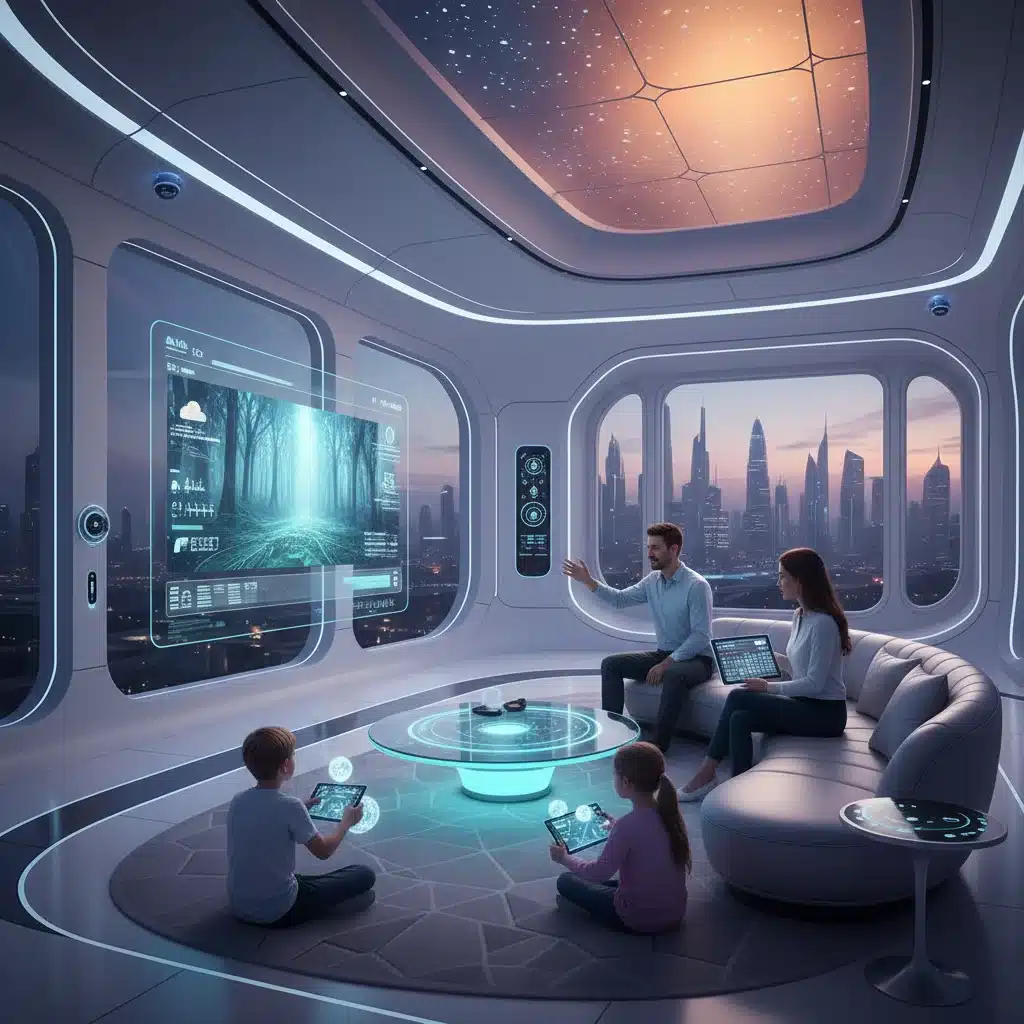
The Latest Evolution of Smart Home Integration: Insider Knowledge on Achieving 90% Automation by Mid-2026
The dream of a truly intelligent home, one that anticipates your needs and manages itself with minimal intervention, is rapidly becoming a reality. We’re not just talking about turning lights on with a voice command anymore. The landscape of Smart Home Automation is undergoing a profound transformation, pushing towards unprecedented levels of integration and autonomy. Experts predict that by mid-2026, achieving 90% Smart Home Automation will be not just feasible, but increasingly commonplace for early adopters and technologically savvy homeowners. This isn’t merely about convenience; it’s about optimizing efficiency, enhancing security, and creating a living environment that truly adapts to you. But how do we get there? What are the key technologies, strategies, and insider tips that will propel us towards this highly automated future? This comprehensive guide will delve into the intricacies of advanced Smart Home Automation, offering a roadmap to transform your living space into a truly intelligent sanctuary.
The journey to 90% Smart Home Automation is multifaceted, encompassing a blend of cutting-edge hardware, sophisticated software, and intelligent design. It’s about moving beyond disparate smart devices to a cohesive ecosystem where every component communicates and collaborates seamlessly. This involves leveraging advancements in Artificial Intelligence (AI), the Internet of Things (IoT), and robust connectivity protocols. The goal is to minimize manual input, allowing your home to proactively manage its environment, security, entertainment, and even your well-being. Imagine a home that adjusts the thermostat based on your schedule, monitors air quality, orders groceries when supplies are low, and even detects potential maintenance issues before they become major problems. This level of autonomy is within reach, and understanding the core principles is your first step.
The Foundation: Understanding True Smart Home Integration
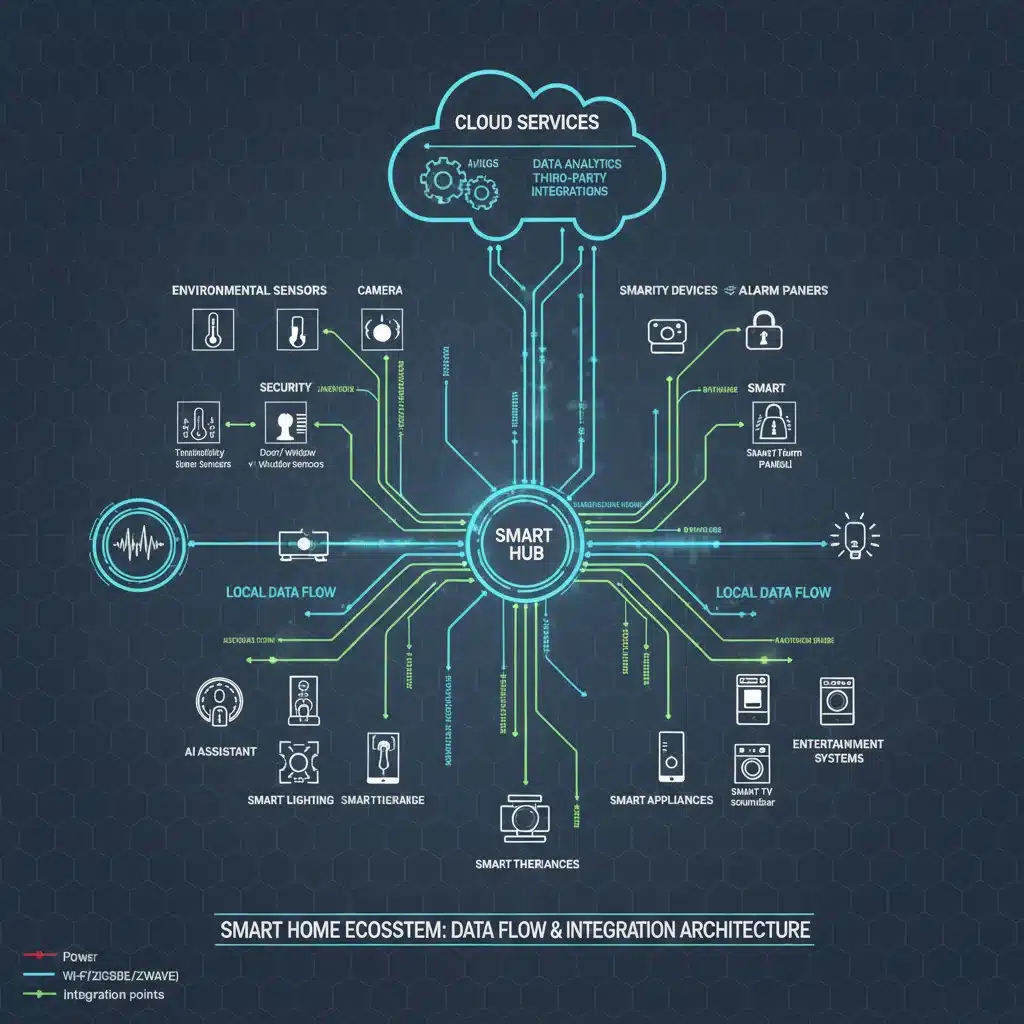
Before we aim for 90% automation, it’s crucial to define what ‘true integration’ means in the context of Smart Home Automation. It’s more than just having a smart speaker or a smart thermostat. True integration signifies a system where all smart devices, regardless of manufacturer, communicate and interact harmoniously through a central hub or platform. This eliminates the need for multiple apps and creates a unified control experience. The key enablers for this level of integration are:
1. Universal Communication Protocols
The battle of communication standards has long been a hurdle in Smart Home Automation. Historically, different manufacturers used proprietary protocols, leading to compatibility issues. However, the emergence of universal standards like Matter and Thread is revolutionizing this. Matter, backed by industry giants like Apple, Google, Amazon, and Samsung, aims to provide a common language for smart devices, allowing them to work together seamlessly. Thread, a low-power mesh networking protocol, complements Matter by providing a robust and scalable network for devices. Embracing devices that support these open standards will be paramount for achieving high levels of automation.
2. Centralized Hubs and Platforms
A powerful central hub or a robust software platform is the brain of your automated home. This is where all your devices connect, and where automation rules and routines are executed. Popular options include dedicated smart home hubs (like SmartThings, Hubitat), smart speakers with integrated hubs (like Amazon Echo, Google Nest Hub), or even sophisticated home servers running platforms like Home Assistant. The choice of hub depends on your technical comfort level and the desired depth of customization. For 90% Smart Home Automation, your hub needs to be capable of handling complex rules, integrations with various services, and local processing to minimize reliance on cloud services.
3. API Integration and Open Ecosystems
The ability of your chosen platform to integrate with a wide array of third-party services and devices through Application Programming Interfaces (APIs) is critical. Open ecosystems allow developers to create custom integrations and functionalities, extending the capabilities of your smart home far beyond what a single manufacturer offers. This ‘connective tissue’ is what allows your smart lights to react to your smart doorbell, or your smart blinds to adjust based on weather data from an external service. When planning your Smart Home Automation, prioritize platforms with strong API support and a vibrant developer community.
Leveraging AI and Machine Learning for Predictive Automation
The ‘smart’ in Smart Home Automation truly comes to life with Artificial Intelligence and Machine Learning (AI/ML). These technologies move automation beyond simple ‘if-then’ rules to predictive and adaptive behaviors. AI allows your home to learn your routines, preferences, and even anticipate your needs, making adjustments proactively rather than reactively.
1. Behavioral Learning and Pattern Recognition
Modern smart home systems, particularly those with advanced AI, can analyze patterns in your daily life. They learn when you typically wake up, leave for work, return home, and go to bed. They observe your preferred lighting levels, temperature settings, and entertainment choices. Over time, the system builds a profile of your habits. This behavioral learning allows it to:
- Optimize Climate Control: Adjusting the thermostat before you arrive home, or reducing heating/cooling when no one is present.
- Personalize Lighting: Gradually dimming lights as bedtime approaches, or turning on specific lights as you move through different rooms.
- Proactive Security: Notifying you of unusual activity that deviates from learned patterns, distinguishing between a family member and an intruder.
2. Contextual Awareness
AI-powered Smart Home Automation goes beyond simple schedules by incorporating contextual data. This includes:
- Weather Integration: Automatically closing blinds during intense sunlight, pre-cooling the house on hot days, or turning on sprinklers based on rainfall forecasts.
- Occupancy Sensing: Using motion sensors, presence detectors, and even Wi-Fi/Bluetooth tracking to determine who is home and where they are, tailoring automation accordingly.
- Calendar and Schedule Sync: Integrating with your digital calendar to adjust home settings for meetings, vacations, or specific events.
3. Voice Assistants and Natural Language Processing
While voice assistants have been around for a while, their integration into Smart Home Automation is becoming more sophisticated. Natural Language Processing (NLP) allows for more complex commands and conversational interactions. Instead of rigid phrases, you can speak more naturally, and the AI interprets your intent. Furthermore, advanced AI can ‘understand’ the context of your commands, for instance, knowing which ‘lights’ you mean based on your current location in the house.
Key Pillars for 90% Smart Home Automation
Achieving 90% automation requires a holistic approach, focusing on several critical areas of your home. Each pillar contributes to the overall intelligence and efficiency of your living space.
1. Advanced Lighting and Climate Control
Beyond simple on/off switches, modern smart lighting systems offer granular control over color temperature, brightness, and even dynamic scenes. Integrating these with occupancy sensors, natural light sensors, and circadian rhythm programming can create an environment that adapts to the time of day and your personal preferences. Climate control extends beyond thermostats to include smart vents, ceiling fans, and even air purifiers, all working in concert to maintain optimal indoor air quality and temperature with minimal energy consumption.
2. Robust Security and Surveillance
A truly automated home is a secure home. This involves a layered approach:
- Smart Locks: Keyless entry, remote access control, and integration with presence detection to auto-lock/unlock.
- Advanced Cameras: AI-powered facial recognition, package detection, and activity zones to reduce false alarms.
- Integrated Sensors: Door/window sensors, motion detectors, glass-break sensors, and even water leak detectors that alert you and trigger preventative actions.
- Automated Responses: Linking security systems with lighting (to simulate occupancy), sirens, and even smart blinds to enhance deterrence.
3. Energy Management and Sustainability
Energy efficiency is a major driver for Smart Home Automation. Automated systems can significantly reduce energy waste by:
- Optimized Heating/Cooling: Learning your schedule and adjusting proactively, integrating with weather data.
- Smart Plugs and Outlets: Monitoring energy consumption of individual appliances and automatically turning off ‘vampire’ devices.
- Solar Integration: Managing energy storage and usage based on solar panel output and electricity tariffs.
- Water Leak Detection: Preventing costly damage and water waste by automatically shutting off the main water supply in case of a leak.
4. Entertainment and Media Integration
While often seen as a luxury, seamless entertainment integration contributes significantly to the ‘feel’ of an automated home. This includes:
- Multi-room Audio: Playing music throughout the house, synchronized or independently.
- Smart TVs and Projectors: Automated startup, content recommendations, and integration with lighting for a cinematic experience.
- Voice-controlled Media: ‘Play my morning playlist’ and the system automatically selects the right service and devices.
5. Health and Wellness Monitoring
The next frontier in Smart Home Automation is the integration of health and wellness technologies. This can include:
- Air Quality Monitors: Automatically activating air purifiers or ventilation systems.
- Sleep Tracking Devices: Adjusting bedroom climate and lighting for optimal sleep.
- Smart Mattresses: Monitoring sleep patterns and providing personalized feedback.
- Elderly Care: Passive monitoring for falls or unusual activity, providing peace of mind for caregivers.
The Roadmap to 90% Automation by Mid-2026
Achieving this ambitious level of Smart Home Automation requires a strategic approach. It’s not about buying every smart gadget; it’s about building a cohesive, intelligent ecosystem.
Phase 1: Foundation and Core Systems (Now – Early 2024)
Focus: Establish a robust network, choose a central hub, and automate essential functions.
- Network Infrastructure: Invest in a reliable Wi-Fi 6/6E mesh network to ensure ubiquitous coverage and bandwidth for all your devices. Consider wired Ethernet for critical components where possible.
- Central Hub/Platform: Select a powerful, future-proof hub (e.g., Home Assistant, SmartThings, or a high-end Google/Amazon ecosystem with Matter/Thread support). This is your home’s brain.
- Essential Automation: Implement smart lighting in high-traffic areas, a smart thermostat, and basic security (smart lock, doorbell camera). Focus on devices supporting Matter/Thread.
- Power Management: Begin with smart plugs for ‘vampire’ electronics.
Phase 2: Expansion and Deeper Integration (Mid-2024 – Mid-2025)
Focus: Expand automation to more rooms and integrate AI-driven functionalities.
- Whole-Home Lighting & Climate: Extend smart lighting to all rooms and integrate smart vents/fans. Implement more sophisticated climate control routines based on occupancy and external weather.
- Advanced Security: Add more cameras, door/window sensors, and integrate them with your central hub for unified alerts and automated responses. Consider water leak detectors.
- Entertainment Integration: Connect smart TVs, sound systems, and streaming devices to your central hub for unified control.
- AI Learning: Allow your system to ‘learn’ your habits. Refine automation rules based on observed patterns and contextual data.
- Voice Control Refinement: Optimize voice commands for natural language interaction across all integrated devices.
Phase 3: Predictive & Proactive Automation (Late 2025 – Mid-2026)
Focus: Achieve near-complete autonomy through predictive AI, advanced sensors, and proactive systems.
- Predictive Maintenance: Implement smart appliances with diagnostic capabilities that alert you to potential issues. Integrate with services for automated service requests.
- Advanced Health & Wellness: Integrate air quality monitors, advanced sleep trackers, and potentially passive monitoring for elderly family members.
- Energy Grid Optimization: If feasible, integrate with smart grid programs, optimizing energy usage based on peak/off-peak hours and renewable energy availability.
- Robotics Integration: Explore integration with robotic vacuums, mops, or even robotic lawnmowers that are part of the central automation schedule.
- Hyper-personalization: Leverage AI to create dynamic environments that adapt not just to your schedule, but to your mood, activity, and even biometrics (e.g., adjusting lighting based on heart rate).
Overcoming Challenges in Smart Home Automation
While the future of Smart Home Automation is bright, there are challenges to navigate.
1. Interoperability and Standards
Despite advancements like Matter, full interoperability across all devices remains a work in progress. Prioritize devices that adhere to open standards and choose a hub that offers broad compatibility. Be prepared for some manual integration or workarounds for older, proprietary devices.
2. Data Privacy and Security
As your home becomes more connected, the amount of personal data it collects increases. Choose reputable brands with strong privacy policies. Understand how your data is used and stored. Implement strong network security, including unique, complex passwords for all devices and a robust firewall.
3. Complexity and Technical Skills
Achieving 90% automation can be complex, requiring a degree of technical understanding. While many systems are becoming more user-friendly, setting up intricate routines and troubleshooting can be daunting. Consider professional installation for complex systems or dedicate time to learning and experimenting with your chosen platform.
4. Cost Investment
Building a highly automated smart home is an investment. Prioritize areas that offer the greatest return in terms of convenience, energy savings, or security. Start small and expand gradually, focusing on compatible devices to avoid costly replacements.
The Future Beyond 90% Automation
What does a home beyond 90% Smart Home Automation look like? We’re talking about homes that are truly sentient and anticipatory. Imagine a home that:
- Predicts Illness: By monitoring subtle changes in your sleep, activity, and even scent, the home could alert you to impending illness and suggest remedies or appointments.
- Emotional Awareness: Using advanced sensors and AI, the home could detect your emotional state and adjust lighting, music, and even scents to improve your mood.
- Self-Healing: Integrated diagnostic systems not only detect issues but can autonomously initiate repairs or order replacement parts, even scheduling technician visits.
- Adaptive Architecture: Walls that reconfigure, furniture that transforms, and spaces that adapt dynamically to your changing needs and activities.
These concepts, once confined to science fiction, are subtly being explored in research labs today. The foundational technologies — advanced AI, ubiquitous sensing, and robust robotics — are continuously evolving, paving the way for these futuristic living environments.
Insider Tips for Maximizing Your Automation Journey
To truly reach the 90% automation mark, here are some insider tips:
- Start with a Plan: Don’t just buy random devices. Map out what you want to automate, which rooms, and what problems you want to solve.
- Choose a Unified Ecosystem: Commit to a primary platform (e.g., Apple HomeKit, Google Home, Amazon Alexa, Home Assistant) and prioritize devices that integrate well with it.
- Prioritize Open Standards: Look for Matter and Thread compatibility in new devices to future-proof your setup and ensure broader interoperability.
- Invest in Network Infrastructure: A strong, reliable Wi-Fi network is the backbone of your smart home. Don’t skimp here.
- Learn & Experiment: The world of Smart Home Automation is dynamic. Join online communities, read forums, and be willing to experiment with new routines and integrations.
- Security First: Always prioritize the security of your network and devices. Change default passwords, enable two-factor authentication, and keep software updated.
- Consider Local Control: Where possible, opt for devices and hubs that allow for local processing (automations run without an internet connection). This increases reliability and privacy.
- Automate Routines, Not Just Devices: Think about your daily routines and how automation can streamline them, rather than just automating individual devices.
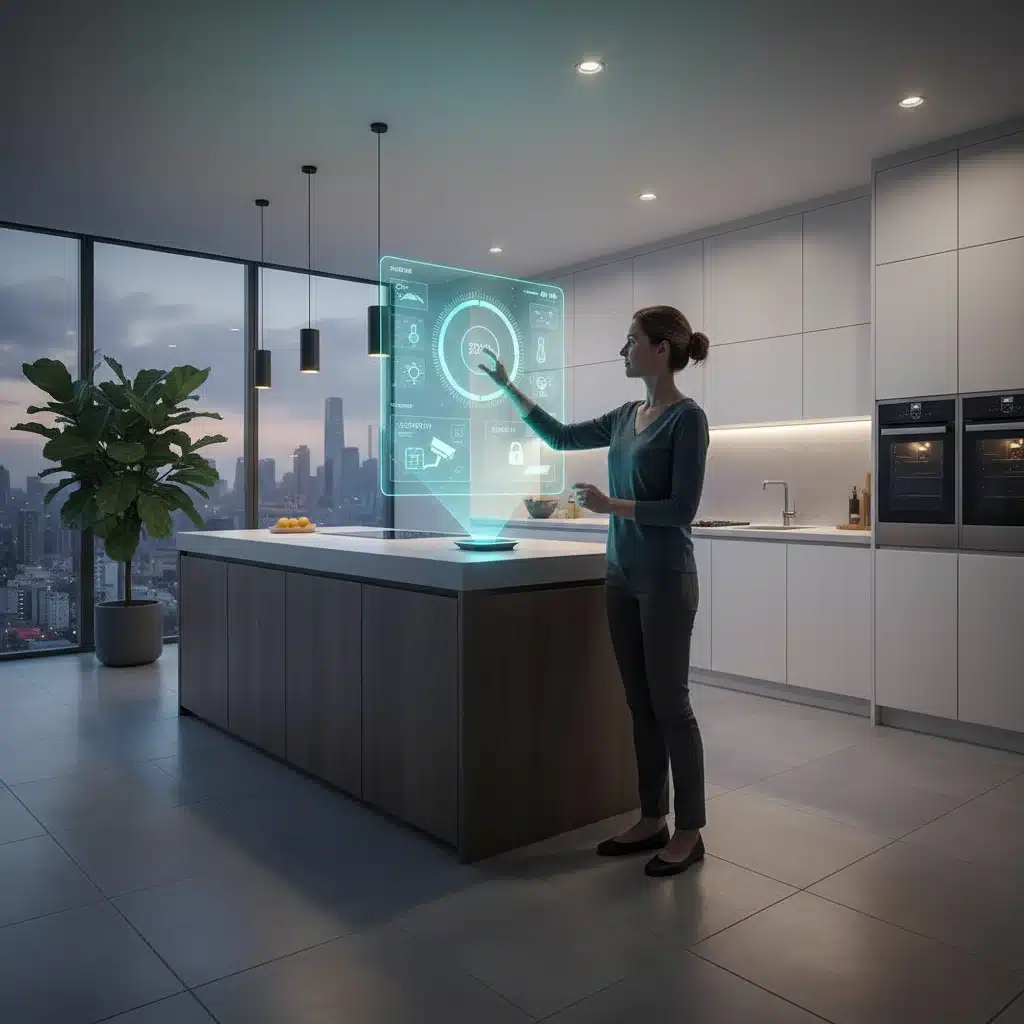
The journey to 90% Smart Home Automation by mid-2026 is an exciting one, promising a future of unparalleled convenience, efficiency, and personalized living. It requires thoughtful planning, strategic investment in compatible technologies, and a willingness to embrace the evolving landscape of AI and IoT. By focusing on robust integration, leveraging the power of AI, and building a secure and sustainable ecosystem, you can transform your house into a truly intelligent home that anticipates your every need and enhances your quality of life. The future of living is here, and it’s smarter than ever before.