Entertainment Consumption Shifts: Streaming to Social in 2026
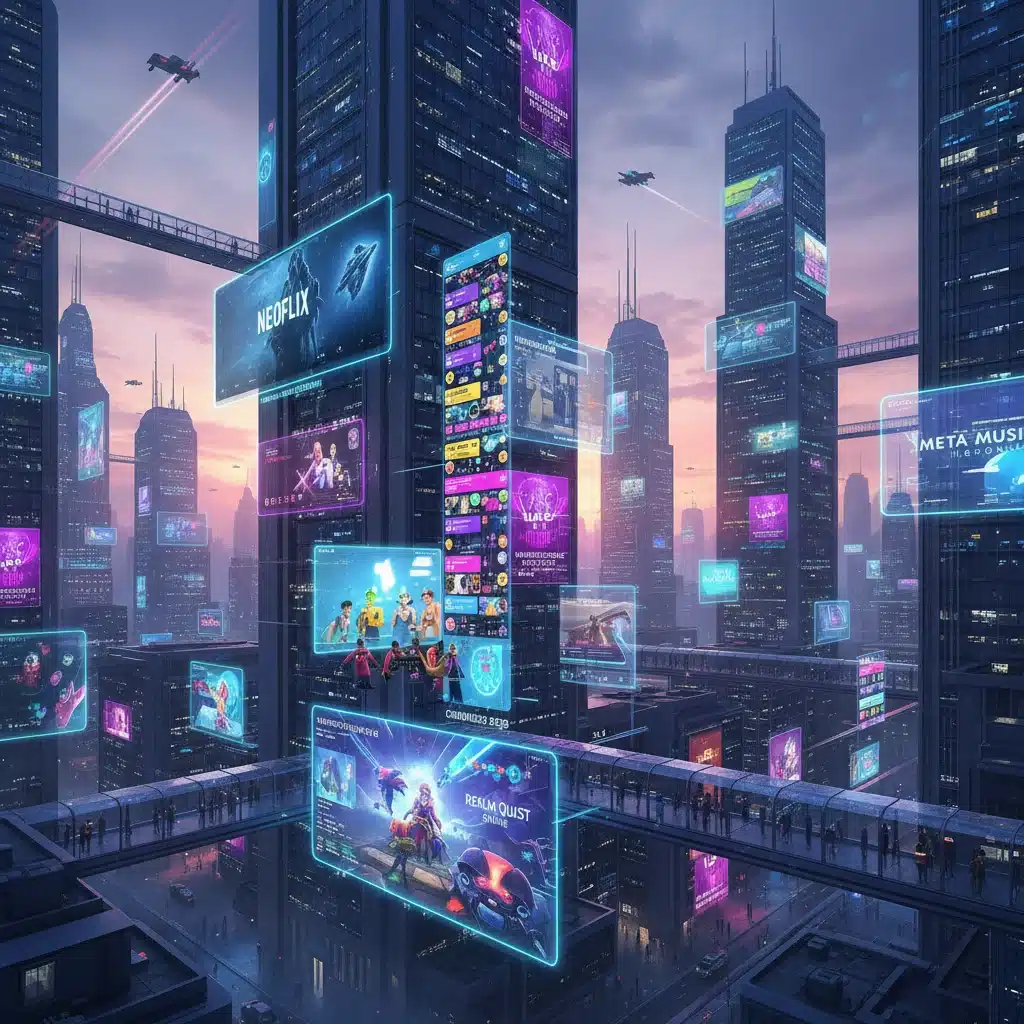
From Streaming to Social: A Comparison of 3 Major Entertainment Consumption Shifts in Daily Entertainment by 2026
The landscape of daily entertainment is undergoing a seismic transformation, moving at a pace that even the most seasoned industry analysts struggle to keep up with. As we hurtle towards 2026, it’s becoming increasingly clear that the way we consume content is no longer confined to the traditional models we’ve grown accustomed to. The era of passive viewing is steadily giving way to an age of active participation, community-driven experiences, and highly personalized content streams. This article delves into three major entertainment consumption shifts that are redefining our daily routines, comparing the evolution from the streaming boom to the omnipresent influence of social platforms.
Understanding these shifts isn’t just about recognizing new trends; it’s about comprehending fundamental changes in human behavior, technological capabilities, and the economic models that underpin the entertainment industry. From the rise of user-generated content to the gamification of everyday interactions, the future of entertainment is dynamic, interactive, and deeply integrated into our social fabric. Let’s explore how these transformations are reshaping what it means to be entertained.
Shift 1: The Evolution from Curated Streaming Libraries to Dynamic, Algorithmic Feeds
A decade ago, the promise of streaming services like Netflix, Hulu, and Amazon Prime Video was revolutionary. They offered an unprecedented library of on-demand content, liberating us from broadcast schedules and physical media. The convenience was undeniable, and the business model, predicated on subscriptions and exclusive content, reshaped Hollywood. However, as we approach 2026, the initial allure of vast, curated libraries is being challenged by a new paradigm: dynamic, algorithmic feeds that prioritize real-time engagement and personalized discovery. This represents a significant entertainment consumption shift.
The Heyday of Streaming: Convenience and Choice
In its prime, streaming offered a clear value proposition: an all-you-can-eat buffet of movies, TV shows, and documentaries for a flat monthly fee. This model allowed consumers to binge-watch entire seasons, explore niche genres, and access content from around the globe. The focus was on high-production value, professional content, and the ability to consume it at one’s own pace. Recommendation engines, while present, largely served to guide users through existing catalogs based on past viewing habits.
The Rise of Algorithmic Discovery: TikTok’s Influence and Beyond
Fast forward to today, and platforms like TikTok have fundamentally altered expectations. Their success isn’t built on vast libraries of professionally produced content, but on an endless, hyper-personalized stream of short-form, user-generated videos. The algorithm is the star, constantly learning and adapting to individual preferences, serving up content that is often surprising, always engaging, and rarely repetitive. This shift highlights a move from ‘pull’ (searching for content) to ‘push’ (content being delivered to you).
By 2026, this algorithmic-driven discovery will be even more pervasive. Traditional streaming services are already integrating shorter, more interactive formats and leveraging AI to predict not just what you might like, but what will keep you engaged in the present moment. The content itself might be shorter, more episodic, and designed for immediate gratification rather than long-term narrative commitment. This means a greater emphasis on continuous novelty and less on static, re-watchable classics. The battle for screen time is now a battle for algorithm supremacy, making this a critical entertainment consumption shift.
Implications for Content Creators and Platforms
For creators, this means a need to understand algorithmic logic and create content that is ‘discoverable’ and shareable. For platforms, it means investing heavily in AI and machine learning to refine their recommendation engines, ensuring that users are constantly presented with fresh, relevant material. The challenge is balancing high-quality, long-form content with the addictive nature of short-form, algorithmically-driven feeds. This is a delicate balancing act that will define success in the coming years as entertainment consumption shifts.
Shift 2: From Passive Viewing to Active, Interactive, and Social Experiences
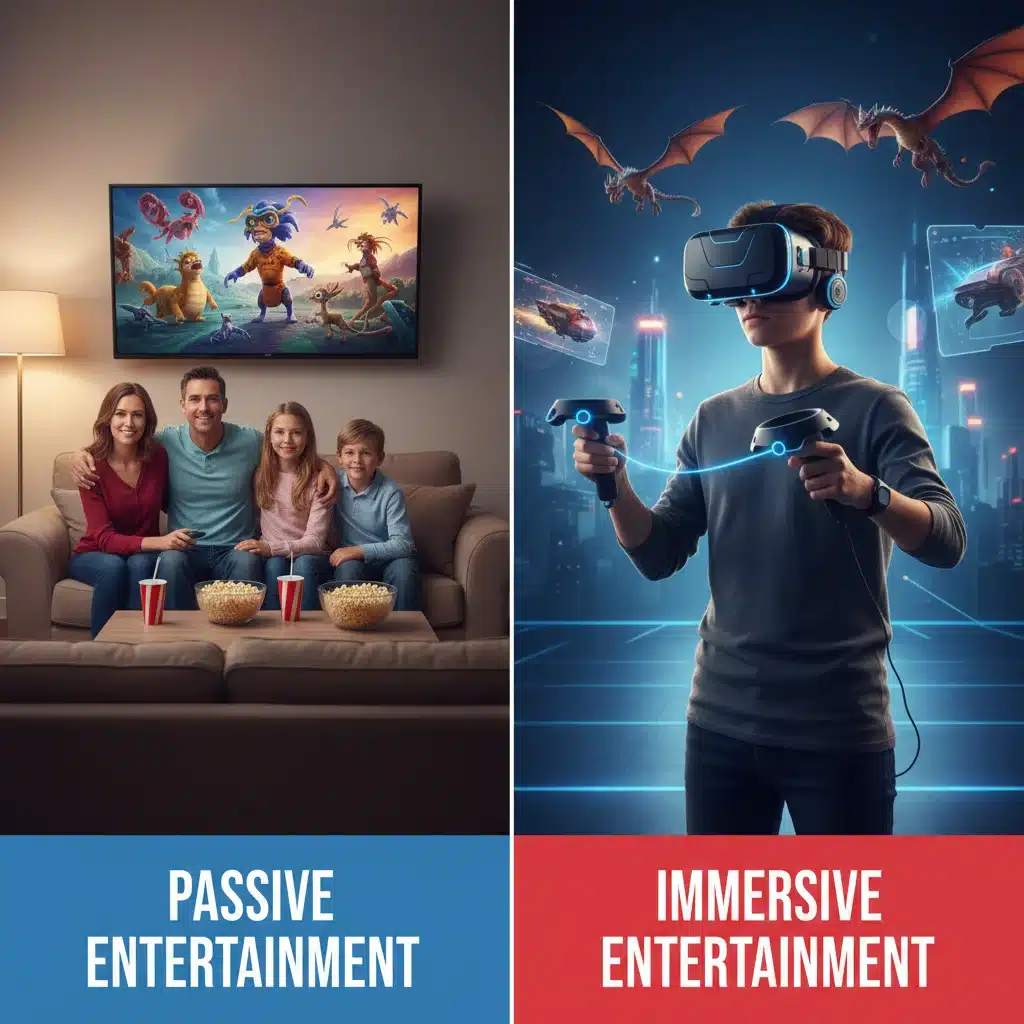
The second major entertainment consumption shift is the move from passive, solitary viewing to active, interactive, and inherently social experiences. While watching a movie or TV show has traditionally been a relatively solitary or family-oriented activity, the lines between consuming and participating are rapidly blurring. This transformation is driven by technological advancements and a generational desire for connection and agency within their entertainment.
The Era of Passive Consumption
For decades, entertainment was largely a one-way street. Television, radio, and even early streaming presented content to an audience who absorbed it without direct interaction. The most ‘interactive’ elements were perhaps fan forums or water cooler conversations the next day. The content was a finished product, delivered for consumption.
The Rise of Interactive Storytelling and Gamification
Today, interaction is becoming a core component of entertainment. This ranges from choose-your-own-adventure narratives on streaming platforms (like Netflix’s ‘Bandersnatch’) to live-streamed events where audiences can influence outcomes in real-time. Gaming, in particular, has paved the way, demonstrating the immense appeal of agency and consequence within a narrative. By 2026, expect this trend to deepen significantly, impacting how we experience everything from sports to educational content.
Furthermore, gamification – applying game-design elements and game principles in non-game contexts – is making entertainment more engaging. Loyalty programs, virtual rewards, and competitive leaderboards are integrating into various platforms, encouraging deeper and more prolonged engagement. This isn’t just about playing games; it’s about making every entertainment experience feel more like a game, with challenges, achievements, and social bragging rights.
Social Integration: The New Water Cooler
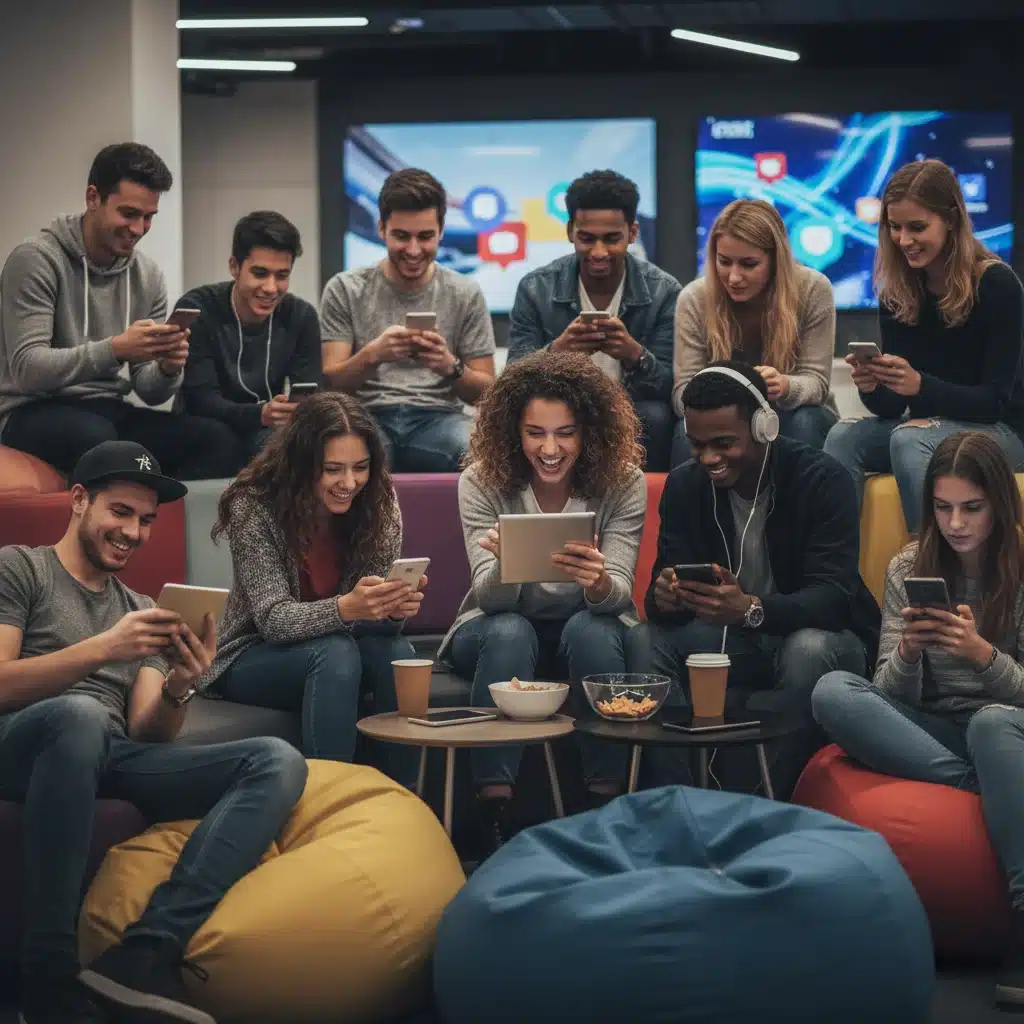
Perhaps the most significant aspect of this shift is the deepening integration of social elements. Entertainment is no longer just something we do; it’s something we do together, even when physically apart. Watch parties, live commentary streams, and integrated chat functions within viewing experiences are becoming standard. Platforms like Twitch, YouTube, and even some newer streaming services are building communities directly around content, allowing viewers to react, discuss, and even co-create in real-time. This collective experience amplifies engagement and fosters a sense of belonging.
This social layer extends beyond live events. Discussions, memes, fan theories, and remixes born from popular content are often as entertaining as the original material. The content becomes a starting point for a broader social conversation, and platforms that facilitate this conversation will thrive. This fundamentally alters the nature of entertainment consumption shifts.
Shift 3: The Blurring Lines Between Creator and Consumer, Professional and Amateur Content
The third major entertainment consumption shift is the erosion of the traditional distinction between content creators and consumers, and consequently, between professional and amateur content. The democratization of creation tools and distribution channels has empowered anyone with a smartphone and an idea to become a global entertainer. This shift has profound implications for industry gatekeepers, talent discovery, and the very definition of ‘quality’ entertainment.
The Traditional Content Hierarchy
Historically, content creation was a specialized, expensive, and exclusive endeavor. Film studios, TV networks, and record labels held immense power, controlling production, distribution, and marketing. Consumers were largely passive recipients of this professionally crafted content. The barrier to entry for creators was incredibly high, requiring significant capital, connections, and expertise.
The Democratization of Creation: User-Generated Content (UGC) as King
The internet, and particularly social media, has shattered this hierarchy. Tools for video editing, music production, and graphic design are now readily available, often free or inexpensive, and intuitive to use. Platforms like YouTube, TikTok, Instagram, and even gaming platforms allow individuals to create and distribute content to potentially millions of viewers with minimal overhead. This has led to an explosion of user-generated content (UGC), which now competes directly with, and often surpasses, professionally produced material in terms of reach and engagement.
By 2026, the volume and influence of UGC will only continue to grow. Many of the most popular entertainers will be individuals who started in their bedrooms, cultivating massive followings through authenticity, niche appeal, and direct engagement with their audience. This means a shift in power dynamics, with platforms and audiences often holding more sway than traditional studios.
The Rise of the ‘Pro-Am’ Creator and Hybrid Models
This isn’t to say professional content is dead; rather, the definition of ‘professional’ is evolving. We are seeing the rise of ‘pro-am’ creators – individuals who started as amateurs but have professionalized their operations, often without the backing of traditional media companies. They might have their own production teams, managers, and sophisticated marketing strategies, yet retain the direct connection and authenticity that endeared them to their initial audience. This hybrid model is a key aspect of these entertainment consumption shifts.
Furthermore, traditional media companies are increasingly partnering with or acquiring successful UGC creators, recognizing their influence and ability to connect with younger demographics. The lines are blurring, with professional content adopting the fast-paced, interactive style of UGC, and UGC creators producing content that rivals professional quality. This convergence creates a rich, diverse, and sometimes chaotic entertainment ecosystem.
New Economic Models and Creator Empowerment
This shift also brings new economic models. Beyond traditional advertising, creators can monetize through subscriptions, direct fan support (e.g., Patreon, Twitch subs), merchandise, and brand sponsorships. This empowers creators to build sustainable careers outside the traditional studio system, fostering a more diverse and independent creative landscape. This independence further accelerates the entertainment consumption shifts.
The Interplay of These Shifts and the Future Landscape
These three major entertainment consumption shifts are not isolated phenomena; they are deeply interconnected, creating a complex and rapidly evolving entertainment ecosystem. The algorithmic feeds fuel the discovery of interactive, social content, often created by individuals blurring the lines between amateur and professional. The demand for constant novelty and engagement drives platforms to innovate with AI and social features, which in turn empower more creators.
Consider the implications for traditional media. Major studios and broadcasters are forced to adapt, either by embracing these new models (e.g., creating short-form content for social platforms, incorporating interactive elements into their shows) or by focusing on niche, high-quality experiences that cannot be easily replicated by individual creators. The competition for attention is fiercer than ever, and the metrics of success are constantly being redefined. It’s no longer just about viewership numbers but also about engagement rates, community growth, and cultural impact.
Challenges and Opportunities
While these shifts offer immense opportunities for innovation and democratization, they also present challenges. The sheer volume of content can lead to fatigue and difficulty in discerning quality. The algorithmic nature of discovery can create echo chambers, and the reliance on social interaction can sometimes foster negativity or misinformation. Ensuring responsible content moderation and promoting digital well-being will be critical responsibilities for platforms moving forward.
For consumers, the future promises an incredibly rich and personalized entertainment experience. We will have more control, more choice, and more opportunities to connect with content and creators we love. The passive viewer will become an active participant, a co-creator, and a member of a global community, fundamentally altering our daily entertainment consumption shifts.
Embracing the Future of Entertainment
As we navigate towards 2026, the daily act of being entertained will look dramatically different from what it did even a few years ago. The shift from curated streaming libraries to dynamic algorithmic feeds means content discovery is more personalized and immediate. The evolution from passive viewing to active, interactive, and social experiences transforms consumption into participation and community building. And the blurring lines between creator and consumer, professional and amateur content, democratizes the entire creative process, empowering a new generation of entertainers.
These entertainment consumption shifts are not merely technological; they are cultural, sociological, and economic. They reflect a deeper human desire for connection, agency, and authentic expression. Platforms, creators, and consumers alike must remain agile and open to innovation to thrive in this exciting, ever-changing landscape. The future of entertainment is not just about what we watch, but how we engage, create, and connect.
The Role of Artificial Intelligence and Personalization
The bedrock of these entertainment consumption shifts is undoubtedly Artificial Intelligence (AI). AI algorithms are becoming increasingly sophisticated, not just in recommending content but in generating it, curating it, and even interacting with users. By 2026, AI will play an even more central role in personalizing every aspect of our entertainment experience. Imagine AI-powered virtual companions that learn your preferences and suggest activities, or dynamic storylines that adapt in real-time based on your choices and emotional responses detected through biometric feedback. This level of hyper-personalization will make entertainment feel uniquely tailored to each individual, creating deeper engagement but also raising questions about privacy and data usage.
The Metaverse and Immersive Experiences
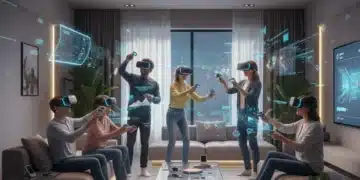
While still in its nascent stages, the concept of the metaverse will also significantly influence these entertainment consumption shifts. By 2026, we can expect more accessible and sophisticated immersive experiences, moving beyond simple VR games to virtual social spaces where people can attend concerts, watch movies together, or participate in interactive narratives as avatars. This will blend gaming, social media, and traditional entertainment into a seamless, interconnected virtual world. The distinction between ‘real-life’ and ‘digital-life’ entertainment will continue to dissolve, offering unprecedented levels of immersion and interaction.
Micro-Entertainment and Attention Spans
The proliferation of short-form content, driven by platforms like TikTok, points to another critical factor: shrinking attention spans. By 2026, micro-entertainment – content designed to be consumed in seconds or minutes – will be a dominant force. This requires creators to be incredibly efficient in conveying ideas, eliciting emotions, and capturing attention instantly. While longer-form content will persist, it will likely need to incorporate elements of micro-entertainment to retain engagement, such as frequent hooks, episodic structures, and opportunities for immediate interaction. This trend directly impacts how platforms design their user interfaces and how creators structure their narratives, driving further entertainment consumption shifts.
Subscription Fatigue and Bundling Strategies
As the number of streaming services and content platforms continues to grow, consumers are experiencing ‘subscription fatigue.’ The cost of subscribing to multiple services can quickly add up, leading to churn. By 2026, we anticipate a significant shift towards more sophisticated bundling strategies. This could involve telecommunication companies offering entertainment packages, or platforms partnering to create curated bundles that offer better value. The competition for consumer wallets will drive innovation in pricing models and content aggregation, influencing how and where users choose to spend their entertainment budget, marking another crucial set of entertainment consumption shifts.
Ethical Considerations and Digital Well-being
With great power comes great responsibility. As entertainment becomes more immersive, personalized, and integrated into our social lives, ethical considerations around data privacy, content moderation, and digital well-being will become paramount. Platforms will face increasing scrutiny over their algorithms’ impact on mental health, the spread of misinformation, and the protection of user data. By 2026, we expect to see more robust regulations and industry-led initiatives aimed at creating a safer and more responsible digital entertainment environment. Consumers, too, will become more aware and discerning about the platforms they choose to engage with, prioritizing those that demonstrate a commitment to ethical practices and user welfare. These ethical considerations will undoubtedly shape future entertainment consumption shifts.
Conclusion: A Future of Dynamic and Personalized Engagement
The journey from traditional streaming to a social, interactive, and creator-driven entertainment landscape is well underway, with 2026 serving as a critical checkpoint in this evolution. The three major entertainment consumption shifts – from curated libraries to algorithmic feeds, from passive viewing to active participation, and from professional exclusivity to creator democratization – are converging to create an entertainment experience unlike any before. This new era promises unparalleled personalization, deeper engagement, and a continuous blurring of the lines between content, community, and individual expression. Staying abreast of these changes is essential for anyone looking to understand, participate in, or shape the future of daily entertainment.