Decoding the Great Resignation: Experts Predict 2026 Social Echoes

The seismic shift in the global workforce, famously dubbed the "Great Resignation," is far from a fleeting trend. What began as a reactive movement during the pandemic has evolved into a fundamental re-evaluation of work, purpose, and societal values. As we look towards 2026, the echoes of this monumental exodus are expected to reverberate even more profoundly, shaping our communities, economies, and individual lives in ways we are only just beginning to comprehend. This comprehensive article delves into expert predictions for the Great Resignation 2026, offering insider knowledge on the societal, economic, and cultural transformations that lie ahead.
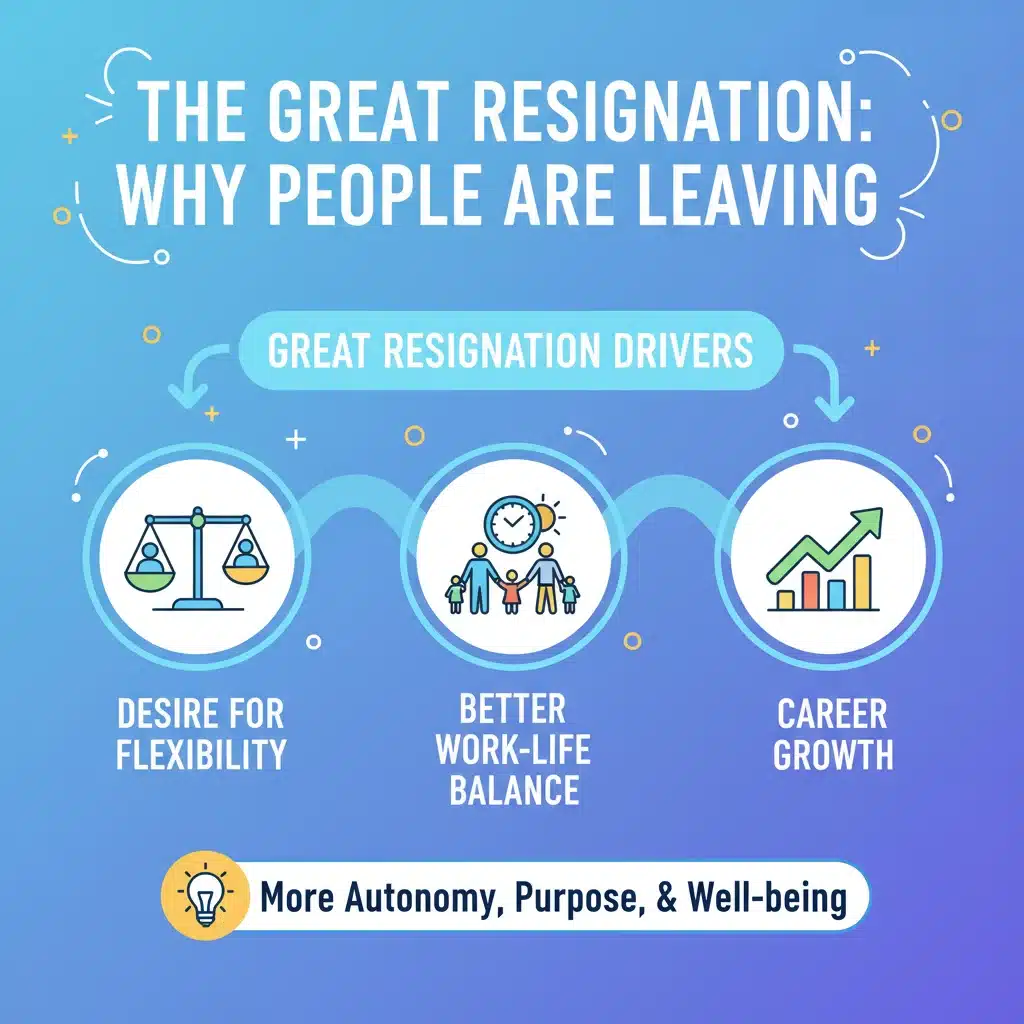
The Great Resignation, characterized by millions of workers voluntarily leaving their jobs, was initially framed as a response to burnout, inadequate compensation, and a lack of flexibility during the COVID-19 pandemic. However, its underlying drivers are much deeper, touching upon a collective yearning for greater autonomy, purpose, and well-being. By 2026, these aspirations are not just expected to persist but to solidify into new norms, demanding fundamental changes from employers, policymakers, and individuals alike. Understanding these evolving dynamics is crucial for anyone hoping to navigate the future of work successfully.
We will explore how the Great Resignation 2026 will manifest across various sectors, from the continued redefinition of traditional employment models to the rise of new economic opportunities. We will also examine the social implications, including changes in community structures, family dynamics, and the broader psychological impact on society. This analysis draws upon insights from leading economists, sociologists, HR strategists, and futurists, providing a holistic perspective on what to expect.
The Enduring Shift in Employee Expectations: Beyond Paychecks
One of the most significant and lasting legacies of the Great Resignation will be the permanent recalibration of employee expectations. By 2026, the notion of "just a job" will be largely obsolete for a significant portion of the workforce. Workers, particularly younger generations, are increasingly prioritizing factors beyond salary, such as work-life balance, meaningful work, ethical employer practices, and opportunities for personal and professional growth. This shift isn’t merely a preference; it’s becoming a non-negotiable demand.
Experts predict that companies failing to adapt to these evolving expectations will face severe talent shortages and reduced productivity. The "war for talent" will intensify, but it will be fought not just with higher salaries, but with comprehensive value propositions that address the holistic needs of employees. This includes robust mental health support, flexible work arrangements as a default rather than a perk, clear pathways for career development, and a strong organizational culture rooted in empathy and transparency.
The demand for flexibility, in particular, is set to be a cornerstone of the Great Resignation 2026 landscape. Remote and hybrid work models, once emergency measures, are now ingrained into many industries. However, flexibility will extend beyond location, encompassing flexible hours, compressed workweeks, and even greater autonomy over project selection and work pace. This empowerment of employees is expected to lead to higher engagement and retention for companies that embrace it, while those clinging to rigid, pre-pandemic structures will struggle to attract and retain top talent.
Furthermore, the desire for "purpose-driven work" will continue to gain momentum. Employees are increasingly seeking alignment between their personal values and the mission of their employers. This means companies will need to articulate not just what they do, but why they do it, and demonstrate a genuine commitment to social responsibility, environmental sustainability, and ethical governance. Organizations that can authentically communicate and deliver on these fronts will have a significant competitive advantage in the talent market.
The Rise of the "Portfolio Career" and the Gig Economy’s Evolution
The Great Resignation 2026 is also predicted to accelerate the trend towards portfolio careers and a more sophisticated gig economy. Many individuals who left traditional employment are not necessarily seeking unemployment; rather, they are seeking different forms of employment that offer greater control and variety. This often translates into working for multiple clients or employers simultaneously, leveraging diverse skill sets, and constructing a "portfolio" of work rather than a single, linear career path.
This shift has profound implications for both individuals and businesses. For individuals, it offers increased autonomy, diversified income streams, and the ability to pursue passions more freely. However, it also demands greater self-management, financial planning, and a proactive approach to skill development. The traditional safety nets of full-time employment, such as health insurance and retirement plans, will need to be rethought for this growing segment of the workforce.
For businesses, the rise of the portfolio career means a more fluid and flexible talent pool. Companies will increasingly rely on a mix of full-time employees, contractors, freelancers, and project-based workers. This can offer agility and access to specialized skills without the overheads of permanent employment. However, it also necessitates new strategies for talent management, onboarding, and fostering a sense of belonging among a diverse and often distributed workforce. The challenge will be to integrate these disparate work arrangements into a cohesive and productive organizational structure.
The gig economy, often associated with low-wage, precarious work, is expected to evolve. While low-skilled gig work will persist, there will be a significant expansion of "high-skilled gig work," where experienced professionals offer their expertise on a project basis. This will include consultants, developers, designers, marketers, and other specialists who command premium rates and seek greater control over their work lives. Platforms facilitating this high-skilled gig economy will proliferate, acting as crucial intermediaries between talent and demand.
Societal Restructuring: Community, Family, and Well-being
Beyond the immediate impact on the workplace, the Great Resignation 2026 is expected to have deep societal echoes. The re-evaluation of work has led many to prioritize personal well-being, family, and community engagement over career advancement at all costs. This could lead to a revitalization of local communities as more people choose to work remotely, reducing the need for daily commutes to urban centers. Suburban and rural areas may experience population growth and a resurgence of local businesses and services.
Family dynamics are also likely to shift. With greater flexibility, parents, particularly mothers who disproportionately bore the brunt of caregiving responsibilities during the pandemic, may find more equitable ways to balance work and family life. This could lead to a more balanced distribution of caregiving, potentially fostering stronger family bonds and reducing stress. However, it also requires supportive policies, such as affordable childcare and paid family leave, to truly unlock these benefits.
The focus on mental health and well-being, brought to the forefront by the pandemic and exacerbated by workplace stresses, will continue to be a dominant theme. Employers will be increasingly expected to provide comprehensive mental health resources, foster psychologically safe workplaces, and actively promote employee well-being. On a societal level, there may be a greater emphasis on collective well-being, with communities investing more in public spaces, recreational activities, and support networks.
Furthermore, the Great Resignation 2026 might contribute to a broader redefinition of success. Traditional metrics of success, often tied to corporate ladders and material wealth, may give way to a more holistic view that encompasses personal fulfillment, community contribution, and overall life satisfaction. This cultural shift could manifest in different consumption patterns, a greater emphasis on experiences over possessions, and a renewed focus on local economies and sustainable living.
The Economic Ripple Effect: Inflation, Automation, and New Industries
The economic implications of the Great Resignation by 2026 are complex and multifaceted. One immediate concern is its potential contribution to wage inflation. As companies compete for a smaller pool of available talent, wages are driven up, particularly in sectors experiencing acute labor shortages. While this can benefit workers, it also poses challenges for businesses, potentially leading to higher prices for consumers and contributing to inflationary pressures.
Another significant economic consequence is the acceleration of automation and AI adoption. Faced with labor shortages and rising wage costs, businesses are increasingly investing in technologies that can automate routine tasks and improve efficiency. While this can lead to productivity gains, it also raises concerns about job displacement, particularly for low-skilled workers. The Great Resignation 2026 will necessitate a greater focus on reskilling and upskilling initiatives to prepare the workforce for an increasingly automated future.
However, this transformation also presents opportunities for the emergence of new industries and services. The growing demand for flexible work solutions, employee well-being programs, and sustainable business practices will fuel innovation in these areas. We can expect to see a boom in platforms facilitating remote work, tools for mental health support, consulting services for organizational culture transformation, and businesses focused on ethical and sustainable production. The entrepreneurial spirit, often ignited by individuals seeking greater autonomy, will likely drive much of this innovation.
The impact on specific sectors will vary. Industries like hospitality, retail, and healthcare, which traditionally rely on face-to-face interactions and often feature lower wages and less flexibility, have been hit particularly hard. These sectors will need to fundamentally rethink their operating models, compensation structures, and employee value propositions to attract and retain workers in the Great Resignation 2026 landscape. This might involve greater investment in training, technology to augment human labor, and a stronger emphasis on creating supportive work environments.
Policy and Regulatory Responses: A New Social Contract?
As the social and economic echoes of the Great Resignation solidify by 2026, governments and policymakers will be under increasing pressure to respond. The traditional social contract, often built around full-time, long-term employment with standard benefits, is being challenged. New policies may be needed to address the changing nature of work, particularly for those in the gig economy or pursuing portfolio careers.
Discussions around universal basic income (UBI), portable benefits (benefits that follow the worker, not the employer), and expanded social safety nets are likely to gain traction. These policies could provide a much-needed buffer for individuals navigating the uncertainties of a more flexible and less traditional labor market. Furthermore, there will be a growing demand for regulations that protect workers in the gig economy, ensuring fair wages, access to benefits, and avenues for redress.
Education systems will also need to adapt. The emphasis will shift from rote learning to developing critical thinking, adaptability, and emotional intelligence – skills that are highly valued in a rapidly changing work environment. Lifelong learning will become not just a desirable trait but a necessity, with governments and employers sharing the responsibility for providing access to continuous education and reskilling programs. The Great Resignation 2026 underscores the need for proactive investment in human capital.
International cooperation may also become more critical. As remote work blurs geographical boundaries, questions of taxation, labor laws, and social security for globally distributed teams will need to be addressed. This could lead to new international agreements and frameworks designed to support a more globalized and flexible workforce, while ensuring fair competition and worker protections across borders.
Preparing for the Great Resignation 2026: Strategies for Individuals and Organizations
For individuals, preparing for the Great Resignation 2026 means cultivating adaptability, continuously learning new skills, and proactively managing one’s career trajectory. Investing in personal branding, building robust professional networks, and developing financial literacy will be crucial. Embracing a mindset of lifelong learning and being open to non-traditional career paths will be key to thriving in this evolving landscape.
For organizations, the imperative is clear: adapt or risk obsolescence. This involves a fundamental rethinking of human resources strategies, moving beyond transactional relationships to genuine partnerships with employees. Key strategies include:
- Embracing Flexibility as a Core Value: Offering remote, hybrid, and flexible hour options not as concessions, but as integral parts of the work model.
- Investing in Employee Well-being: Providing comprehensive mental health support, wellness programs, and fostering a culture that prioritizes work-life balance.
- Creating a Culture of Purpose and Belonging: Clearly articulating the company’s mission and values, and ensuring employees feel connected to a larger purpose and a supportive community.
- Prioritizing Learning and Development: Offering continuous opportunities for upskilling and reskilling, demonstrating a commitment to employees’ long-term career growth.
- Rethinking Compensation and Benefits: Moving beyond traditional salary structures to include holistic benefits packages that address diverse employee needs, including portable benefits for gig workers.
- Leveraging Technology Thoughtfully: Implementing automation and AI not just for efficiency, but to augment human capabilities and free up employees for more creative and strategic tasks.
- Practicing Transparent Communication: Fostering open dialogue, soliciting feedback, and acting on employee concerns to build trust and engagement.

The Great Resignation 2026 is not just about people leaving jobs; it’s about people leaving old ways of working and living. It’s a collective awakening to the idea that work should serve life, not the other way around. This profound shift requires proactive engagement from all stakeholders – individuals, businesses, and governments – to build a more equitable, sustainable, and fulfilling future of work. By understanding these expert predictions and proactively preparing for the changes ahead, we can collectively shape a world where work truly enhances life, rather than detracting from it. The journey is complex, but the destination promises a more human-centered approach to labor and living.
The Psychological Impact: Redefining Identity and Success
Beyond the tangible changes in employment and economic structures, the Great Resignation 2026 will continue to have a significant psychological impact on individuals and society. For many, leaving a long-held job was not merely a career move but an identity shift. Work often forms a core part of an individual’s identity and sense of purpose. The act of resigning, especially from stable, long-term positions, forced a deep introspection about what truly matters.
This introspection has led to a redefinition of success for many. Instead of equating success solely with career advancement or material wealth, individuals are increasingly valuing personal growth, meaningful relationships, health, and contributions to society. This cultural shift, while positive in many respects, can also bring challenges. It requires individuals to confront societal pressures and redefine their own narratives of achievement, which can be a complex and sometimes isolating process.
The search for meaning and purpose in work is expected to intensify by 2026. This means that jobs offering a clear connection to positive societal impact, opportunities for creativity, and genuine autonomy will become highly coveted. Conversely, jobs perceived as purely transactional, lacking purpose, or offering little room for personal development will face even greater difficulty in attracting and retaining talent. This psychological drive for meaning will reshape recruitment practices and organizational design.
Furthermore, the increased flexibility and autonomy, while largely positive, also bring challenges related to boundaries and self-discipline. The lines between work and personal life can blur, leading to potential burnout if not managed effectively. By 2026, individuals will need to develop stronger self-management skills, and organizations will need to implement policies that actively encourage disconnecting and respecting personal time, even in flexible work environments. The "always-on" culture must be actively combated to prevent a new form of digital burnout.
Conclusion: A Transformative Era for Work and Society
The Great Resignation is more than a historical event; it is an ongoing transformation, and its social echoes will be profoundly felt in 2026 and beyond. We are witnessing a fundamental re-evaluation of the role of work in our lives, driven by a collective desire for greater flexibility, purpose, and well-being. This shift is reshaping employee expectations, accelerating the evolution of the gig economy, and prompting significant societal and economic restructuring.
As we navigate towards 2026, the successful organizations and individuals will be those who embrace adaptability, prioritize human-centric approaches, and commit to continuous learning. Governments and policymakers will play a crucial role in establishing new frameworks that support this evolving workforce, ensuring equity and opportunity for all.
The Great Resignation 2026 is not a crisis to be weathered, but an opportunity to build a more resilient, equitable, and fulfilling future of work. By understanding these expert predictions and proactively preparing for the changes ahead, we can collectively shape a world where work truly enhances life, rather than detracting from it. The journey is complex, but the destination promises a more human-centered approach to labor and living.