Digital Legacy Management: Your Essential Guide Beyond 2026
Crafting Your Digital Legacy: Essential Steps for Managing Your Online Presence Beyond 2026
In an increasingly digital world, our lives are intricately woven into the fabric of the internet. From cherished memories shared on social media to critical financial documents stored in the cloud, our digital footprint is vast and ever-expanding. But what happens to this intricate web of data and online presence when we’re no longer here to manage it? This is where the crucial concept of digital legacy management comes into play. As we move beyond 2026, the importance of proactively planning for your digital afterlife is no longer a niche concern but a fundamental aspect of comprehensive estate planning.
The landscape of digital assets is constantly evolving. What constitutes a ‘digital asset’ today might be entirely different tomorrow. Therefore, understanding and implementing robust digital legacy management strategies is paramount. This comprehensive guide will walk you through the essential steps to secure your online presence, protect your digital assets, and ensure your wishes are honored long after you’re gone. We’ll delve into everything from identifying your digital footprint to utilizing specialized tools and communicating your plans effectively.
Understanding Your Digital Footprint: The First Step in Digital Legacy Management
Before you can manage your digital legacy, you need to understand its scope. Your digital footprint encompasses everything you do, create, and share online. This includes a wide array of assets, each with varying levels of importance and sensitivity. Without a clear understanding of what you possess digitally, effective digital legacy management is impossible.
Identifying Your Digital Assets
Think broadly when identifying your digital assets. It’s not just about social media profiles. Consider the following categories:
- Social Media Accounts: Facebook, Instagram, Twitter, LinkedIn, TikTok, Pinterest, etc. These often hold personal memories, connections, and sometimes even professional networks.
- Email Accounts: Gmail, Outlook, Yahoo, etc. These are often the gateways to many other online services and contain crucial communications.
- Financial Accounts: Online banking portals, investment platforms, cryptocurrency wallets, PayPal, Venmo, etc. These require careful planning due to their monetary value.
- Cloud Storage: Google Drive, Dropbox, iCloud, OneDrive. These can store documents, photos, videos, and other personal files.
- Websites and Blogs: Personal websites, professional portfolios, blogs, e-commerce stores. These might have sentimental value, generate income, or hold intellectual property.
- Domain Names: If you own any domain names, these are valuable digital assets.
- Digital Media Libraries: Music, movies, e-books purchased from platforms like iTunes, Amazon, Spotify, Netflix. While often licensed, not owned, their access can still be part of your legacy.
- Gaming Accounts: Steam, Xbox Live, PlayStation Network. These can contain purchased games, in-game assets, and social connections.
- Loyalty Programs and Rewards Points: Airline miles, credit card points, store loyalty programs. These can have tangible value.
- Software Licenses: Adobe Creative Suite, Microsoft Office, specialized professional software.
- Cryptocurrencies and NFTs: Bitcoin, Ethereum, and non-fungible tokens represent significant financial and artistic value.
- Online Subscriptions: Streaming services, news subscriptions, software-as-a-service (SaaS) tools.
Creating a comprehensive inventory of these assets is the bedrock of effective digital legacy management. This inventory should detail the platform, your username, and ideally, where to find the associated passwords or access methods.
The Evolving Nature of Digital Assets
The digital world is dynamic. New platforms emerge, old ones fade, and the definition of a ‘valuable’ digital asset shifts. For instance, NFTs (Non-Fungible Tokens) were a nascent concept just a few years ago but now represent significant value for many. Your digital legacy management plan must be flexible and regularly updated to account for these changes. Think of it as a living document, not a one-time task.
Securing Your Digital Assets: Passwords, Two-Factor Authentication, and Beyond
Once you’ve identified your digital footprint, the next critical step in digital legacy management is securing these assets. This involves not only protecting them during your lifetime but also ensuring that trusted individuals can access them when necessary, without compromising security.
The Imperative of Strong Passwords and Password Managers
Weak or reused passwords are the Achilles’ heel of digital security. For robust digital legacy management, every account should have a strong, unique password. This is where password managers become indispensable. Tools like LastPass, 1Password, Dashlane, or Bitwarden can:
- Generate complex, unique passwords for all your accounts.
- Store these passwords securely, often encrypted with a master password.
- Auto-fill login credentials, making online life easier.
- Provide a secure way to share specific passwords with trusted individuals if needed (though this should be done with extreme caution and only for specific, designated accounts).
Integrating a password manager into your routine is a foundational element of any good digital legacy management strategy.
Implementing Two-Factor Authentication (2FA)
Beyond strong passwords, two-factor authentication (2FA) adds an extra layer of security. This typically involves a second verification step, such as a code sent to your phone, a fingerprint scan, or a hardware security key. While 2FA makes your accounts much harder to compromise during your lifetime, it also presents a challenge for digital legacy management. If your chosen executor doesn’t have access to your 2FA method (e.g., your physical phone), they might be locked out. Therefore, planning for 2FA access is crucial.
Encrypting Sensitive Data
For highly sensitive documents or files, consider encrypting them before storing them in the cloud or on local drives. Tools like VeraCrypt or the built-in encryption features of operating systems (e.g., BitLocker for Windows, FileVault for macOS) can provide an additional layer of protection. This is particularly important for financial records, legal documents, or highly personal information that you want to keep secure even after your passing.
Designating Digital Executors and Trusted Contacts
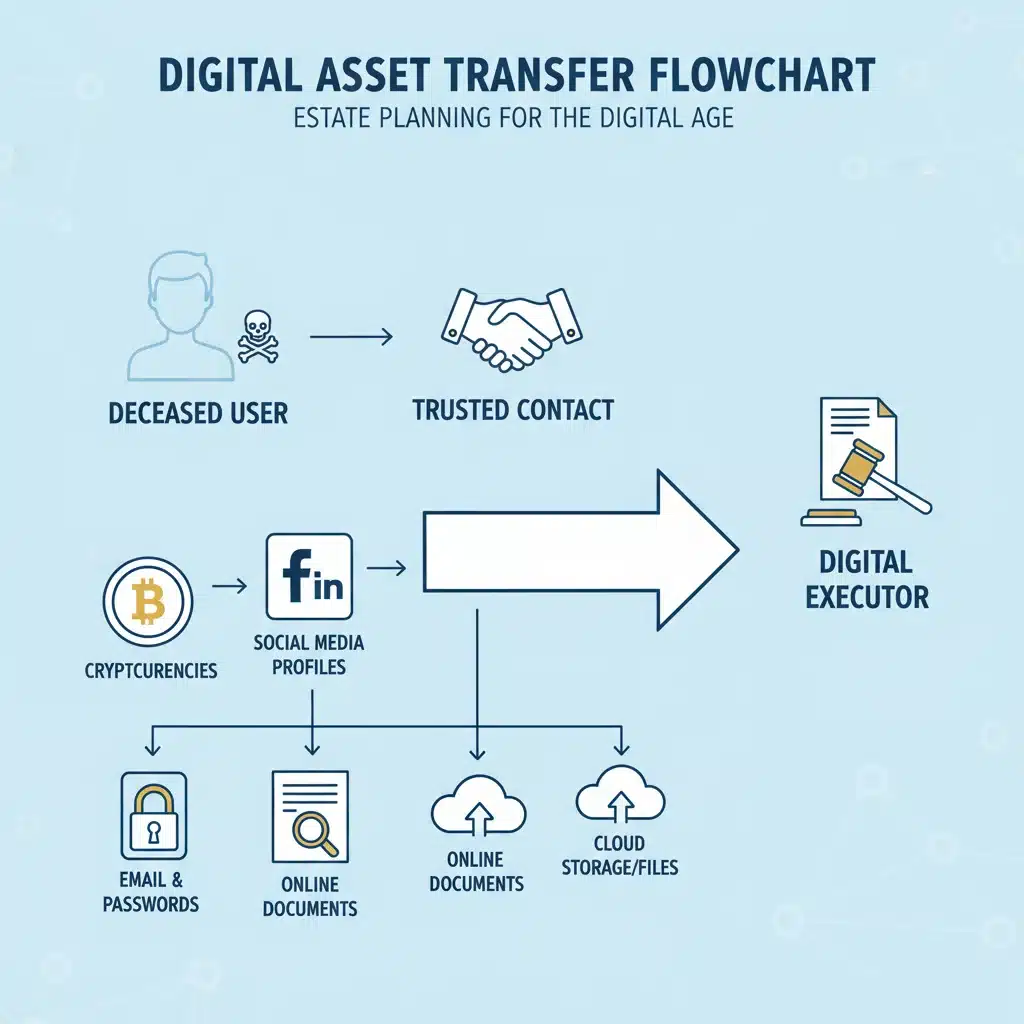
Perhaps the most vital component of digital legacy management is appointing individuals who will be responsible for executing your digital wishes. These individuals are often referred to as digital executors or trusted contacts.
Choosing Your Digital Executor
Your digital executor doesn’t necessarily have to be the same person as your traditional estate executor, though it can be. This person should be:
- Tech-savvy: They need to understand how to navigate various online platforms and digital tools.
- Trustworthy: They will have access to your most personal and sensitive information.
- Organized: They will need to meticulously follow your instructions and manage a potentially large volume of digital assets.
- Empathetic: They will be dealing with your digital presence during a difficult time for your loved ones.
It’s advisable to choose at least one primary digital executor and one backup. Discuss the role with them thoroughly to ensure they understand the responsibilities and are willing to undertake them.
Granting Access and Instructions
Simply naming a digital executor isn’t enough. You need to provide them with the necessary tools and instructions. This typically involves:
- A Master List: A securely stored document (physical or encrypted digital) containing your digital asset inventory, usernames, and instructions on how to access password managers or specific accounts. This document should NOT contain actual passwords but rather instructions on how to access your password manager’s master password or a securely stored encrypted file containing account details.
- Specific Instructions for Each Account: Do you want your social media profiles to be memorialized, deleted, or managed by someone? Do you want specific photos or documents preserved? Clearly outline your wishes for each type of digital asset.
- Legal Documentation: Ensure your will or a separate digital will explicitly grants your digital executor the authority to access and manage your digital assets. Many terms of service agreements for online platforms make it difficult for anyone other than the account holder to access accounts, even with a traditional will. Specific legal provisions can help your executor navigate these challenges.
- Access to 2FA Methods: If you use 2FA, provide clear instructions on how your executor can bypass or gain access to these methods. This might involve sharing recovery codes, a backup phone, or instructions for contacting service providers.
Regularly review and update these instructions as your digital life evolves. Effective digital legacy management is an ongoing process.

Leveraging Digital Legacy Tools and Features
Many online platforms and third-party services now offer features specifically designed to aid in digital legacy management. Familiarizing yourself with these tools can significantly simplify the process for your loved ones.
Social Media Legacy Features
- Facebook Legacy Contact: Allows you to designate a person who can manage your memorialized account. They can respond to new friend requests, write a pinned post, or update your profile picture. They cannot log into your account, read messages, or remove past posts.
- Google Inactive Account Manager: Allows you to decide what happens to your Google data (Gmail, Photos, Drive, etc.) if your account becomes inactive for a specified period. You can choose to share your data with trusted contacts or have it deleted.
- Apple Digital Legacy Program: Allows you to designate Legacy Contacts who can access your data stored in iCloud and your Apple ID after your death.
Not all platforms offer such robust features, but it’s essential to check the settings of your most frequently used services and integrate their legacy options into your overall digital legacy management plan.
Third-Party Digital Vaults and Services
Several specialized services act as digital vaults for your important information, including login credentials, documents, and instructions. These platforms often provide secure ways to share this information with designated beneficiaries upon verification of your passing. Examples include:
- Everplans: A comprehensive digital life-planning platform that helps you organize all your important information, from legal documents to digital accounts, and share it with trusted individuals.
- Legacy Locker: Allows you to store usernames, passwords, and instructions for various online accounts, to be released to a designated heir.
- Passur: Focuses on securely storing and transferring digital assets, including cryptocurrencies.
While these services can be incredibly helpful, always research their security protocols, privacy policies, and how they verify a user’s death before entrusting them with your sensitive data. The goal of digital legacy management is security and control.
Integrating Digital Legacy into Your Estate Plan
For comprehensive digital legacy management, your digital wishes should be formally integrated into your broader estate plan. This provides legal backing and clarity for your digital executor.
Updating Your Will and Legal Documents
Your last will and testament should explicitly address your digital assets. This involves:
- Defining Digital Assets: Clearly define what constitutes a digital asset in your will.
- Appointing a Digital Executor: Formally appoint your chosen digital executor and grant them the necessary authority to access, manage, and distribute your digital assets according to your instructions.
- Providing Specific Instructions: While detailed instructions might be in a separate, less formal document (like your master list), your will can reference this document and state that its contents should be followed.
- Addressing Access Challenges: Acknowledge the potential legal and technical hurdles in accessing digital accounts and empower your executor to take necessary steps, including contacting service providers.
Letter of Intent or Memorandum of Wishes
Alongside your formal will, a separate letter of intent or memorandum of wishes can provide more detailed, non-legally binding guidance for your digital executor. This document can include:
- Your philosophical approach to your online presence (e.g., do you want to be remembered online, or do you prefer to vanish?).
- Personal anecdotes or messages related to specific digital content.
- Instructions for handling sensitive or private data.
- Any specific requests for memorializing or deleting certain content.
This informal document, while not legally binding, can be incredibly valuable for your executor in understanding your true intentions for your digital legacy management.
The Importance of Regular Review and Updates
As mentioned earlier, digital legacy management is not a one-and-done task. The digital world is constantly changing, and so too will your digital footprint. Therefore, regular review and updates are crucial.
When to Review Your Digital Legacy Plan:
- Annually: Make it a habit to review your digital asset inventory and instructions at least once a year.
- After Major Life Events: Marriage, divorce, birth of a child, a new job, or significant health changes can all impact your digital assets and beneficiaries.
- When Acquiring New Digital Assets: If you open new online accounts, invest in cryptocurrencies, or start a new blog, update your inventory immediately.
- When Technology Changes: New platforms, security features, or legal regulations can necessitate adjustments to your plan.
- After Changes in Relationships: If your relationship with your designated digital executor or beneficiaries changes, update your plan accordingly.
Maintaining an up-to-date digital legacy management plan ensures that your wishes remain current and actionable, minimizing stress and confusion for your loved ones during an already difficult time.
Common Challenges and How to Overcome Them in Digital Legacy Management
Even with careful planning, digital legacy management can present several challenges. Being aware of these can help you better prepare.
Platform Terms of Service (TOS)
Many online platforms have strict terms of service that dictate what happens to accounts after a user’s death. These often prioritize user privacy and can make it difficult for even a legally appointed executor to gain access. Some platforms may only allow memorialization or deletion, not full access. This is why utilizing legacy features where available, and explicitly stating your wishes in legal documents, is so important.
Technical Hurdles
Accessing accounts, especially those protected by advanced security measures like 2FA without the primary device, can be technically challenging. Your instructions to your digital executor should be clear and detailed enough to guide them through these hurdles, or provide them with the necessary recovery codes or alternative access methods.
Emotional Burden on Executors
Managing the digital legacy of a deceased loved one can be an emotionally taxing task. Your detailed planning and clear instructions can significantly alleviate this burden, allowing your executor to focus on honoring your wishes rather than struggling with technical or legal complexities.
Evolving Legal Landscape
Laws regarding digital assets are still catching up with technology. While some jurisdictions have enacted specific legislation (like the Revised Uniform Fiduciary Access to Digital Assets Act – RUFAADA in the US), others have not. Staying informed about the legal landscape in your region and consulting with an estate planning attorney specializing in digital assets is advisable for robust digital legacy management.
The Future of Digital Legacy Management Beyond 2026
Looking beyond 2026, the complexity of digital legacy management is only expected to grow. We can anticipate:
- Increased Integration of AI: AI tools might assist in organizing digital assets, identifying important data, or even creating ‘digital avatars’ that can interact with loved ones (though ethical considerations here are paramount).
- More Sophisticated Legacy Features: Online platforms will likely offer more granular control over what happens to your data and how it’s handled after your death.
- Standardized Digital Estate Planning: As the issue becomes more mainstream, legal frameworks and best practices for digital estate planning will likely become more standardized globally.
- The Metaverse and Virtual Assets: As virtual worlds and economies expand, managing assets within the metaverse (e.g., virtual land, digital clothing, in-game currency) will become another layer of complexity in digital legacy management.
Proactive planning now will put you in a much better position to adapt to these future changes and ensure your digital legacy is managed precisely as you intend.
Conclusion: Taking Control of Your Digital Afterlife
In a world where our lives are increasingly lived online, taking control of your digital legacy management is not just a recommendation; it’s a necessity. From identifying your vast digital footprint to securing your assets, designating trusted executors, and integrating your wishes into your legal estate plan, each step is crucial.
By proactively addressing your digital afterlife, you not only protect your valuable memories, intellectual property, and financial assets but also provide invaluable peace of mind for your loved ones. Don’t leave your digital existence to chance. Start crafting your comprehensive digital legacy management plan today and ensure your online presence reflects your wishes, even beyond 2026.
Remember, your digital legacy is a part of who you are. Plan for it with the same care and consideration you would for any other aspect of your life.