Personalized Digital Learning: 6 Platforms to Watch in 2026
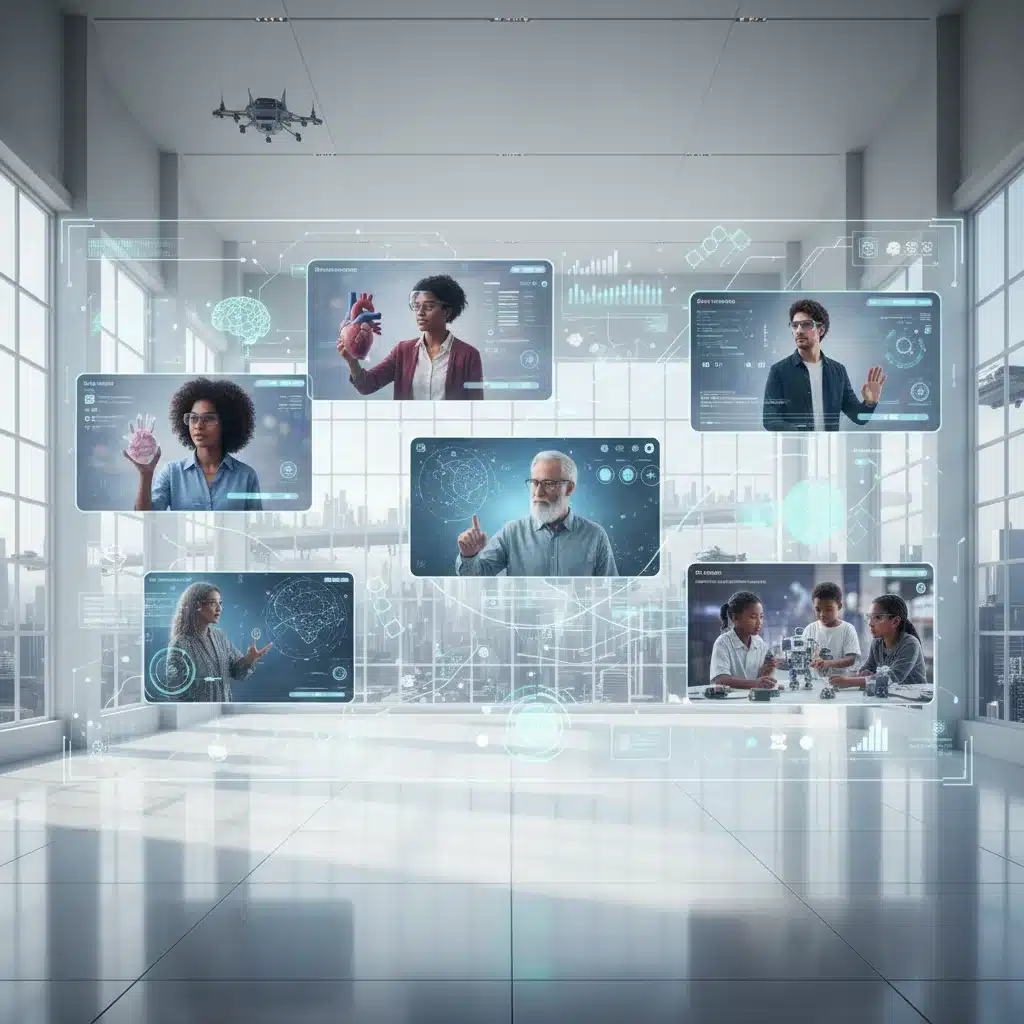
In an era defined by rapid technological advancements and an ever-evolving global landscape, the traditional one-size-fits-all approach to education is increasingly becoming obsolete. The future of learning is undeniably personalized, dynamic, and digitally driven. As we look towards 2026, the concept of personalized digital learning is no longer a futuristic dream but a tangible reality, with innovative platforms emerging to cater to individual learning styles, paces, and career aspirations. This paradigm shift promises to unlock unprecedented potential for skill development and lifelong education, making learning more engaging, efficient, and relevant than ever before.
The demand for flexible, accessible, and tailored educational experiences has surged, accelerated by global events and the continuous need for upskilling and reskilling in the workforce. This has paved the way for a new generation of digital learning platforms that leverage cutting-edge technologies like Artificial Intelligence (AI), machine learning, big data analytics, and virtual reality (VR) to create truly individualized learning journeys. These platforms are not just about delivering content; they are about understanding each learner’s unique needs, adapting to their progress, and providing targeted support to maximize their potential.
The essence of personalized digital learning lies in its ability to empower learners. It moves away from passive consumption of information towards active engagement, critical thinking, and practical application of knowledge. Whether you are a student striving for academic excellence, a professional seeking to master new skills, or an individual committed to lifelong personal growth, these platforms offer a bespoke educational experience that traditional methods often cannot match. They break down geographical barriers, provide access to world-class content, and foster a sense of community among learners from diverse backgrounds.
This comprehensive guide delves into the transformative power of personalized digital learning and spotlights six innovative platforms that are set to redefine the educational landscape by 2026. We will explore their unique features, the technologies they employ, and how they are contributing to a more adaptive, inclusive, and effective learning ecosystem. Prepare to discover the future of education, where learning is not just about what you know, but how well you can apply it, and how continuously you can grow.
The Evolution of Education: Why Personalized Digital Learning is Key
For centuries, education has largely followed a standardized model, where curricula were designed for the average student, and learning paces were dictated by institutional schedules. While effective to a degree, this model often overlooked individual differences in cognitive abilities, prior knowledge, interests, and learning styles. The digital revolution, particularly in the last two decades, has begun to dismantle these rigid structures, ushering in an era where education can be as unique as the learner themselves.
Addressing Diverse Learning Needs
One of the most significant advantages of personalized digital learning is its capacity to address the diverse needs of learners. Not everyone learns at the same pace or responds to the same teaching methods. Some thrive in visual environments, others prefer auditory explanations, and many learn best through hands-on practical application. Digital platforms, through sophisticated algorithms and user data analysis, can identify these preferences and adapt content delivery accordingly. This might involve offering multiple formats for the same lesson (video, text, interactive simulation), providing remedial materials for struggling learners, or accelerating progress for those who grasp concepts quickly.
The Role of Artificial Intelligence and Machine Learning
At the heart of advanced personalized digital learning lies Artificial Intelligence (AI) and Machine Learning (ML). These technologies enable platforms to:
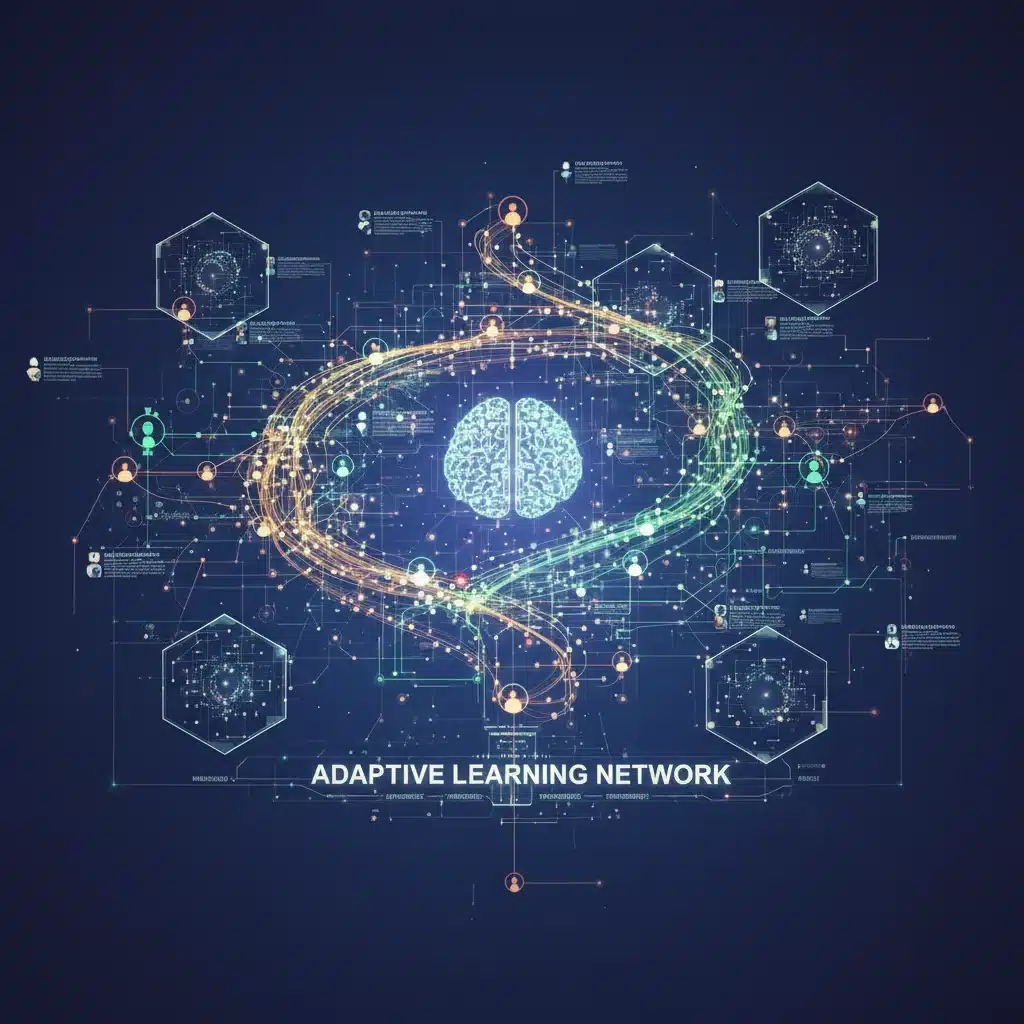
- Adaptive Learning Paths: AI algorithms can analyze a learner’s performance, identify strengths and weaknesses, and then dynamically adjust the learning path. If a student struggles with a particular concept, the system might provide additional exercises, different explanations, or connect them with a tutor. Conversely, if a student demonstrates mastery, they can be advanced to more challenging material.
- Intelligent Tutoring Systems: AI-powered tutors can offer real-time feedback, answer questions, and even engage in Socratic dialogues to deepen understanding. These systems can mimic human tutors, providing personalized guidance and support around the clock.
- Content Curation and Recommendation: Based on a learner’s interests, past performance, and career goals, AI can recommend relevant courses, articles, videos, and projects, ensuring that the learning content is always engaging and pertinent.
- Predictive Analytics: By analyzing vast amounts of data, AI can predict potential learning difficulties or dropout risks, allowing educators or the platform itself to intervene proactively with targeted support.
Fostering Lifelong Learning and Skill Development
The modern workforce requires continuous learning and adaptation. Jobs are evolving at an unprecedented rate, and skills that are valuable today might be obsolete tomorrow. Personalized digital learning platforms are perfectly positioned to support lifelong learning by offering flexible, modular courses that can be accessed anytime, anywhere. This empowers individuals to constantly update their skill sets, pivot careers, and remain competitive in a dynamic job market. From coding bootcamps to soft skill development, these platforms provide accessible pathways to acquiring new competencies.
6 Innovative Personalized Digital Learning Platforms to Watch in 2026
1. CogniPath AI: The Hyper-Personalized Learning Companion
CogniPath AI is rapidly gaining traction as a leader in hyper-personalized digital learning. By 2026, it is expected to be a dominant force, primarily due to its sophisticated AI engine that creates truly unique learning experiences. Unlike platforms that merely offer adaptive content, CogniPath AI builds a comprehensive cognitive profile of each learner. This profile includes not just academic performance, but also learning style (visual, auditory, kinesthetic), attention span, preferred content formats, and even emotional responses to different types of learning material.
Key Innovations:
- Neuro-Adaptive Algorithms: These algorithms monitor user engagement and cognitive load in real-time, adjusting the complexity, pace, and presentation of content to optimize retention and understanding. For instance, if a learner shows signs of cognitive overload, the platform might introduce a short, engaging video or a practical exercise to re-engage them.
- Dynamic Content Generation: CogniPath AI doesn’t just recommend existing content; it can dynamically generate new exercises, explanations, and examples tailored to address specific knowledge gaps identified in the learner’s profile.
- Emotional Intelligence Integration: Future iterations are expected to incorporate basic emotional recognition to adapt content delivery based on a learner’s frustration or engagement levels, further refining the personalized experience.
- Career Path Integration: Learners can input career aspirations, and CogniPath AI will not only suggest relevant skill development paths but also connect them with mentors and potential employers through integrated networking features.
Impact: CogniPath AI aims to make learning feel less like a chore and more like a fluid, intuitive extension of thought, maximizing efficiency and enjoyment for true mastery.
2. ImmersiLearn VR: Education Beyond the Screen
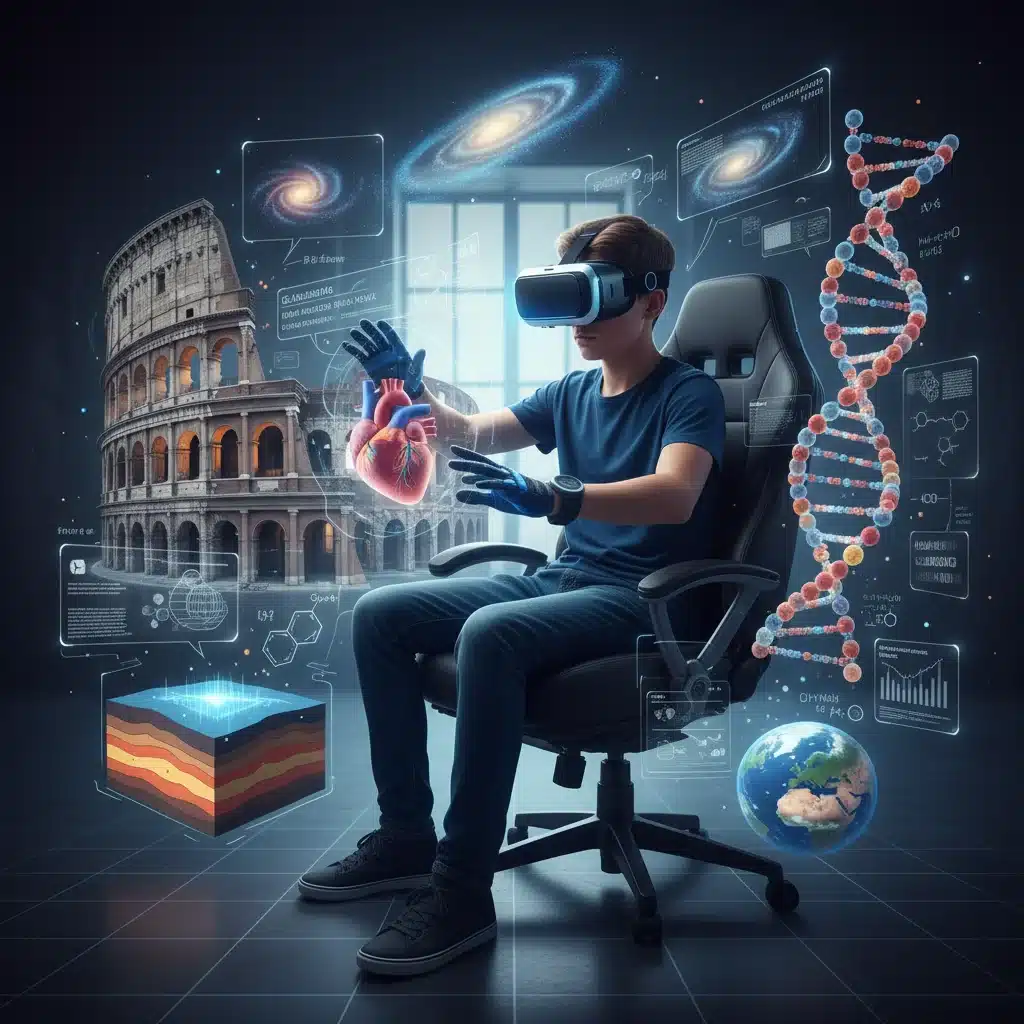
While many platforms offer 2D digital content, ImmersiLearn VR is pioneering the next frontier: truly immersive, experiential learning through virtual reality. By 2026, as VR hardware becomes more accessible and affordable, ImmersiLearn VR is poised to transform how we learn complex subjects, from surgical procedures to historical events.
Key Innovations:
- Interactive VR Simulations: Learners can step into virtual environments to conduct experiments, explore ancient civilizations, practice public speaking, or dissect virtual organs. This hands-on, risk-free experience significantly enhances understanding and retention.
- Collaborative Virtual Classrooms: ImmersiLearn VR allows students and instructors from around the globe to meet in virtual classrooms, interact with 3D models, and collaborate on projects in a shared immersive space.
- Gamified Learning Journeys: The platform integrates gamification elements, turning learning into an adventure with challenges, rewards, and leaderboards, all within a captivating 3D world.
- Haptic Feedback Integration: Future developments will include haptic feedback, allowing learners to ‘feel’ virtual objects, making simulations even more realistic and engaging.
Impact: ImmersiLearn VR is breaking down the barriers between theoretical knowledge and practical application, making learning more intuitive and memorable, especially for subjects that benefit from visual and experiential engagement.
3. SkillForge Hub: The Future of Micro-Credentialing and Skill Stacking
In a world where specific skills are valued more than generic degrees, SkillForge Hub is emerging as a critical platform for targeted skill development and micro-credentialing. By 2026, it will be the go-to platform for professionals looking to rapidly acquire niche skills and build verifiable portfolios.
Key Innovations:
- AI-Driven Skill Gap Analysis: SkillForge Hub uses AI to analyze a user’s current skills, career goals, and the demands of the job market to identify specific skill gaps and recommend highly relevant micro-courses.
- Blockchain-Verified Credentials: All completed courses and projects result in blockchain-verified digital credentials, ensuring authenticity and easy sharing with potential employers.
- Project-Based Learning Modules: The platform emphasizes practical application through real-world projects, often in collaboration with industry partners, allowing learners to build tangible portfolios.
- Dynamic Learning Paths for Career Pivots: For those looking to change careers, SkillForge Hub offers curated learning paths that combine multiple micro-credentials to prepare them for entirely new roles.
Impact: SkillForge Hub is empowering individuals to stay agile in their careers, providing a flexible and efficient way to acquire, validate, and showcase the specific skills required by the evolving economy.
4. LinguaFlow: Master Languages with AI-Powered Fluency
Language learning has always been a highly personalized endeavor, and LinguaFlow is taking this to the next level with its AI-powered approach to fluency. By 2026, it aims to be the most effective platform for mastering new languages, adapting to individual progress and conversational needs.
Key Innovations:
- AI-Powered Conversational Tutors: LinguaFlow features advanced AI chatbots that can engage in natural, context-aware conversations, providing immediate feedback on pronunciation, grammar, and vocabulary.
- Speech Recognition and Pronunciation Coaching: Utilizing state-of-the-art speech recognition, the platform provides precise feedback on accent and intonation, guiding learners to native-like pronunciation.
- Personalized Vocabulary and Grammar Drills: Based on a learner’s performance in conversations and exercises, LinguaFlow dynamically generates personalized drills to reinforce weak areas.
- Cultural Immersion Modules: Beyond language, the platform offers VR/AR-enhanced cultural immersion modules, allowing learners to explore virtual markets, historical sites, and social interactions in their target language.
Impact: LinguaFlow is making language acquisition more accessible, engaging, and effective by providing constant, personalized practice and feedback, overcoming the common hurdle of limited conversational opportunities.
5. DataMind Institute: Analytics and AI for Everyone
As data becomes the new oil, proficiency in data analytics and AI is no longer just for specialists. DataMind Institute is designed to democratize access to these critical skills through highly structured yet personalized learning paths. By 2026, it will be a leading destination for anyone, from beginners to advanced professionals, looking to harness the power of data.
Key Innovations:
- Project-Based Learning with Real Datasets: Learners work on actual industry datasets and case studies, building practical skills that are directly transferable to the workplace.
- Adaptive Curriculum for Diverse Backgrounds: The platform intelligently adjusts course material based on a learner’s mathematical and programming background, ensuring a smooth and effective learning curve.
- AI-Powered Code Review and Feedback: For coding assignments, an AI assistant provides instant feedback, identifies errors, and suggests optimizations, mimicking a senior developer’s review.
- Career Mentorship and Placement Services: DataMind Institute integrates personalized career guidance, connecting learners with industry mentors and assisting with job placement in data-related fields.
Impact: DataMind Institute is bridging the skill gap in data science and AI, making these complex fields accessible and actionable for a broader audience, fostering innovation across industries.
6. WellnessFlow Academy: Holistic Personal Development
Beyond academic and professional skills, personal well-being is increasingly recognized as a cornerstone of lifelong success. WellnessFlow Academy is a groundbreaking platform dedicated to personalized holistic development, encompassing mental health, physical fitness, emotional intelligence, and mindfulness. By 2026, it will be a crucial resource for individuals seeking balanced personal growth.
Key Innovations:
- AI-Driven Wellness Assessments: The platform conducts comprehensive assessments to understand a user’s current well-being, goals, and challenges, then creates a personalized curriculum of modules and practices.
- Adaptive Mindfulness and Meditation Guides: Based on user feedback and biometric data (if integrated), the platform adjusts meditation techniques, duration, and focus to optimize stress reduction and focus.
- Personalized Fitness and Nutrition Plans: Working with AI coaches, users receive customized workout routines and dietary recommendations that adapt to their progress and preferences.
- Community Support and Expert Coaching: WellnessFlow Academy fosters a supportive community and offers access to certified coaches for personalized guidance and accountability.
Impact: WellnessFlow Academy is revolutionizing personal development by offering a holistic, science-backed approach that is tailored to individual needs, promoting sustained well-being and resilience in an increasingly demanding world.
Challenges and Opportunities in Personalized Digital Learning
While the future of personalized digital learning is bright, it is not without its challenges. Data privacy, ethical AI use, digital divide, and the need for continuous educator training are critical areas that require careful attention. Safeguarding learner data, ensuring algorithmic fairness, and providing equitable access to technology are paramount to realizing the full potential of these platforms.
However, the opportunities far outweigh the obstacles. Personalized digital learning promises to:
- Democratize Education: Making high-quality, tailored education accessible to anyone, anywhere, regardless of their socio-economic background or geographical location.
- Enhance Engagement and Retention: By aligning content with individual interests and learning styles, learners are more likely to stay engaged and retain information effectively.
- Foster Critical Thinking and Creativity: Moving beyond rote memorization, these platforms encourage problem-solving, critical analysis, and creative application of knowledge.
- Prepare for the Future Workforce: Equipping individuals with the adaptive skills and knowledge necessary to thrive in an unpredictable and rapidly changing job market.
- Support Lifelong Growth: Creating a culture of continuous learning and personal development that extends far beyond formal schooling.
The Road Ahead for Personalized Digital Learning
As we move towards 2026 and beyond, the evolution of personalized digital learning will be characterized by even greater integration of emerging technologies. Expect to see more sophisticated AI models that can understand nuanced human emotions, advanced haptic feedback systems in VR/AR, and seamless integration with wearable technology for real-time biometric data analysis (with strict privacy controls, of course). The boundaries between formal education, professional development, and personal enrichment will continue to blur, creating a unified, lifelong learning ecosystem.
The platforms highlighted above represent just a snapshot of the innovation occurring in this space. They collectively demonstrate a commitment to making education more relevant, engaging, and effective for every individual. By focusing on personalized pathways, adaptive content, and immersive experiences, these platforms are not just teaching; they are empowering learners to navigate complex challenges, seize new opportunities, and realize their fullest potential in an ever-changing world.
The future of education is not just digital; it is profoundly personal. And with these innovative platforms leading the way, 2026 is set to be a landmark year for skill development and lifelong education, truly revolutionizing how humanity learns and grows.