Social Media’s Shifting Power: Impact on Public Opinion 2026
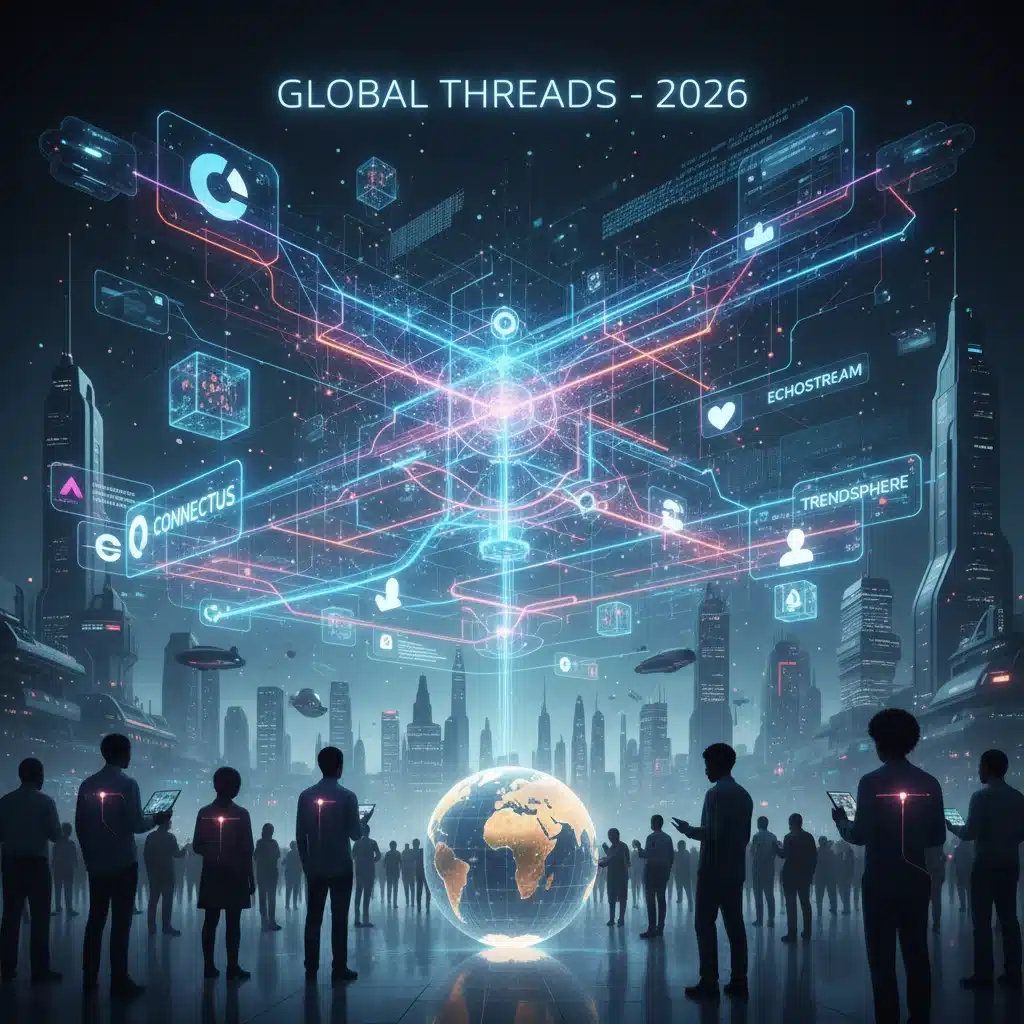
In the rapidly evolving digital landscape, social media continues to redefine the very fabric of public opinion. As we project ourselves into 2026, understanding the nuanced ways in which these platforms exert their influence becomes not just an academic exercise, but a critical necessity for individuals, governments, and organizations alike. The pervasive reach of platforms like X (formerly Twitter), TikTok, and a hypothetical emerging decentralized platform means that their algorithms, content policies, and user demographics play an instrumental role in shaping collective thought, political discourse, and even societal norms. This comprehensive analysis delves into the anticipated impact of these three distinct social media entities on public opinion by 2026, offering a comparative perspective on their mechanisms of influence, their challenges, and their potential to either foster informed debate or deepen societal divides. The central theme revolves around the profound and multifaceted ways that Social Media Influence Public Opinion, a phenomenon that is only set to intensify.
The Unstoppable March of Digital Influence: A 2026 Perspective
The dawn of 2026 finds humanity more connected than ever before, with social media serving as the primary conduit for information exchange, social interaction, and, crucially, opinion formation. Gone are the days when traditional media held undisputed sway over public discourse. Today, a viral tweet, a trending TikTok sound, or a discussion on a niche decentralized forum can ignite movements, shift political narratives, and profoundly alter perceptions on a global scale. This immense power comes with equally immense responsibility, and the platforms themselves are perpetually caught in a tug-of-war between fostering free speech and curbing misinformation.
The concept of Social Media Influence Public Opinion is not new, but its complexity is escalating. By 2026, we anticipate several key developments:
- Hyper-Personalization of Feeds: Advanced AI will ensure that user feeds are even more tailored, potentially leading to deeper echo chambers but also to highly specific and targeted information dissemination.
- Rise of AI-Generated Content: The proliferation of sophisticated AI-generated text, images, and videos will blur the lines between reality and fabrication, posing significant challenges for content moderation and truth discernment.
- Increased Regulatory Scrutiny: Governments worldwide will likely intensify their efforts to regulate social media, driven by concerns over election interference, hate speech, and mental health impacts.
- Decentralized Alternatives: A growing disillusionment with centralized platforms may fuel the adoption of decentralized social networks, offering new models for content governance and user interaction.
These trends underscore the dynamic nature of social media’s role in shaping public opinion. Our comparative analysis will explore how different platforms are poised to navigate these challenges and leverage these opportunities to exert their unique forms of influence.
Platform 1: X (formerly Twitter) – The Real-Time Global Town Square
X, despite its transformations, is expected to retain its status as a critical platform for real-time news, political discourse, and rapid-fire public reaction by 2026. Its inherent structure, built around short-form text, trending topics, and direct engagement with public figures, makes it an unparalleled arena for immediate opinion formation and dissemination. The platform’s influence on public opinion is largely driven by:
- Breaking News Dissemination: X’s speed allows it to break news faster than traditional outlets, often shaping the initial narrative around significant events. This first impression can be crucial in setting the tone for subsequent public discourse.
- Elite Opinion Shaping: Journalists, politicians, academics, and thought leaders frequently use X to share their views, engage in debates, and influence their followers. Their opinions, amplified by retweets and algorithmic promotion, can quickly permeate wider public consciousness.
- Hashtag Activism and Social Movements: X remains a potent tool for organizing and amplifying social and political movements. Hashtags can quickly coalesce public sentiment around specific issues, mobilizing individuals and putting pressure on decision-makers.
- Direct Public Engagement: Public figures and brands use X for direct communication, allowing for a more immediate and seemingly authentic connection with their audience, which can foster loyalty or, conversely, rapid backlash.
Challenges and Shifts for X by 2026:
By 2026, X will likely face intensified scrutiny regarding content moderation, especially in the context of AI-generated misinformation and deepfakes. Its commitment to ‘free speech absolutism’ will be continually tested against the need to combat harmful content, affecting user trust and potentially altering its demographic appeal. The platform’s ability to maintain its relevance will depend on its capacity to innovate while navigating these complex ethical and regulatory landscapes. The ongoing debate around ownership and content policies will continue to define how Social Media Influence Public Opinion through X.
Platform 2: TikTok – The Cultural Zeitgeist and Algorithmic Kingmaker
TikTok’s meteoric rise has cemented its position as a cultural powerhouse, particularly among younger demographics. By 2026, its influence on public opinion will be even more deeply ingrained, extending beyond entertainment to significantly impact trends, consumer behavior, and even political engagement. TikTok’s unique algorithm and content format contribute to its distinctive influence:
- Trendsetting and Cultural Diffusion: TikTok is a primary driver of cultural trends, from music and fashion to slang and lifestyle choices. These trends, while seemingly superficial, can subtly shape broader societal values and aspirations.
- Micro-Influencer Power: Unlike X’s reliance on established elites, TikTok empowers everyday users to become ‘micro-influencers.’ Their authentic, relatable content can foster strong communities and build trust, making their opinions highly persuasive within their niches.
- Emotional and Experiential Storytelling: The short-form video format lends itself to emotional storytelling and experiential content, which can resonate deeply with viewers and shape their perceptions on complex issues through personal narratives rather than purely factual ones.
- Algorithmic Virality: TikTok’s ‘For You Page’ algorithm is exceptionally adept at identifying and promoting engaging content, often exposing users to diverse perspectives or, conversely, rapidly amplifying specific viewpoints to a massive audience, regardless of the user’s explicit follows. This algorithmic power is central to how Social Media Influence Public Opinion on the platform.
Challenges and Shifts for TikTok by 2026:
The primary challenge for TikTok will likely revolve around data privacy, national security concerns, and geopolitical tensions, particularly given its ownership structure. These issues could lead to increased regulatory pressure, potential bans in certain regions, or forced divestitures, all of which would significantly alter its global reach and influence. Furthermore, managing the spread of misinformation disguised as entertainment will be a continuous battle, requiring sophisticated AI-driven moderation and user education.
Platform 3: The Rise of Decentralized Social Networks (DSNs) – Trust, Transparency, and Community
While X and TikTok represent the established giants, 2026 is expected to see a significant uptick in the influence of decentralized social networks (DSNs). These platforms, built on blockchain technology or similar distributed ledger systems, aim to offer alternatives to the centralized control, data harvesting, and opaque algorithms of their predecessors. Their impact on public opinion stems from:
- Enhanced Data Privacy and User Control: DSNs typically give users greater control over their data, reducing concerns about surveillance and targeted manipulation. This fosters a sense of trust that can lead to more candid discussions and genuine opinion sharing.
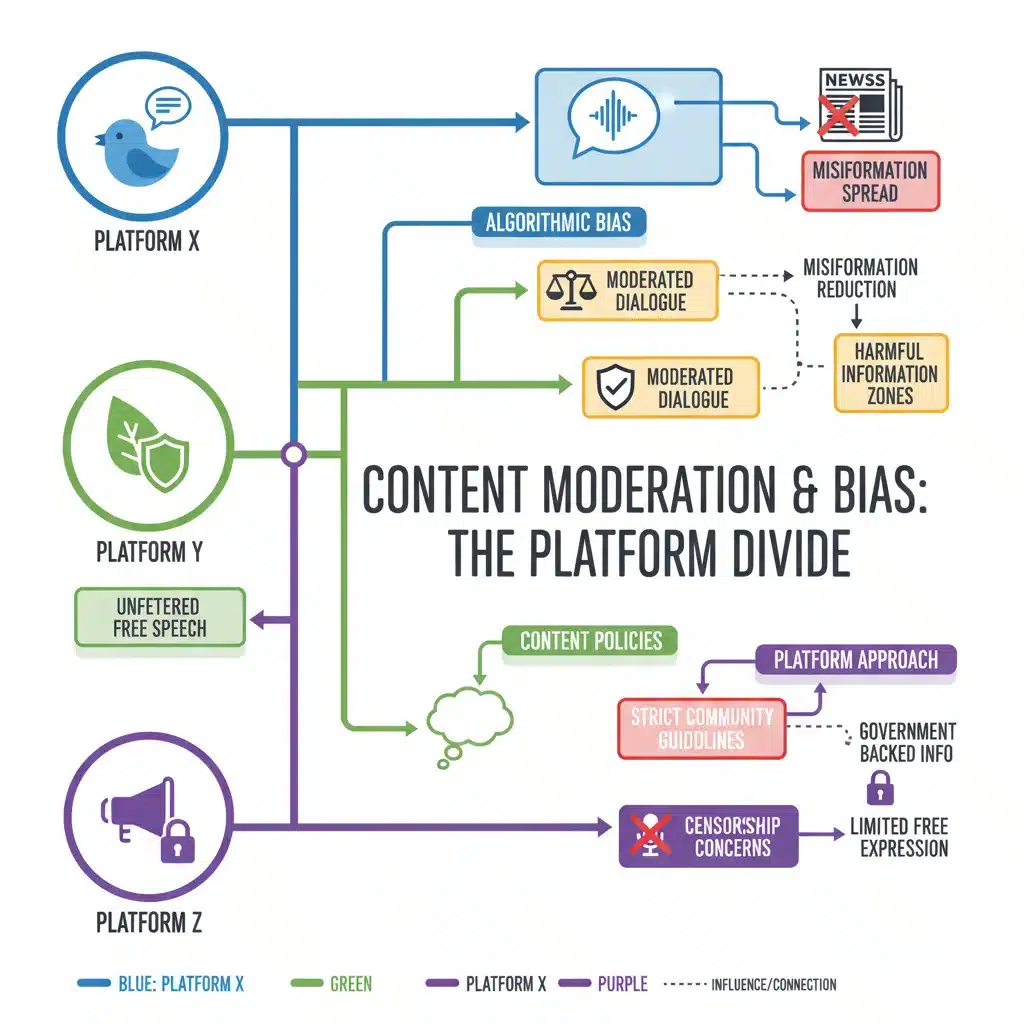
- Resilience to Censorship: Due to their distributed nature, DSNs are inherently more resistant to single points of failure or government censorship, offering a haven for discussions that might be suppressed on centralized platforms. This can be a double-edged sword, providing a platform for marginalized voices but also for harmful content.
- Community-Driven Governance: Many DSNs feature community-led moderation and governance models, where users have a direct say in platform policies. This can lead to more transparent and equitable content standards, potentially fostering more constructive public discourse.
- Niche and Specialized Communities: DSNs often cater to highly specialized interests, allowing for the formation of deeply engaged communities around specific topics. While this can lead to fragmentation, it also enables nuanced discussions and the formation of highly informed opinions within those niches.
Challenges and Shifts for DSNs by 2026:
The main hurdles for DSNs by 2026 will be scalability, user adoption, and ease of use. Their technical complexity can deter mainstream users, and achieving critical mass is essential for broad public opinion influence. Furthermore, the lack of centralized moderation can make them vulnerable to abuse, requiring innovative solutions to combat hate speech and misinformation without compromising their decentralized ethos. The success of DSNs in influencing public opinion will largely depend on their ability to overcome these technological and governance challenges and demonstrate a viable alternative model for how Social Media Influence Public Opinion.
Comparative Analysis: Mechanisms of Influence
While all three platform types influence public opinion, their mechanisms differ significantly:
- X (Centralized, Real-time Text): Influences through immediate news cycles, elite discourse, and hashtag-driven activism. Its power lies in rapid information dissemination and the amplification of established voices.
- TikTok (Centralized, Algorithmic Video): Shapes opinion through cultural trends, emotional storytelling, and the virality of micro-influencers. Its strength is in deeply engaging content that bypasses traditional gatekeepers and rapidly diffuses ideas through algorithmic discovery.
- Decentralized Social Networks (Distributed, Community-Led): Impacts public opinion through trusted, private communities, censorship resistance, and transparent governance. Its influence is built on trust, niche expertise, and the empowerment of individual users to shape their digital environment.
By 2026, the interplay between these different modes of influence will create a complex tapestry of public opinion. X might continue to dominate political breaking news, TikTok will likely remain the arbiter of cultural zeitgeist, and DSNs could become the preferred space for sensitive or highly specialized discussions, each contributing uniquely to how Social Media Influence Public Opinion.
The Shadow Side: Misinformation, Echo Chambers, and Polarization
Regardless of the platform’s structure, the darker aspects of social media’s influence—misinformation, echo chambers, and political polarization—are not expected to recede by 2026; rather, they are likely to evolve. The proliferation of AI-generated content will make it increasingly difficult to distinguish fact from fiction, placing an unprecedented burden on users to critically evaluate information.
- Misinformation 2.0: Deepfakes and sophisticated AI-generated narratives will become more convincing, challenging content moderation efforts across all platforms. X’s ‘free speech’ stance could make it a hotbed for such content, while TikTok’s rapid virality could spread it quickly. DSNs, with their decentralized moderation, might struggle with the sheer volume and complexity of AI-driven falsehoods.
- Echo Chambers and Filter Bubbles: All platforms, through their algorithms or user self-selection, contribute to echo chambers. X’s ‘For You’ or ‘Trending’ sections, TikTok’s ‘For You Page,’ and even niche DSN communities can inadvertently reinforce existing beliefs, limiting exposure to diverse perspectives and hindering informed public debate.
- Increased Polarization: The combination of personalized feeds, emotional content, and the rapid spread of often unverified information can exacerbate societal divisions. By 2026, social media’s role in political polarization will likely be a central concern for democratic institutions worldwide, as different platforms cater to and amplify distinct ideological viewpoints, further fragmenting public opinion.
Understanding these challenges is paramount to mitigating the negative impacts of how Social Media Influence Public Opinion and fostering a more informed and cohesive society.

Ethical Considerations and Future Outlook for 2026
As we look towards 2026, the ethical implications of social media’s power to shape public opinion will be at the forefront of global discussions. Questions surrounding data ethics, algorithmic transparency, content responsibility, and the mental health impacts of constant digital engagement will demand increasingly sophisticated answers. The decisions made by platform developers, policymakers, and users themselves will determine whether these powerful tools contribute to a more enlightened populace or a more fractured one.
For X, the challenge will be to balance its commitment to free expression with the imperative to curb harmful content, potentially leading to hybrid moderation models combining AI with human oversight and community input. For TikTok, navigating geopolitical pressures while maintaining its innovative edge and managing widespread misinformation will be critical. And for DSNs, the path to widespread adoption hinges on their ability to offer robust, user-friendly alternatives that genuinely empower individuals without succumbing to the chaos that can accompany unchecked freedom.
Ultimately, the future of how Social Media Influence Public Opinion by 2026 is not predetermined. It will be a dynamic interplay of technological advancements, regulatory frameworks, user behaviors, and the ongoing quest for platforms that serve the public good. The responsibility lies with all stakeholders to ensure that these powerful digital forces are harnessed to foster understanding, promote critical thinking, and build a more informed and engaged global citizenry.
Conclusion: Navigating the Evolving Digital Landscape
The landscape of social media in 2026 will be characterized by both continuity and profound change. While established giants like X and TikTok will continue their dominance, their methods of influence will evolve under increasing scrutiny and technological advancement. Concurrently, the rise of decentralized alternatives will introduce new paradigms for online interaction and opinion formation. Each platform, with its unique architecture and user base, will contribute distinctly to the complex tapestry of public opinion.
Understanding the specific mechanisms by which X facilitates real-time discourse, TikTok shapes cultural trends through algorithmic virality, and decentralized platforms foster community-driven trust is paramount. The overarching narrative remains that Social Media Influence Public Opinion in ways that are both potent and multifaceted. As users, we must cultivate critical media literacy skills, recognize algorithmic biases, and actively seek out diverse perspectives to navigate the increasingly intricate digital information environment. For platform developers and policymakers, the imperative is to design and regulate these spaces in a manner that prioritizes truth, fosters constructive dialogue, and protects individuals from manipulation and harm. The journey towards 2026 promises to be a fascinating and critical period in the ongoing evolution of digital democracy and societal discourse.