Understanding Quiet Quitting: Reshaping US Workplaces Annually by 15%

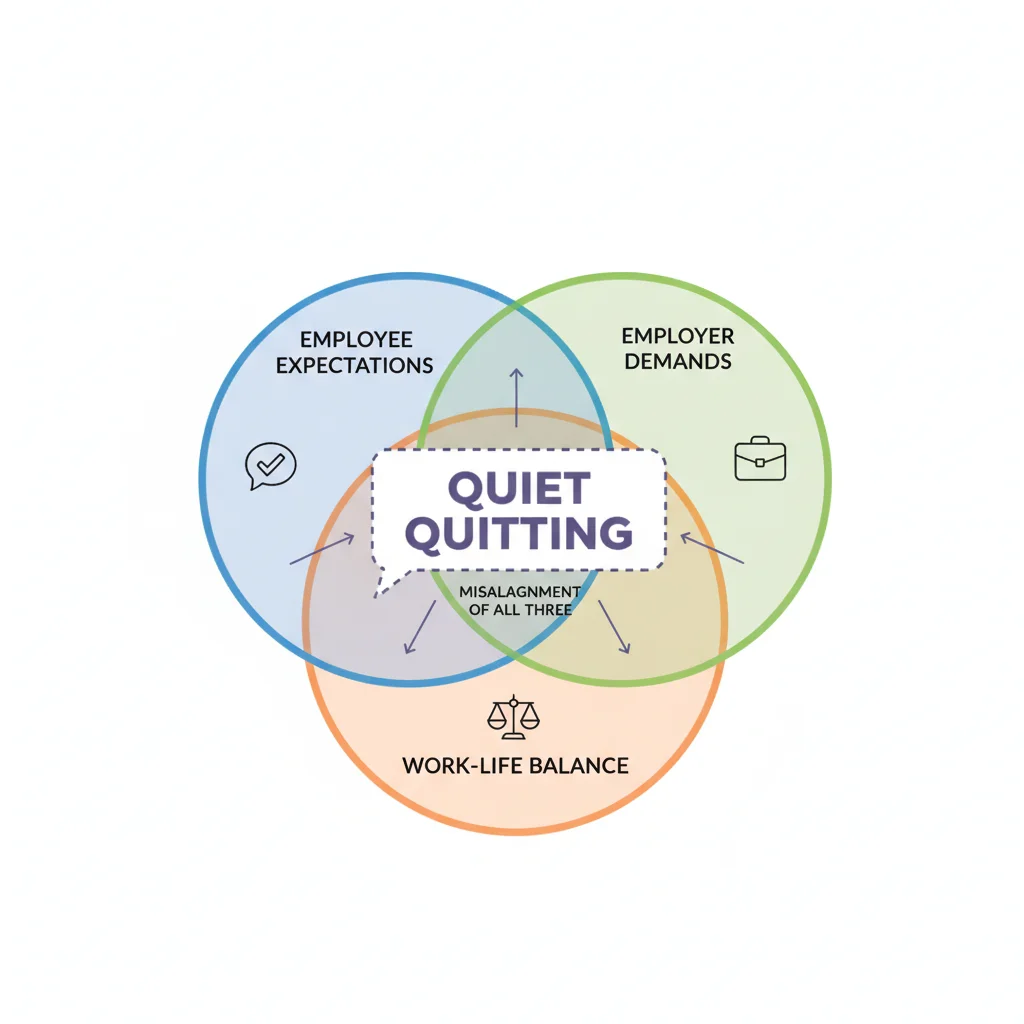
In the dynamic landscape of the modern workforce, a subtle yet profound shift has been gaining momentum, reshaping traditional employment paradigms and challenging long-held professional expectations. This phenomenon, widely known as "quiet quitting," is not about employees physically leaving their jobs but rather psychologically disengaging from the culture of "always on" and "going above and beyond." It signifies a conscious decision by employees to fulfill only the basic requirements of their job descriptions, without taking on extra tasks, working extended hours, or investing emotional energy beyond what is strictly necessary. The impact of quiet quitting is far-reaching, with recent data suggesting it is reshaping US workplaces by an astonishing 15% annually, a figure that demands serious attention from both employees and employers.
The term "quiet quitting" first gained widespread traction on social media platforms, particularly TikTok, where young professionals shared their experiences and perspectives on setting boundaries between their personal lives and work. It quickly resonated with millions, revealing a collective sentiment of disillusionment with burnout culture and a desire for a healthier work-life balance. This trend is not merely a fleeting fad; it represents a significant re-evaluation of the social contract between employees and organizations, driven by factors ranging from economic uncertainties and stagnant wages to a heightened awareness of mental health and well-being.
This comprehensive article will delve deep into the multifaceted aspects of quiet quitting. We will explore its origins, dissect the various factors contributing to its rise, and analyze its profound implications for productivity, employee engagement, organizational culture, and the broader US labor market. Furthermore, we will provide actionable strategies for both employees seeking to reclaim their personal lives and employers striving to foster a more sustainable and engaging work environment. Understanding the causes of quiet quitting and its potential solutions is crucial for navigating the evolving world of work effectively.
The Genesis of Quiet Quitting: A Response to Modern Work Demands
To fully grasp the phenomenon of quiet quitting, it’s essential to understand its roots. It didn’t emerge in a vacuum but is rather a culmination of several socio-economic and cultural shifts that have been brewing for decades. The relentless pursuit of productivity, often at the expense of employee well-being, has created a fertile ground for this silent rebellion. The rise of globalization and technological advancements blurred the lines between work and personal life, making it increasingly difficult for individuals to disconnect. The expectation of being available 24/7, coupled with the pressure to constantly overperform, led to widespread burnout, particularly among younger generations.
The "Hustle Culture" Backlash
For many years, "hustle culture" was glorified, particularly in the tech industry and entrepreneurial circles. The narrative promoted working tirelessly, sacrificing personal time, and constantly striving for more as the path to success. While this mindset can drive innovation and growth, it often comes with significant personal costs, including chronic stress, mental health issues, and strained relationships. Quiet quitting can be seen as a direct backlash against this unsustainable model. Employees are realizing that the promise of endless rewards for endless effort is often unfulfilled, leading them to question the value of overextending themselves.
Post-Pandemic Re-evaluation of Priorities
The COVID-19 pandemic served as a pivotal turning point for many. The sudden shift to remote work, the increased focus on health and family, and the contemplation of mortality prompted a profound re-evaluation of priorities. For countless individuals, the pandemic highlighted the fragility of life and the importance of personal well-being over professional accolades. This period of introspection led many to seek greater meaning and balance in their lives, with work becoming just one component, rather than the central focus. This re-evaluation significantly contributed to the surge in quiet quitting, as employees sought to regain control over their time and energy.
Lack of Recognition and Stagnant Wages
Another critical factor fueling the quiet quitting causes is a pervasive feeling of being undervalued and underpaid. Despite increased workloads and expectations, many employees have not seen commensurate increases in their compensation or recognition for their efforts. When employees feel their contributions are not adequately acknowledged or rewarded, their motivation to go above and beyond naturally diminishes. Why invest extra effort when it doesn’t translate into tangible benefits, promotions, or even a simple thank you? This perception of an unfair exchange further solidifies the quiet quitting mindset.
Defining Quiet Quitting: More Than Just "Slacking Off"
It’s crucial to differentiate quiet quitting from mere disengagement or "slacking off." While both might manifest as reduced effort, the underlying motivations and implications are distinct. Quiet quitting is not about deliberately sabotaging work or shirking responsibilities. Instead, it’s about adhering strictly to job requirements and refusing to exceed them. It’s a boundary-setting mechanism, a way for employees to protect their mental and physical health by opting out of the unspoken expectations of constant availability and limitless dedication.
The Spectrum of Engagement
Employee engagement exists on a spectrum. At one end, you have highly engaged employees who are passionate, proactive, and committed to their work and organization. At the other end are actively disengaged employees who are unhappy, unproductive, and may even undermine their colleagues. Quiet quitters typically fall somewhere in the middle. They are not actively disengaged in the sense of causing harm, but they are also not fully engaged. They perform their duties adequately, meet deadlines, and fulfill their responsibilities, but they draw a firm line at doing anything beyond that. This nuanced distinction is vital for employers to understand when addressing the quiet quitting impact.
Setting Boundaries, Not shirking Duties
A quiet quitter might refuse to answer emails after hours, decline requests for weekend work, or opt out of non-essential meetings. They might also choose not to volunteer for new projects that fall outside their core responsibilities. These actions are not a sign of laziness but rather a strategic decision to allocate their energy more efficiently and protect their personal time. It’s a response to a perceived imbalance, where the demands of work have encroached too deeply into personal life, and employees are pushing back to restore equilibrium.
The Alarming 15% Annual Reshaping of US Workplaces
The statistic that quiet quitting is reshaping US workplaces by 15% annually is not just a number; it represents a significant shift in the operational dynamics and cultural fabric of organizations across the country. This figure, derived from various surveys and analyses of workforce trends, highlights the increasing prevalence of this behavior and its tangible effects on businesses.
Impact on Productivity and Innovation
While quiet quitters fulfill their basic duties, the absence of discretionary effort can lead to a decline in overall productivity and innovation. "Going the extra mile" often involves creative problem-solving, proactive initiative, and a willingness to collaborate beyond immediate tasks. When a significant portion of the workforce adopts a quiet quitting mindset, these crucial elements diminish. Projects might progress slower, new ideas might not emerge as frequently, and the collective drive for excellence can suffer. This directly affects an organization’s competitiveness and ability to adapt to market changes, making the quiet quitting consequences a serious concern.
Erosion of Organizational Culture
The subtle nature of quiet quitting makes its impact on organizational culture particularly insidious. A culture of high engagement and collaboration thrives on shared purpose, mutual support, and a collective desire to achieve common goals. When employees quietly disengage, it can create a ripple effect, fostering cynicism, reducing team cohesion, and eroding trust. Other employees might observe the behavior and adopt similar attitudes, leading to a downward spiral in morale and a less vibrant, less dynamic work environment. This erosion can be challenging to detect and even harder to reverse, underscoring the importance of understanding the quiet quitting effects.
Talent Retention and Recruitment Challenges
For employers, the rise of quiet quitting presents significant challenges in talent retention and recruitment. A workplace where a substantial number of employees are quietly disengaged is unlikely to be attractive to top talent seeking dynamic and rewarding opportunities. Furthermore, existing quiet quitters might be more susceptible to leaving if a more appealing opportunity arises, even if it’s only marginally better. This creates a continuous cycle of churn, increasing recruitment costs and hindering the development of institutional knowledge. The quiet quitting solutions must address these issues proactively.
Why Employees Are Quiet Quitting: Deeper Dive into Motivations
Understanding the "why" behind quiet quitting is paramount for both employees and employers. It’s rarely a malicious act but rather a self-preservation strategy born out of specific workplace conditions and individual experiences.
Burnout and Mental Health Concerns
Perhaps the most significant driver of quiet quitting is burnout. The relentless pace of modern work, coupled with inadequate support systems and unrealistic expectations, leaves many employees feeling emotionally, physically, and mentally exhausted. Quiet quitting becomes a coping mechanism, a way to create space for recovery and protect their mental health. It’s a desperate attempt to prevent reaching a breaking point, highlighting the critical need for organizations to prioritize employee well-being.
Lack of Career Growth and Development
When employees perceive a lack of opportunities for career advancement or professional development, their motivation to invest extra effort wanes. If their hard work doesn’t lead to promotions, new skills, or increased responsibilities, they may conclude that going above and beyond is futile. This stagnation can be a powerful catalyst for quiet quitting, as individuals seek to conserve their energy for opportunities outside their current role or simply to maintain a more balanced life.
Poor Leadership and Management
Ineffective leadership is a major contributor to quiet quitting. Managers who fail to provide clear direction, offer constructive feedback, recognize achievements, or support their teams can inadvertently foster disengagement. A lack of trust in leadership, inconsistent decision-making, or a perceived unfairness in management practices can lead employees to withdraw their discretionary effort. Employees are more likely to be engaged when they feel valued, respected, and supported by their direct supervisors.
Compensation and Benefits Dissatisfaction
As mentioned earlier, feeling underpaid or undervalued for the effort invested is a significant motivator for quiet quitting. In an era of rising living costs and economic uncertainty, employees are increasingly scrutinizing their compensation packages. If their pay and benefits do not align with their contributions or market rates, they may feel exploited. Quiet quitting, in this context, becomes a way to adjust their effort to match what they perceive as fair compensation, thereby reducing the quiet quitting economic impact on their personal lives.
Strategies for Employees: Navigating Quiet Quitting Effectively
For employees considering or already practicing quiet quitting, it’s essential to approach it strategically to ensure it serves its intended purpose of promoting well-being without jeopardizing career progression. The goal is to set healthy boundaries, not to become apathetic or unproductive.
Clearly Define Your Role and Boundaries
The first step is to have a clear understanding of your job description and responsibilities. What are the core tasks you are expected to perform? What are the hours you are contracted to work? Once you have this clarity, you can establish firm boundaries. This might involve setting specific times for checking emails, declining meetings that don’t directly pertain to your core duties, and consciously avoiding taking on tasks that fall outside your scope unless explicitly agreed upon and compensated.
Communicate Effectively and Professionally
While "quiet" is in the name, effective communication is still vital. Instead of simply refusing tasks, articulate your boundaries professionally. For example, if asked to take on an extra project when your plate is full, you might say, "I’d love to help, but taking on this additional task would mean I wouldn’t be able to dedicate enough attention to my current priorities. Which task should I prioritize?" This approach demonstrates your commitment to your current responsibilities while clearly communicating your capacity.
Prioritize Well-being and Personal Life
Quiet quitting is fundamentally about reclaiming your personal life. Actively schedule time for hobbies, family, exercise, and rest. Treat these commitments with the same importance as work appointments. By prioritizing your well-being, you not only prevent burnout but also return to work more refreshed and focused during your designated work hours. This sustainable approach to work-life balance is at the heart of the quiet quitting movement.
Strategies for Employers: Countering Quiet Quitting and Fostering Engagement
For organizations facing the reality of quiet quitting, a reactive approach is insufficient. Proactive strategies focused on understanding and addressing employee concerns are crucial to re-engage the workforce and mitigate the negative quiet quitting consequences.
Foster a Culture of Open Communication and Feedback
Create an environment where employees feel safe and encouraged to voice their concerns, provide feedback, and discuss their workload without fear of retribution. Regular one-on-one meetings, anonymous surveys, and open-door policies can help managers identify potential issues before they escalate into quiet quitting. Listening actively and responding constructively to feedback is key to building trust and demonstrating that employee well-being is valued.
Invest in Employee Development and Recognition
Employees are more likely to be engaged when they see a clear path for growth and feel their contributions are appreciated. Implement robust training and development programs, offer mentorship opportunities, and provide clear criteria for promotions. Crucially, establish effective recognition programs that acknowledge and reward employees for their efforts, both big and small. This can include monetary bonuses, public recognition, or even simple, heartfelt thank-yous. Addressing the quiet quitting solutions for employers requires a holistic approach.

Promote Work-Life Balance and Well-being
Organizations must actively champion work-life balance rather than just paying lip service to it. This can involve implementing flexible work arrangements, such as hybrid models or compressed workweeks, where feasible. Encourage employees to take their vacation time and disconnect after hours. Provide resources for mental health support, stress management, and physical well-being. A genuine commitment to employee well-being can significantly reduce the likelihood of quiet quitting and improve overall job satisfaction.
Ensure Fair Compensation and Benefits
Regularly review compensation packages and benefits to ensure they are competitive and reflect the value employees bring to the organization. Transparency around salary bands and promotion criteria can also help build trust and reduce feelings of unfairness. When employees feel fairly compensated, they are more likely to be motivated to contribute beyond the bare minimum, thus reducing the quiet quitting economic impact on their morale.
The Future of Work: Adapting to a New Reality
The rise of quiet quitting signals a fundamental shift in the employer-employee relationship. It’s a clear indication that the traditional model of demanding unwavering dedication without reciprocal investment in employee well-being is no longer sustainable. As quiet quitting continues to reshape US workplaces by 15% annually, organizations that fail to adapt risk losing their most valuable asset: their human capital.
Redefining Success and Productivity
The future of work will require a redefinition of success and productivity. Instead of solely focusing on hours worked or superficial metrics, organizations will need to emphasize outcomes, quality of work, and sustainable performance. This means fostering an environment where employees can be productive and innovative within reasonable boundaries, rather than expecting constant overextension. The future of work and quiet quitting are inextricably linked.
The Importance of Employee-Centric Policies
Moving forward, organizations that prioritize employee-centric policies will be the ones that thrive. This includes not only competitive compensation and benefits but also a genuine commitment to flexibility, mental health support, professional development, and a culture of respect and trust. Employers must recognize that employees are not just cogs in a machine but individuals with lives, aspirations, and needs beyond their job descriptions.
Building Resilience in the Workforce
Addressing quiet quitting is also about building a more resilient workforce. By empowering employees to set boundaries, fostering a supportive environment, and investing in their well-being, organizations can create a workforce that is better equipped to handle challenges, adapt to change, and maintain high levels of engagement over the long term. This resilience is crucial in an increasingly unpredictable global economy.
Conclusion: Embracing a Balanced Approach to Work
Quiet quitting is more than just a trend; it’s a powerful indicator of a systemic issue within modern work culture. The fact that it’s reshaping US workplaces by 15% annually underscores its significance and the urgent need for a paradigm shift. For employees, it represents a necessary step towards reclaiming personal well-being and establishing healthier boundaries. For employers, it serves as a critical wake-up call to re-evaluate their strategies for engagement, retention, and fostering a truly supportive work environment.
By understanding the motivations behind quiet quitting, fostering open communication, investing in employee development, and genuinely prioritizing work-life balance, both individuals and organizations can navigate this evolving landscape successfully. The ultimate goal is not to eradicate quiet quitting entirely, but to create a work culture where the need for it diminishes, replaced by a mutual understanding and respect that benefits everyone. Embracing a balanced approach to work is not just beneficial; it’s becoming an imperative for sustainable success in the 21st century workplace.
The conversation around quiet quitting is an opportunity to build stronger, more equitable, and more humane workplaces. It challenges us to move beyond outdated notions of productivity and embrace a future where professional success and personal well-being are not mutually exclusive but rather intrinsically linked. The quiet quitting impact on the future of work is a call to action for a more conscious and compassionate approach to employment.