The Unseen Threads: Remote Work’s Impact on Social Capital in 2026
The global shift towards remote work, accelerated by unforeseen circumstances, has irrevocably altered the fabric of our professional and personal lives. As we look ahead to 2026, one of the most profound and often underestimated consequences of this transformation is its impact on social capital. Social capital, broadly defined as the networks of relationships among people who live and work in a particular society, enabling that society to function effectively, is the invisible glue that binds communities. But how does this glue hold when interactions increasingly occur through screens, and geographical boundaries become less relevant to professional ties?
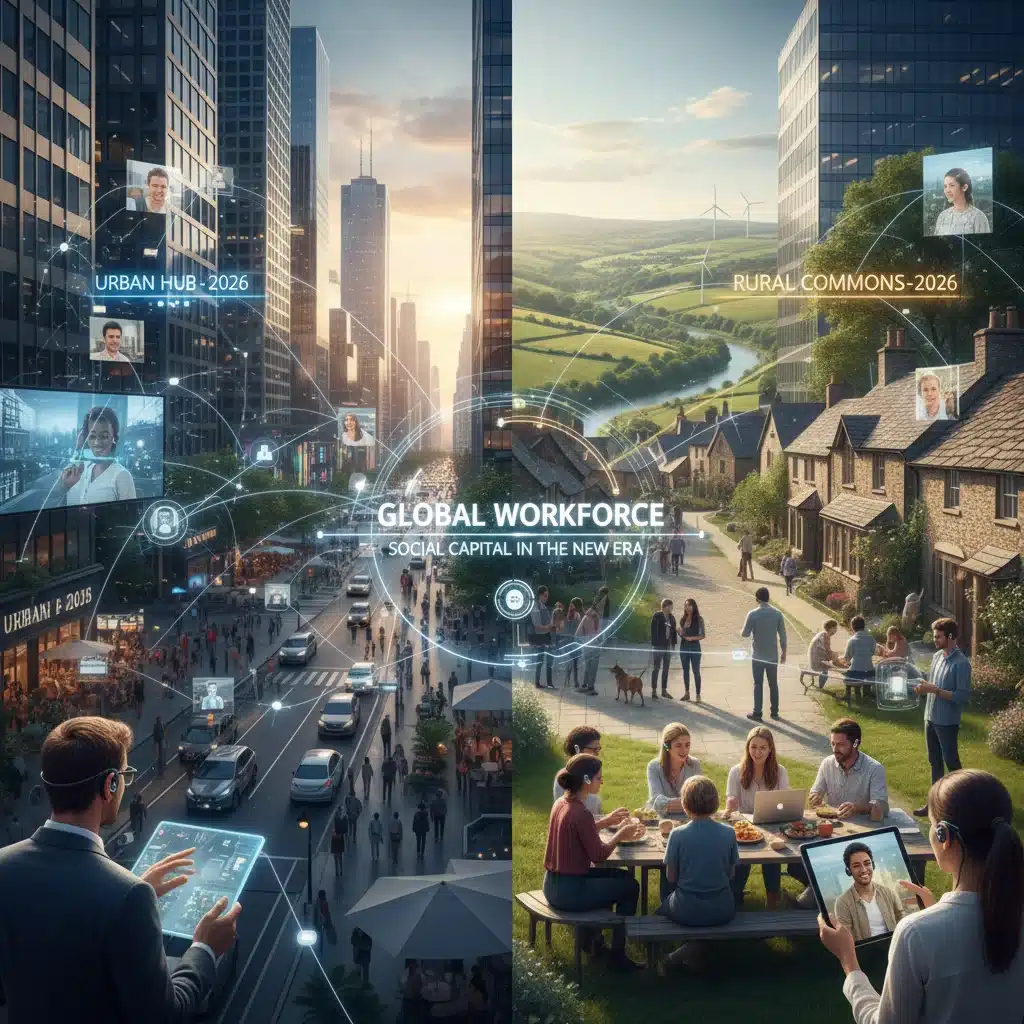
This comprehensive analysis delves into the evolving landscape of remote work social capital, specifically comparing its manifestations and challenges in urban versus rural communities by 2026. We will explore how the decentralization of work has fostered new forms of connection, eroded traditional ones, and presented unique opportunities and obstacles for individuals and communities alike. Understanding these dynamics is crucial for policymakers, businesses, and individuals seeking to build resilient and thriving societies in a perpetually connected yet physically dispersed world.
Before dissecting the specific urban and rural distinctions, it’s essential to refine our understanding of social capital in the context of extensive remote work. Traditionally, social capital has been categorized into three main forms:
- Bonding Social Capital: Refers to connections within homogeneous groups, strengthening existing ties (e.g., family, close friends, colleagues within the same department).
- Bridging Social Capital: Involves connections between heterogeneous groups, fostering broader networks and access to diverse information and resources (e.g., acquaintances from different departments, community groups).
- Linking Social Capital: Connects individuals or groups to institutions and power structures, enabling access to resources and influence (e.g., government officials, corporate leaders).
In a remote work paradigm, the mechanisms for forming and maintaining these types of social capital have dramatically shifted. Spontaneous office interactions, water cooler chats, and after-work gatherings, once cornerstones of bonding and bridging capital within professional spheres, are now largely replaced by scheduled video calls and asynchronous communication. For community-level social capital, the influx of remote workers into new areas, or the prolonged absence from traditional community hubs, introduces both potential enrichment and disruption.
By 2026, the digital infrastructure underpinning remote work social capital is expected to be more robust and intuitive, with advanced virtual reality (VR) and augmented reality (AR) platforms offering more immersive interaction experiences. However, the fundamental human need for genuine connection remains, challenging technology to bridge the gap between virtual presence and tangible belonging.
The Urban Experience: Decentralization and New Micro-Communities
Urban centers have historically been hotbeds of social capital, fueled by density, diverse populations, and abundant opportunities for spontaneous interaction. However, remote work has introduced a paradox: while many urban professionals no longer commute daily, their presence within the city remains, albeit with altered patterns of engagement. By 2026, we observe several key trends in urban remote work social capital:
Erosion of Workplace-Centric Bonding Capital
The traditional office environment, once a primary source of bonding social capital, has diminished in importance. For many urban professionals, the daily ritual of commuting and co-working provided a consistent framework for forming close professional relationships. Without this, maintaining deep ties with colleagues becomes more intentional and often more challenging. Companies are experimenting with hybrid models and virtual team-building, but the organic, informal connections that often lead to strong bonding capital are harder to replicate digitally.
Rise of Neighborhood-Level Bridging Capital
Conversely, remote work has led to a resurgence of neighborhood-level social capital in urban areas. With less time spent commuting and more time spent in their local vicinity, urban remote workers are increasingly engaging with their immediate communities. This manifests in:
- Increased patronage of local businesses, leading to more frequent interactions with shopkeepers and service providers.
- Greater participation in local community groups, parks, and events.
- The emergence of ‘third spaces’ – co-working cafes, local libraries, and community centers – that act as hubs for remote workers seeking human connection and a change of scenery.
These trends are fostering new bridging capital, connecting individuals from diverse professional backgrounds who share a common geographical proximity. This shift can lead to more resilient local economies and stronger neighborhood identities.
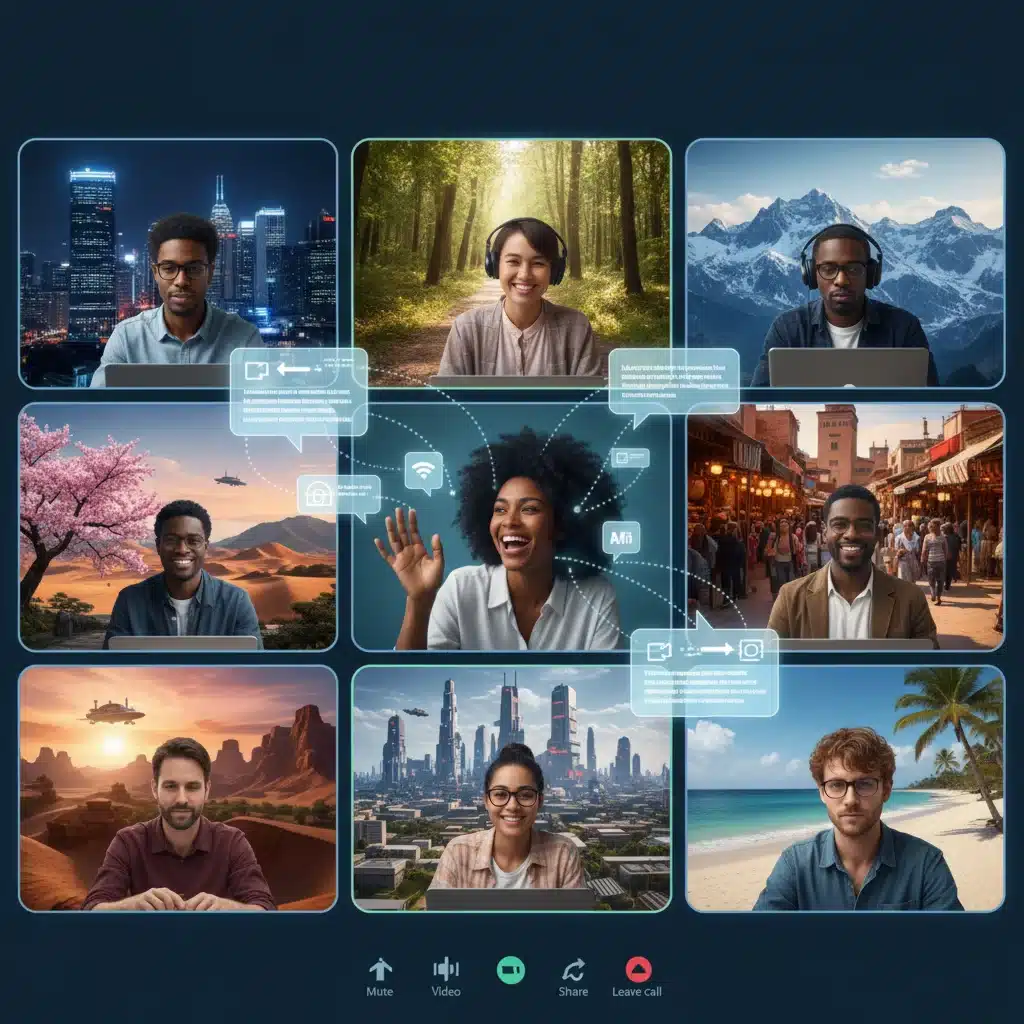
Digital Linking Capital and Urban Networks
Urban professionals, often operating within highly specialized industries, rely heavily on linking social capital for career advancement and access to resources. Remote work has democratized access to some extent, allowing individuals to network globally without geographical constraints. However, the informal power structures and ‘old boys’ networks’ that historically thrived in urban centers can be harder to penetrate or replicate digitally. By 2026, successful urban remote workers will be adept at leveraging both digital platforms and strategically chosen in-person events to maintain and build their linking capital.
The Rural Renaissance: Influx, Integration, and Infrastructure
Rural communities, often characterized by tighter-knit existing social networks, have experienced a different trajectory. The ‘great migration’ of remote workers from urban centers seeking affordability, space, and a slower pace of life has injected new dynamics into rural remote work social capital.
Strengthening Existing Bonding Capital (with a caveat)
For long-term rural residents, the presence of more people can potentially strengthen existing bonding capital by increasing participation in local events and supporting local institutions. However, the integration of newcomers is not always seamless. Existing residents may view new arrivals with a mix of welcome and apprehension, particularly concerning rising housing costs or changes to local culture. By 2026, communities that proactively facilitate integration through welcoming committees, shared events, and clear communication channels will be more successful in leveraging this influx.
Bridging Capital from Newcomers
The most significant impact on rural social capital comes from the bridging capital brought by remote workers. These newcomers often arrive with diverse professional backgrounds, skills, and networks developed in urban environments. This can:
- Introduce new perspectives and ideas into local governance and community initiatives.
- Stimulate local economies through entrepreneurship and demand for new services.
- Connect rural communities to broader regional and national networks, potentially attracting investment and resources.
However, for this bridging capital to be effectively integrated, there must be genuine opportunities for newcomers to contribute and for existing residents to embrace these new connections. Superficial interactions will not build lasting social capital.
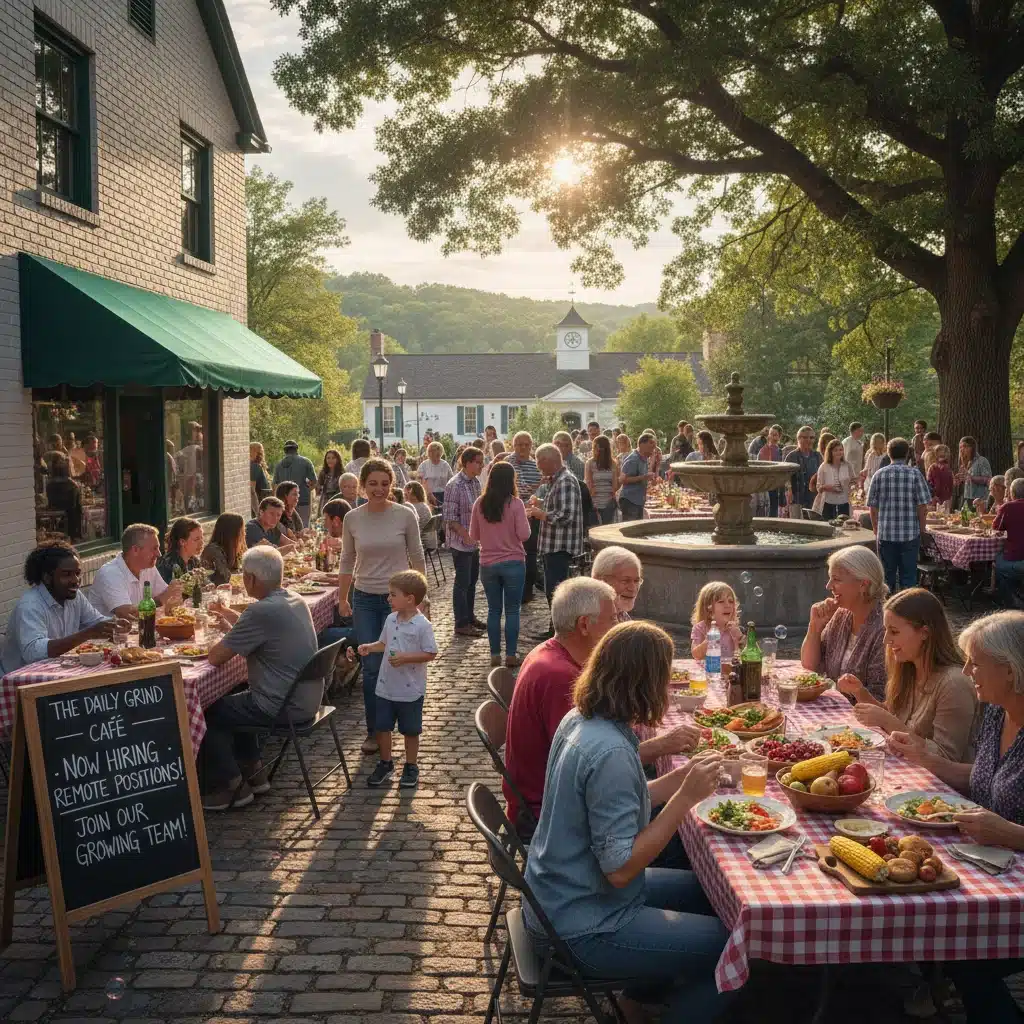
The Infrastructure Imperative for Rural Linking Capital
A critical challenge for rural remote work social capital is infrastructure, particularly reliable high-speed internet. Without it, remote workers cannot effectively maintain their professional linking capital or contribute their skills to local development. Governments and private entities are investing heavily in rural broadband, recognizing its foundational role in enabling economic development and social integration. By 2026, areas with robust digital infrastructure will be better positioned to attract and retain remote talent, fostering a more dynamic and interconnected rural society.
Common Challenges and Opportunities for Remote Work Social Capital
Despite the distinct urban and rural experiences, several overarching challenges and opportunities impact remote work social capital across all geographies.
The Digital Divide and Inclusivity
While technology enables remote work, it also highlights the digital divide. Access to reliable internet, suitable devices, and digital literacy are not universal. This divide can exacerbate existing inequalities, limiting who can participate in the remote workforce and consequently, who can build and leverage digital social capital. Efforts to ensure equitable access and digital education are paramount for fostering inclusive social capital in the remote era.
Intentional Connection Building
The spontaneity of in-person interaction is largely absent in remote work. This necessitates a more intentional approach to building and maintaining social capital. Companies and individuals must actively cultivate opportunities for connection, both virtually and, where possible, in person. This includes:
- Scheduled virtual coffee breaks and informal chats.
- Team retreats and off-sites.
- Support for employee-led interest groups and affinity networks.
- Community initiatives that bring remote workers and local residents together.
By 2026, organizations that prioritize these intentional connection strategies will likely have higher employee retention and more cohesive teams, contributing positively to their internal social capital.
Mental Health and Well-being
The isolation inherent in remote work can negatively impact mental health, which in turn can erode social capital. Feelings of loneliness, disconnection, and reduced sense of belonging can make it harder for individuals to engage in social networks. Addressing mental health through employer support programs, community resources, and promoting work-life balance is crucial for sustaining healthy remote work social capital. Individuals must also take proactive steps to seek out social interactions and maintain a healthy boundary between work and personal life.
The Blurring of Lines: Professional and Personal Networks
Remote work often blurs the lines between professional and personal networks. Colleagues might become local friends, and neighbors might become professional contacts. This can be a source of strength, creating more holistic and supportive relationships. However, it also requires careful navigation to maintain appropriate boundaries and avoid burnout. The ability to manage these intertwined networks will be a key skill in 2026.
Strategies for Cultivating Social Capital in a Remote World
As we move further into the remote work era, cultivating robust social capital – both professional and personal – requires deliberate effort. Here are strategies applicable to both urban and rural settings:
For Individuals:
- Proactive Outreach: Don’t wait for connections to happen; initiate them. Schedule virtual coffee chats, send thoughtful messages, and engage in online communities.
- Local Engagement: Actively participate in local events, volunteer, join clubs, and frequent local businesses to build community ties.
- Utilize Digital Tools Wisely: Leverage platforms like LinkedIn, Slack, and dedicated community apps not just for work, but for genuine connection.
- Prioritize In-Person Interaction: When opportunities arise, prioritize meeting colleagues or community members in person.
- Boundary Setting: Maintain clear boundaries between work and personal life to prevent burnout and ensure time for social activities.
For Organizations:
- Invest in Hybrid Models: Design office spaces and policies that encourage meaningful in-person collaboration when teams do meet.
- Facilitate Virtual Connections: Implement tools and practices that foster informal interactions, such as virtual water coolers, interest groups, and mentorship programs.
- Support Local Engagement: Encourage employees to engage with their local communities through initiatives like volunteer days or local business partnerships.
- Prioritize Well-being: Offer mental health resources and promote work-life balance to combat isolation and foster a supportive environment.
- Training and Development: Equip employees with skills for effective virtual communication and networking.
For Communities (Urban & Rural):
- Create Welcoming Environments: Develop programs to integrate newcomers, whether they are new remote workers or long-term residents.
- Invest in Public Spaces: Create and maintain parks, community centers, and co-working spaces that encourage interaction.
- Promote Local Events: Organize and publicize community events that bring diverse groups together.
- Bridge the Digital Divide: Advocate for and invest in universal high-speed internet access and digital literacy programs.
- Support Local Businesses: Foster a vibrant local economy that provides opportunities for interaction and shared identity.
The Future of Connection: 2026 and Beyond
By 2026, the initial shockwaves of the remote work revolution will have settled, giving way to more established patterns and norms. The concept of remote work social capital will be widely recognized as a critical component of individual well-being and societal resilience. The distinction between urban and rural experiences will likely remain, but with a greater understanding of how to leverage the strengths of each environment.
Urban areas will continue to evolve, with city planners and developers rethinking public spaces and residential areas to better support a decentralized workforce. The focus will shift from the traditional central business district to a network of vibrant, connected neighborhoods. Rural communities, having absorbed an influx of new residents, will face the ongoing challenge of balancing growth with preserving local character, all while harnessing the new skills and perspectives brought by remote workers.
Ultimately, the future of social capital in a remote-first world hinges on our collective ability to adapt, innovate, and prioritize genuine human connection. Technology will continue to evolve, offering increasingly sophisticated ways to interact, but the fundamental human need for belonging, trust, and mutual support will remain constant. It is through intentional design, proactive engagement, and a commitment to inclusivity that we can ensure remote work social capital flourishes, creating stronger, more connected communities for everyone, regardless of their physical location.
Conclusion
The journey into a remote-first future is not just about changing where we work, but how we connect. By 2026, the profound impact of remote work on social capital will be evident, manifesting differently in urban and rural landscapes. While urban centers grapple with redefining workplace bonds and embracing neighborhood ties, rural areas navigate the integration of new residents and the imperative of digital infrastructure. The challenges are significant, ranging from the digital divide to the need for intentional connection building and mental health support.
However, alongside these challenges lie immense opportunities. The decentralization of work can foster stronger local communities, diversify rural economies, and create more flexible, inclusive professional networks. For individuals, organizations, and communities to thrive in this new paradigm, a conscious and strategic approach to cultivating remote work social capital is essential. By understanding these dynamics and implementing thoughtful strategies, we can ensure that the unseen threads of connection continue to bind us, creating a more resilient and connected society for the years to come.