
In an era defined by rapid technological advancement, global interconnectedness, and increasing social awareness, the very fabric of our working lives is undergoing a profound transformation. No longer is a hefty paycheck the sole, or even primary, motivator for a significant portion of the workforce. A compelling new trend is emerging, one that signals a fundamental shift in cultural values, particularly among younger generations: the prioritization of purpose over pay. By 2026, projections indicate that a staggering 40% of younger generations will place a higher premium on meaningful work, ethical practices, and societal impact than on financial remuneration alone. This isn’t just a fleeting fad; it’s a seismic shift that demands attention from businesses, educators, and policymakers alike.
The implications of this shift are far-reaching, influencing everything from recruitment strategies and employee retention to corporate social responsibility and product development. For organizations striving to remain competitive and relevant, understanding and adapting to this evolving value system is not merely an option; it’s an imperative. This comprehensive article delves deep into the phenomenon of purpose over pay, exploring its origins, its impact on the modern workforce, and the actionable strategies businesses can implement to thrive in this new landscape.
The Genesis of a Movement: Why Purpose is Gaining Prominence
The concept of purpose over pay isn’t entirely new, but its widespread adoption and explicit prioritization by a significant demographic represent a novel development. Several interconnected factors have converged to fuel this shift:
1. Shifting Societal Values and Global Awareness
Younger generations, particularly Millennials and Gen Z, have grown up in a world grappling with complex global challenges: climate change, social inequality, political instability, and economic uncertainty. These experiences have fostered a heightened sense of social consciousness and a desire to contribute positively to the world. They are less inclined to accept traditional corporate models that prioritize profit above all else if it comes at the expense of ethical considerations or environmental stewardship. They seek employers whose values align with their own and whose work genuinely contributes to a better future.
2. The Influence of Information and Transparency
In the digital age, information is abundant and readily accessible. Social media, online reviews, and investigative journalism mean that corporate practices, both good and bad, are exposed with unprecedented speed and reach. Younger generations are adept at sifting through this information and are quick to scrutinize the authenticity of a company’s claims. This transparency has fostered a demand for genuine corporate social responsibility (CSR) and a rejection of mere ‘greenwashing’ or performative activism. They want to work for companies that walk the talk when it comes to purpose.
3. Economic Realities and the Gig Economy
While counterintuitive, the economic pressures faced by younger generations have also contributed to the emphasis on purpose over pay. Many have entered the workforce facing student debt, rising living costs, and a more competitive job market. This has led to a re-evaluation of what constitutes ‘success.’ For some, the pursuit of ever-increasing salaries feels less attainable or even less fulfilling than finding stability and meaning in their work. The rise of the gig economy and flexible work arrangements has also empowered individuals to seek out projects and roles that align with their personal values, even if it means sacrificing some traditional benefits or higher pay.
4. Psychological Needs: Beyond Maslow’s Hierarchy
Abraham Maslow’s hierarchy of needs posits that once basic physiological and safety needs are met, individuals strive for belonging, esteem, and self-actualization. For many in developed economies, basic needs are largely covered. Younger generations are now actively seeking self-actualization through their careers. They want their work to be a source of personal growth, impact, and identity. A job that merely pays the bills but offers no intrinsic satisfaction or sense of contribution is increasingly viewed as unfulfilling and unsustainable in the long term.
Defining Purpose in the Workplace
What exactly does purpose over pay mean in a practical sense? It’s not a monolithic concept, but rather a spectrum of aspirations:
- Meaningful Work: Employees want to understand how their daily tasks contribute to a larger goal, whether it’s solving a societal problem, creating innovative solutions, or improving lives.
- Ethical Practices: A company’s commitment to ethical sourcing, fair labor practices, environmental sustainability, and transparent governance is paramount.
- Social Impact: Employees want their organization to have a positive impact on the community or society at large, whether through CSR initiatives, philanthropic endeavors, or the very nature of its products or services.
- Personal Growth and Development: Opportunities for learning, skill development, and career advancement that align with personal values are highly valued.
- Authenticity and Values Alignment: A desire to work for an organization whose stated values are genuinely reflected in its culture, leadership, and operations.
This shift isn’t about rejecting money entirely; it’s about prioritizing purpose alongside, or even above, financial compensation when making career decisions. It’s about finding a balance where financial needs are met, but not at the expense of personal values and a sense of contribution.
The Impact on Businesses: Challenges and Opportunities
The rise of purpose over pay presents both significant challenges and unparalleled opportunities for businesses.
Challenges:
- Talent Attraction and Retention: Companies that fail to articulate and demonstrate a clear purpose will struggle to attract and retain top talent from younger generations.
- Employee Engagement and Productivity: Disengaged employees who feel their work lacks meaning are less productive and more likely to leave.
- Brand Reputation: In an age of transparency, a lack of genuine purpose or perceived hypocrisy can severely damage a company’s brand and public image.
- Cultural Transformation: Shifting from a purely profit-driven mindset to a purpose-driven one requires a fundamental cultural change, which can be difficult and time-consuming.
Opportunities:
- Enhanced Employer Brand: A strong, authentic purpose can differentiate a company in a crowded talent market, attracting passionate and dedicated individuals.
- Increased Employee Loyalty and Retention: Employees who feel connected to a company’s purpose are more likely to stay, reducing turnover costs and fostering institutional knowledge.
- Higher Engagement and Innovation: Purpose-driven employees are often more engaged, motivated, and innovative, leading to better performance and creative solutions.
- Improved Customer Loyalty: Consumers, especially younger ones, are increasingly drawn to brands that demonstrate a commitment to social and environmental responsibility.
- Resilience and Adaptability: Companies with a clear purpose are often more resilient in times of crisis and better able to adapt to changing market conditions.
Strategies for Businesses to Embrace Purpose Over Pay
For organizations looking to navigate this evolving landscape and attract the 40% of younger generations prioritizing purpose over pay by 2026, several strategic adaptations are essential:
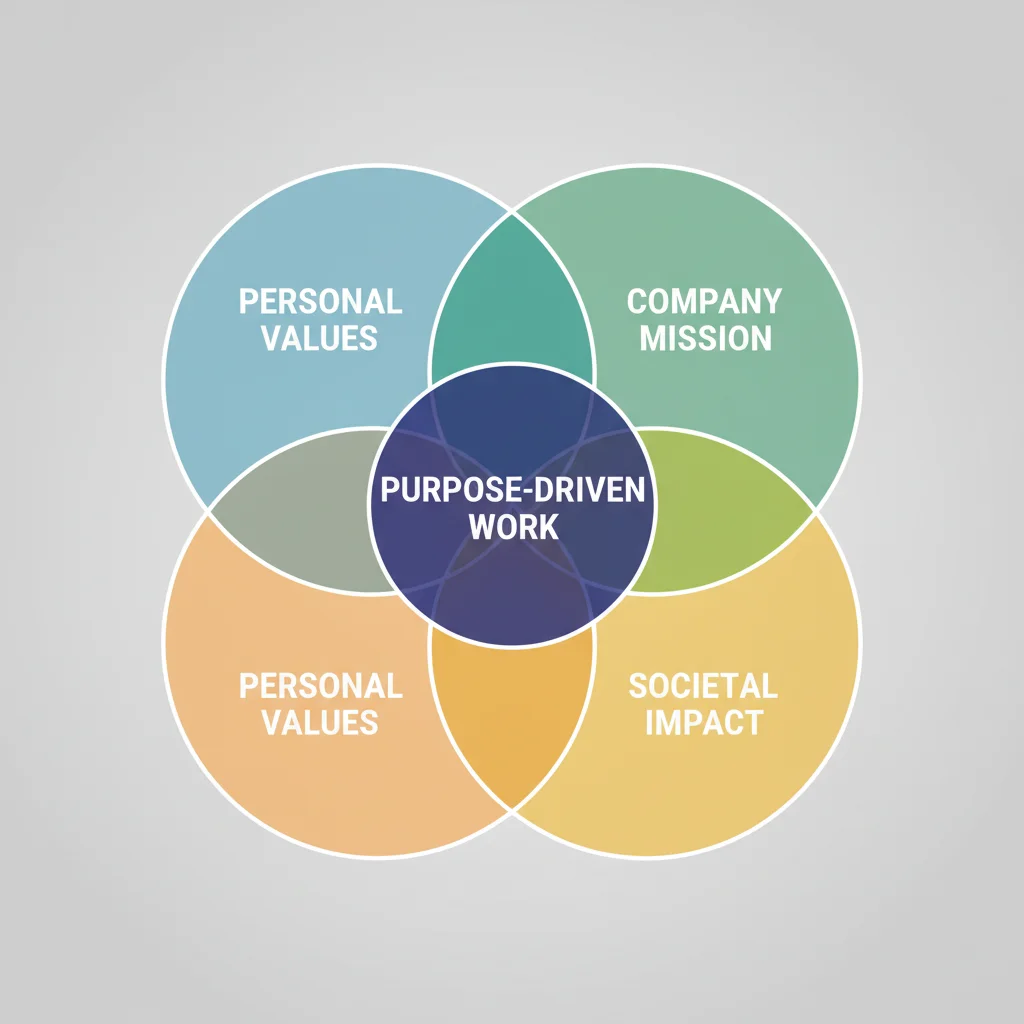
1. Define and Communicate Your Authentic Purpose
This is the foundational step. What is your company’s reason for being beyond making a profit? What problem do you solve? What positive impact do you aim to have on your customers, employees, or the world? This purpose must be genuine, clearly articulated, and embedded in your corporate DNA. It cannot be a marketing slogan; it must be a guiding principle.
Actionable Steps:
- Conduct internal workshops with leadership and employees to uncover core values and mission.
- Craft a compelling purpose statement that is inspiring, concise, and easy to understand.
- Integrate this purpose into all internal and external communications, from recruitment materials to annual reports.
2. Embed Purpose into Your Culture and Operations
A defined purpose is meaningless if it’s not lived out daily. It must permeate every aspect of your organization, from hiring practices to strategic decision-making.
Actionable Steps:
- Leadership Buy-in: Ensure leaders at all levels champion the purpose and model desired behaviors.
- Recruitment and Onboarding: Screen candidates not just for skills but also for alignment with your company’s purpose and values. Integrate purpose discussions into onboarding to immediately connect new hires to the mission.
- Performance Management: Incorporate purpose-driven goals and metrics into performance reviews. Recognize and reward employees who embody the company’s values.
- Decision-Making: Encourage employees to consider the ethical and social implications of their decisions, not just the financial ones.
3. Offer Opportunities for Meaningful Contribution
Employees want to feel that their work matters. Provide avenues for them to contribute to the company’s purpose in tangible ways.
Actionable Steps:
- Clear Line of Sight: Help employees understand how their individual roles contribute to the broader company mission.
- Volunteering and CSR Programs: Offer paid time off for volunteering, organize company-wide social impact initiatives, or partner with non-profits aligned with your purpose.
- Employee-Led Initiatives: Empower employees to propose and lead projects that align with the company’s purpose.
- Skill-Based Volunteering: Leverage employees’ professional skills for community benefit, offering a unique way to contribute.
4. Foster a Culture of Transparency and Trust
Younger generations value authenticity. Be transparent about your challenges, successes, and commitment to your purpose. Build trust through open communication and consistent actions.
Actionable Steps:
- Open Communication Channels: Regularly share updates on the company’s social and environmental impact.
- Feedback Mechanisms: Create avenues for employees to provide feedback, raise concerns, and suggest improvements related to purpose.
- Ethical Governance: Ensure strong ethical governance structures are in place and communicated.
5. Invest in Employee Development and Well-being
A purpose-driven organization also cares deeply about its people. Investing in their growth and well-being demonstrates a holistic commitment to purpose.
Actionable Steps:
- Learning and Development: Provide continuous learning opportunities that enhance skills and align with individual career aspirations.
- Mentorship Programs: Foster a culture of mentorship and knowledge sharing.
- Work-Life Balance: Support flexible work arrangements, mental health resources, and a healthy work-life balance.
6. Measure and Report on Impact
Demonstrate your commitment to purpose by measuring your social and environmental impact and reporting on it transparently. This reinforces authenticity and holds the company accountable.
Actionable Steps:
- Key Performance Indicators (KPIs): Develop KPIs for social and environmental impact, alongside financial metrics.
- Impact Reports: Publish regular impact reports, sharing both successes and areas for improvement.
- Certifications: Consider pursuing certifications like B Corp to validate your commitment to social and environmental performance.
The Future of Work: A Purpose-Driven Landscape
The trend of purpose over pay is not a fleeting phenomenon but a fundamental reorientation of workplace values. As younger generations, who will constitute an ever-larger portion of the workforce, continue to mature and ascend to leadership positions, their prioritization of meaning and impact will only intensify. Businesses that proactively embrace this shift, embedding authentic purpose into their culture and operations, will be better positioned to attract and retain the best talent, foster innovation, build stronger brands, and ultimately achieve sustainable success.
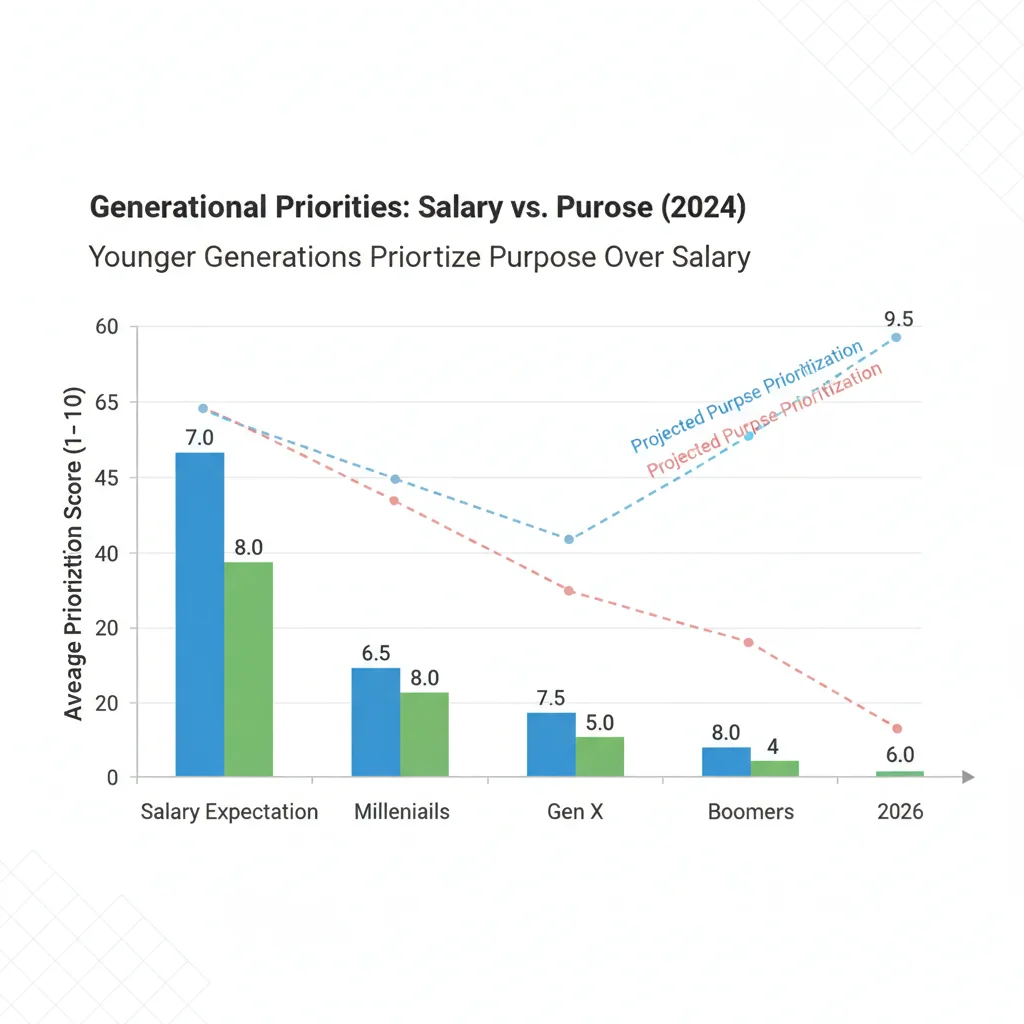
The era of purely transactional employment is waning. The future of work belongs to organizations that can inspire, connect, and empower their employees to contribute to something greater than themselves. By understanding and responding to the powerful call for purpose over pay, businesses can not only meet the evolving expectations of the modern workforce but also play a vital role in shaping a more responsible and impactful global economy. The 2026 projection of 40% of younger generations prioritizing purpose is a call to action, an invitation for businesses to redefine success and embrace a future where profit and purpose are inextricably linked.