Mastering Digital Well-being: A 2026 Guide to Healthier Screen Habits

Mastering Digital Well-being: A 2026 Guide to Healthier Screen Habits
In an era where our lives are increasingly intertwined with technology, the concept of digital well-being has never been more critical. As we navigate 2026, the lines between our online and offline existences continue to blur, presenting both unprecedented opportunities and significant challenges. This comprehensive guide aims to equip you with the knowledge and strategies to cultivate healthier screen habits, mitigate digital overwhelm, and ultimately, enhance your overall quality of life in this hyper-connected world.
The Evolving Landscape of Digital Life in 2026
The technological advancements witnessed in recent years have dramatically reshaped our daily routines, work environments, and social interactions. From AI-driven assistants seamlessly integrated into our homes to augmented reality experiences becoming commonplace, the digital sphere is more pervasive than ever. While these innovations promise efficiency and connectivity, they also demand a conscious effort to maintain our mental, emotional, and physical health.
Understanding the current digital landscape is the first step towards mastering digital well-being. We are constantly bombarded with notifications, endless streams of information, and the pressure to be perpetually available. This constant engagement, if unchecked, can lead to increased stress, anxiety, sleep disturbances, and a diminished sense of presence in the real world. In 2026, the challenge isn’t just about limiting screen time; it’s about optimizing our digital interactions to serve our well-being, rather than detract from it.
Defining Digital Well-being: More Than Just Less Screen Time
Often misunderstood as simply reducing the amount of time spent on devices, digital well-being is a much broader and more nuanced concept. It encompasses the conscious effort to manage and control our interactions with digital technology to ensure they support our health, happiness, and productivity. It’s about intentional usage, mindful engagement, and creating boundaries that protect our mental and physical space.
True digital well-being involves:
- Mindful Consumption: Being aware of what content we consume and its impact on our mood and thoughts.
- Intentional Interaction: Using technology with a specific purpose, rather than mindlessly scrolling.
- Boundary Setting: Establishing clear limits on when and where technology is used.
- Digital Detox: Regularly disconnecting to reconnect with ourselves and the physical world.
- Privacy and Security Awareness: Understanding and managing our digital footprint and data.
It’s not about rejecting technology, but about integrating it into our lives in a way that enriches, rather than detracts from, our human experience.
The Impact of Unchecked Digital Habits on Your Health
The consequences of poor digital well-being are far-reaching and can manifest in various ways, affecting both our physical and mental health. Prolonged exposure to screens, especially without proper breaks, can lead to:
Mental Health Implications:
- Increased Anxiety and Depression: The constant comparison with curated online lives, cyberbullying, and the fear of missing out (FOMO) can significantly impact mental health.
- Reduced Attention Span: The rapid-fire nature of digital content can diminish our ability to focus on complex tasks and sustain attention.
- Sleep Disturbances: Blue light emitted from screens disrupts melatonin production, making it harder to fall asleep and affecting sleep quality.
- Digital Overwhelm and Burnout: The relentless influx of information and notifications can lead to mental fatigue and a feeling of being constantly ‘on.’
Physical Health Implications:
- Eye Strain and Headaches: Hours spent staring at screens can cause digital eye strain, blurred vision, and tension headaches.
- Musculoskeletal Issues: Poor posture while using devices can lead to neck pain, back pain, and repetitive strain injuries.
- Sedentary Lifestyle: Excessive screen time often correlates with reduced physical activity, contributing to obesity and other health problems.
- Impaired Social Skills: Over-reliance on digital communication can hinder the development of face-to-face social skills and empathy.
Recognizing these potential pitfalls is the first step toward implementing effective strategies for a healthier digital life.
Strategies for Cultivating Healthier Screen Habits in 2026
Achieving digital well-being requires a proactive and intentional approach. Here are actionable strategies you can implement starting today:
1. Establish Clear Digital Boundaries
One of the most effective ways to regain control is by setting explicit boundaries for technology use. This includes:
- Designate Tech-Free Zones: Make your bedroom a sanctuary free from screens. Avoid phones, tablets, and laptops at least an hour before bedtime. Consider tech-free zones in your home, like the dining table during meals.
- Set Time Limits: Utilize built-in screen time features on your devices or third-party apps to monitor and limit usage for specific applications.
- Schedule Digital Breaks: Just as you schedule work meetings, schedule regular breaks from your screens throughout the day. Stand up, stretch, look away from your screen, or take a short walk.
- Implement a Digital Curfew: Decide on a specific time each evening when all non-essential devices are put away. This signals to your brain that it’s time to wind down.
2. Optimize Your Digital Environment
Your digital environment plays a significant role in your digital well-being. Small adjustments can make a big difference:
- Declutter Your Digital Space: Unsubscribe from unnecessary emails, unfollow accounts that don’t add value, and delete unused apps. A cleaner digital space leads to a clearer mind.
- Customize Notifications: Turn off all non-essential notifications. Only allow crucial alerts from work or emergency contacts. This reduces constant interruptions and the urge to check your phone.
- Use Grayscale Mode: Experiment with setting your phone to grayscale mode. The lack of vibrant colors can make your device less appealing and reduce compulsive checking.
- Mindful App Placement: Arrange your apps strategically. Place distracting social media or entertainment apps in folders or on secondary screens, making them less accessible for impulsive use.
3. Practice Mindful Technology Use
Mindfulness isn’t just for meditation; it can be applied to our digital interactions too. 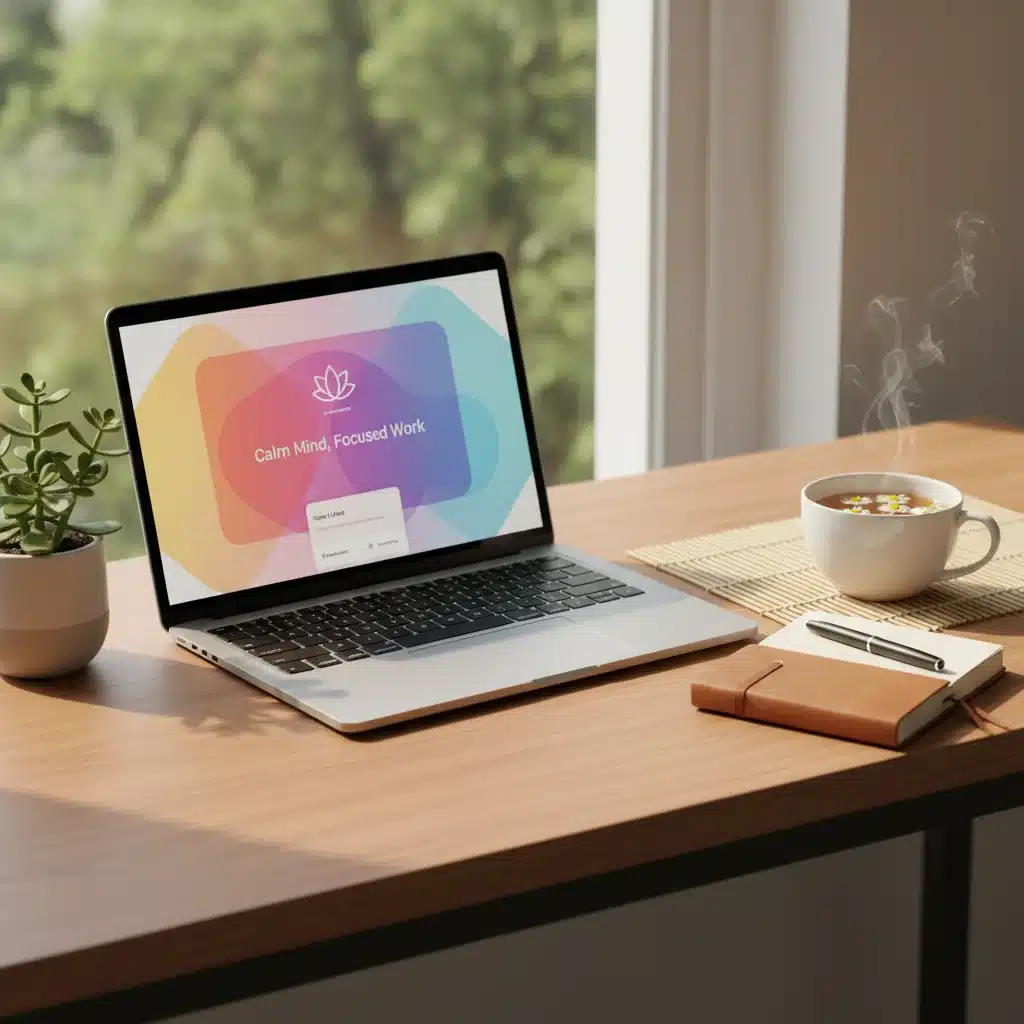
- Ask Before You Click: Before opening an app or clicking a link, pause and ask yourself: “Why am I doing this? What is my intention?” This helps break the cycle of mindless engagement.
- Engage Actively: When you do use technology, engage with purpose. If you’re on social media, actively interact with posts that genuinely interest you, rather than passively scrolling.
- Single-Tasking: Avoid multitasking with devices. If you’re working on your computer, close unnecessary tabs and put your phone away. Give your full attention to one task at a time.
- Digital Journaling: Keep a journal to track your digital habits. Note when you feel compelled to check your phone, what triggers it, and how you feel afterward. This self-awareness is crucial for change.
4. Prioritize Real-World Connections and Activities
In our pursuit of digital well-being, it’s vital to remember that technology is a tool, not a substitute for genuine human connection and real-world experiences.
- Schedule Face-to-Face Interactions: Make an effort to meet friends and family in person. Engage in conversations without the distraction of devices.
- Pursue Hobbies Off-Screen: Rediscover or cultivate hobbies that don’t involve screens, such as reading physical books, painting, gardening, cooking, or playing a musical instrument.
- Spend Time in Nature: Regular exposure to natural environments has proven benefits for mental health. Leave your phone behind or put it on silent when you go for a walk in a park or forest.
- Engage in Physical Activity: Exercise is a powerful antidote to digital fatigue. Whether it’s a gym workout, a dance class, or a team sport, prioritize moving your body.
5. Leverage Technology for Good
Ironically, technology itself can be a powerful ally in promoting digital well-being. The goal isn’t to abandon technology, but to use it wisely.
- Well-being Apps: Utilize apps designed for meditation, mindfulness, sleep tracking, or habit formation.
- Productivity Tools: Use tools that help you focus, block distracting websites, or manage your tasks more efficiently.
- Educational Resources: Access online courses, documentaries, and e-books that genuinely enrich your knowledge and skills.
- Connect with Purpose: Use social media and communication platforms to genuinely connect with loved ones, join supportive communities, or advocate for causes you care about, rather than for passive consumption.
The Role of Employers and Educators in Digital Well-being
The responsibility for digital well-being doesn’t solely rest on individuals. Employers and educational institutions also have a significant role to play in fostering healthier digital environments.
For Employers:
- Encourage Digital Disconnect: Implement policies that encourage employees to disconnect after work hours, such as discouraging emails outside of business hours.
- Promote Digital Literacy: Offer training on effective and mindful technology use, cybersecurity, and data privacy.
- Create Tech-Free Zones: Designate areas in the workplace where devices are discouraged, promoting face-to-face interaction and mental breaks.
- Support Flexible Work Arrangements: Empower employees to manage their work-life balance, which can reduce the feeling of being constantly ‘on.’
- Monitor Digital Workload: Be mindful of the digital tools and platforms introduced, ensuring they enhance productivity without increasing digital overwhelm.
For Educators:
- Teach Digital Citizenship: Educate students on responsible and ethical technology use, critical thinking about online information, and online safety.
- Balance Screen Time with Offline Learning: Integrate hands-on activities, outdoor learning, and traditional teaching methods alongside digital tools.
- Model Healthy Habits: Teachers and administrators should model mindful technology use in the classroom and beyond.
- Provide Resources for Digital Well-being: Offer support and resources for students struggling with tech addiction or digital stress.
- Design Engaging Digital Content: Create educational content that is interactive and purposeful, avoiding passive consumption.
Overcoming Common Challenges in Achieving Digital Well-being
Embarking on a journey towards better digital well-being is not without its hurdles. Here are some common challenges and how to overcome them:
1. The Fear of Missing Out (FOMO)
FOMO is a powerful psychological trigger that often compels us to stay connected. To combat it:
- Shift Your Perspective: Reframe FOMO as JOMO (Joy of Missing Out). Embrace the peace and presence that comes from disconnecting.
- Curate Your Feed: Unfollow accounts that trigger comparison or anxiety. Fill your feed with positive, inspiring content.
- Focus on Your Own Life: Remind yourself that everyone’s online persona is a curated highlight reel. Concentrate on your own goals and experiences.
2. The Habit Loop
Checking devices often becomes an unconscious habit. To break this loop:
- Identify Triggers: Pay attention to what prompts you to reach for your phone (e.g., boredom, stress, waiting).
- Replace the Habit: When a trigger occurs, replace the device-checking habit with a healthier alternative, such as taking a deep breath, stretching, or looking out the window.
- Make it Harder: Place your phone in another room or in a drawer, making it less accessible for impulsive checks.
3. Work-Life Integration vs. Work-Life Balance
The blurring of work and personal life due to technology can be detrimental. 
- Set Clear Work Hours: Even if you work remotely, establish clear start and end times for your workday.
- Create a Dedicated Workspace: If possible, have a designated area for work that you can physically leave at the end of the day.
- Communicate Boundaries: Inform colleagues and clients about your availability and response times to manage expectations.
The Future of Digital Well-being: Innovations and Outlook for 2026 and Beyond
As we look beyond 2026, the discussion around digital well-being will continue to evolve. We can anticipate several key trends and innovations:
- AI-Powered Well-being Coaches: More sophisticated AI tools will offer personalized guidance on screen time management, mindfulness, and even detect early signs of digital stress.
- Enhanced Device Features: Manufacturers will likely integrate more advanced well-being features directly into operating systems, offering more granular control over notifications, app usage, and digital detox modes.
- Ethical Tech Design: There will be a greater emphasis on designing technology that prioritizes user well-being, moving away from addictive design patterns.
- Augmented Reality for Real-World Connection: While AR can be immersive, future applications might focus on enhancing real-world interactions rather than replacing them, such as interactive guides for nature walks or collaborative physical games.
- Community-Driven Digital Detox Programs: An increase in organized group activities and retreats focused on disconnecting from technology and reconnecting with nature and community.
The future of digital well-being is not about eliminating technology, but about harnessing its power responsibly and ethically to create a more balanced and fulfilling human existence.
Conclusion: Embracing a Balanced Digital Life
Achieving digital well-being in 2026 is an ongoing journey, not a destination. It requires continuous self-awareness, intentional effort, and a willingness to adapt your habits as technology evolves. By setting clear boundaries, optimizing your digital environment, practicing mindful technology use, and prioritizing real-world connections, you can reclaim control over your digital life.
Remember, technology is a tool designed to serve us, not the other way around. By consciously choosing how and when we engage with our devices, we can unlock the immense benefits of the digital world while safeguarding our mental and physical health. Embrace the challenge, make incremental changes, and enjoy the profound positive impact that mastering your digital well-being will have on your overall quality of life.
Start today by identifying one small change you can make to your screen habits. Whether it’s turning off notifications for an hour, leaving your phone in another room during dinner, or taking a tech-free walk, every step counts towards a healthier, more balanced digital future.