Digital Community Building: Shaping U.S. Social Connections in 2026

Redefining Community: How Digital Platforms are Shaping U.S. Social Connections in Early 2026
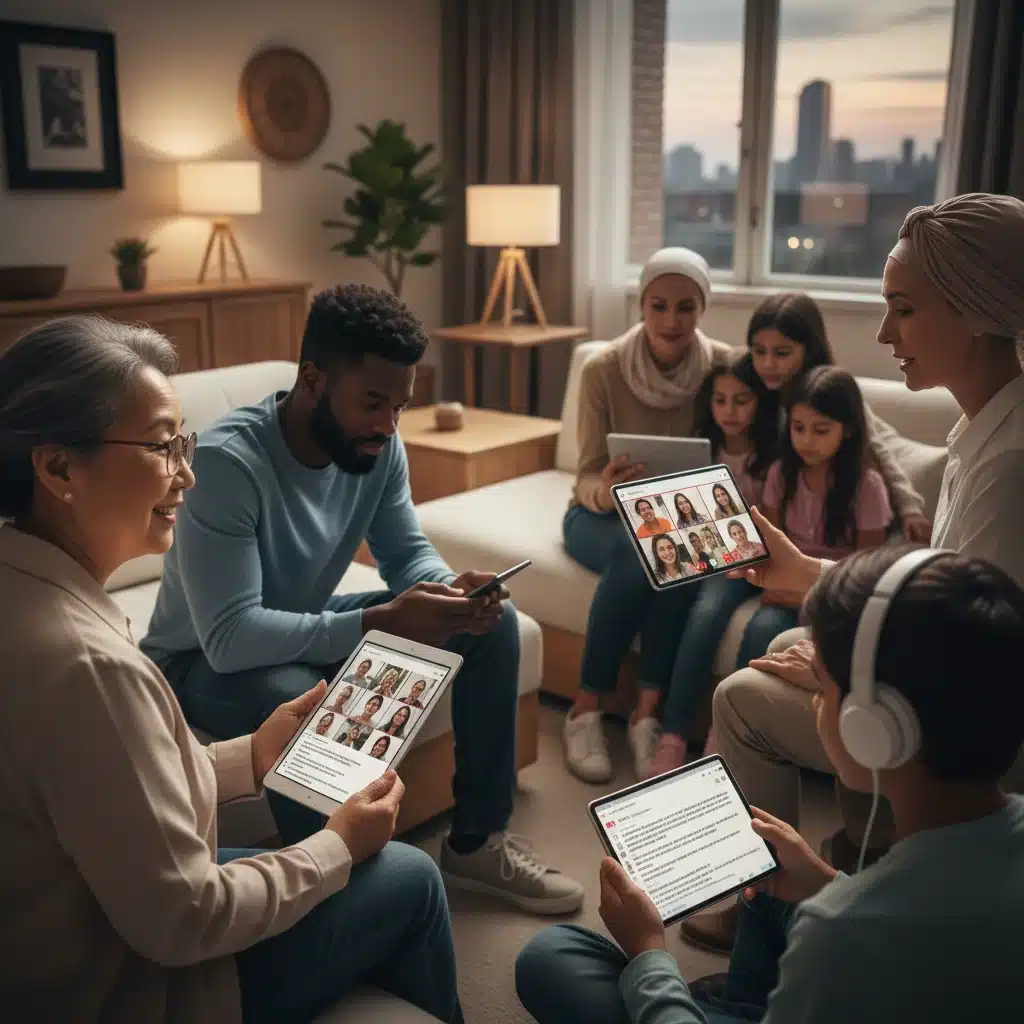
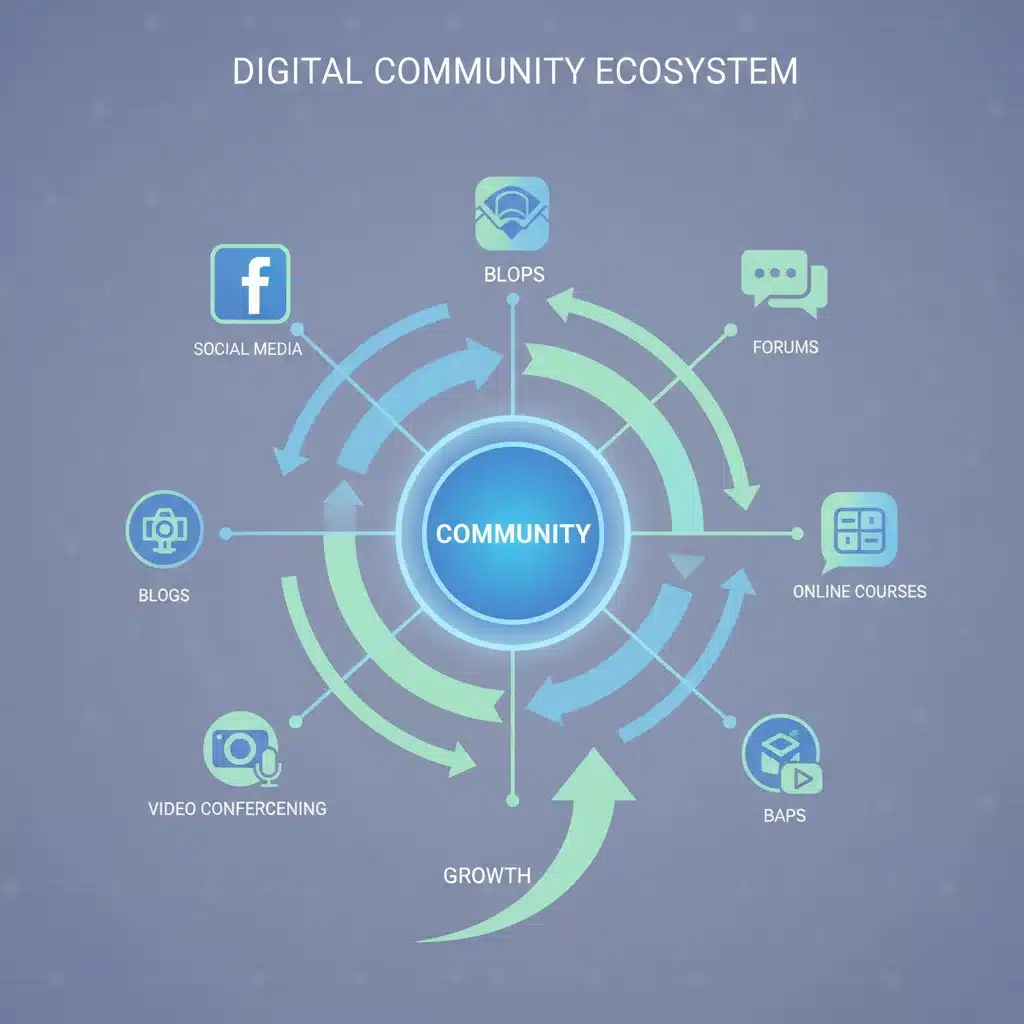
In the dynamic landscape of early 2026, the very fabric of U.S. social connections is being meticulously rewoven by the pervasive influence of digital platforms. The concept of ‘community’ has transcended geographical boundaries, evolving into a multifaceted digital tapestry where individuals find belonging, share experiences, and collaborate on a scale previously unimaginable. This shift towards digital community building is not merely a technological trend; it’s a fundamental redefinition of how we interact, support each other, and forge meaningful relationships in an increasingly interconnected world.
The past few years have accelerated the adoption of digital tools for social interaction, transforming what was once a supplement to in-person contact into a primary mode of connection for millions. As we move further into 2026, the sophistication of these platforms, coupled with user expectations, continues to push the boundaries of what is possible in online social spaces. From niche interest groups flourishing on specialized forums to large-scale movements orchestrated via social media, the power of digital community building is undeniable and its impact on the U.S. social landscape is profound.
The Evolution of Digital Community Building: A 2026 Perspective
The journey of online communities began with simple bulletin boards and chat rooms, evolving through the eras of early social networks to the hyper-personalized, algorithm-driven platforms we see today. In early 2026, this evolution has reached a new zenith, characterized by several key trends that are shaping the future of digital community building:
Hyper-Personalization and Niche Communities
Gone are the days when broad social networks were the sole arbiters of online connection. Today, users are gravitating towards highly specialized platforms and groups that cater to their unique interests, hobbies, and professional needs. Whether it’s a dedicated forum for vintage synthesizer enthusiasts, a private group for remote workers in a specific industry, or an online support network for a rare medical condition, these niche communities offer a depth of engagement and understanding that larger, more general platforms often lack. Algorithms have become incredibly adept at connecting individuals with these micro-communities, fostering a sense of belonging and shared identity that is crucial for effective digital community building.
The Rise of Immersive and Experiential Platforms
Beyond text-based interactions, early 2026 is witnessing a significant surge in immersive digital experiences. Virtual reality (VR) and augmented reality (AR) are no longer confined to gaming; they are increasingly being integrated into social platforms to create more engaging and lifelike interactions. Imagine attending a virtual concert with friends from across the globe, collaborating on a project in a shared AR workspace, or even participating in a digital town hall meeting with realistic avatars. These technologies promise to bridge the gap between physical and digital presence, making digital community building feel more tangible and impactful.
Community-Led Content Creation and Curation
The power dynamics of content creation are shifting. In 2026, communities are not just consuming content; they are actively creating, curating, and co-owning it. This is evident in the proliferation of creator-economy platforms where communities directly support their favorite artists, educators, and thought leaders. Decentralized autonomous organizations (DAOs) are also emerging as a powerful model for collective ownership and decision-making within digital communities, allowing members to have a direct say in the direction and governance of their shared spaces. This participatory approach is fostering stronger bonds and a deeper sense of investment in the success of the community.
The Benefits of Robust Digital Community Building
The advantages of fostering strong digital communities are manifold, impacting individuals, businesses, and society at large:
- Enhanced Social Support: For many, digital communities serve as vital support systems, offering a safe space to discuss challenges, seek advice, and find empathy from others who share similar experiences. This is particularly crucial for marginalized groups or individuals facing unique circumstances.
- Knowledge Sharing and Skill Development: Digital platforms facilitate unparalleled access to information and expertise. Professionals can connect with peers, students can find mentors, and hobbyists can learn new skills from global communities, accelerating personal and collective growth.
- Increased Civic Engagement and Advocacy: Digital communities have proven to be powerful tools for mobilizing action, raising awareness about social issues, and advocating for change. From local neighborhood groups organizing clean-up drives to global movements addressing climate change, online platforms provide the infrastructure for collective action.
- Economic Opportunities: The creator economy and various online marketplaces have opened new avenues for individuals to monetize their skills and passions within their digital communities. This fosters entrepreneurship and creates new economic ecosystems.
- Reduced Isolation: In an increasingly mobile and sometimes isolating world, digital communities offer a crucial lifeline, connecting individuals who might otherwise feel disconnected, especially those in remote areas or with limited physical mobility.
Challenges and Considerations in Digital Community Building
While the benefits are clear, the landscape of digital community building is not without its challenges. Addressing these issues is paramount for creating truly healthy and sustainable online spaces:
Maintaining Authenticity and Trust
The anonymity and scale of the internet can sometimes lead to issues of misinformation, disingenuous interactions, and a lack of trust. Building and maintaining authenticity within digital communities requires robust moderation, clear community guidelines, and a commitment from platform providers to prioritize user well-being over engagement metrics. The challenge lies in striking a balance between free expression and preventing harm.
Combating Digital Fatigue and Information Overload
The constant influx of notifications, messages, and content can lead to digital fatigue and burnout. Effective digital community building strategies must incorporate elements that encourage breaks, provide tools for managing information flow, and foster a sense of balance between online and offline life. This includes designing platforms that are intuitive and do not overwhelm users.
Bridging the Digital Divide
Despite widespread internet access, a significant digital divide still exists in the U.S., particularly in rural areas and among certain socioeconomic groups. This disparity limits participation in digital communities, exacerbating existing inequalities. Efforts to expand broadband access and provide digital literacy education are crucial for ensuring equitable opportunities for digital community building.
Ensuring Privacy and Data Security
With more of our lives moving online, the privacy and security of personal data within digital communities are paramount concerns. Users need assurances that their information is protected and not exploited. Platform providers must implement robust security measures and transparent data policies to foster trust and encourage participation.
Key Technologies Driving Digital Community Building in 2026
The technological advancements shaping digital community building are diverse and rapidly evolving:
- AI-Powered Moderation and Personalization: Artificial intelligence is increasingly being used to assist with content moderation, identify harmful behavior, and personalize user experiences by recommending relevant communities and content. This helps in scaling community management effectively.
- Decentralized Technologies (Web3): Blockchain and decentralized technologies are enabling new models of community ownership and governance, giving users more control over their data and the platforms they inhabit. This is fostering a sense of shared responsibility and democratic participation.
- Enhanced Multimedia Integration: High-quality video, audio, and interactive media are becoming standard features, allowing for richer forms of expression and more engaging interactions within communities. Live streaming and interactive events are particularly popular.
- Cross-Platform Interoperability: The future of digital community building points towards greater interoperability between different platforms, allowing users to move seamlessly between various online spaces without losing their identity or connections. This reduces platform lock-in and fosters a more open digital ecosystem.
- Emotion AI and Sentiment Analysis: Advanced AI capable of analyzing sentiment and even detecting emotions from text or voice is helping community managers understand the mood and needs of their members, allowing for more empathetic and proactive support.
The Future Landscape of U.S. Social Connections
Looking ahead, the trajectory of digital community building in the U.S. suggests an even more integrated and sophisticated future. We can anticipate:
Blended Realities: Seamless Integration of Physical and Digital
The lines between physical and digital communities will continue to blur. Hybrid events, where participants can join either in-person or virtually, will become the norm. Technologies like AR will overlay digital information and interactions onto our physical world, creating new layers of social connection that enhance real-world experiences rather than replacing them.
Greater Emphasis on Digital Well-being and Ethical Design
As the impact of digital platforms on mental health becomes more widely understood, there will be a stronger push for ethical design principles that prioritize user well-being. This includes features that encourage breaks, promote positive interactions, and provide resources for mental health support within communities. Platforms that genuinely care for their users’ well-being will likely gain a competitive edge.
Specialized Platforms for Every Aspect of Life
The trend towards niche communities will intensify, leading to an even greater proliferation of specialized platforms catering to every conceivable interest, profession, and life stage. This hyper-fragmentation will require innovative ways for individuals to manage their multiple digital identities and connections efficiently.
The Role of Governance and Regulation
As digital communities grow in influence, so too will the discussions around their governance and regulation. Governments and international bodies will likely play a more active role in setting standards for data privacy, content moderation, and platform accountability, aiming to protect users and ensure a fair digital environment. This will be a delicate balance to strike, ensuring innovation is not stifled while safeguarding user rights.
Building Stronger Bonds in the Digital Age
Ultimately, the success of digital community building hinges not just on technological prowess, but on the human element. It’s about creating spaces where people feel safe, heard, and valued. It’s about fostering genuine connections that extend beyond the screen, influencing real-world behaviors and relationships. The platforms that succeed in the long term will be those that understand this fundamental truth, prioritizing human connection and well-being above all else.
As we navigate early 2026, the ongoing evolution of digital platforms continues to offer unprecedented opportunities to redefine and strengthen social connections across the U.S. By embracing innovation responsibly, addressing challenges proactively, and always keeping the human experience at the forefront, we can ensure that digital community building serves as a powerful force for good, enriching lives and bringing people closer together in meaningful ways.
The future of community is undeniably digital, but its heart remains distinctly human. Understanding and leveraging the nuances of this evolving landscape will be key for individuals, organizations, and society as a whole to thrive in the years to come. The conversation around how we build, nurture, and sustain these vital digital spaces is more important than ever.
The impact of AI, for instance, in personalizing feeds and suggesting connections, while beneficial for discovery, also raises questions about echo chambers and the need for diverse perspectives. Future digital community building efforts will need to actively counter these tendencies, perhaps through AI-driven nudges towards differing viewpoints or curated content that encourages critical thinking and open dialogue. Moreover, the gamification of community engagement, using points, badges, and leaderboards, is becoming increasingly sophisticated. While this can boost participation, it also risks superficial engagement if not carefully balanced with intrinsic motivators for connection and contribution.
Furthermore, the economic models underpinning digital communities are diversifying. Beyond traditional advertising, we see a rise in subscription-based communities, patronage models, and even token-gated communities leveraging blockchain technology. These models can foster a greater sense of ownership and investment among members, but also raise questions about accessibility and potential exclusion. The challenge for digital community building platforms will be to create sustainable economic models that support creators and maintain community value without creating prohibitive barriers to entry.
The role of mental health support within digital communities is also gaining significant traction. Platforms are beginning to integrate features that connect users with mental health resources, offer tools for emotional check-ins, and even train moderators in basic psychological first aid. This proactive approach to user well-being is a critical component of responsible digital community building and will likely become a standard expectation in the coming years. The sheer volume of interactions means that even a small percentage of negative experiences can have a large cumulative impact, making these support mechanisms vital.
Finally, the concept of digital identity is becoming more fluid and complex. Users often maintain multiple personas across different digital communities, tailored to specific contexts and audiences. Managing these identities, and ensuring a consistent yet adaptable sense of self, is a growing challenge. Future platforms will need to offer more sophisticated tools for identity management, allowing users to control how they present themselves and interact across various digital spaces, thereby enhancing their overall experience within these communities.