The Evolution of Family Structures: 4 Key Trends Shaping U.S. Households and Social Support Networks in 2026
The concept of ‘family’ in the United States has always been dynamic, a reflection of societal shifts, economic pressures, and evolving cultural norms. As we navigate through 2026, these transformations are accelerating, reshaping not just the composition of households but also the very fabric of our social support networks. Understanding these profound changes is crucial for policymakers, community leaders, and individuals alike, as they influence everything from housing markets and healthcare systems to educational strategies and personal well-being. This comprehensive analysis will delve into four pivotal family structure trends that are defining the modern American household, examining their origins, implications, and what they mean for the future of social support.
Gone are the days when the nuclear family – a married couple with biological children – was the undisputed norm. While it remains a significant family form, its dominance has been steadily eroding, giving way to a rich tapestry of diverse arrangements. This evolution is not merely a statistical curiosity; it represents fundamental shifts in how Americans live, love, and support one another. From the rise of single-person households to the increasing visibility of chosen families, the landscape is more varied and complex than ever before. Let’s explore these fascinating developments and their far-reaching consequences.
Trend 1: The Ascendance of Non-Traditional Household Formations
Perhaps the most visible of the family structure trends is the significant increase in non-traditional household formations. This category is broad, encompassing everything from single-person households to cohabiting couples, single-parent families, and chosen families. The implications of this trend are multifaceted, impacting housing demand, community planning, and the very definition of who constitutes a ‘family unit’ for legal and social purposes.
Single-Person Households: A Growing Phenomenon
The number of Americans living alone has been steadily climbing for decades, and this trend shows no signs of abatement in 2026. Factors contributing to this include delayed marriage, increased divorce rates, longer life expectancies (leading to more elderly individuals living alone), and a greater emphasis on individual autonomy and independence. While living alone can offer freedom, it also presents challenges related to social isolation, especially for older adults, and financial strain. Consequently, there’s a growing need for community initiatives and technological solutions that foster connection and support for individuals in single-person households.
Cohabitation Without Marriage: A New Norm
Cohabitation has become increasingly common, particularly among younger generations. For many, it serves as a trial run for marriage, a practical arrangement due to economic reasons, or simply a preferred alternative to formal matrimony. This shift challenges traditional legal and social frameworks that often assume marriage as the default partnership model. Issues such as property rights, healthcare benefits, and inheritance become more complex in cohabiting relationships, highlighting the need for updated policies and greater awareness of the legal implications of such unions. The rise of cohabitation also influences fertility rates and the timing of childbearing, contributing to the broader evolution of family structure trends.
Single-Parent Families: Resilience and Challenges
Single-parent households, predominantly led by mothers, remain a significant and often resilient family form. These families frequently face unique challenges, including economic insecurity, childcare burdens, and social stigma. However, they also demonstrate remarkable strength and adaptability. In 2026, there’s a growing recognition of the need for robust support systems for single parents, including affordable childcare, flexible work arrangements, and community networks that offer both practical assistance and emotional encouragement. The narrative around single-parent families is shifting from one of deficit to one that acknowledges their inherent strengths and contributions to society.
Trend 2: The Resurgence of Multi-Generational Living
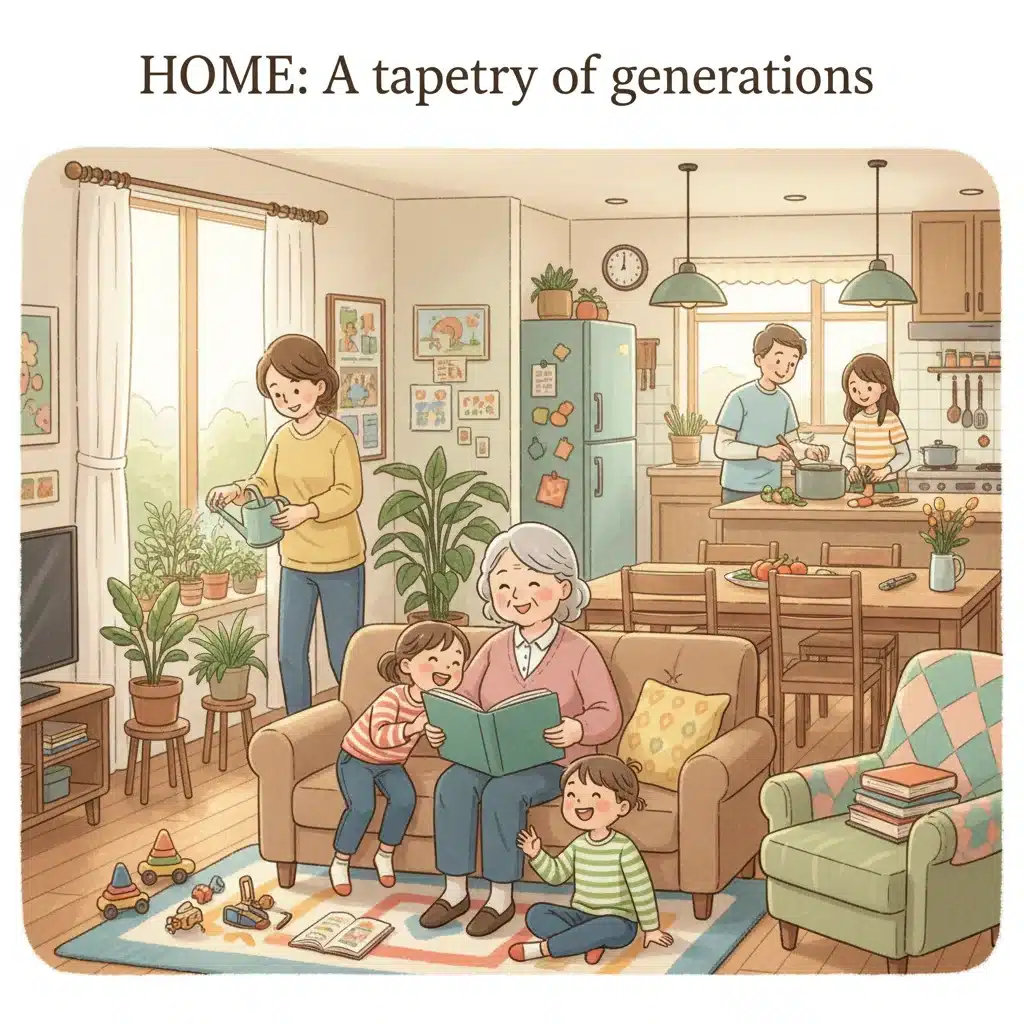
While often perceived as a traditional family model, multi-generational living is experiencing a modern resurgence, becoming a prominent family structure trend in 2026. This isn’t just about economic necessity, though that plays a significant role; it’s also about cultural preferences, caregiving needs, and the desire for closer family bonds. Households where at least two adult generations (e.g., parents and adult children) or three or more generations (e.g., grandparents, parents, and grandchildren) reside together are becoming more common across diverse demographic groups.
Economic Drivers and Intergenerational Support
One of the primary drivers behind this trend is economic. Rising housing costs, student loan debt, and the increasing cost of living make it challenging for younger generations to establish independent households. Simultaneously, older generations may find it financially beneficial to pool resources, particularly in retirement. Beyond finances, multi-generational living offers significant intergenerational support. Grandparents often provide childcare, allowing parents to work, while adult children can assist aging parents with daily tasks, healthcare coordination, and emotional companionship. This reciprocal support system strengthens family bonds and can alleviate some of the pressures on external social services.
Cultural Influences and Caregiving Needs
Cultural factors also play a crucial role. For many immigrant communities, multi-generational living has always been the norm, and these traditions are influencing broader American society. Furthermore, the growing need for elder care, coupled with the high cost of assisted living facilities, is leading more families to consider co-residence as a viable and desirable option. This arrangement allows for personalized care within a familiar environment, often improving the quality of life for elderly family members. However, it also requires careful communication, boundary setting, and a willingness to adapt to shared living spaces and responsibilities to ensure harmony and well-being for all members of the multi-generational household.
Trend 3: The Expanding Definition of ‘Family’ Through Chosen Kinship
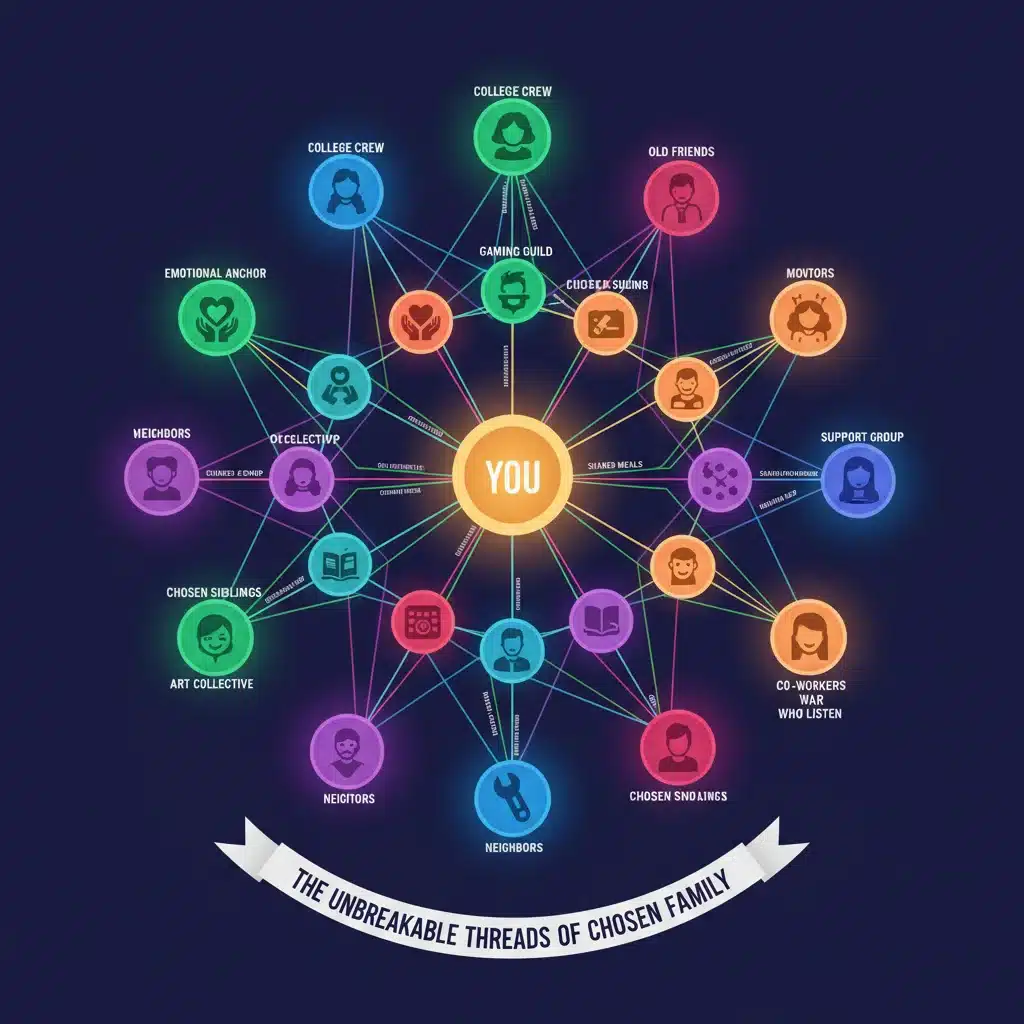
Perhaps one of the most profound family structure trends is the broadening definition of ‘family’ itself. In 2026, for an increasing number of individuals, family is not solely defined by blood or legal ties but by deep emotional connections, shared experiences, and mutual support. This concept of ‘chosen family’ or ‘fictive kin’ is gaining significant recognition, particularly within LGBTQ+ communities, among individuals with estranged biological families, and for those who prioritize close friendships as primary support systems.
Beyond Bloodlines: The Power of Intentional Relationships
Chosen families are groups of individuals who are not biologically related or legally bound but who function as a family unit, providing emotional, practical, and financial support to one another. These relationships are often characterized by strong bonds of loyalty, love, and commitment, mirroring the functions of traditional families. This trend highlights the human need for belonging and connection, adapting to circumstances where biological families may be absent, unsupportive, or geographically distant. It underscores the idea that family is fundamentally about who shows up for you, not just who shares your DNA.
Social Support Networks Redefined
The rise of chosen families has significant implications for how we understand and construct social support networks. Traditional models often assume that primary support comes from immediate family members. However, in 2026, it’s increasingly clear that friends, community groups, and informal networks play a vital role in providing care, companionship, and assistance during times of need. This shift necessitates a re-evaluation of social policies and community services to ensure they are inclusive and accessible to all forms of family, recognizing the validity and importance of these intentional relationships. It also encourages individuals to cultivate diverse and resilient personal networks that extend beyond conventional definitions.
Trend 4: The Impact of Technology and Globalization on Family Connectivity
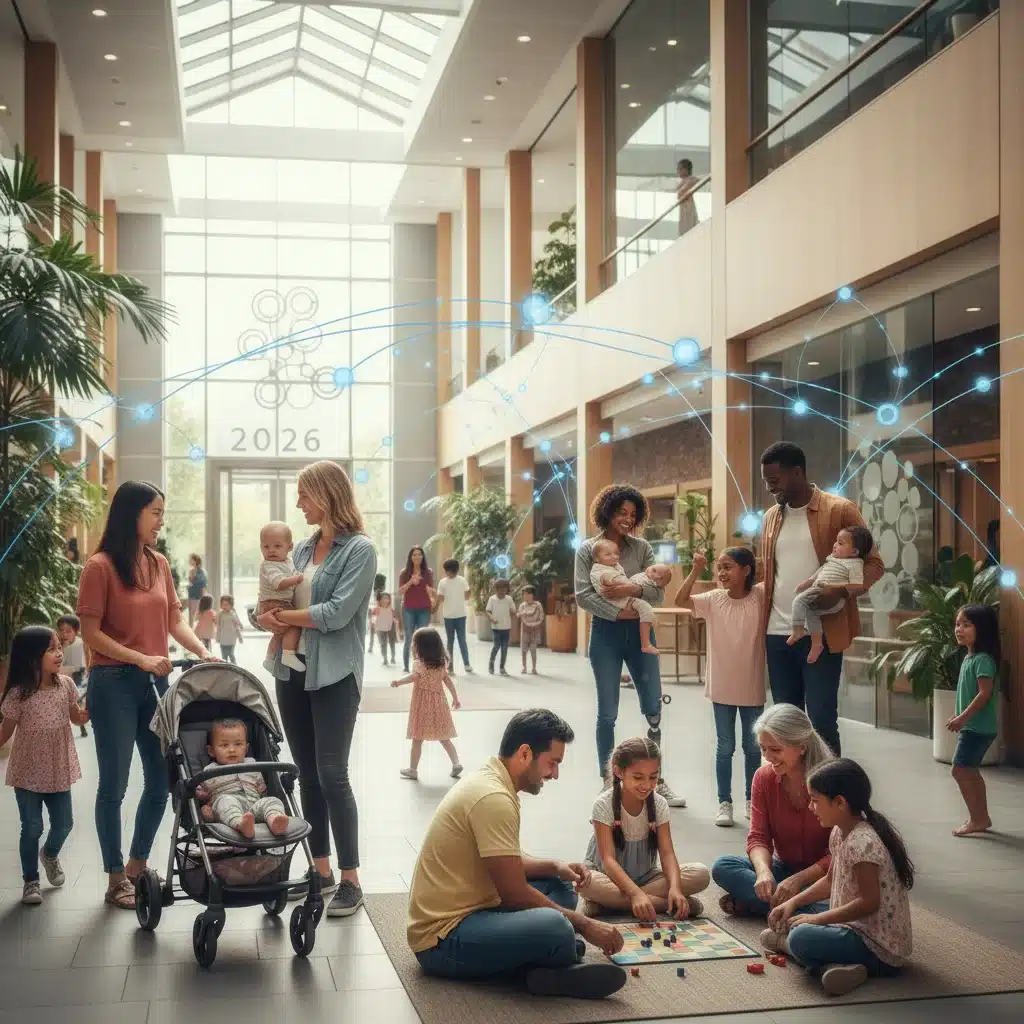
Technology and globalization are not just influencing economic and political landscapes; they are profoundly reshaping family structure trends and how families interact and maintain connections. In 2026, digital communication tools, social media, and ease of travel facilitate connections across vast distances, while also introducing new challenges related to digital divides and maintaining authentic relationships in a hyper-connected world.
Bridging Distances: Digital Communication and Global Families
For families separated by geographical distance, whether due to work, migration, or personal choices, technology has become an indispensable tool for maintaining bonds. Video calls, instant messaging, and social media platforms allow family members to share daily lives, celebrate milestones, and offer emotional support in real-time. This is particularly impactful for transnational families, where members live in different countries, enabling them to sustain strong cultural and familial ties despite physical separation. The ability to connect virtually helps to mitigate feelings of isolation and ensures that family members, regardless of their location, can remain active participants in each other’s lives.
Challenges and Opportunities: Digital Divides and New Forms of Engagement
While technology offers immense benefits, it also presents challenges. The digital divide, which separates those with access to reliable internet and devices from those without, can exacerbate existing inequalities and create barriers to family communication. Furthermore, the sheer volume of digital interactions can sometimes lead to a superficial sense of connection, highlighting the ongoing importance of in-person gatherings and quality time. However, technology also fosters new forms of family engagement, such as shared online gaming experiences, virtual book clubs, or collaborative digital projects, further diversifying the ways families interact and strengthen their bonds. Understanding these nuances is key to leveraging technology effectively to support evolving family structure trends.
The Broader Societal Implications of Evolving Family Structures
These four family structure trends are not isolated phenomena; they intricately weave together to create a complex tapestry of societal change. Their collective impact extends far beyond individual households, influencing public policy, economic stability, and community well-being. Recognizing these broader implications is essential for creating a society that is inclusive, supportive, and adaptable to the needs of all its members.
Impact on Housing and Urban Planning
The rise of single-person households and multi-generational living directly affects housing demand and urban planning. There’s a growing need for diverse housing options, including smaller, affordable units for individuals and larger homes or co-housing arrangements that can accommodate multiple generations. Urban planners must consider how to design communities that foster connection and support for these varied household types, including accessible public spaces, shared amenities, and efficient public transportation.
Changes in the Workforce and Caregiving Economy
The evolution of family structures also has profound implications for the workforce and the caregiving economy. With more single-parent households and multi-generational arrangements, the demand for affordable childcare and elder care services continues to grow. Employers face increasing pressure to offer flexible work arrangements, paid family leave, and other benefits that support employees with diverse family responsibilities. The recognition of chosen families also highlights the need for broader definitions of ‘family’ in workplace policies and benefits.
Rethinking Social Support Systems and Mental Health
As traditional family models shift, so too must our social support systems. Community organizations, governmental agencies, and healthcare providers need to adapt their services to cater to the needs of non-traditional families and chosen kin. This includes providing mental health support that addresses issues like social isolation in single-person households, caregiver burnout in multi-generational settings, and the unique challenges faced by LGBTQ+ families. Fostering strong, inclusive communities that value all forms of family is paramount for promoting overall societal well-being.
Legal and Policy Adaptations
The legal framework often lags behind societal changes. In 2026, there’s an increasing imperative to update laws related to marriage, partnership, inheritance, and family benefits to reflect the diverse realities of modern family structures. Recognizing chosen families in legal contexts, for instance, could provide crucial protections and rights for individuals who rely on these relationships for support. Similarly, policies need to evolve to better support cohabiting couples and single-parent households, ensuring equitable access to resources and protections.
Conclusion: Embracing the Future of Family
The family structure trends of 2026 paint a vivid picture of a society in constant evolution. From the growing prevalence of non-traditional households to the resurgence of multi-generational living, the expansion of ‘family’ to include chosen kin, and the pervasive influence of technology, the American family is more diverse and adaptable than ever before. These shifts are not merely statistical curiosities; they represent fundamental changes in how individuals seek connection, provide care, and build resilient lives.
Embracing this complexity means moving beyond outdated ideals and acknowledging the validity and strength of all family forms. It requires policymakers, community leaders, and individuals to engage in thoughtful dialogue, adapt existing systems, and innovate new solutions that support the diverse needs of modern households. By understanding and valuing these evolving structures, we can foster a more inclusive, equitable, and supportive society for everyone, ensuring that every individual, regardless of their family composition, has access to the love, care, and resources they need to thrive. The future of family in the U.S. is not about a single model, but about the rich and resilient tapestry of human connection in all its forms.