Smart Devices for Energy Efficiency: Save 10% on Bills by 2026
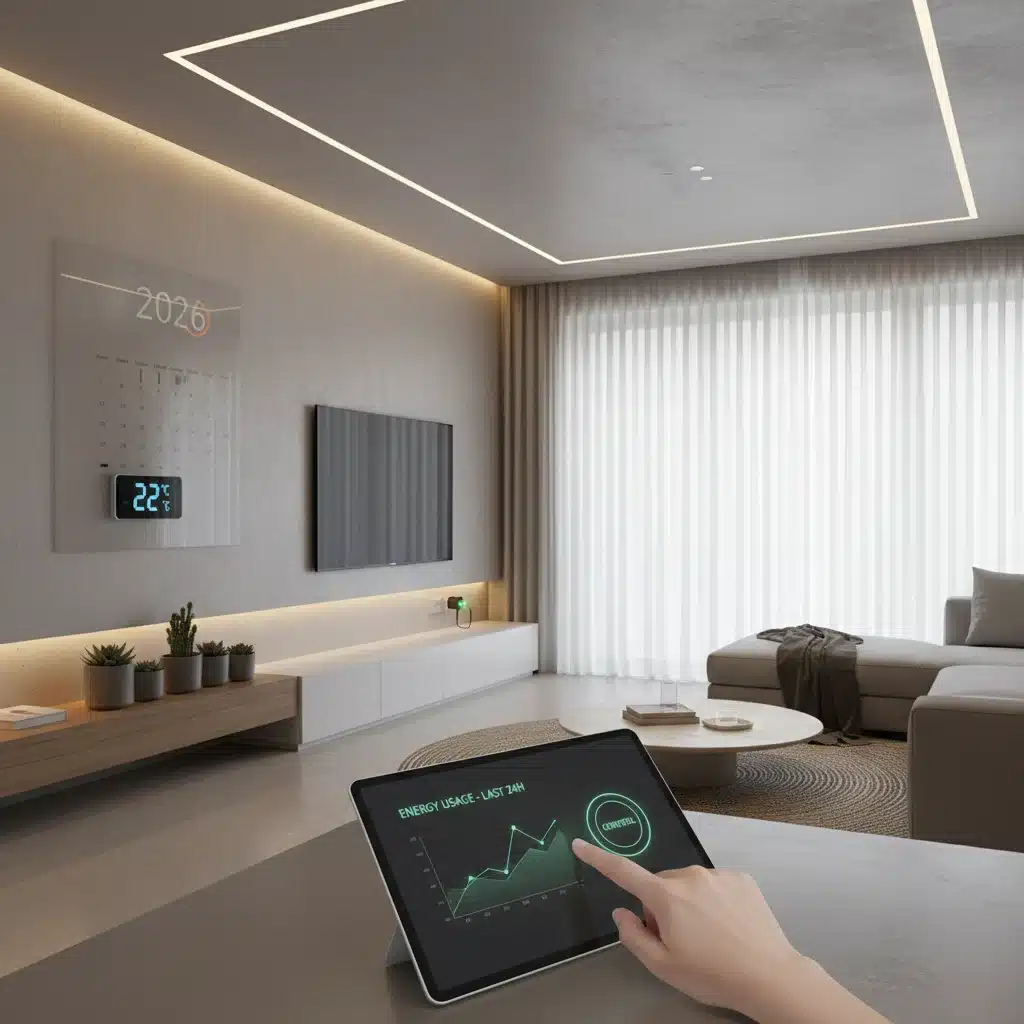
The world is constantly evolving, and with it, our homes. What was once considered futuristic is now commonplace, as smart devices integrate seamlessly into our daily lives. Beyond the convenience and enhanced lifestyle they offer, there’s a profound, often underestimated benefit: smart energy efficiency. Imagine reducing your utility bills by up to 10% by 2026, simply by making smarter choices about the technology you use. This isn’t a pipe dream; it’s a tangible goal attainable through the strategic implementation of smart devices. In this comprehensive guide, we will delve into the transformative power of smart technology in achieving significant energy savings, reducing your digital footprint, and contributing to a more sustainable future.
The Dawn of Smart Energy Efficiency: A New Era of Savings
For decades, managing home energy consumption was a largely manual process. Turning off lights, adjusting thermostats, and unplugging electronics were the primary methods. While these practices remain crucial, smart technology has introduced a new level of precision, automation, and insight into our energy usage. The concept of smart energy efficiency isn’t just about saving money; it’s about optimizing resource allocation, minimizing waste, and fostering a more environmentally conscious lifestyle. By 2026, experts predict that homes leveraging smart devices could see a cumulative reduction of 10% or more in their annual energy expenditures. This isn’t just a number; it represents real financial relief for households and a significant step towards global sustainability.
The foundation of smart energy management lies in connectivity and data. Smart devices are designed to communicate with each other and with central hubs, providing real-time information about energy consumption. This data empowers homeowners to make informed decisions, identify energy vampires, and implement automated routines that align with their lifestyle and energy-saving goals. From smart thermostats that learn your preferences to intelligent lighting systems that adjust based on natural light, the possibilities for enhancing smart energy efficiency are vast and continually expanding.
Understanding Your Digital Footprint: Why Smart Energy Efficiency Matters
Every electronic device we own contributes to our digital footprint – the sum of our online activities and the energy consumed by the devices that facilitate them. While the internet itself consumes vast amounts of energy, the devices we use daily at home are significant contributors to our overall carbon emissions. Traditional appliances and electronics often consume power even when not actively in use, a phenomenon known as ‘phantom load’ or ‘vampire drain.’ This invisible drain can account for a surprising percentage of your monthly electricity bill.
Embracing smart energy efficiency directly addresses this issue. By providing granular control and monitoring capabilities, smart devices help us identify and mitigate these energy drains. For example, smart plugs can automatically cut power to devices when they’re not in use, eliminating phantom load. Smart lighting systems ensure lights are only on when needed, and smart thermostats optimize heating and cooling based on occupancy and external conditions. This proactive approach not only saves money but also significantly reduces your household’s environmental impact, contributing to a healthier planet for future generations.
Key Smart Devices for Maximizing Smart Energy Efficiency
To achieve the ambitious goal of 10% savings by 2026, it’s essential to understand which smart devices offer the most significant impact on your energy consumption. Here’s a breakdown of the most effective tools for boosting your home energy efficiency:
1. Smart Thermostats: The Brains of Your HVAC System
Perhaps the most well-known and impactful smart device for energy savings is the smart thermostat. Devices like Nest, Ecobee, and Honeywell Home go far beyond basic programming. They learn your habits, adjust temperatures based on occupancy, integrate with weather forecasts, and even allow remote control via your smartphone. This level of intelligent automation ensures your heating and cooling systems – often the biggest energy consumers in a home – operate only when necessary, at optimal settings.
A smart thermostat can detect when you’re away from home and automatically adjust the temperature to an energy-saving mode, then pre-warm or pre-cool your home before you return. Some models even offer zoned heating and cooling, allowing you to control temperatures in individual rooms, preventing energy waste in unoccupied areas. The data provided by these devices can help you understand your HVAC usage patterns, empowering you to make further adjustments for enhanced smart energy management.
2. Smart Lighting Systems: Illuminating Savings
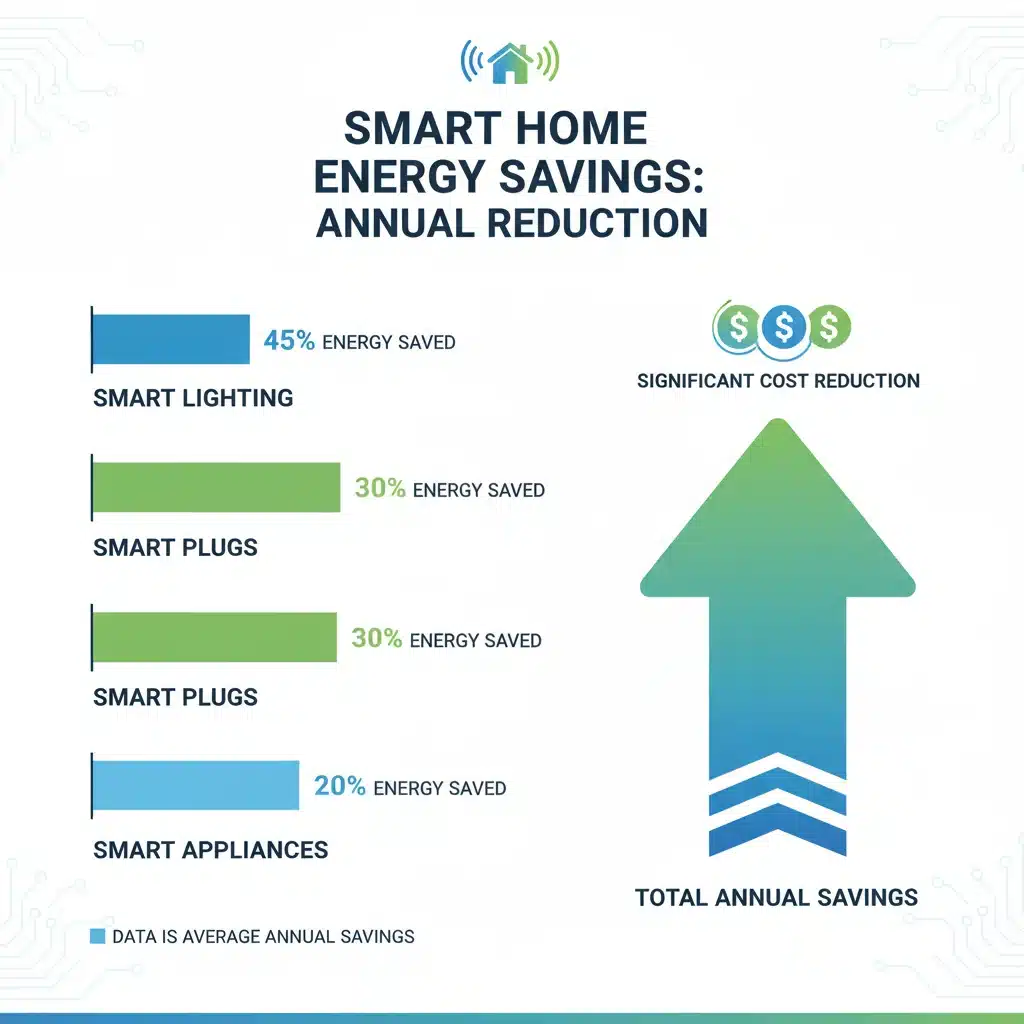
Lighting accounts for a significant portion of household electricity consumption. Smart lighting systems, featuring LED bulbs and intelligent controls, offer a multitude of ways to reduce this. Brands like Philips Hue, Lutron Caséta, and Ring Smart Lighting provide features such as:
- Dimming Capabilities: Reducing brightness saves energy.
- Scheduling: Lights turn on and off automatically based on your daily routine.
- Motion Sensors: Lights activate only when a room is occupied.
- Daylight Harvesting: Sensors detect natural light and adjust artificial lighting accordingly.
- Remote Control: Turn off lights you accidentally left on from anywhere.
Transitioning to smart LED bulbs alone can lead to substantial savings, as LEDs consume significantly less energy and have a much longer lifespan than traditional incandescent bulbs. When combined with smart controls, the potential for lighting energy efficiency is maximized, contributing directly to your smart energy efficiency goals.
3. Smart Plugs: Tackling Phantom Load
Phantom load is the silent killer of energy savings. Devices like TVs, gaming consoles, chargers, and coffee makers continue to draw power even when turned off or in standby mode. Smart plugs are simple, affordable devices that plug into existing outlets and allow you to control the power supply to any connected appliance wirelessly.
With smart plugs, you can:
- Schedule Power On/Off: Automatically cut power to devices during off-peak hours or when you’re asleep.
- Remote Power Control: Turn off forgotten devices from your smartphone.
- Monitor Energy Usage: Many smart plugs provide data on how much energy connected devices are consuming, helping you identify energy hogs and boost your smart home energy awareness.
By strategically deploying smart plugs, you can eliminate wasted standby power, making a noticeable difference in your monthly electricity bill and enhancing your overall smart energy efficiency.
4. Smart Appliances: The Next Generation of Efficiency
Refrigerators, washing machines, dishwashers, and ovens are increasingly incorporating smart technology. While these appliances often represent a larger upfront investment, their long-term energy savings can be substantial. Smart appliances can:
- Optimize Cycles: Smart washing machines and dishwashers can detect load size and soil levels to use just the right amount of water and energy.
- Off-Peak Operation: Some can be programmed to run during off-peak electricity hours when rates are lower.
- Remote Monitoring and Control: Check if the oven is off or how much time is left on a wash cycle, preventing unnecessary trips or wasted energy.
- Predictive Maintenance: Some models can alert you to potential issues that might affect efficiency before they become major problems.
Investing in energy-efficient smart appliances is a powerful step towards achieving comprehensive smart energy efficiency across your entire home.
5. Smart Blinds and Shades: Harnessing Natural Resources
While often overlooked, smart blinds and shades can play a crucial role in regulating indoor temperatures. By integrating with smart home systems, they can automatically adjust based on sunlight, time of day, or indoor temperature. In summer, they can close during peak sun hours to block heat, reducing the need for air conditioning. In winter, they can open to let in natural light and warmth, minimizing heating requirements. This passive approach to climate control is an excellent example of how holistic home automation for energy efficiency can lead to significant savings.
Implementing Smart Energy Efficiency: A Step-by-Step Guide for 2026
Achieving a 10% reduction in utility bills by 2026 through smart energy efficiency requires a thoughtful approach. Here’s how to get started:
Step 1: Assess Your Current Energy Usage
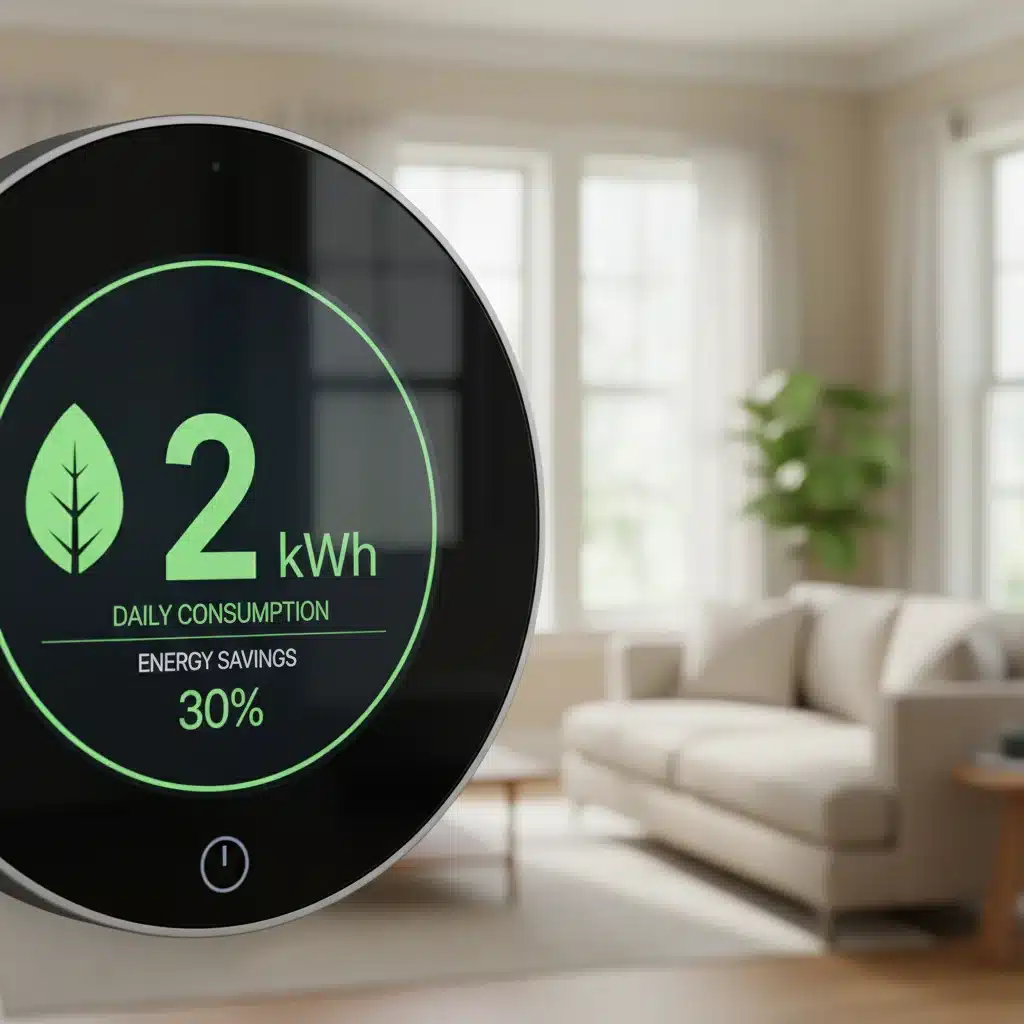
Before you can optimize, you need to understand. Review your past utility bills to identify patterns and peak usage times. Consider investing in a whole-home energy monitor (some smart home hubs offer this functionality) to get real-time data on your electricity consumption. This baseline will be crucial for measuring your progress towards energy bill reduction.
Step 2: Prioritize High-Impact Devices
Start with the devices that offer the biggest bang for your buck. As discussed, smart thermostats and lighting systems often provide the most immediate and significant savings. Replacing old, inefficient bulbs with smart LEDs is a quick win. Then, identify appliances with significant phantom loads and equip them with smart plugs. This targeted approach ensures you see tangible results early on, motivating further investment in smart home efficiency.
Step 3: Build a Connected Ecosystem
The true power of smart energy efficiency comes from interconnected devices. Choose a smart home platform (e.g., Apple HomeKit, Google Home, Amazon Alexa, Samsung SmartThings) and select devices that are compatible with it. This allows for seamless automation and centralized control. For example, your smart thermostat could communicate with your smart blinds to optimize temperature control, or your motion sensors could trigger smart lights.
Step 4: Automate and Schedule
Once your devices are installed, dive into automation. Set schedules for lighting, heating, and cooling based on your daily routines. Create ‘scenes’ for different activities (e.g., ‘Away’ scene turns off all lights, adjusts thermostat, and cuts power to entertainment systems). Leverage geofencing capabilities so your home can react to your arrival and departure. The more you automate, the less you’ll have to think about energy management, making automated energy savings effortless.
Step 5: Monitor and Adjust
Smart energy efficiency isn’t a one-time setup; it’s an ongoing process. Regularly review the energy consumption data provided by your smart devices and apps. Look for anomalies, identify areas for further improvement, and adjust your schedules and automations as your lifestyle changes. Continuous monitoring is key to sustaining and even exceeding your 10% savings goal by 2026.
Beyond Savings: The Broader Benefits of Smart Energy Efficiency
While financial savings are a powerful motivator, the advantages of embracing smart energy efficiency extend far beyond your wallet. These benefits contribute to a higher quality of life and a more sustainable future:
1. Enhanced Comfort and Convenience
Smart devices don’t just save energy; they make your home more comfortable. Imagine returning to a perfectly pre-heated or pre-cooled home, or having lights automatically adjust to your presence. The convenience of controlling your home’s environment from anywhere, or having it respond intelligently to your needs, significantly improves daily living. This seamless integration of technology enhances your overall smart home experience.
2. Increased Home Value
Homes equipped with smart energy-efficient technologies are becoming increasingly attractive to buyers. As energy costs rise and environmental concerns grow, a home that is already optimized for sustainable living and lower utility bills holds a distinct advantage in the real estate market. Investing in smart devices can therefore be seen as an investment in your property’s future value.
3. Environmental Stewardship
Every kilowatt-hour saved contributes to a reduction in carbon emissions. By actively pursuing smart energy efficiency, you are playing a direct role in combating climate change and reducing your environmental footprint. This commitment to sustainability is not just good for the planet; it fosters a sense of responsibility and contributes to a healthier community.
4. Grid Stability and Resilience
When many homes adopt smart energy efficiency practices, the collective impact on the electrical grid is substantial. Reduced peak demand lessens the strain on power plants and infrastructure, leading to a more stable and resilient energy supply. Some utility companies even offer incentives for smart device users to participate in demand-response programs, further contributing to grid optimization and rewarding your energy conservation efforts.
Overcoming Challenges in Your Smart Energy Efficiency Journey
While the path to smart energy efficiency is paved with benefits, there can be challenges. Being aware of them allows you to plan effectively:
1. Initial Investment Cost
Smart devices, especially major appliances, can have a higher upfront cost than their traditional counterparts. However, it’s crucial to view this as an investment that will yield returns through energy savings over time. Many regions also offer rebates or tax credits for energy-efficient upgrades, which can help offset the initial expense. Focus on the long-term ROI when considering your smart device investment.
2. Connectivity and Compatibility Issues
A smart home relies on a robust Wi-Fi network. Ensure your router can handle multiple connected devices and that your chosen devices are compatible with each other and your smart home platform. Researching interoperability before purchasing is key to a smooth setup and reliable smart home connectivity.
3. Data Privacy Concerns
Smart devices collect data about your habits and home environment. It’s important to choose reputable brands with strong privacy policies and to understand how your data is being used. Regularly review privacy settings and use strong, unique passwords for all your smart home accounts to ensure the security of your personal data.
4. Learning Curve
While many smart devices are designed for ease of use, there can be a learning curve in setting up complex automations or understanding advanced features. Be patient, utilize online tutorials, and don’t hesitate to contact customer support if you encounter difficulties. The effort invested in mastering your smart home system will pay off in enhanced control and savings.
The Future of Smart Energy Efficiency: Beyond 2026
The journey towards smart energy efficiency doesn’t end in 2026; it’s an ongoing evolution. As technology advances, we can expect even more sophisticated solutions:
- AI-Powered Optimization: Future smart homes will leverage artificial intelligence more extensively to predict energy needs with even greater accuracy, anticipating your routines and external factors to optimize consumption proactively.
- Seamless Integration with Renewables: Smart homes will integrate even more tightly with solar panels, home battery storage, and electric vehicle charging, creating self-sufficient, energy-generating ecosystems.
- Hyper-Personalized Environments: Expect devices that not only learn your preferences but adapt to your mood, health metrics, and even specific activities, tailoring the environment for optimal comfort and minimal energy use.
- Predictive Maintenance and Diagnostics: Appliances will become even smarter, not just alerting you to issues but potentially self-diagnosing and ordering replacement parts or scheduling service before a complete breakdown affects efficiency.
- Community-Level Energy Sharing: Imagine homes sharing excess energy with neighbors or the grid, creating micro-grids that enhance overall energy resilience and efficiency on a larger scale.
These innovations will further solidify the role of smart devices in creating homes that are not only comfortable and convenient but also incredibly efficient and sustainable. The 10% savings by 2026 is just the beginning.
Conclusion: Embrace Smart Energy Efficiency Today
The opportunity to reduce your utility bills by up to 10% by 2026 through smart energy efficiency is not just a possibility; it’s a practical and achievable goal. By strategically adopting smart thermostats, lighting, plugs, and appliances, you can gain unprecedented control over your home’s energy consumption, minimize your digital footprint, and contribute to a more sustainable future. The initial investment is quickly recouped through ongoing savings, and the added comfort, convenience, and environmental benefits are priceless.
Don’t wait to make the switch. Start your journey towards a smarter, more energy-efficient home today. Research the devices that best fit your needs, plan your integration, and begin enjoying the financial and environmental rewards. The future of sustainable living is here, powered by smart energy efficiency.
Resources for Further Reading:
- ENERGY STAR Program
- Energy Saver – Department of Energy
- Smart Home Technology Guides