Augmented Reality in Everyday Life: A 2026 Comparison of Consumer AR Applications and Their Practical Benefits
Augmented Reality in Everyday Life: A 2026 Comparison of Consumer AR Applications and Their Practical Benefits
The year is 2026, and the digital landscape has been irrevocably transformed by the pervasive yet subtle integration of augmented reality (AR). What once seemed like a futuristic dream confined to science fiction films is now an indispensable part of our daily routines, enhancing how we interact with the world, consume information, and even perform mundane tasks. This article delves into the fascinating realm of consumer AR applications, examining their practical benefits and how they have woven themselves into the fabric of everyday life by 2026.
Augmented reality, at its core, overlays digital information onto our real-world view. Unlike virtual reality, which completely immerses us in a simulated environment, AR enhances our existing reality. By 2026, this enhancement is no longer a novelty but a utility, delivered through sleek AR glasses, advanced smartphone apps, and even integrated into smart home devices. The evolution of consumer AR applications has been rapid, driven by advancements in hardware, AI, and connectivity, making these technologies more accessible and intuitive than ever before.
The Ubiquitous Nature of Consumer AR in 2026
In 2026, it’s hard to imagine a facet of daily life untouched by augmented reality. From the moment we wake up to the time we go to sleep, consumer AR applications are at play, making tasks simpler, experiences richer, and interactions more meaningful. The widespread adoption of AR has been fueled by its inherent ability to provide context-aware information, bridging the gap between the physical and digital worlds in a way that feels natural and non-intrusive.
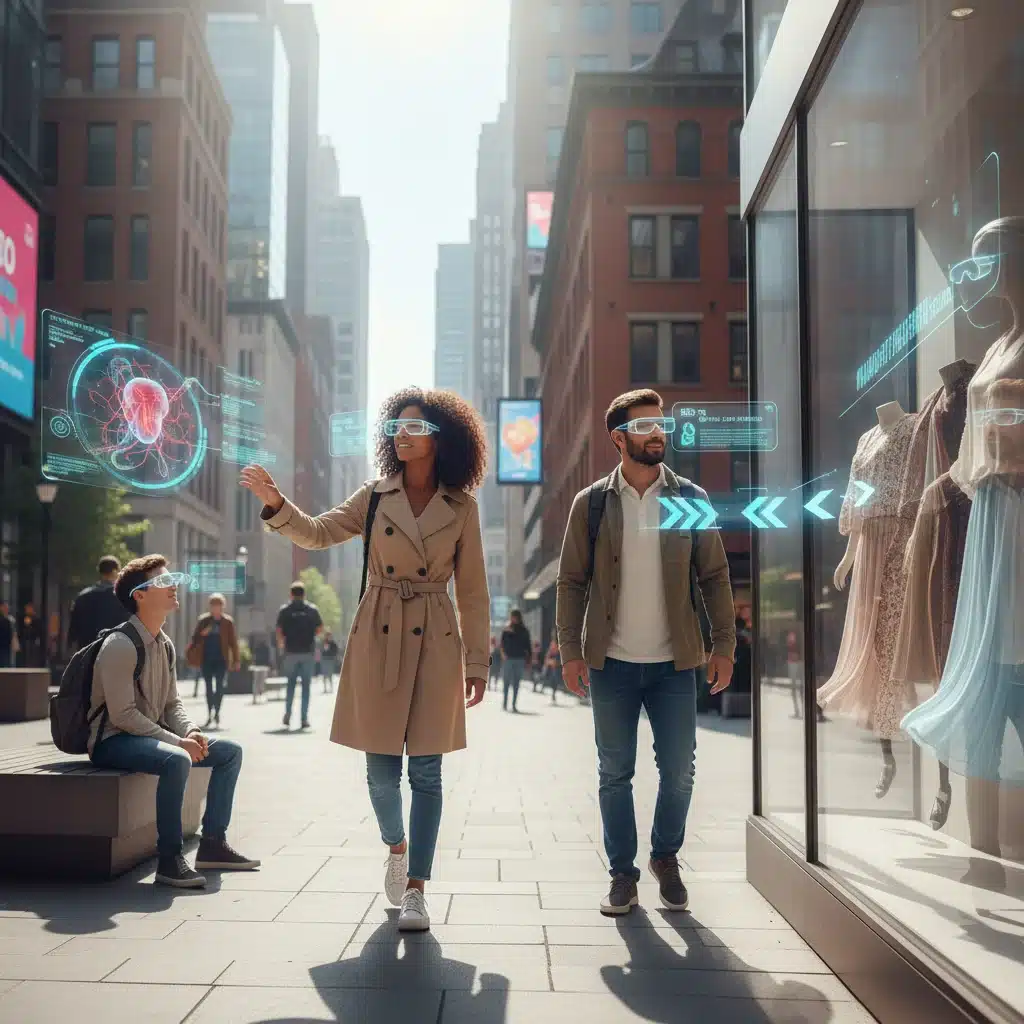
Consider the morning commute. Instead of fumbling with a smartphone for directions, AR-enabled glasses display holographic arrows and street names directly in your line of sight, seamlessly guiding you to your destination. Public transport schedules appear as floating information panels at bus stops, updating in real-time. This hands-free, heads-up display paradigm is just one example of how consumer AR applications have streamlined navigation and information access.
The home environment has also been significantly upgraded. Smart mirrors offer virtual try-ons for clothes, suggest outfit combinations based on your schedule, and even provide personalized fitness routines with overlaid virtual instructors. Kitchen appliances, equipped with AR, can project recipes onto your countertop, guiding you step-by-step through complex dishes, or identify ingredients and suggest complementary items. These integrations are not about replacing physical objects but augmenting their utility and our interaction with them.
The practical benefits extend beyond mere convenience. In terms of accessibility, AR has opened new avenues for individuals with disabilities. Visual overlays can assist the visually impaired in navigating unfamiliar environments, while real-time captioning in AR glasses can aid the hearing impaired in social interactions. The inclusive potential of consumer AR applications is vast and continues to expand.
Revolutionizing Retail and Shopping Experiences
One of the most impactful areas for consumer AR applications in 2026 is retail. The traditional shopping experience has undergone a radical transformation, blending the convenience of online shopping with the immersive nature of in-store browsing. Shoppers can now virtually try on clothes, preview furniture in their homes, and even test drive cars from their living rooms.
Imagine walking into a clothing store. Instead of grabbing multiple sizes and heading to a changing room, you simply stand in front of an AR mirror. The mirror, equipped with advanced body scanning technology, allows you to virtually try on any garment in the store’s inventory, seeing how it fits and drapes on your actual body in real-time. You can change colors, patterns, and even request recommendations based on your personal style and past purchases. This not only saves time but also reduces the environmental impact of returns, a significant practical benefit.
For home furnishings, the frustration of guessing if a sofa will fit or match your decor is a thing of the past. Using AR apps on smartphones or tablets, or even directly through AR glasses, consumers can place 3D models of furniture, appliances, and decor items into their actual living spaces. These models are rendered with impressive realism, taking into account lighting, shadows, and spatial dimensions. This capability, a cornerstone of modern consumer AR applications in retail, empowers consumers to make informed purchasing decisions with confidence, minimizing buyer’s remorse and the logistical headaches of returns.
Beyond individual purchases, AR also enhances the overall shopping environment. In supermarkets, AR overlays can highlight nutritional information, flag allergens, or guide shoppers to specific items based on their shopping list. Product reviews and ratings can appear as floating tags next to items on shelves, providing instant, context-rich information. This level of transparency and personalized assistance was unimaginable just a few years ago, showcasing the profound practical benefits of advanced consumer AR applications.
Transforming Education and Learning
Education is another sector profoundly impacted by consumer AR applications. Traditional learning methods are being supplemented and, in many cases, revolutionized by immersive and interactive AR experiences. By 2026, AR is not just a supplementary tool but an integral part of curricula, making learning more engaging, accessible, and effective for students of all ages.
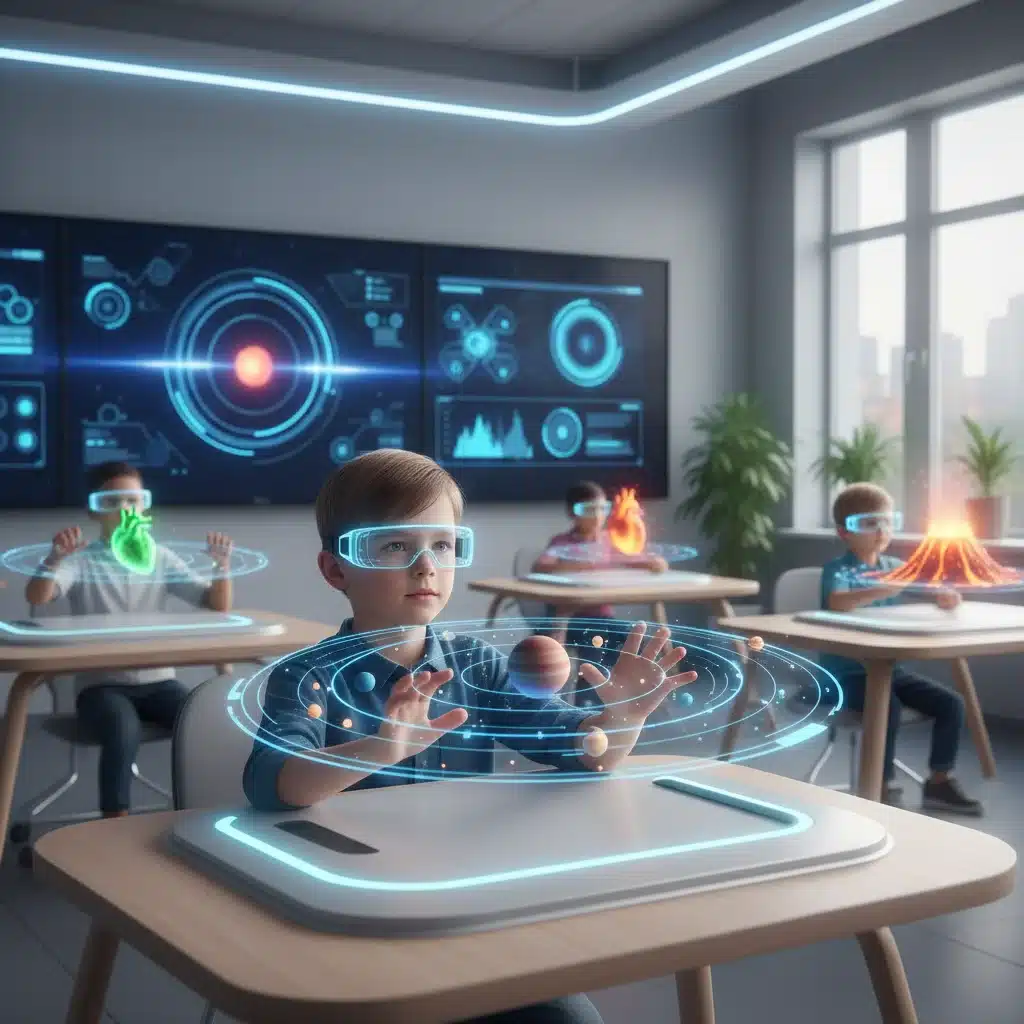
In classrooms, AR brings textbooks to life. Imagine a biology lesson where students can dissect a virtual frog projected onto their desk, examining organs and systems in 3D without any ethical concerns or messy clean-up. History classes can transport students to ancient civilizations, allowing them to walk through Roman forums or witness historical events unfold before their eyes. These immersive experiences foster a deeper understanding and retention of complex concepts, moving beyond rote memorization to experiential learning.
For remote learning, consumer AR applications have been a game-changer. Students can collaborate on virtual projects, share holographic models, and attend lectures where the instructor appears as a lifelike avatar, interacting with 3D content in real-time. This mitigates some of the isolation often associated with online education, creating a more connected and engaging learning environment. The practical benefits here are immense, providing equitable access to high-quality education regardless of geographical location.
Beyond formal education, AR has democratized skill acquisition. DIY enthusiasts can receive step-by-step holographic instructions for home repairs or complex assembly tasks. Aspiring artists can learn new techniques by tracing virtual guides overlaid onto their canvases. Medical students can practice complex surgeries on realistic AR models. The ‘learn by doing’ paradigm is significantly enhanced, offering personalized and immediate feedback, which accelerates the learning curve and builds confidence. This makes continued learning and personal development more accessible through diverse consumer AR applications.
Enhancing Entertainment and Gaming
While the practical benefits of AR are broad, its roots in entertainment and gaming have continued to flourish, reaching new heights by 2026. Gone are the days of simple AR filters; current consumer AR applications in entertainment offer deeply immersive and interactive experiences that blend digital narratives with the physical world.
Mobile AR gaming has evolved into sophisticated experiences where your living room can become a battlefield, a puzzle room, or an alien landscape. Players interact with virtual characters and objects that respond to their physical environment, creating a sense of presence and immersion previously reserved for high-end VR setups. Multiplayer AR games allow friends to share the same augmented space, collaborating or competing in a shared digital overlay of their physical surroundings.
Live events have also been transformed. Concerts and sporting events now incorporate AR overlays that provide real-time statistics, player profiles, or enhanced visual effects that dance above the stage or field. Imagine watching a football match where the trajectory of the ball and player stats are projected live onto the field, visible through your AR glasses. This adds a layer of rich, contextual information that enhances the spectator experience dramatically, making consumer AR applications essential for modern entertainment.
Even daily entertainment, like watching movies or TV, benefits from AR. While not a direct AR application in the same vein as gaming, AR-enabled smart home systems can create immersive viewing experiences by dynamically adjusting lighting and sound to match the on-screen action, or even projecting ambient visual effects onto walls. This subtle but effective use of AR technology blurs the lines between passive consumption and active engagement, offering a richer entertainment experience.
Practical Benefits in Health and Wellness
The health and wellness sector has embraced consumer AR applications with enthusiasm, offering personalized tools for fitness, mental well-being, and even basic medical assistance. The ability to overlay contextual information onto the real world has proven invaluable in promoting healthier lifestyles and providing immediate support.
Fitness tracking has moved beyond wristbands. AR glasses can project real-time performance metrics during a run or workout, showing your pace, heart rate, and caloric burn directly in your field of view without needing to glance at a separate device. Virtual personal trainers can appear as holograms, demonstrating exercises with perfect form and providing real-time feedback on your movements, ensuring proper technique and preventing injuries. This makes personalized fitness guidance accessible to everyone, a significant practical benefit of consumer AR applications.
Mental wellness apps leveraging AR provide calming visual experiences, guided meditations with immersive soundscapes, and even interactive exercises designed to reduce stress and anxiety. Imagine a tranquil forest appearing in your living room, complete with ambient sounds, helping you unwind after a stressful day. These immersive environments can provide a much-needed escape and aid in mindfulness practices.
For basic health monitoring, AR can assist. Smart mirrors can analyze skin conditions, track changes in appearance, and offer personalized skincare recommendations. First-aid applications can guide users through emergency procedures with visual instructions overlaid onto the injured area, providing crucial assistance until professional help arrives. These preventative and responsive health consumer AR applications empower individuals to take a more proactive role in their well-being.
The Evolution of AR Hardware and User Experience
The widespread adoption of consumer AR applications by 2026 is inextricably linked to the significant advancements in AR hardware and the refinement of user experience (UX). Early AR devices were often bulky, expensive, and had limited battery life, hindering mainstream appeal. However, years of innovation have led to sleek, lightweight, and powerful AR glasses that are as comfortable to wear as traditional eyewear.
Key to this evolution has been the miniaturization of components, increased processing power, and efficient battery technology. Display technology has also made leaps, offering wider fields of view, higher resolutions, and improved brightness, making AR overlays more convincing and less fatiguing for the eyes. Furthermore, advancements in spatial computing and simultaneous localization and mapping (SLAM) algorithms allow AR devices to accurately map and understand the user’s physical environment in real-time, enabling more stable and interactive digital content.
The user interface for consumer AR applications has also become incredibly intuitive. Voice commands, gesture controls (both hand and eye-tracking), and seamless integration with existing smart devices mean that interacting with AR feels natural and effortless. The learning curve has been drastically reduced, making AR accessible to a broader demographic, from tech-savvy early adopters to everyday users who simply want to enhance their lives.
Privacy and data security, initially significant concerns, have been addressed through robust encryption, clear user permissions, and ethical design principles. Users have greater control over their data and who can access their augmented view of the world. This focus on user trust has been crucial in fostering widespread acceptance and making consumer AR applications a trusted part of daily life.
Challenges and Future Outlook for Consumer AR
Despite the remarkable progress and widespread adoption of consumer AR applications by 2026, challenges still exist, and the technology continues to evolve. One ongoing challenge is the need for even more seamless integration with diverse environments and lighting conditions. While current AR is impressive, perfect occlusion (where digital objects realistically hide behind physical ones) and consistent performance in all outdoor conditions remain areas for further refinement.
Another aspect is the development of a truly universal AR operating system or platform. While major tech companies offer their ecosystems, a more interoperable standard could further accelerate innovation and expand the reach of consumer AR applications. The content ecosystem also needs to continue to grow, with more developers creating compelling and useful AR experiences across all sectors.
Looking ahead, the future of consumer AR applications is incredibly bright. We can anticipate even more sophisticated AI integration, allowing AR to anticipate user needs and provide proactive assistance. Haptic feedback in AR gloves or wearables could add a new dimension of realism, allowing users to ‘feel’ virtual objects. Brain-computer interfaces, while still nascent, could eventually offer even more intuitive control over AR experiences.
The convergence of AR with other emerging technologies like 5G, AI, and the Internet of Things (IoT) will unlock new possibilities. Imagine your AR glasses communicating with your smart home devices to provide context-aware information about energy consumption, or your smart car projecting navigation directly onto the road ahead. The potential for truly intelligent and responsive augmented environments is immense, promising an even more integrated and enhanced daily life.
Conclusion: The Pervasive and Practical Benefits of Consumer AR
By 2026, augmented reality has transcended its novelty status to become an indispensable tool in our daily lives. The proliferation of powerful and intuitive consumer AR applications has brought about a paradigm shift in how we interact with information, engage with our surroundings, and conduct our daily routines. From revolutionizing shopping and education to enhancing entertainment and promoting health, the practical benefits are undeniable and far-reaching.
The journey of AR from niche technology to mainstream utility has been swift, driven by continuous innovation in hardware, software, and user experience design. As we look to the future, the integration of AR with other advanced technologies promises an even more seamless, intelligent, and enriching augmented reality experience. The world of 2026 is a testament to the power of augmented reality to not just augment our vision, but to genuinely augment our lives, making them more efficient, informed, and enjoyable. The era of truly practical and pervasive consumer AR applications is not just here; it’s thriving and continually evolving, shaping the very fabric of our existence.