Social Fragmentation: Economic Impact on Local Commerce by 2026

In an increasingly interconnected yet paradoxically divided world, the concept of social fragmentation has emerged as a critical concern, extending its reach far beyond sociological discourse to touch the very foundations of our economic well-being. This comprehensive analysis will delve into the intricate relationship between social fragmentation and its economic repercussions, particularly on local commerce. We will explore the alarming projection of a 15% decline in local commerce by 2026 if current trends of social division persist, dissecting the underlying mechanisms, identifying key indicators, and proposing strategic interventions to mitigate this impending crisis.
The term ‘social fragmentation’ refers to the breakdown of social bonds, trust, and shared values within a community or society. It manifests in various forms, including political polarization, economic inequality, cultural divides, and the erosion of civic engagement. While the human cost of such divisions is immeasurable, their economic impact, particularly on the vibrant ecosystem of local businesses, is often underestimated. Local businesses, from family-owned shops to independent service providers, are the lifeblood of communities, fostering local employment, circulating wealth, and contributing to the unique character of a place. When social cohesion weakens, so too does the economic fabric that supports these essential enterprises.
Understanding Social Fragmentation’s Roots: A Multifaceted Phenomenon
To grasp the economic implications of social fragmentation, we must first understand its multifaceted origins. Several factors contribute to the erosion of social cohesion, each with its own set of economic consequences.
The Digital Divide and Echo Chambers
The rise of digital technology, while offering unprecedented connectivity, has also inadvertently contributed to social fragmentation. The ‘digital divide’ refers to the gap between those who have access to information and communication technologies and those who do not. This disparity can exacerbate existing inequalities, limiting access to online marketplaces, digital skills, and vital information for certain segments of the population. Furthermore, social media platforms, while designed to connect, often create ‘echo chambers’ where individuals are primarily exposed to information and opinions that confirm their existing beliefs. This can lead to increased polarization, reduced empathy, and a diminished capacity for constructive dialogue, all of which chip away at the collective spirit necessary for a thriving local economy.
Economic Inequality and Disparity
Perhaps one of the most potent drivers of social fragmentation is economic inequality. When wealth and opportunities are concentrated in the hands of a few, it can lead to resentment, distrust, and a sense of disenfranchisement among those who are left behind. This disparity can manifest in various ways, such as the decline of middle-class neighborhoods, the proliferation of ‘food deserts’ in low-income areas, and a lack of investment in public infrastructure. Such conditions directly impact local commerce by reducing purchasing power, limiting access to essential goods and services, and discouraging entrepreneurial activity within marginalized communities.
Political Polarization and Lack of Trust
In many societies, political polarization has reached unprecedented levels. This division often extends beyond policy disagreements to fundamental differences in values and worldviews. When political discourse becomes acrimonious and trust in institutions erodes, it can lead to a withdrawal from civic engagement and a reluctance to collaborate on community-wide initiatives. This lack of collective action directly harms local commerce, as businesses often rely on a stable political environment, supportive local policies, and a sense of shared purpose to thrive.
Demographic Shifts and Cultural Divides
Rapid demographic shifts, while often enriching, can also create friction if not managed inclusively. Differences in language, customs, and social norms can sometimes lead to misunderstandings and a sense of ‘otherness,’ hindering the formation of strong community bonds. While diversity is a strength, unchecked cultural divides can contribute to social fragmentation, impacting local commerce by creating segregated markets, limiting cross-cultural exchange, and sometimes even leading to a decline in patronage for businesses perceived as ‘outsiders.’
The Economic Impact: A 15% Decline in Local Commerce by 2026?
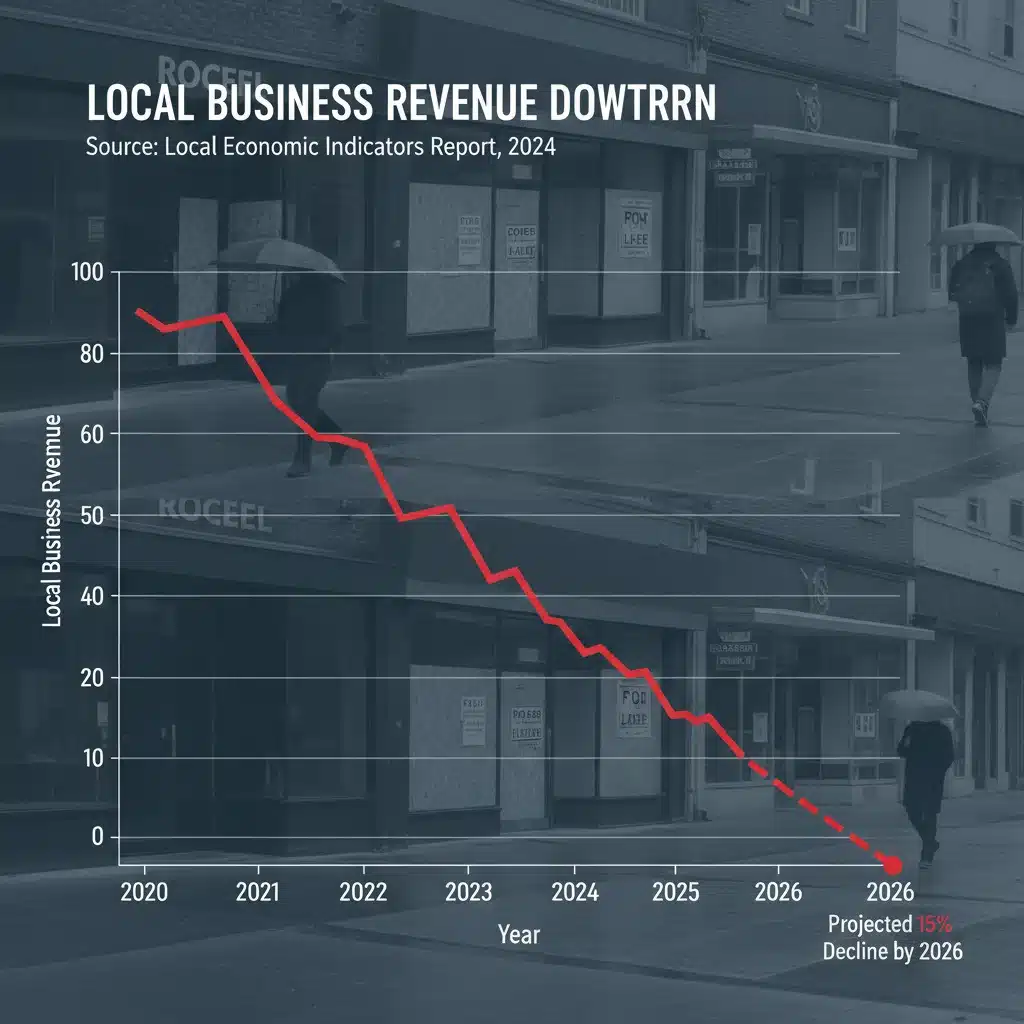
The confluence of these factors paints a stark picture for the future of local commerce. Our projection of a 15% decline in local commerce by 2026 is not an arbitrary figure but a calculated estimate based on existing trends and the amplifying effects of social fragmentation. This decline would manifest in several critical ways:
Reduced Consumer Spending and Foot Traffic
When communities are fragmented, individuals are less likely to frequent local businesses. A decline in social trust can lead to a preference for larger, more anonymous online retailers or big-box stores. Furthermore, if people feel less connected to their neighbors, they may be less inclined to participate in local events or support community-driven initiatives that often drive foot traffic to local establishments. Economic inequality further exacerbates this by reducing the disposable income available for discretionary spending at local shops.
Decline in Local Investment and Entrepreneurship
Social fragmentation creates an unstable environment that deters both internal and external investment. Entrepreneurs are less likely to start new businesses in areas perceived as divided or lacking in social capital. Existing businesses may struggle to attract and retain talent if the community lacks a sense of cohesion or offers limited social infrastructure. This leads to a vicious cycle where a lack of investment further weakens the local economy, accelerating the decline in commerce.
Erosion of Social Capital and Collaborative Networks
Social capital, defined as the networks of relationships among people who live and work in a particular society, enabling that society to function effectively, is crucial for local commerce. It facilitates informal business referrals, fosters collaborative marketing efforts, and provides a safety net for entrepreneurs. When social fragmentation erodes social capital, these vital networks break down, leaving businesses isolated and struggling to compete.
Increased Operational Costs for Businesses
In fragmented communities, businesses may face increased operational costs. For instance, a lack of community engagement can lead to higher crime rates, necessitating increased security measures. A decline in public services due to reduced civic participation can also burden businesses with responsibilities that would typically fall to the local government. These added costs can squeeze profit margins and make it challenging for local businesses to remain viable.
Case Studies and Real-World Examples
While the 15% decline is a projection, the early warning signs are already visible in various communities worldwide. For example, towns experiencing significant out-migration of younger generations due to a lack of opportunities often see a rapid decline in local businesses. Similarly, areas with deep political divides have reported difficulties in passing local initiatives that would benefit commerce, such as infrastructure improvements or zoning reforms. The rise of online retail, while a separate phenomenon, is amplified by social fragmentation, as it offers an alternative to engaging with a local community that may feel disunited.
Mitigating the Decline: Strategies for Community Resilience
Reversing the trend of social fragmentation and its economic impact requires a concerted effort from individuals, businesses, and local governments. Here are some strategies:
Fostering Community Engagement and Dialogue
Creating opportunities for diverse groups to interact and engage in constructive dialogue is paramount. This can include community forums, local festivals, shared public spaces, and volunteer initiatives. Businesses can play a role by sponsoring local events, hosting community gatherings, and actively participating in local chambers of commerce. The goal is to rebuild trust and create shared experiences that transcend existing divides.
Supporting Local Businesses and Entrepreneurs
Direct support for local businesses is crucial. This involves ‘buy local’ campaigns, providing micro-loans and mentorship to aspiring entrepreneurs, and creating business incubators that foster innovation. Local governments can offer incentives for businesses to set up shop in underserved areas and streamline regulatory processes to reduce barriers to entry. Policies that promote fair competition against large corporations are also vital.
Bridging the Digital Divide
Ensuring equitable access to technology and digital literacy programs is essential. This can involve providing affordable internet access, offering free digital skills training, and supporting public libraries and community centers as digital hubs. Bridging the digital divide not only empowers individuals but also opens up new avenues for local businesses to reach customers and operate more efficiently.
Promoting Inclusive Economic Development
Economic development strategies must be inclusive, ensuring that all segments of the community benefit from growth. This means investing in education and job training programs that cater to diverse skill sets, promoting fair wage policies, and addressing systemic inequalities that limit access to economic opportunities. When economic prosperity is shared, it strengthens social cohesion and creates a more stable environment for local commerce.
Strengthening Civic Infrastructure
Rebuilding trust in local institutions and promoting active civic participation is fundamental. This can involve transparent governance, accessible public services, and opportunities for citizens to have a meaningful say in local decision-making. A strong civic infrastructure provides the framework for collective action and problem-solving, which are essential for addressing the challenges posed by social fragmentation.
The Role of Technology in Rebuilding Communities
While technology has contributed to fragmentation, it also holds immense potential for rebuilding communities. Local social networks, community-focused apps, and platforms that facilitate local exchange and collaboration can be powerful tools. For example, platforms that connect local producers directly with consumers, or apps that organize community volunteer efforts, can help foster a sense of belonging and shared purpose. The key is to design and utilize technology in a way that prioritizes human connection and local interaction, rather than passive consumption.
Data-Driven Community Building
Leveraging data can help identify areas of social fragmentation and target interventions more effectively. By analyzing local demographics, economic indicators, and social media trends, communities can gain insights into where divides are most pronounced and tailor programs to address specific needs. This data-driven approach allows for more efficient allocation of resources and a greater likelihood of success in fostering cohesion.
Educating for Empathy and Critical Thinking
Education plays a crucial role in countering the effects of social fragmentation. Curricula that promote empathy, critical thinking, and media literacy can equip individuals with the tools to navigate complex social landscapes, challenge misinformation, and engage respectfully with diverse perspectives. These skills are vital for building a resilient community that can withstand divisive forces and support a thriving local economy.
The Long-Term Vision: A Cohesive and Prosperous Future
The projection of a 15% decline in local commerce by 2026 due to social fragmentation is a wake-up call. It underscores the urgent need to address the underlying causes of societal division and invest in strategies that foster community cohesion. While the challenges are significant, the potential rewards of a more united and resilient society are even greater. A strong local economy, fueled by vibrant local businesses, is not just about financial prosperity; it’s about creating places where people feel connected, supported, and empowered to build a better future together.
By actively working to bridge divides, support local enterprises, and cultivate a sense of shared purpose, we can not only avert the projected economic decline but also lay the groundwork for a more equitable, sustainable, and flourishing society. The future of local commerce, and indeed our communities, hinges on our collective ability to overcome social fragmentation and embrace the power of unity.

Conclusion: Rebuilding Bonds, Revitalizing Economies
The looming threat of a 15% decline in local commerce by 2026, driven by the insidious forces of social fragmentation, demands our immediate attention. This is not merely an economic forecast but a profound societal challenge that impacts every aspect of community life. From political polarization and economic inequality to the digital divide and cultural schisms, the factors contributing to social fragmentation are complex and deeply entrenched. However, understanding these roots is the first step towards crafting effective solutions.
The economic consequences are clear: reduced consumer spending, a decline in local investment, the erosion of vital social capital, and increased operational costs for businesses. These aren’t abstract concepts; they translate into empty storefronts, lost jobs, and a diminished quality of life for residents. The very fabric of local economies, which thrive on trust, interaction, and shared purpose, is at risk.
Yet, the narrative does not have to end in decline. By consciously fostering community engagement, supporting local businesses, bridging technological gaps, and promoting inclusive development, we can begin to mend the fractures within our societies. The strategic implementation of community-building initiatives, coupled with innovative uses of technology and a commitment to education, can empower communities to resist divisive forces and cultivate a robust, interconnected local economy. It requires a collective will – from policymakers and business leaders to individual citizens – to prioritize cohesion over division.
The vision for 2026 and beyond should be one where local commerce flourishes not despite social differences, but because of a renewed commitment to social unity. By investing in our social infrastructure as diligently as we do our physical infrastructure, we can build resilient communities where local businesses are not just economic engines but also vibrant hubs of social interaction and shared identity. The choice is ours: to allow fragmentation to deepen and economies to suffer, or to actively work towards a future where strong social bonds underpin strong local economies. The time for action is now.