Future Digital Entertainment: Innovations 2026
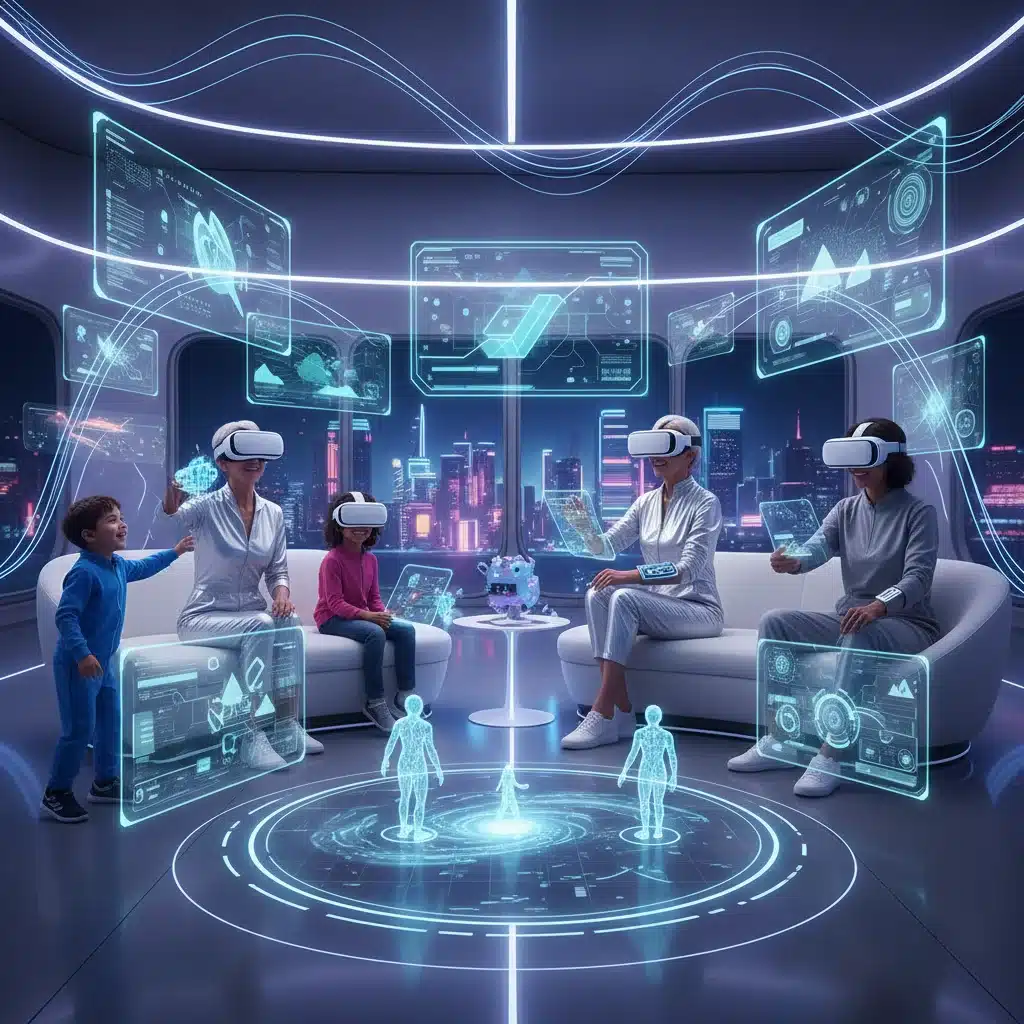
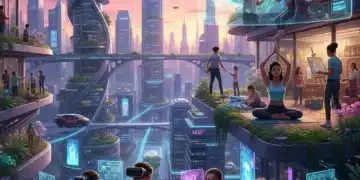
The landscape of leisure and recreation is undergoing a profound transformation, driven by relentless technological innovation. As we hurtle towards late 2026, the way we consume content, interact with media, and experience entertainment is poised for a revolutionary overhaul. The phrase digital entertainment future is more than just a buzzword; it represents a convergence of cutting-edge technologies that promise to deliver unprecedented levels of immersion, personalization, and interactivity. This article delves into five key innovations that are not merely enhancements but fundamental shifts, destined to redefine your leisure time and reshape the very fabric of how we play, learn, and connect in the digital realm.
For decades, digital entertainment has evolved from simple pixelated games to high-definition streaming and complex virtual worlds. However, the next few years promise an acceleration unlike anything we’ve seen before. We’re moving beyond passive consumption into an era of active participation, where boundaries between the real and virtual blur, and experiences are tailored to our individual preferences with astonishing precision. This isn’t just about better graphics or faster internet; it’s about entirely new paradigms of engagement. The digital entertainment future will be characterized by experiences that are not only visually and audibly compelling but also tactile, emotionally resonant, and deeply personal.
The rapid advancements in computing power, artificial intelligence, sensor technology, and connectivity are coalescing to create fertile ground for these innovations. From ultra-realistic virtual worlds that trick our senses into believing they are real, to content that adapts in real-time to our moods and preferences, the possibilities are vast and exhilarating. Understanding these impending changes is crucial not just for consumers eager to embrace the next big thing, but also for creators, developers, and businesses aiming to navigate and thrive in this evolving ecosystem. Let’s explore the forefront of this revolution.
1. Hyper-Realistic Virtual and Augmented Reality (XR) Experiences
The promise of virtual reality (VR) and augmented reality (AR), collectively known as Extended Reality (XR), has been a topic of discussion for years. However, by late 2026, we will witness a significant leap from novelty to mainstream adoption, driven by hyper-realistic experiences that are virtually indistinguishable from reality. This isn’t just about improved resolution; it’s about a holistic sensory experience that engages sight, sound, and increasingly, touch.
Current VR headsets offer impressive visuals, but the next generation will boast micro-OLED displays with resolutions far exceeding 8K per eye, virtually eliminating the "screen door effect." Coupled with wider fields of view and variable focal optics, these devices will present worlds with unparalleled clarity and depth, making objects appear truly solid and distant landscapes genuinely expansive. The enhanced visual fidelity will be complemented by advanced spatial audio, creating soundscapes that precisely mimic real-world acoustics, allowing users to pinpoint sounds from any direction with uncanny accuracy. Imagine being able to "feel" the presence of a character behind you, not just hear them.
Beyond the visual and auditory, the true game-changer will be the integration of sophisticated haptic feedback systems. While rudimentary haptics exist today, late 2026 will see the proliferation of full-body haptic suits and gloves that can simulate a wide range of sensations: the warmth of a virtual fire, the resistance of pushing an object, the texture of a surface, or even the subtle vibrations of a virtual raindrop. This level of tactile immersion will elevate VR gaming, cinematic experiences, and social interactions to an entirely new dimension, making the virtual truly tangible. The digital entertainment future is tactile.
Augmented Reality (AR) will also mature dramatically, moving from smartphone-based filters to lightweight, stylish AR glasses that seamlessly overlay digital information onto the real world. These devices will offer persistent AR experiences, meaning digital objects can remain anchored in your physical space, visible to multiple users simultaneously. Imagine playing a board game on your actual coffee table with digital pieces and animated effects, or attending a live concert where virtual performers share the stage with real ones, all seen through your everyday glasses. This blend of the physical and digital will create hybrid entertainment forms that are both familiar and fantastically new.
The applications for hyper-realistic XR are limitless. In gaming, it will enable experiences where players truly feel present in fantastical worlds, interacting with characters and environments as if they were physically there. For live events, XR will offer "telepresence" capabilities, allowing fans to attend concerts, sports matches, or theatrical performances from anywhere in the world, experiencing them as if they were in the front row, complete with social interaction with other virtual attendees. Educational entertainment will become profoundly engaging, allowing learners to virtually explore ancient civilizations, dissect complex biological systems, or journey through the cosmos. The evolution of XR is undeniably a cornerstone of the digital entertainment future.
2. AI-Powered Personalization and Dynamic Content Generation
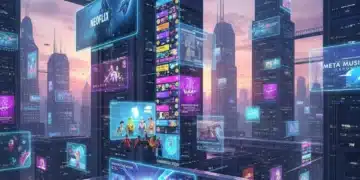
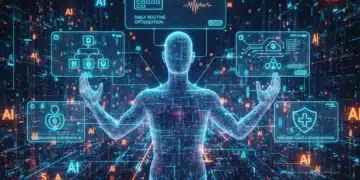
Artificial Intelligence (AI) has already begun to influence our entertainment choices through recommendation algorithms on streaming platforms. However, by late 2026, AI’s role will expand exponentially, moving beyond suggestions to actively shaping and generating entertainment experiences in real-time. This is about content that doesn’t just adapt to your preferences but anticipates them, evolving dynamically based on your engagement, mood, and even biometric data.
Imagine a streaming service where a movie’s plot points, character interactions, or even its ending can subtly shift based on your viewing history and emotional responses. AI-driven storytelling engines will be capable of generating narrative permutations, offering truly unique experiences for every viewer. For example, if you consistently react positively to heroic sacrifices, the AI might subtly steer the plot of a new series towards such a resolution. Conversely, if you prefer morally ambiguous characters, the AI could adjust dialogue and events to reflect that preference, creating a truly tailored viewing journey. This level of adaptive content is a hallmark of the digital entertainment future.
In gaming, AI will transform non-player characters (NPCs) from predictable automatons into intelligent, adaptive entities. NPCs will learn from player behavior, develop complex personalities, and even remember past interactions, leading to emergent gameplay scenarios that are unpredictable and deeply personal. AI will also be instrumental in procedural content generation on an unprecedented scale, creating vast, unique worlds, quests, and challenges in real-time, ensuring that no two players have the exact same experience. This means an endless supply of fresh content without the need for extensive manual development.
Furthermore, AI will power "deepfake" technology for ethical and creative purposes, allowing users to customize avatars with their own likeness or even star in their own personalized short films. Voice AI will enable real-time dubbing and character voice modulation, breaking down language barriers and offering unparalleled customization. This isn’t just about choosing an avatar; it’s about becoming an integral part of the narrative, with the AI acting as a sophisticated co-creator.
The implications for music are equally profound. AI composers will generate personalized soundtracks for our daily lives, adapting to our activities, moods, and even biometric inputs. Imagine an AI generating a calming ambient track during a stressful work session, or an uplifting beat for a workout, all in real-time and perfectly tailored to your individual taste. This level of personalization will make entertainment feel less like a product and more like a bespoke service, continuously evolving with you. The digital entertainment future is smart, adaptive, and uniquely yours.
3. Advanced Haptic Feedback and Sensory Immersion
While touched upon in the XR section, advanced haptic feedback deserves its own spotlight as a distinct innovation shaping the digital entertainment future. The ability to "feel" digital experiences is the missing link that will unlock truly immersive worlds. By late 2026, haptic technology will move far beyond simple rumble packs, offering a nuanced and detailed sensory canvas.
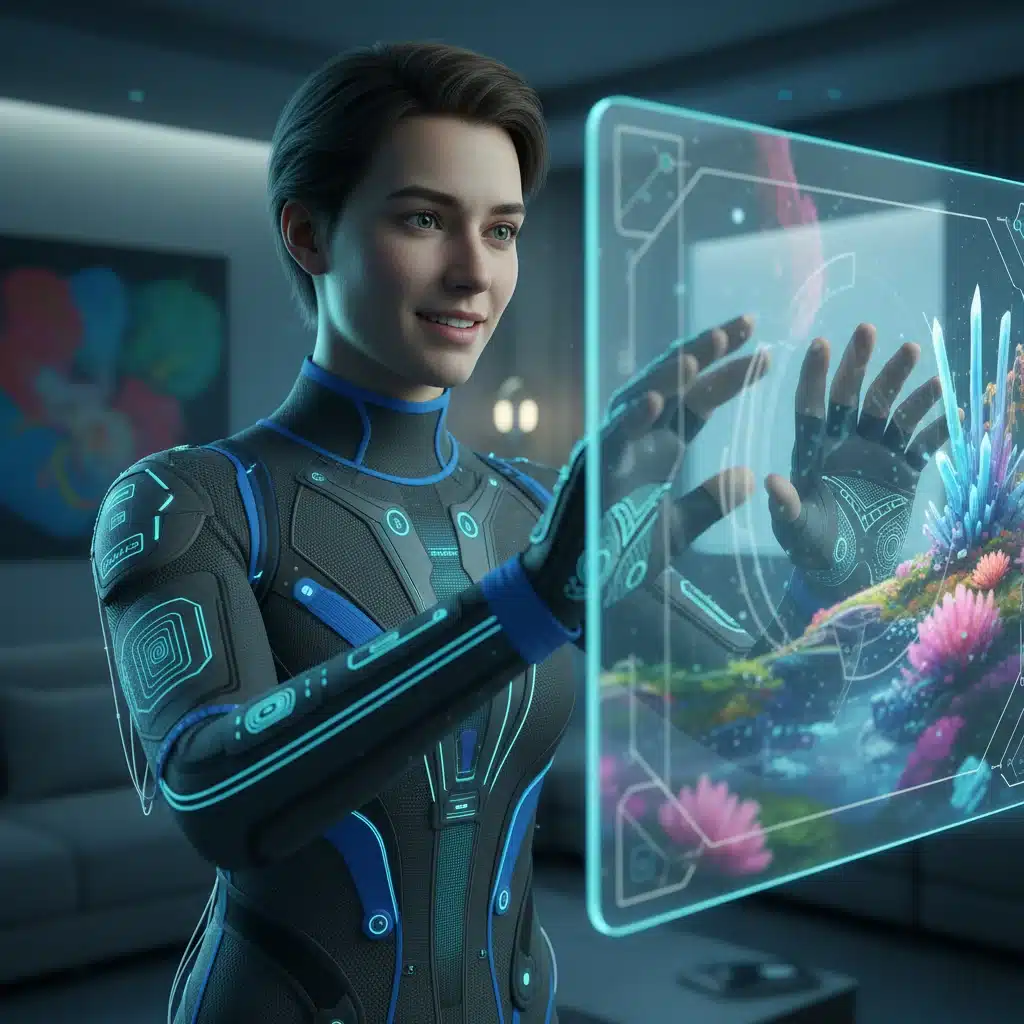
Next-generation haptic suits and gloves will incorporate micro-actuators and electro-tactile feedback arrays that can simulate a wide spectrum of physical sensations. This includes not only varying levels of force and vibration but also temperature changes, pressure, and even the subtle textures of surfaces. Imagine reaching out in a VR game and feeling the rough bark of a tree, the smooth coolness of metal, or the splash of virtual water. This level of tactile realism will profoundly deepen our connection to digital environments and characters.
Beyond gaming, haptics will revolutionize remote interaction. Attending a virtual concert could involve not just seeing and hearing the performance, but also feeling the bass reverberate through your body. Virtual social gatherings could allow for "digital handshakes" or even virtual hugs, creating a sense of physical presence despite geographical distance. This bridging of the physical and virtual through touch will significantly enhance social bonds and emotional engagement within digital spaces. The digital entertainment future is palpable.
The development of "air haptics" – technology that uses focused ultrasound or air jets to create sensations on the skin without physical contact – will also gain traction. This could allow for interactive displays or public installations where users can "touch" digital objects floating in the air, opening up entirely new forms of interactive art and advertising. Imagine walking through a digital museum and feeling the contours of a sculpture without physically touching it.
The sophistication of haptic feedback will also extend to more subtle, almost subliminal sensations. Researchers are exploring ways to use haptics to convey emotional states or non-verbal cues, adding another layer of depth to character interaction in games and virtual narratives. The goal is to make the digital experience so rich in sensory detail that the brain struggles to differentiate it from reality, cementing haptics as a critical component of the digital entertainment future.
4. Blockchain and Decentralized Entertainment Ecosystems
Blockchain technology, often associated with cryptocurrencies, is set to play a pivotal role in the digital entertainment future by enabling decentralized ecosystems that empower creators and consumers alike. By late 2026, we will see a significant shift towards models where ownership, royalties, and content distribution are managed on transparent and immutable ledgers.
One of the most impactful applications will be in the realm of Non-Fungible Tokens (NFTs) for digital assets. Beyond the current speculative market, NFTs will become fundamental to owning in-game items, digital art, music, and even shares in intellectual property. This means that if you purchase a unique sword in a game, you truly own it, and can sell, trade, or even port it to other compatible virtual worlds. This interoperability and true digital ownership will unlock new economies within entertainment, giving players and collectors unprecedented control over their digital possessions. The digital entertainment future embraces true ownership.
Decentralized Autonomous Organizations (DAOs) will also emerge as a powerful force in creative industries. Imagine a film studio or a game development team governed by its community of fans and investors, who collectively vote on creative decisions, funding allocation, and even profit distribution. This model democratizes content creation, allowing passionate communities to directly influence the development of their favorite entertainment. Artists and developers will be able to connect directly with their audience, receiving fair compensation and retaining more control over their work, bypassing traditional intermediaries.
Furthermore, blockchain will enable more transparent and equitable royalty distribution for musicians, writers, and artists. Smart contracts can automatically distribute payments to all rights holders the moment content is consumed, ensuring that creators are fairly compensated without delays or opaque accounting practices. This direct-to-fan model will foster a more sustainable creative economy, encouraging innovation and diversity in content creation.
The security and immutability of blockchain will also combat piracy and intellectual property infringement by providing verifiable proof of ownership and authenticity for digital content. While not a silver bullet, it offers a robust framework for managing digital rights in an increasingly complex online world. This foundational shift in how content is owned, created, and distributed will be a defining characteristic of the digital entertainment future, fostering a more equitable and dynamic landscape for everyone involved.
5. Neuro-Interactive Interfaces and Brain-Computer Integration (BCI)
Perhaps the most futuristic, yet rapidly advancing, innovation in the digital entertainment future is the emergence of neuro-interactive interfaces and early forms of Brain-Computer Integration (BCI). While full-fledged neural links might be a bit further off, by late 2026, we can expect to see consumer-grade devices that allow for rudimentary control of digital experiences using only thought.
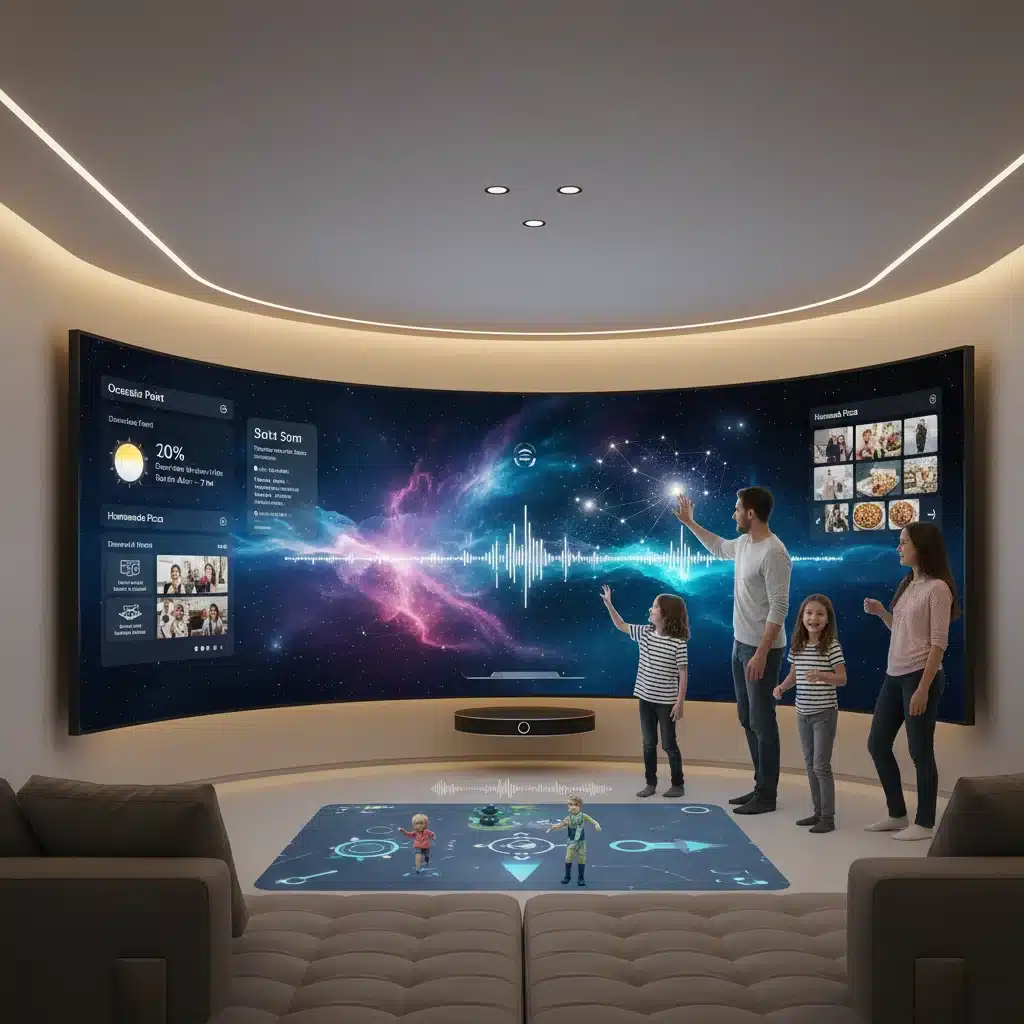
Non-invasive BCIs, such as advanced EEG headbands, will become more sophisticated and affordable, allowing users to navigate menus, select options, or even perform simple actions in games and virtual environments directly with their minds. Imagine playing a game where your character moves forward simply by you thinking "move forward," or controlling a drone with your concentration. This direct mental control will offer an unparalleled level of seamless interaction, removing the physical barriers of controllers and keyboards. The digital entertainment future is mind-controlled.
Beyond direct control, neuro-interactive interfaces will also be able to read and interpret emotional states and cognitive load, allowing entertainment experiences to adapt in real-time to the user’s mental state. If a game detects you are bored, it might increase the challenge or introduce a new narrative twist. If it senses stress, it might offer a calming interlude. This goes beyond AI personalization by tapping directly into the user’s brain activity, creating a truly responsive and empathetic entertainment system.
The ethical considerations surrounding BCI are significant and will be a major topic of discussion as these technologies mature. Data privacy, mental autonomy, and the potential for manipulation are all crucial areas that require careful regulation and development. However, the potential for enhancing accessibility for individuals with physical disabilities, allowing them to fully participate in digital entertainment, is immense and a powerful driving force behind this research.
Early applications will likely focus on enhancing focus, managing stress through neurofeedback games, and simplifying user interfaces. As the technology progresses, we can anticipate more intricate mental commands and even the potential for direct sensory input, fundamentally changing how we perceive and interact with digital worlds. The integration of neuro-interactive interfaces promises to make the digital entertainment future not just immersive, but truly an extension of our own minds.
The Broader Impact on Leisure and Society
These five innovations are not isolated advancements; they are interconnected threads weaving a new tapestry of leisure and societal interaction. The convergence of hyper-realistic XR, AI-powered personalization, advanced haptics, decentralized ecosystems, and neuro-interactive interfaces will redefine what it means to be entertained. We will move away from passive consumption towards active, personalized, and deeply immersive participation.
The implications extend beyond mere entertainment. Education will become more engaging and effective through interactive simulations and personalized learning paths. Social interaction will transcend geographical boundaries, allowing for richer, more meaningful connections in virtual spaces. The creative economy will flourish as new tools empower artists and new platforms empower communities. The digital entertainment future is also a future of learning and connection.
However, this transformation also brings challenges. Issues of digital addiction, data privacy, the digital divide, and the ethical implications of AI and BCI will require careful consideration and proactive solutions. Society will need to adapt to a world where virtual experiences can be as compelling as, or even more compelling than, physical ones. The line between reality and simulation will become increasingly blurred, necessitating new frameworks for understanding and navigating our existence.
As consumers, we stand on the precipice of an exciting new era. The choice of how we engage with these technologies will shape our individual experiences and collective future. The digital entertainment future offers a promise of unparalleled wonder and connection, but it also demands thoughtful engagement and responsible innovation. By late 2026, our screens, devices, and even our minds will be gateways to experiences previously confined to the realm of science fiction, forever changing how we spend our precious leisure time.
Prepare to be amazed, to be challenged, and to be utterly captivated. The next wave of digital entertainment is not just coming; it’s already here, taking shape before our very eyes, ready to transform your leisure time in ways you can scarcely imagine.