Digital Storytelling Evolution: New Platforms Redefine Content Creation for 2026
The art of storytelling is as old as humanity itself, evolving from cave paintings to oral traditions, written texts, radio, television, and now, the boundless realm of digital media. In an era where attention spans are fleeting and content consumption is increasingly personalized, the demand for innovative and immersive narratives has never been higher. As we hurtle towards 2026, the landscape of digital storytelling is undergoing a seismic shift, driven by technological advancements and a growing appetite for interactive and deeply engaging experiences. This article delves into the transformative power of new digital storytelling platforms that are not just adapting to these changes but actively shaping the future of content creation.
For decades, digital storytelling primarily meant translating traditional media into digital formats – books became e-books, films streamed online, and articles found homes on blogs. While effective, this approach often overlooked the unique capabilities of digital environments. Today, however, we are witnessing the emergence of platforms designed from the ground up to leverage the full spectrum of digital possibilities: interactivity, personalization, spatial computing, and artificial intelligence. These new digital storytelling platforms are empowering creators to weave narratives that are not just consumed, but experienced, participated in, and even influenced by the audience.
The goal is no longer just to tell a story, but to build worlds, create connections, and evoke emotions in ways that were previously unimaginable. This paradigm shift requires a fresh look at the tools and techniques available to creators. We are moving beyond passive consumption to active engagement, where the line between storyteller and audience blurs, opening up exciting new avenues for creative expression and audience interaction. Understanding these new platforms is crucial for anyone looking to stay ahead in the rapidly evolving world of content creation.
The Dawn of Immersive Narrative Experiences
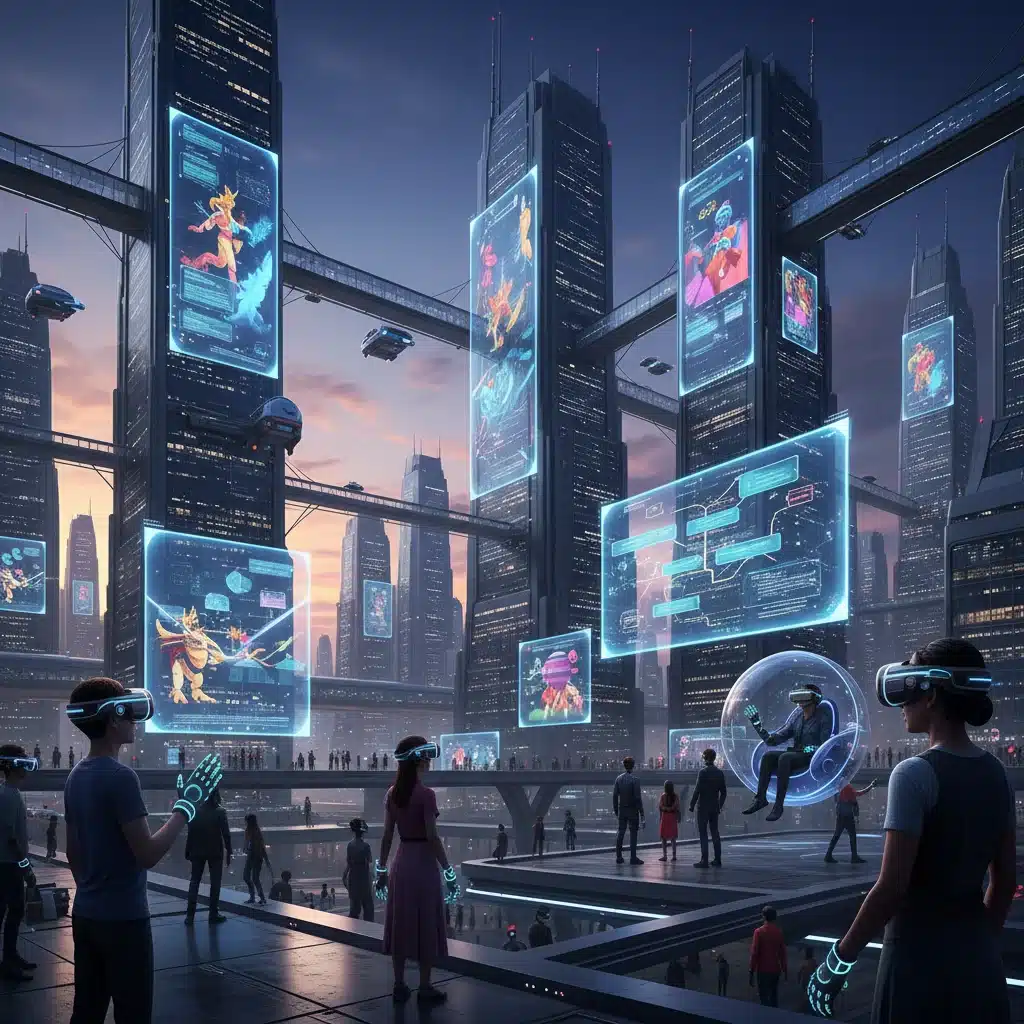
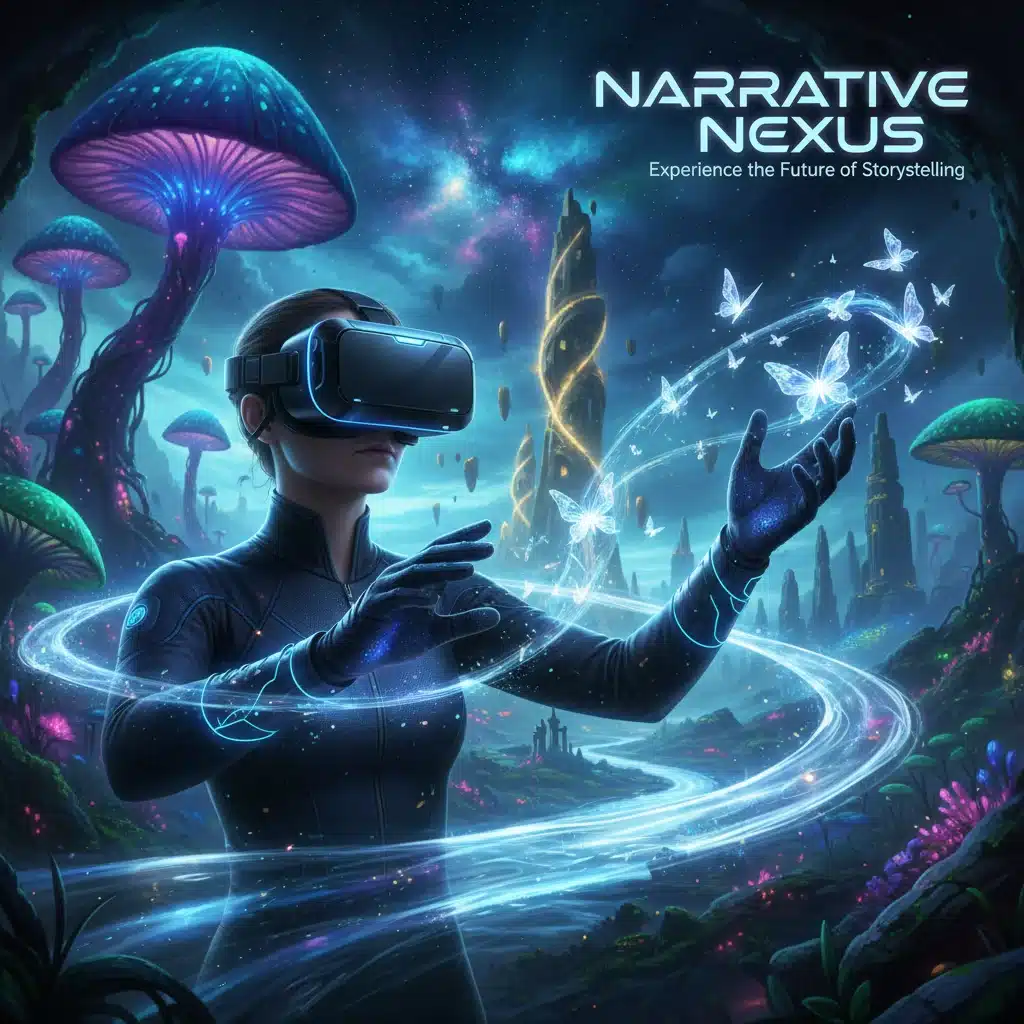
The concept of immersion has always been central to effective storytelling. From a gripping novel that transports you to another world to a film that makes you forget your surroundings, the power of a story lies in its ability to captivate and absorb. In the digital age, immersion takes on a whole new dimension, thanks to technologies like Virtual Reality (VR), Augmented Reality (AR), and Mixed Reality (MR). These technologies are the bedrock of the next generation of digital storytelling platforms, offering experiences that are not merely visual or auditory, but deeply spatial and tactile.
Imagine a historical documentary where you can walk through ancient Rome, interacting with virtual citizens and witnessing events unfold around you. Or a fictional drama where you can explore the protagonist’s home, uncover clues, and even influence their decisions. These are no longer futuristic fantasies but achievable realities with the advent of advanced immersive platforms. These platforms are designed to break down the fourth wall, inviting the audience to step into the narrative, rather than just observing it from a distance. The potential for education, entertainment, and even therapeutic applications is immense, making these platforms a game-changer for content creators.
One of the key innovations driving this immersive revolution is the development of user-friendly tools that democratize access to VR/AR content creation. Historically, producing immersive experiences required specialized skills and expensive equipment, limiting its adoption. However, new digital storytelling platforms are simplifying the process, offering intuitive interfaces and pre-built assets that allow creators with varying levels of technical expertise to build compelling immersive narratives. This accessibility is crucial for fostering a vibrant ecosystem of content and ensuring that immersive storytelling becomes a mainstream phenomenon.
Platform A: ‘ChronoWeave’ – Weaving Time and Space into Narrative
One of the most exciting new digital storytelling platforms emerging for 2026 is ‘ChronoWeave’. This platform specializes in temporal and spatial narratives, allowing creators to build interactive stories where the audience can navigate through different timelines and physical spaces within a single narrative arc. ChronoWeave is built on a proprietary engine that seamlessly integrates 3D environments with dynamic character AI, creating living, breathing worlds that react to audience choices.
The core innovation of ChronoWeave lies in its ‘Temporal Branching System’. Unlike traditional choose-your-own-adventure stories with fixed paths, ChronoWeave allows for fluid shifts between past, present, and potential futures, all within the same narrative experience. A user might make a decision in the present, then jump back in time to see the historical context that led to a particular situation, or fast-forward to witness the long-term consequences of their actions. This non-linear exploration deepens understanding and fosters a profound sense of agency within the story.
Furthermore, ChronoWeave offers an extensive library of modular assets, from architectural styles spanning different historical periods to character archetypes with customizable personalities. This allows creators to rapidly prototype and iterate on their stories, focusing on narrative design rather than getting bogged down in complex asset creation. The platform also includes AI-powered tools for procedural generation of environments and non-player character (NPC) dialogue, further accelerating the content creation process. The emphasis on spatial audio and haptic feedback ensures that the immersive experience is not just visual but multi-sensory, pulling the audience deeper into the narrative fabric.
Interactive Narratives: Beyond Linear Storytelling
While immersion is crucial, true innovation in digital storytelling platforms also hinges on interactivity. The days of passive consumption are numbered. Modern audiences, particularly younger demographics, expect to be part of the story, to influence its direction, and to see the direct impact of their choices. This shift from passive observer to active participant is reshaping how stories are conceived, developed, and delivered.
Interactive narratives go beyond simple branching paths. They involve complex decision trees, character relationships that evolve based on user input, and dynamic plotlines that adapt to individual choices. These stories are less about a singular, predefined journey and more about a personalized exploration of a narrative space. This approach fosters replayability and encourages deeper engagement, as audiences are motivated to re-experience stories to uncover different outcomes and perspectives.
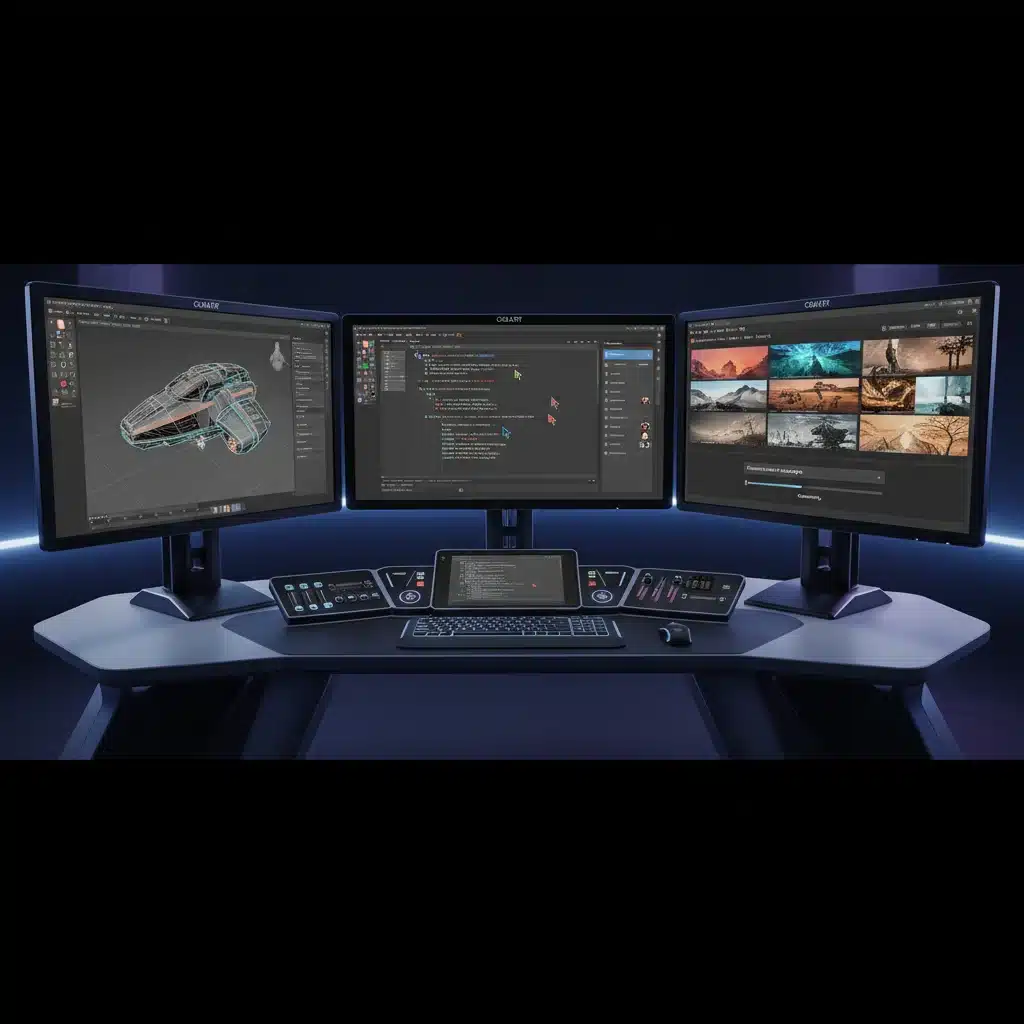
The challenge for creators lies in managing this complexity without overwhelming the user or diluting the narrative’s core message. New digital storytelling platforms are addressing this by providing sophisticated authoring tools that simplify the creation of intricate interactive systems. These tools often include visual scripting interfaces, AI-driven narrative assistants, and robust testing environments that allow creators to map out and refine complex interactive experiences.
Platform B: ‘NarrativeForge’ – Empowering Audience-Driven Storylines
Another groundbreaking platform, ‘NarrativeForge’, is pushing the boundaries of interactive storytelling by putting the audience firmly in the driver’s seat. NarrativeForge is designed for highly personalized and audience-driven narratives, where the story adapts dynamically to individual user preferences, choices, and even emotional responses. This platform leverages advanced AI and machine learning to create truly adaptive storylines.
NarrativeForge’s standout feature is its ‘Emotional Intelligence Engine’. This engine analyzes user input, including dialogue choices, behavioral patterns, and even biometric data (with user consent, of course), to infer emotional states and tailor the narrative experience accordingly. For example, if a user consistently expresses curiosity, the story might introduce more mysteries and lore. If they show empathy, character interactions might become more nuanced and emotionally resonant. This level of personalization creates an incredibly intimate and responsive storytelling experience, making each playthrough unique.
The platform also incorporates a ‘Collaborative Storytelling Module’, allowing multiple users to co-create and influence a narrative in real-time. Imagine a group of friends collectively shaping the destiny of a fictional world, with each participant’s choices contributing to a shared, evolving storyline. This fosters a sense of community and shared ownership over the narrative, transforming storytelling into a collective artistic endeavor. NarrativeForge provides creators with a robust set of tools for defining character personalities, plot points, and ethical dilemmas, then allowing the AI to intelligently weave these elements together based on audience interaction.
The Role of AI in Redefining Content Creation
Artificial Intelligence is not just an ancillary feature; it is rapidly becoming the backbone of next-generation digital storytelling platforms. AI is revolutionizing every stage of the content creation pipeline, from ideation and scriptwriting to asset generation and personalized delivery. For creators, this means an unprecedented ability to scale their creative output, experiment with new ideas, and deliver highly tailored experiences to their audiences.
In the realm of ideation, AI tools can analyze vast datasets of existing narratives, identify compelling tropes, and even generate novel plot concepts or character backstories. This doesn’t replace human creativity but rather augments it, providing creators with a powerful brainstorming partner. When it comes to scriptwriting, AI can assist with dialogue generation, ensuring consistency in character voice, and even adapting scripts for different interactive branches based on user choices.
Asset generation is another area where AI is making significant strides. Text-to-image and text-to-3D models can rapidly produce environments, characters, and objects, drastically reducing the time and cost associated with traditional asset creation. This allows creators to focus their resources on refining the narrative and interactive elements, rather than spending countless hours on laborious visual production. The efficiency gains are enormous, enabling smaller teams to produce high-quality, complex stories.
AI-Powered Personalization and Adaptation
Perhaps the most profound impact of AI on digital storytelling platforms is its ability to personalize and adapt narratives in real-time. As seen with NarrativeForge’s Emotional Intelligence Engine, AI can analyze user behavior, preferences, and even biometric data to dynamically adjust plot points, character interactions, and even the pacing of a story. This level of personalization ensures that each audience member receives an experience uniquely tailored to them, maximizing engagement and emotional resonance.
Beyond individual personalization, AI can also adapt stories for different contexts and devices. A single narrative core can be dynamically rendered for a VR headset, a mobile AR experience, or even a traditional 2D screen, with the AI intelligently adjusting visual fidelity, interactive elements, and narrative flow to suit the specific medium. This multi-platform adaptability is crucial for reaching diverse audiences in 2026 and beyond, as content consumption continues to fragment across various devices and formats.
The ethical implications of AI in storytelling, particularly regarding data privacy and algorithmic bias, are important considerations that these new platforms must address. Transparency in data usage and robust ethical guidelines will be paramount to building trust with both creators and audiences. However, when deployed responsibly, AI has the potential to unlock entirely new forms of narrative expression, making stories more dynamic, personal, and impactful than ever before.
The Creator’s New Toolkit: Opportunities and Challenges
For content creators, these new digital storytelling platforms represent both immense opportunities and significant challenges. The opportunities are clear: the ability to craft truly immersive, interactive, and personalized narratives; to reach global audiences in novel ways; and to experiment with forms of expression previously confined to science fiction. The barriers to entry for creating high-quality digital content are lowering, democratizing the field and inviting a new generation of storytellers.
However, these opportunities come with new demands. Crafting non-linear narratives requires a different skillset than traditional linear storytelling. Creators must think in terms of systems and possibilities, rather than fixed plots. They need to understand user psychology, design engaging interactive loops, and anticipate a multitude of potential audience choices. This shift requires a multidisciplinary approach, blending traditional narrative skills with game design principles, user experience (UX) design, and a foundational understanding of AI capabilities.
Navigating the New Creative Landscape
Training and education will be crucial for creators to adapt to these new tools and methodologies. Universities and online courses are already beginning to offer programs in interactive narrative design, immersive experience creation, and AI-assisted content production. Furthermore, the platforms themselves are investing heavily in tutorials, documentation, and community support to help creators master their tools. Building a strong community of early adopters and fostering collaborative learning will be key to the success of these new digital storytelling platforms.
Monetization models are also evolving. Beyond traditional subscriptions or one-time purchases, we can expect to see new models emerge, such as micro-transactions for specific narrative branches, audience-funded interactive projects, or even dynamic advertising integrated seamlessly into the narrative based on user choices. The economic viability of these new forms of storytelling will ultimately determine their widespread adoption and the sustainability of the creative ecosystem they foster.
The challenge of discovery and distribution will also be significant. As the volume of immersive and interactive content grows, effective curation and recommendation systems will be essential to help audiences find stories that resonate with them. Platforms will need to develop sophisticated algorithms and user interfaces that highlight quality content and guide users through the vast new landscape of digital narratives.
The Future is Now: Preparing for 2026 and Beyond
The year 2026 is not far off, and the foundational technologies for these revolutionary digital storytelling platforms are already in place. The rapid pace of innovation suggests that by then, immersive and interactive narratives will be a significant, if not dominant, form of content consumption. Creators who embrace these new tools and methodologies now will be best positioned to thrive in this evolving landscape.
The convergence of advanced hardware (lighter, more powerful VR/AR headsets), sophisticated software (AI-powered engines, intuitive authoring tools), and a growing audience hungry for novel experiences is creating a perfect storm for the explosion of new digital storytelling. These platforms are not just about technological prowess; they are about unlocking new dimensions of human expression and connection. They offer the promise of stories that are more personal, more impactful, and more memorable than anything we’ve experienced before.
For businesses, this represents a massive opportunity to engage customers in innovative ways, whether through interactive brand stories, immersive product demonstrations, or personalized educational content. For artists, it’s a blank canvas for unparalleled creative freedom. And for audiences, it’s an invitation to step beyond the screen and into the heart of the narrative.
Key Takeaways for Future Storytellers
- Embrace Interactivity: Move beyond linear narratives and design for audience agency and choice.
- Think Immersively: Leverage spatial computing (VR/AR/MR) to create truly absorbing experiences.
- Understand AI’s Potential: Utilize AI for ideation, asset generation, and dynamic personalization.
- Develop New Skillsets: Combine traditional storytelling with UX design, game mechanics, and AI literacy.
- Explore New Monetization Models: Adapt to evolving economic frameworks for digital content.
The evolution of digital storytelling is not just about new technologies; it’s about a fundamental rethinking of how we share experiences and connect with one another. The two new digital storytelling platforms discussed, ChronoWeave and NarrativeForge, exemplify this shift, offering glimpses into a future where stories are not just told, but lived. As we look towards 2026, the most exciting narratives will be those that empower us to be more than just spectators – they will invite us to be participants, co-creators, and integral parts of the unfolding story itself. The journey has just begun, and the possibilities are truly limitless.