Experience Economy Trends 2026: Cultural Shifts & Consumer Choices
The world of consumerism is in constant flux, but few shifts have been as profound and transformative as the rise of the Experience Economy. Moving beyond mere transactional exchanges, consumers are increasingly prioritizing moments, memories, and meaning over material possessions. As we approach Fall 2026, this evolution is accelerating, driven by a complex interplay of cultural shifts, technological advancements, and a renewed focus on individual and collective well-being. Understanding these emerging Experience Economy Trends is not just beneficial for businesses, but essential for survival and growth in a market that values authenticity and engagement above all else.
This comprehensive guide will delve into the critical cultural trends and consumer choices that are poised to dominate the landscape by Fall 2026. We will explore how businesses can adapt, innovate, and thrive by aligning their strategies with these powerful currents. From the demand for hyper-personalization to the imperative of sustainability, and the blurring lines between physical and digital realities, the future of consumption is rich with opportunities for those willing to embrace change.
The Genesis of the Experience Economy: A Quick Recap
Before we project forward, it’s crucial to understand the foundation upon which these Experience Economy Trends are built. The concept of the “Experience Economy” was first coined by B. Joseph Pine II and James H. Gilmore in 1999, describing a progression of economic value. They argued that companies would need to move beyond simply offering goods and services to staging memorable events for their customers. Just as services emerged from goods, experiences are now emerging from services as the next economic offering. This isn’t just about entertainment; it’s about engaging customers in a personal, memorable way, transforming mundane activities into enriching encounters.
In the decades since its inception, the Experience Economy has matured. Initially, it might have been about themed restaurants or elaborate retail displays. Today, it encompasses everything from personalized fitness programs and bespoke travel itineraries to interactive art installations and community-driven online platforms. The core principle remains: consumers are willing to pay a premium for experiences that resonate with their values, evoke emotions, and create lasting memories. This fundamental shift is the bedrock for the cultural shifts and consumer choices we’re seeing today and will continue to see intensify by Fall 2026.
Cultural Shifts Driving Experience Economy Trends by Fall 2026
The trajectory of the Experience Economy is not accidental; it is a direct reflection of broader cultural shifts. By Fall 2026, several key cultural currents will have solidified their influence, reshaping consumer expectations and behaviors. Businesses that grasp these underlying shifts will be best positioned to craft compelling experiences.
The Quest for Authenticity and Transparency
In an increasingly digital and often superficial world, consumers are yearning for genuine connections and authentic experiences. They are wary of overly polished facades and marketing hype, instead seeking brands and offerings that are transparent about their values, processes, and impact. This extends to the provenance of products, the ethics of supply chains, and the true intentions behind brand messaging. By Fall 2026, authenticity will be non-negotiable. Brands that can genuinely tell their story, involve consumers in their journey, and demonstrate a commitment to integrity will win loyalty. This trend manifests in a preference for local, handcrafted, and ethically sourced goods, as well as experiences that feel unscripted and real.
Prioritization of Well-being and Mental Health
The global events of recent years have significantly amplified the focus on mental and physical well-being. Consumers are actively seeking experiences that contribute to their holistic health, reduce stress, and foster a sense of calm and balance. This goes beyond traditional wellness retreats to include mindful consumption, restorative environments, and activities that promote personal growth and self-care. By Fall 2026, we will see a surge in demand for experiences integrating elements of mindfulness, nature immersion, digital detoxes, and personalized wellness journeys. Businesses in hospitality, retail, and even technology are already beginning to integrate these aspects into their offerings, recognizing that well-being is a core value for modern consumers.
Community and Belonging as Core Needs
Despite increased digital connectivity, many individuals feel a growing sense of isolation. This has fueled a powerful desire for community and belonging. Consumers are actively seeking experiences that facilitate genuine human connection, foster shared interests, and create a sense of collective identity. This can range from highly curated social events and workshops to online communities built around niche passions, and even co-working spaces designed for collaborative engagement. By Fall 2026, brands that can successfully cultivate a sense of community around their offerings will tap into a fundamental human need, creating loyal advocates and fostering organic growth. Think about subscription boxes that include access to exclusive online forums, or fitness studios that emphasize group challenges and social events.
The Rise of the Conscious Consumer: Sustainability and Ethics
Environmental concerns and social justice issues are no longer fringe topics; they are central to consumer decision-making. The conscious consumer, driven by a desire to make a positive impact, will be a dominant force by Fall 2026. This means a strong preference for brands that demonstrate clear commitments to sustainability, ethical labor practices, and social responsibility. Consumers will scrutinize not just the product or service itself, but the entire lifecycle and supply chain. Experiences that offer opportunities for eco-tourism, volunteerism, or learning about sustainable practices will gain significant traction. Businesses must integrate sustainability not as a marketing ploy, but as a fundamental aspect of their operations and brand identity. This also extends to the expectation of circular economy principles, where waste is minimized and resources are continually reused.
Key Experience Economy Trends Shaping Consumer Choices by Fall 2026
Building on these cultural shifts, several distinct Experience Economy Trends are emerging, each offering unique opportunities for businesses to connect with and delight their target audiences by Fall 2026.
Hyper-Personalization at Scale
Generic experiences are becoming increasingly irrelevant. Consumers expect offerings that are tailored to their individual preferences, past behaviors, and expressed needs. By Fall 2026, hyper-personalization will move beyond basic recommendations to encompass dynamic, adaptive experiences that anticipate desires and respond in real-time. This will be powered by advanced AI, data analytics, and sophisticated algorithms that learn from every interaction. Examples include personalized learning paths, bespoke travel itineraries generated on the fly, customized product configurations, and even adaptive retail environments that change based on a customer’s presence. The challenge for businesses will be to achieve this level of personalization without infringing on privacy, fostering trust through transparency and control over data.
Immersive & Phygital Experiences
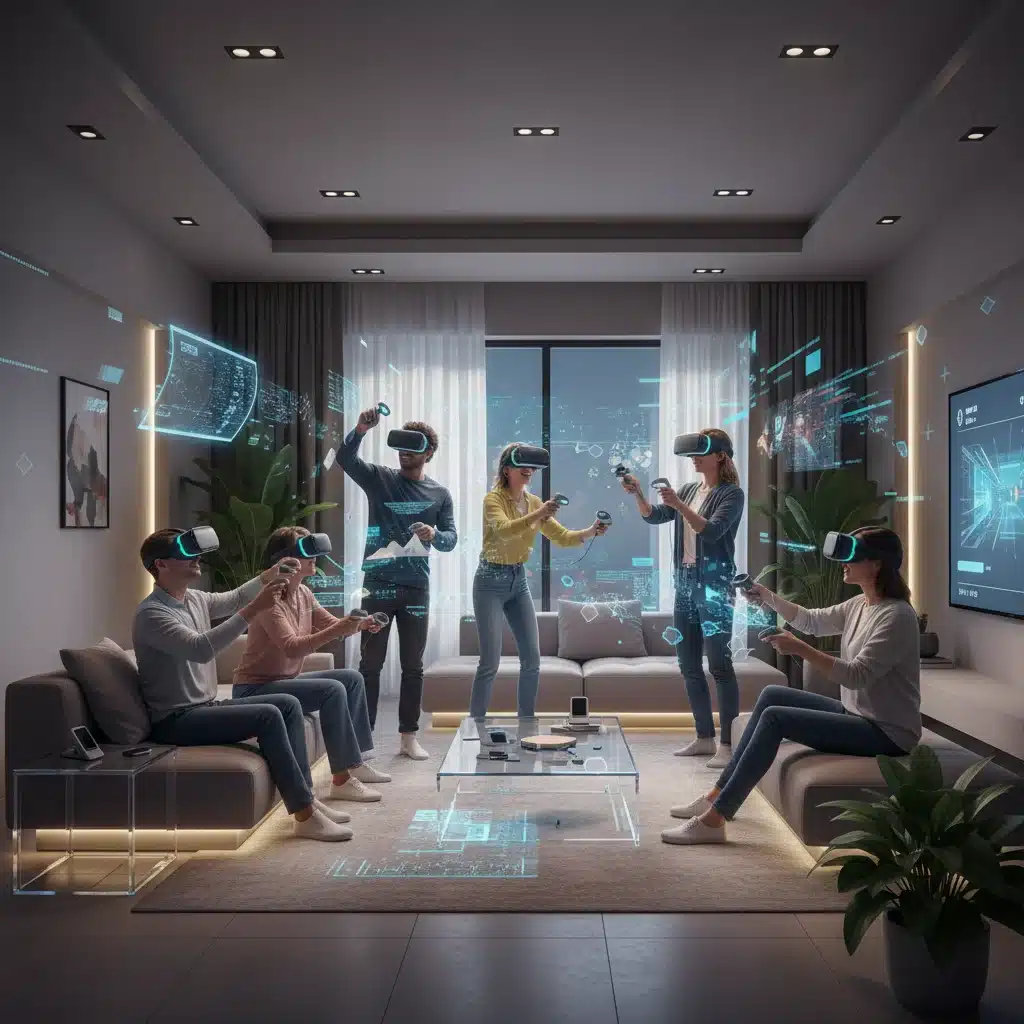
The boundaries between the physical and digital worlds are increasingly blurring, giving rise to “phygital” experiences. These are experiences that seamlessly integrate digital elements into physical spaces, or leverage physical interactions to enhance digital encounters. By Fall 2026, consumers will expect more than just static websites or brick-and-mortar stores. They will seek augmented reality (AR) overlays that enhance real-world exploration, virtual reality (VR) environments that transport them to new dimensions, and interactive installations that respond to their presence. Think about smart retail spaces where digital displays adapt to your browsing history, or museums that offer AR tours bringing artifacts to life. The goal is to create rich, multi-sensory experiences that engage consumers on multiple levels, offering both convenience and wonder.
The Subscription Economy of Experiences
The subscription model, once primarily for streaming services and software, is expanding rapidly into the realm of experiences. Consumers are increasingly willing to subscribe to curated boxes of experiences, access to exclusive communities, or ongoing personalized services. By Fall 2026, we will see a proliferation of subscription models for everything from wellness programs and hobby kits to cultural events and unique dining experiences. The appeal lies in convenience, curation, and the promise of continuous discovery. For businesses, subscriptions offer predictable revenue streams and the opportunity to build long-term relationships with customers, moving them from one-off transactions to ongoing engagement and loyalty. The key is to deliver consistent value and novelty to prevent churn.
Transformative Travel and Experiential Tourism
Travel is no longer just about visiting a destination; it’s about personal transformation and deep cultural immersion. By Fall 2026, experiential tourism will dominate, with travelers seeking opportunities for authentic local interactions, skill-building workshops, volunteer opportunities, and journeys that challenge their perspectives. The focus will be on learning, growth, and making a positive impact on the places they visit. This includes a strong emphasis on responsible and sustainable travel practices, supporting local economies, and minimizing environmental footprints. Tour operators and hospitality providers will need to move beyond standard itineraries to craft bespoke, meaningful adventures that resonate with the conscious traveler’s desire for purpose-driven exploration.
The Rise of the Creator Economy and Participatory Experiences
Consumers are not content to be passive recipients; they want to be active participants and even creators. The burgeoning creator economy, fueled by platforms like TikTok, YouTube, and various niche communities, empowers individuals to share their passions and talents. By Fall 2026, this will translate into a greater demand for participatory experiences where consumers can co-create, customize, and contribute. This could involve workshops where they learn a new skill, collaborative art projects, user-generated content campaigns, or even product development processes that incorporate customer feedback and ideas. Brands that can facilitate this co-creation and provide platforms for self-expression will build stronger emotional bonds with their audience, fostering a sense of ownership and advocacy.
Navigating the Future: Strategies for Businesses by Fall 2026
For businesses to not just survive but thrive in the evolving Experience Economy by Fall 2026, a proactive and adaptive approach is paramount. Here are key strategies to consider:
Invest in Data and AI for Hyper-Personalization
Understanding individual customer journeys and preferences is critical. Businesses must invest in robust data analytics platforms and AI tools to gather insights, predict behaviors, and deliver tailored experiences at scale. This requires not only technology but also a culture of data literacy and ethical data handling. The focus should be on using data to enhance the customer experience, not just for sales. Implementing AI-powered chatbots for instant, personalized support, or using machine learning to recommend relevant experiences based on past engagement, are just a few examples.
Embrace Phygital Integration
The future is neither purely physical nor purely digital; it’s a seamless blend of both. Businesses should explore how to integrate digital enhancements into their physical spaces and physical touchpoints into their digital platforms. This could involve AR apps that enrich in-store shopping, interactive digital displays that respond to customer movement, or even virtual showrooms that allow customers to experience products in a lifelike digital environment before purchasing. The key is to leverage the strengths of both realms to create a cohesive and engaging customer journey.
Prioritize Purpose and Sustainability
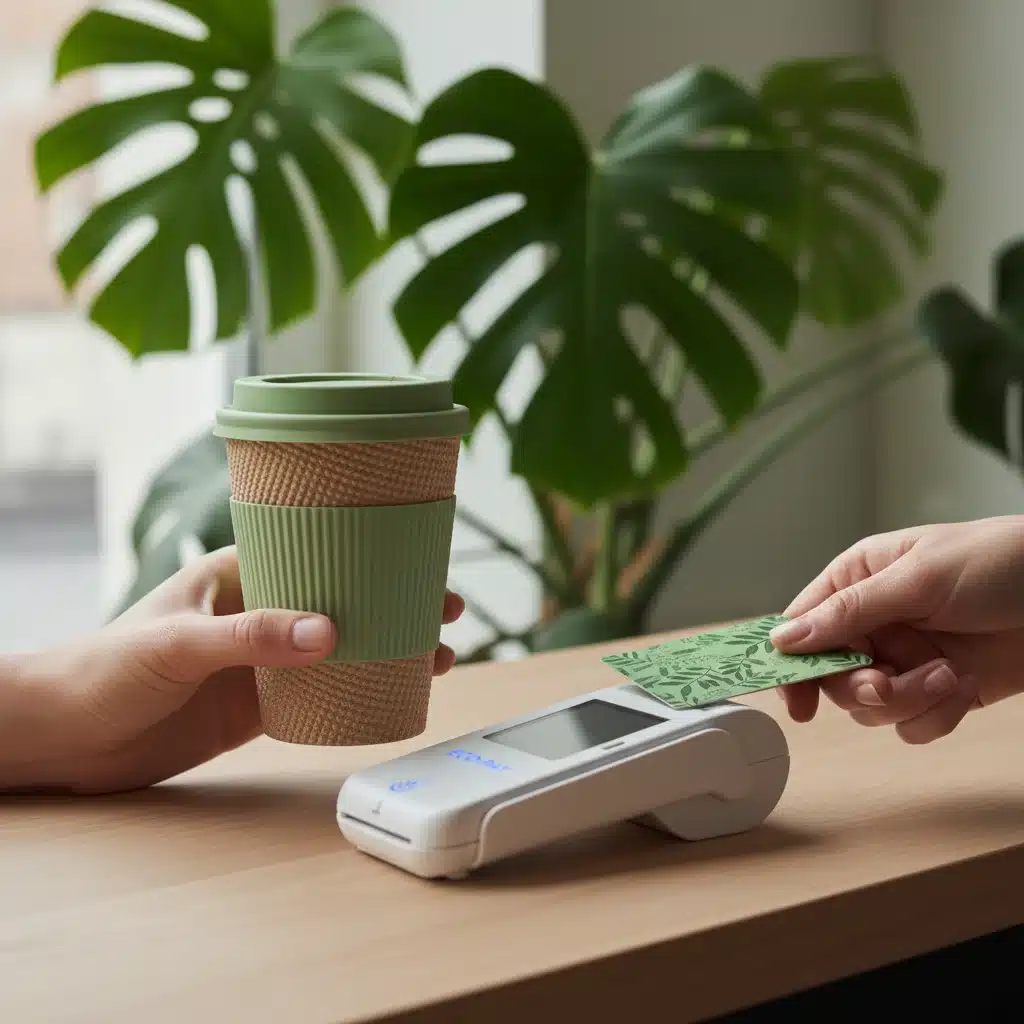
Beyond profit, consumers expect brands to have a purpose and contribute positively to the world. Businesses must embed sustainability and ethical practices into their core operations and communicate these efforts transparently. This isn’t just about corporate social responsibility reports; it’s about authentic actions that resonate with conscious consumers. Highlighting eco-friendly sourcing, fair labor practices, community involvement, and carbon-neutral initiatives will be crucial for building trust and attracting a values-driven customer base. Consider offering experiences that directly contribute to a social or environmental cause, allowing customers to be part of the solution.
Foster Community and Connection
Creating opportunities for customers to connect with each other and with the brand is vital. This can be achieved through online forums, exclusive events, workshops, or even loyalty programs that reward active participation. Brands should aim to build tribes around shared values and interests, transforming customers into a community of advocates. Facilitating peer-to-peer interactions and providing platforms for shared experiences will deepen engagement and foster a sense of belonging. Think about exclusive member-only events or online challenges that encourage collaboration.
Innovate with Experiential Offerings
Continuously innovate and experiment with new types of experiences. This requires a willingness to step outside traditional product or service boundaries. Think about how your brand can offer educational experiences, transformative journeys, or opportunities for creative expression. This could involve partnering with artists, educators, or local communities to co-create unique offerings. The goal is to move beyond mere transactions to create memorable moments that resonate deeply with the customer’s aspirations and desires. Regular feedback loops and agile development processes will be essential to iterate and refine these new offerings based on customer response.
Embrace Flexibility and Adaptability
The pace of change is unlikely to slow down. Businesses must cultivate a culture of flexibility and adaptability, ready to pivot and innovate in response to evolving cultural shifts and emerging Experience Economy Trends. This means investing in continuous learning, fostering cross-functional collaboration, and maintaining an open dialogue with customers. Agility in strategy and operations will be a significant competitive advantage by Fall 2026. This includes having contingency plans for unexpected disruptions and being open to rapidly testing and scaling new ideas.
The Role of Technology in Shaping Future Experiences
Technology is not merely an enabler; it is a fundamental driver of the Experience Economy. By Fall 2026, advancements in several key areas will dramatically expand the possibilities for creating compelling and personalized experiences:
- Artificial Intelligence (AI) and Machine Learning (ML): Beyond personalization, AI will power predictive analytics, enabling businesses to anticipate customer needs and offer proactive solutions. ML will optimize experience delivery, from logistics to real-time content generation within immersive environments.
- Augmented Reality (AR) and Virtual Reality (VR): These technologies will move beyond novelty to become integral parts of daily life. AR will enhance retail environments, tourism, and education, overlaying digital information onto the physical world. VR will offer fully immersive escape experiences, training simulations, and virtual social spaces that feel incredibly real.
- 5G and Edge Computing: Faster, more reliable connectivity and localized data processing will enable seamless, real-time interactive experiences without lag. This is crucial for complex AR/VR applications, smart environments, and instantaneous personalized content delivery.
- Blockchain and NFTs: While still evolving, these technologies could play a role in proving authenticity for high-value experiences, creating unique digital collectibles tied to real-world events, and enabling new forms of loyalty and ownership within experience ecosystems.
- Wearable Technology and IoT: Smart devices and interconnected objects will provide richer data streams, allowing for even deeper personalization and contextual experiences. Imagine a smart watch that detects your stress levels and suggests a calming immersive experience, or a smart home that adjusts its ambiance based on your mood and preferences.
The ethical implications of these technologies, particularly concerning data privacy and algorithmic bias, will also be a major focus. Consumers will demand transparency and control, making responsible technology deployment a key differentiator for businesses.
Measuring Success in the Experience Economy
In an economy driven by experiences, traditional metrics of success (e.g., sales volume, market share) still hold value but must be supplemented by new indicators. By Fall 2026, businesses will increasingly focus on:
- Customer Lifetime Value (CLV): Reflecting the long-term relationship built through compelling experiences.
- Net Promoter Score (NPS) and Customer Satisfaction (CSAT): Direct measures of how well experiences are meeting or exceeding expectations.
- Engagement Metrics: Time spent, repeat interactions, participation rates in community initiatives, and user-generated content.
- Emotional Connection Scores: Surveys or qualitative analyses that gauge the emotional impact and resonance of an experience.
- Brand Advocacy: The willingness of customers to recommend and champion the brand, often driven by positive experiences.
- Social Impact Measurement: Quantifying the positive environmental or social contributions of the brand’s experiences, aligning with conscious consumer values.
These metrics collectively paint a more holistic picture of success, reflecting the deeper value exchange inherent in the Experience Economy. Businesses will need sophisticated analytics to track these diverse data points and derive actionable insights.
Conclusion: Embracing the Experiential Future
The Experience Economy is not a passing fad; it is the dominant paradigm for consumer engagement, and its influence will only intensify by Fall 2026. The cultural shifts towards authenticity, well-being, community, and conscious consumption are fundamentally reshaping what consumers value and how they choose to spend their resources. From hyper-personalized digital journeys to transformative physical adventures, the demand for meaningful and memorable experiences is paramount.
Businesses that proactively embrace these Experience Economy Trends, investing in technology, fostering community, prioritizing purpose, and continuously innovating their experiential offerings, will be the ones that capture the hearts and wallets of consumers. The future belongs to those who understand that in an experience-driven world, the product is no longer just what you sell, but the feeling you create, the memories you forge, and the meaning you provide. Prepare to innovate, engage, and inspire, for the experience-driven consumer of Fall 2026 is waiting for something truly extraordinary.