Hybrid Work Models: The Future of U.S. Companies by 2026
The landscape of work has undergone a seismic shift in recent years, propelled by technological advancements and unforeseen global events. What was once considered a niche or experimental approach to employment – remote work – has now become a foundational element in the strategies of countless organizations. As we gaze towards 2026, a clear trend emerges: a significant majority of U.S. companies are not just contemplating but actively adopting Hybrid Work Models. This comprehensive analysis delves into the reasons behind this monumental transition, comparing various remote work cultures, highlighting the benefits and challenges, and projecting the future trajectory of work in America.
The COVID-19 pandemic served as an unexpected catalyst, forcing businesses worldwide to embrace remote operations almost overnight. What began as a necessity quickly revealed a myriad of advantages, from increased employee flexibility and reduced overheads to access to a wider talent pool. However, the complete absence of physical office interaction also brought its own set of drawbacks, including potential impacts on company culture, collaboration, and employee well-being for some. It is from this crucible of experience that the Hybrid Work Models have risen as the optimal solution, seeking to marry the best of both worlds.
By 2026, projections indicate that approximately 60% of U.S. companies will have fully integrated a hybrid approach. This isn’t merely a temporary adjustment but a fundamental re-evaluation of how work gets done. Understanding this evolution requires a deep dive into the nuances of remote work cultures, the strategic imperative behind hybrid adoption, and the practical implications for businesses and their workforce.
The Evolution of Remote Work: From Niche to Necessity
Before the pandemic, remote work was often viewed with skepticism by many traditional organizations. Concerns about productivity, supervision, and maintaining company culture were prevalent. However, pioneering companies, particularly in the tech sector, had already demonstrated the viability and benefits of distributed teams. Their successes laid the groundwork, proving that work could be effective outside the confines of a traditional office.
The global health crisis, however, removed the element of choice for most. Companies that had never considered remote work were suddenly forced to implement it on a massive scale. This involuntary experiment yielded surprising results. Many businesses discovered that their employees were not only capable of working remotely but often thrived in the new setup, demonstrating sustained or even increased productivity. This period of forced remote work provided invaluable data and shifted perceptions, demonstrating that Hybrid Work Models could be a powerful tool for organizational resilience and growth.
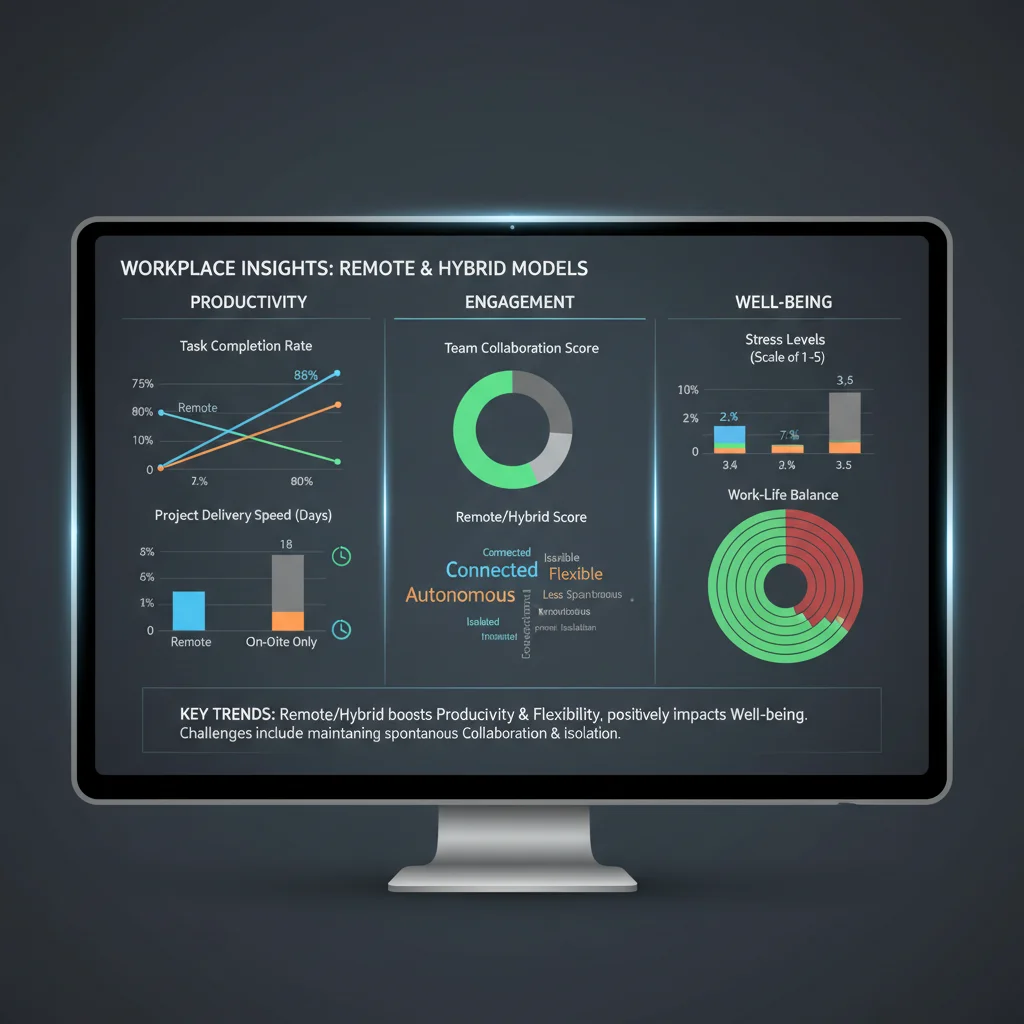
This rapid transition exposed both the strengths and weaknesses of fully remote operations. While employees appreciated the elimination of commutes, increased autonomy, and better work-life balance, some struggled with isolation, blurred boundaries between work and personal life, and challenges in spontaneous collaboration. These experiences highlighted the need for a more balanced approach, paving the way for the hybrid model.
Defining Hybrid Work Models: More Than Just a Mix
At its core, a hybrid work model combines elements of both in-office and remote work. However, the definition and implementation can vary significantly. It’s not a one-size-fits-all solution but rather a spectrum of approaches tailored to specific organizational needs and cultures. Common hybrid models include:
- Fixed Hybrid: Employees are required to be in the office on specific days of the week (e.g., Tuesdays and Thursdays). This provides predictability and ensures certain days for in-person collaboration.
- Flexible Hybrid: Employees have more autonomy to choose when they come into the office, often based on team needs or personal preference. This offers maximum flexibility but requires strong coordination.
- Remote-First Hybrid: The company primarily operates remotely, with office spaces available for occasional meetings, team gatherings, or for employees who prefer to work from an office.
- Office-First Hybrid: The default is working from the office, but employees have the option to work remotely for a certain number of days or under specific circumstances.
The key to successful Hybrid Work Models lies in intentional design and clear communication. It’s not enough to simply allow employees to work from home sometimes; companies must thoughtfully integrate technology, adjust policies, and foster a culture that supports both in-person and remote interactions equitably. The goal is to maximize the advantages of both modes of work while mitigating their respective drawbacks.
The Driving Forces Behind Hybrid Adoption by 2026
The projected 60% adoption rate of Hybrid Work Models by 2026 is driven by a confluence of factors, ranging from employee demand to strategic business advantages.
Employee Demand and Well-being
Post-pandemic, employees have a strong preference for flexibility. Numerous surveys indicate that a significant portion of the workforce would consider leaving their jobs if forced to return to the office full-time. Hybrid models offer this coveted flexibility, allowing individuals to better manage personal responsibilities, reduce commute stress, and achieve a more satisfying work-life balance. This directly translates to higher employee satisfaction, reduced turnover, and improved mental well-being, all critical factors in today’s competitive talent market.
Talent Acquisition and Retention
In a globalized economy, the war for talent is fiercer than ever. Companies that offer flexible work arrangements, especially Hybrid Work Models, gain a significant competitive edge. They can attract top talent from a broader geographical area, no longer limited by physical proximity to an office. Furthermore, offering hybrid options is a powerful retention tool, as employees are less likely to seek opportunities elsewhere if their current employer meets their flexibility needs.
Cost Savings and Operational Efficiency
While often not the primary driver, cost savings play a role. Companies adopting hybrid models can often reduce their real estate footprint, leading to significant savings on rent, utilities, and office maintenance. This capital can then be reallocated to other strategic initiatives, such as technology upgrades, employee development, or innovation. Moreover, reduced commuting time for employees can lead to increased productivity and reduced stress, indirectly benefiting the company’s bottom line.
Enhanced Productivity and Focus
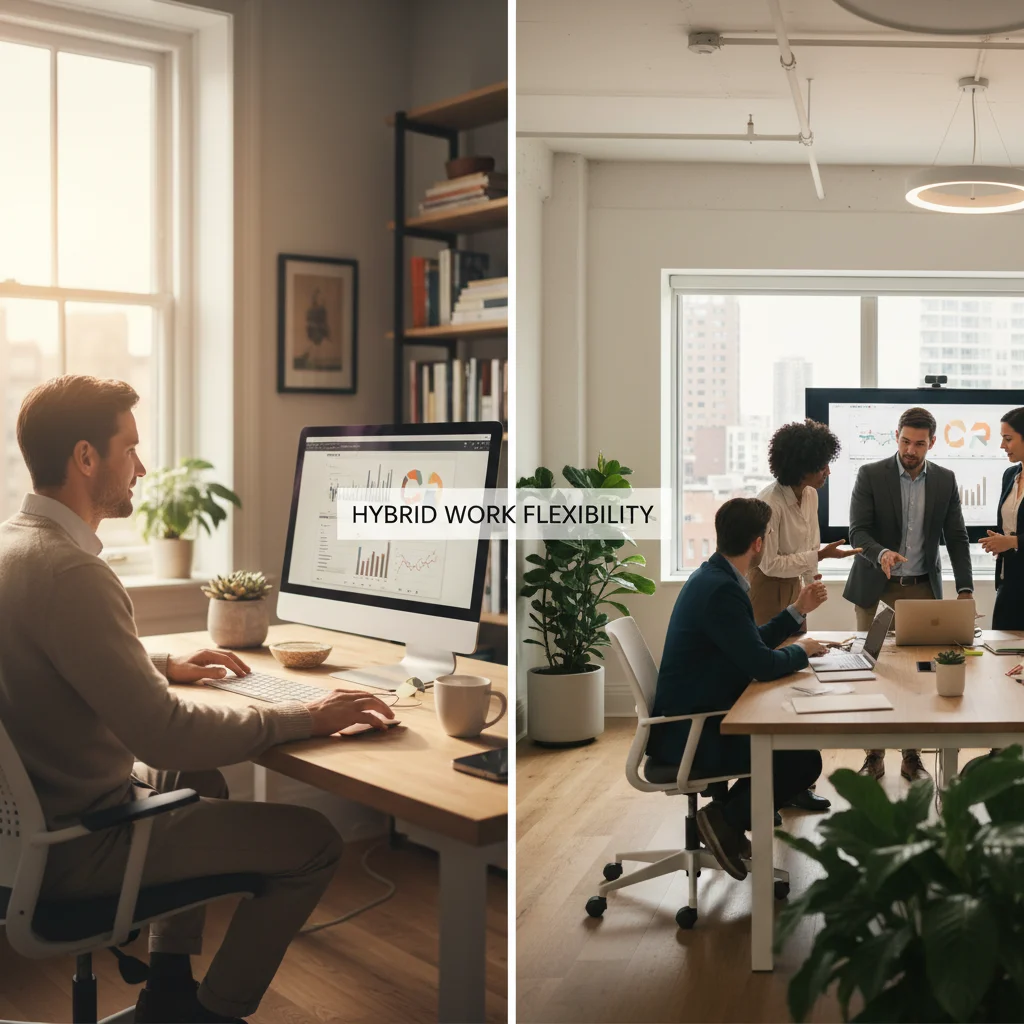
Many employees report higher productivity when working remotely, especially for tasks requiring deep focus, free from office distractions. Conversely, in-office days can be optimized for collaborative work, brainstorming sessions, and team building. Hybrid Work Models allow organizations to strategically leverage these strengths, assigning appropriate tasks to the most suitable work environment, thereby enhancing overall efficiency and output.
Resilience and Business Continuity
The pandemic underscored the importance of organizational resilience. Companies with established remote capabilities were better positioned to adapt to disruptions. Hybrid models inherently build this resilience into the organizational structure, ensuring that operations can continue smoothly even in the face of unforeseen challenges, be it natural disasters, public health crises, or infrastructure failures.
Comparing Remote Work Cultures: Full Remote vs. Hybrid
While Hybrid Work Models are gaining prominence, it’s crucial to understand their distinctions from purely remote or traditional in-office cultures. Each has its unique characteristics, advantages, and disadvantages.
Full Remote Culture
In a fully remote environment, all employees work from distributed locations, and there is no central office where regular attendance is expected. This model offers maximum flexibility and access to a global talent pool. Companies like Gitlab and Automattic are prime examples, having built successful cultures around distributed teams.
Advantages of Full Remote:
- Unrestricted Talent Pool: Hire from anywhere in the world, accessing the best talent regardless of location.
- Maximum Employee Flexibility: Employees have complete autonomy over their work environment.
- Significant Cost Savings: Minimal to no office space required.
- Environmental Benefits: Reduced commutes mean lower carbon footprint.
Disadvantages of Full Remote:
- Potential for Isolation: Employees may feel disconnected from colleagues and the company culture.
- Communication Challenges: Rely heavily on asynchronous communication, which can sometimes delay decisions or lead to misunderstandings.
- Culture Building: Requires intentional effort to foster a strong, cohesive culture without in-person interactions.
- Time Zone Management: Coordinating across multiple time zones can be complex.
- Onboarding Difficulties: Integrating new hires into a fully remote team can be challenging without face-to-face interaction.
Traditional In-Office Culture
This model, once the default, requires employees to work from a central office location for the majority, if not all, of their working hours. It emphasizes face-to-face interaction and can foster a strong sense of community.
Advantages of Traditional In-Office:
- Easy Collaboration: Spontaneous discussions and brainstorming are seamless.
- Stronger Company Culture: Easier to build camaraderie and a shared identity through daily interactions.
- Clear Boundaries: Clear separation between work and home life.
- Direct Supervision: Easier for managers to observe and guide employees.
Disadvantages of Traditional In-Office:
- Limited Talent Pool: Restricted to candidates within commuting distance.
- High Overhead Costs: Significant expenses for office space, utilities, and amenities.
- Commute Stress: Can negatively impact employee well-being and productivity.
- Less Flexibility: Offers minimal work-life balance flexibility.
- Environmental Impact: Higher carbon footprint due to daily commutes.
Hybrid Work Models Culture
As discussed, hybrid models aim to strike a balance, leveraging the benefits of both remote and in-office work while mitigating their respective drawbacks. The culture within Hybrid Work Models is characterized by flexibility, intentional communication, and a focus on outcomes rather than presence.
Advantages of Hybrid Work Models:
- Balanced Flexibility: Offers employees the autonomy of remote work with the benefits of in-person collaboration.
- Broader Talent Pool: Attracts talent beyond immediate geographical constraints, though not as wide as fully remote.
- Enhanced Collaboration: Dedicated in-office days can be used for high-impact, collaborative tasks.
- Stronger Culture Building: Regular in-person interactions help maintain social bonds and company identity.
- Improved Work-Life Balance: Reduces commute stress while still providing a structured work environment.
- Cost Efficiency: Potential for reduced real estate costs compared to traditional offices.
Disadvantages of Hybrid Work Models:
- Potential for Two-Tiered Culture: Risk of creating a divide between in-office and remote employees if not managed carefully.
- Logistical Complexity: Requires robust scheduling, technology, and communication strategies.
- Fairness and Equity: Ensuring equitable opportunities and experiences for all employees, regardless of location.
- Technology Investment: Requires significant investment in collaboration tools, video conferencing, and hybrid meeting room technology.
- Management Training: Leaders need specific training to effectively manage hybrid teams.
Key Considerations for Implementing Successful Hybrid Work Models
Transitioning to or refining Hybrid Work Models is not without its complexities. Successful implementation requires careful planning, ongoing adaptation, and a commitment to fostering an inclusive and productive environment.
Technology Infrastructure
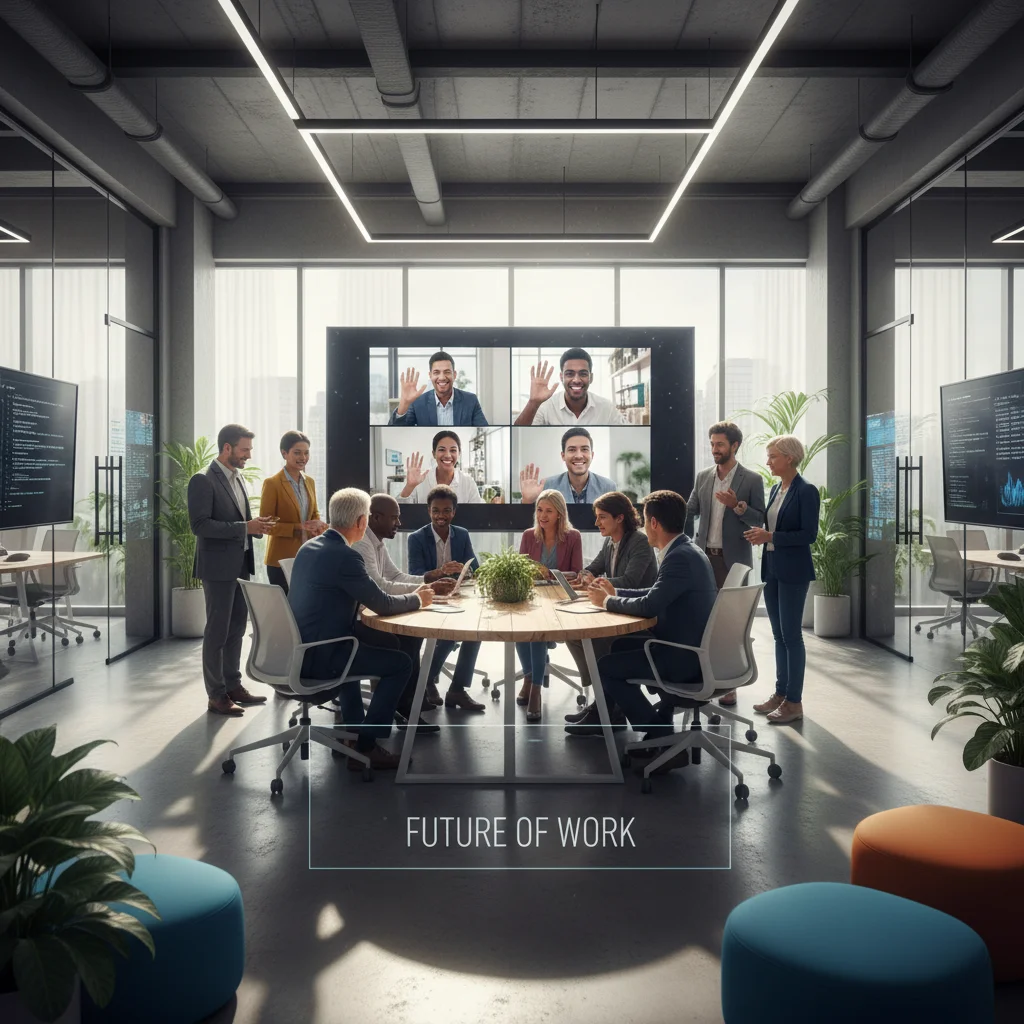
Robust technology is the backbone of any successful hybrid model. This includes reliable video conferencing platforms, collaboration tools, cloud-based document sharing, and secure remote access to company systems. Investing in smart meeting rooms equipped with high-quality audio and video ensures that remote participants are just as engaged as those in the office.
Communication Strategies
Clear, consistent, and intentional communication is paramount. Companies must establish guidelines for how and when to communicate, ensuring that both in-office and remote employees receive the same information and have equal opportunities to contribute. This often involves a greater reliance on asynchronous communication, well-documented processes, and regular check-ins.
Leadership and Management Training
Managing a hybrid team requires a different skill set than managing a traditional in-office team. Leaders need training in empathetic leadership, performance management based on outcomes rather than presence, fostering psychological safety, and ensuring equitable treatment for all team members. Managers must be equipped to bridge the physical distance and maintain team cohesion.
Culture and Inclusion
The biggest challenge in Hybrid Work Models is often maintaining a cohesive and inclusive company culture. Companies must actively work to prevent a ‘two-tiered’ system where remote employees feel overlooked or disadvantaged. This involves:
- Intentional Connection: Organizing virtual and in-person social events.
- Equal Access: Ensuring all employees have equal access to information, development opportunities, and career advancement.
- Inclusive Meetings: Designing meetings that actively engage both remote and in-office participants.
- Recognition: Acknowledging contributions from all team members, regardless of location.
Office Space Redesign
The purpose of the office changes in a hybrid model. It transforms from a primary workspace to a hub for collaboration, innovation, and connection. Office spaces need to be redesigned to facilitate these activities, featuring more collaborative zones, quiet focus areas, and advanced technology for hybrid meetings. The goal is to make the office a destination that provides value beyond what can be achieved at home.
The Future Outlook: Why 60% by 2026?
The projection that 60% of U.S. companies will adopt Hybrid Work Models by 2026 is not an arbitrary figure. It reflects a deep understanding of market trends, employee preferences, and the strategic advantages these models offer. The ongoing evolution of technology, particularly in AI and virtual reality, will further enhance the capabilities of hybrid teams, making remote collaboration even more seamless and immersive.
Furthermore, the younger generations entering the workforce have grown up with digital tools and expect flexibility as a standard offering. Companies that fail to adapt to these expectations risk losing out on top talent. The competitive landscape will increasingly favor organizations that embrace progressive work arrangements.
The lessons learned from the pandemic have fundamentally altered our perception of work. The focus has shifted from ‘where’ work is done to ‘how’ and ‘why’ it is done. Hybrid Work Models provide the framework for this new paradigm, allowing businesses to optimize for productivity, employee well-being, and resilience simultaneously.
However, this transition will not be without its challenges. Companies will need to continuously experiment, gather feedback, and iterate on their hybrid strategies. The definition of ‘successful hybrid’ will evolve, requiring organizations to remain agile and responsive to changing circumstances and employee needs. The role of HR will become even more critical in shaping policies, fostering culture, and managing the complexities of a distributed workforce.
Conclusion: Embracing the Hybrid Horizon
The move towards Hybrid Work Models is more than just a passing fad; it represents a fundamental restructuring of the modern workplace. By 2026, the majority of U.S. companies will have embraced this flexible approach, recognizing its profound benefits for talent acquisition, employee satisfaction, operational efficiency, and organizational resilience. The comparison of remote work cultures clearly demonstrates that hybrid offers a compelling balance, leveraging the best aspects of both in-office and remote environments.
For businesses looking to thrive in this evolving landscape, the imperative is clear: develop thoughtful, intentional, and inclusive hybrid strategies. Invest in the right technology, empower leaders with the necessary skills, and foster a culture that values flexibility, trust, and equitable opportunities for all employees. The future of work is hybrid, and those who embrace it proactively will be best positioned for sustained success in the years to come.
As companies navigate this exciting new era, continuous learning and adaptation will be key. The journey towards optimal Hybrid Work Models is ongoing, but the destination promises a more dynamic, inclusive, and productive future for the American workforce.