From Quiet Quitting to Loud Thriving: Navigating 2026 Workplace Expectations

From Quiet Quitting to Loud Thriving: Practical Solutions for Navigating New Workplace Expectations in 2026
The corporate landscape is in constant flux, and the past few years have accelerated shifts that were already underway. What began as a whisper of ‘quiet quitting’ – a phenomenon where employees fulfill their job descriptions but do little more – is rapidly evolving into a demand for ‘loud thriving.’ This isn’t just about employees seeking more; it’s about a fundamental redefinition of the employment contract, driven by a desire for purpose, flexibility, well-being, and genuine connection. As we approach 2026, understanding and adapting to these new workplace expectations 2026 is not merely an option but a strategic imperative for organizations aiming not just to survive, but to flourish.
The concept of ‘quiet quitting’ gained significant traction as a response to burnout, a lack of recognition, and the feeling of being undervalued. Employees, rather than overtly resigning, chose to mentally disengage, doing the bare minimum required to keep their jobs. While this may have offered a temporary reprieve for individuals, it posed a significant threat to organizational productivity, innovation, and morale. The antidote, ‘loud thriving,’ represents a proactive and positive paradigm shift. It’s about creating an environment where employees are not just present, but actively engaged, contributing their best, and experiencing genuine satisfaction and growth.
This comprehensive guide delves into the core tenets of these evolving workplace dynamics and offers practical, actionable solutions for leaders and HR professionals. We will explore the driving forces behind these new expectations, from technological advancements to generational shifts and a heightened awareness of mental health. More importantly, we will outline strategies to foster a culture where loud thriving is the norm, ensuring your organization is well-prepared to meet the workplace expectations 2026 and beyond.
Understanding the Evolution: From Quiet Quitting to Loud Thriving
To effectively address the future, we must first understand the journey that led us here. Quiet quitting was a symptom, not the disease. It signaled a deep-seated dissatisfaction with traditional work models, characterized by rigid structures, hierarchical command-and-control leadership, and an emphasis on output over well-being. The pandemic acted as a catalyst, forcing a global experiment in remote work, flexible hours, and a re-evaluation of work-life balance.
Employees, having experienced greater autonomy and a blurring of personal and professional boundaries, began to demand more from their employers. The Great Resignation underscored this shift, as individuals sought roles that aligned with their values, offered better compensation, or provided more flexibility. The rise of ‘loud thriving’ is the next logical step in this evolution. It’s a call for workplaces to be spaces of growth, purpose, and genuine human connection. It acknowledges that employees are not just cogs in a machine but individuals with aspirations, personal lives, and a desire to make a meaningful impact.
Organizations that embrace loud thriving recognize that employee well-being, engagement, and development are directly linked to business success. They understand that a thriving workforce is more innovative, resilient, and productive. This shift requires a fundamental re-evaluation of leadership styles, organizational culture, and HR strategies. It’s about moving from a transactional relationship with employees to a transformational one, where mutual respect and shared purpose are paramount.
Key Drivers of New Workplace Expectations in 2026
Several interconnected factors are shaping the workplace expectations 2026. Understanding these drivers is crucial for crafting effective strategies:
1. The Rise of Purpose-Driven Work
Today’s workforce, particularly younger generations, seeks more than just a paycheck. They want to be part of something meaningful, contributing to a cause they believe in. Organizations that articulate a clear mission and demonstrate a commitment to social responsibility will attract and retain top talent. Employees want to see how their individual contributions align with the company’s broader impact on the world.
- Actionable Insight: Clearly communicate your company’s mission, vision, and values. Integrate purpose into daily operations and celebrate employees who embody these values. Offer opportunities for employees to engage in corporate social responsibility initiatives.
2. The Demand for Flexibility and Autonomy
The pandemic proved that work can be done effectively outside traditional office settings and rigid schedules. Employees now expect a degree of flexibility in where, when, and how they work. This isn’t just about remote work; it encompasses flexible hours, compressed workweeks, and output-based evaluations rather than time-based ones.
- Actionable Insight: Implement hybrid work models, offer flexible scheduling options, and empower employees with autonomy over their work processes. Focus on results and outcomes rather than micromanaging hours or locations.
3. Emphasis on Holistic Well-being
Mental health, physical health, and financial well-being are no longer considered separate from an employee’s professional life. Organizations are increasingly expected to provide comprehensive support systems that address these aspects. Burnout is a serious concern, and employees are looking for employers who prioritize their overall health.
- Actionable Insight: Offer robust mental health resources, promote work-life balance through policies like unlimited PTO, provide financial wellness programs, and encourage healthy habits through workplace initiatives.
4. Continuous Learning and Development
In a rapidly evolving world, skills quickly become obsolete. Employees expect their employers to invest in their continuous learning and professional development. This includes access to training, mentorship programs, and opportunities for upskilling and reskilling.
- Actionable Insight: Create personalized learning paths, offer tuition reimbursement, establish mentorship programs, and encourage internal mobility. Foster a culture of continuous learning and growth.
5. Inclusive and Equitable Environments
Diversity, Equity, and Inclusion (DEI) are no longer buzzwords but foundational pillars of a modern workplace. Employees expect to work in environments where everyone feels valued, respected, and has equal opportunities for advancement. This goes beyond mere representation to fostering a truly inclusive culture.
- Actionable Insight: Implement unconscious bias training, establish diverse hiring panels, create employee resource groups (ERGs), and regularly audit pay equity and promotion practices.
6. Transparent Communication and Trust
Employees want to be informed and involved. They expect open and honest communication from leadership, especially during times of change. Trust is the bedrock of any successful relationship, and it’s built through transparency, consistency, and authenticity.
- Actionable Insight: Hold regular town halls, implement open-door policies, provide clear rationales for decisions, and encourage feedback from all levels of the organization.
Practical Solutions for Fostering Loud Thriving in 2026
Moving from understanding to action requires a strategic and multifaceted approach. Here are practical solutions to transform your workplace into an environment where employees not only thrive but also advocate for your organization, attracting even more talent and driving sustained success in meeting workplace expectations 2026.
1. Redefining Leadership for the Modern Era
Traditional command-and-control leadership styles are becoming obsolete. The new paradigm calls for empathetic, coaching-oriented leaders who empower their teams. Leaders must be skilled in active listening, fostering psychological safety, and championing their team’s growth.
- Empathetic Leadership Training: Invest in training programs that equip leaders with emotional intelligence, active listening skills, and the ability to provide constructive feedback. Leaders should learn to understand their team members’ individual needs and aspirations.
- Coaching and Mentorship Programs: Encourage leaders to act as coaches, guiding employees toward their goals rather than dictating tasks. Establish formal mentorship programs where experienced employees can guide newer ones, fostering a culture of knowledge sharing and development.
- Psychological Safety: Leaders must create an environment where employees feel safe to voice ideas, admit mistakes, and challenge the status quo without fear of reprisal. This is crucial for innovation and problem-solving.
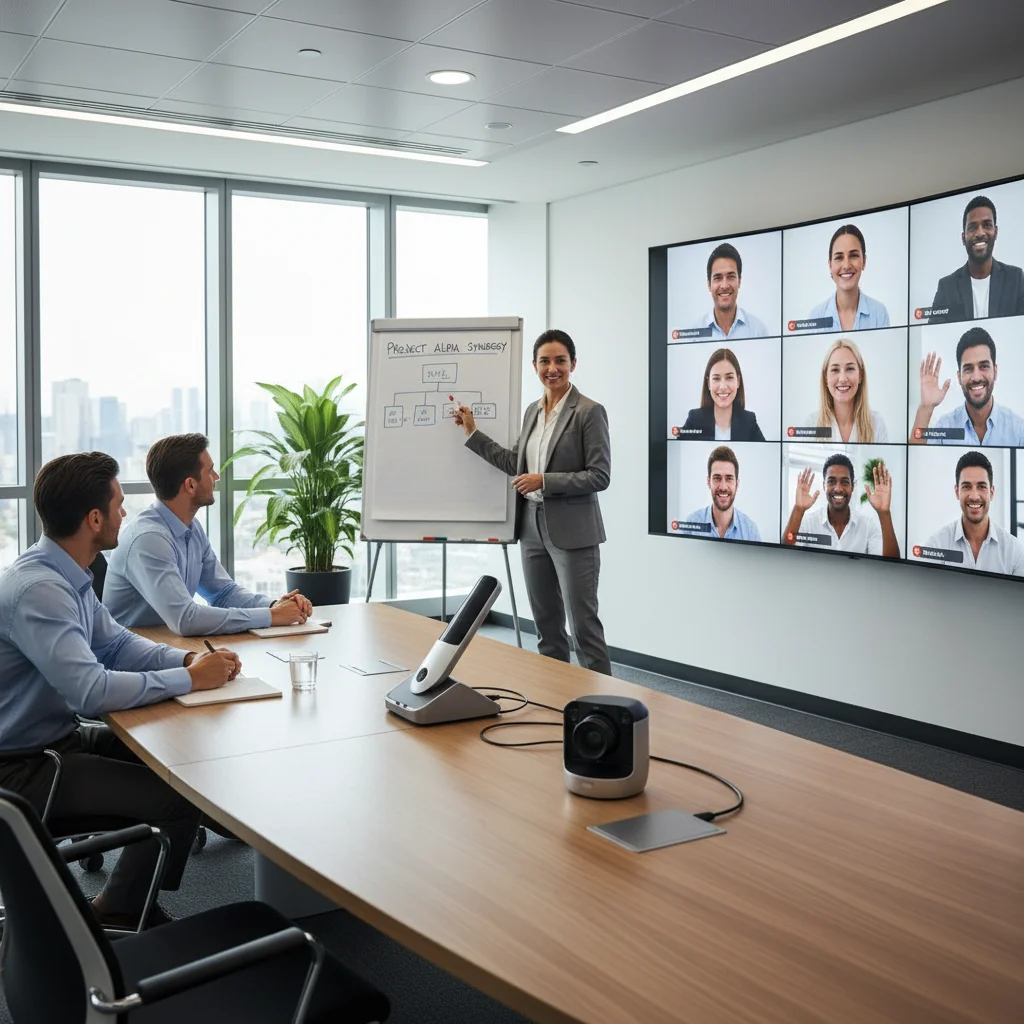
2. Enhancing Employee Engagement and Experience
Engagement goes beyond satisfaction; it’s about employees feeling connected to their work, their team, and the organization’s mission. A robust employee experience strategy is vital for loud thriving.
- Personalized Growth Plans: Move beyond generic career paths. Work with employees to develop individualized growth plans that align with their strengths, interests, and career aspirations within the company. This could involve cross-functional projects, specialized training, or leadership development programs.
- Recognition and Rewards: Implement comprehensive recognition programs that go beyond monetary bonuses. Acknowledge efforts and achievements regularly, publicly and privately. This could include peer-to-peer recognition, spot bonuses, personalized thank-you notes, or opportunities for professional development.
- Voice and Feedback Mechanisms: Establish multiple channels for employees to provide feedback, suggestions, and concerns. This includes regular pulse surveys, anonymous feedback platforms, and employee forums. More importantly, demonstrate that feedback is heard and acted upon.
- Community Building Initiatives: In a hybrid world, intentional efforts are needed to foster connection. Organize virtual and in-person social events, team-building activities, and interest-based groups to strengthen bonds and create a sense of belonging.
3. Prioritizing Well-being and Work-Life Integration
A thriving employee is a well-balanced employee. Organizations must move beyond superficial wellness perks to embed well-being into their core culture, addressing the workplace expectations 2026 for comprehensive support.
- Comprehensive Mental Health Support: Offer access to mental health professionals, employee assistance programs (EAPs), and mental health days. Train managers to recognize signs of distress and provide appropriate support or resources. Destigmatize mental health discussions in the workplace.
- Flexible Work Arrangements: Beyond remote work, explore options like compressed workweeks, job sharing, and sabbatical programs. Empower employees to design work schedules that best suit their personal and professional needs, focusing on output rather than hours.
- Digital Detox and Boundaries: Encourage employees to disconnect after work hours and during vacations. Implement policies that support this, such as no-email weekends or ‘focus time’ blocks. Leaders should model healthy boundaries.
- Physical Wellness Programs: Provide access to fitness resources, healthy eating initiatives, and ergonomic assessments for both office and home setups. On-site gyms, discounted gym memberships, and virtual fitness classes can contribute to physical health.

4. Investing in Technology and Infrastructure
Technology plays a critical role in enabling flexible work and enhancing productivity. Organizations must invest in tools that support seamless collaboration, communication, and employee development.
- Collaboration Platforms: Implement robust platforms that facilitate real-time communication, document sharing, and project management, catering to both in-office and remote team members. Ensure these tools are intuitive and integrated.
- Learning Management Systems (LMS): Provide easy access to a wealth of learning resources, from online courses and certifications to internal knowledge bases. An effective LMS empowers employees to take ownership of their development.
- Digital Well-being Tools: Explore apps and platforms that support mental fitness, mindfulness, and productivity tracking, allowing employees to manage their energy and focus effectively.
- Ergonomic Support: For remote workers, offer stipends or resources for setting up ergonomic home offices. For in-office staff, ensure workstations are comfortable and adjustable, promoting good posture and reducing strain.
5. Cultivating a Culture of Transparency and Trust
Trust is the foundation upon which loud thriving is built. Transparency in decision-making and open communication are paramount.
- Open Book Management: Where appropriate, share financial performance, strategic goals, and challenges with employees. This fosters a sense of ownership and shared destiny.
- Consistent Communication: Establish clear communication channels and ensure regular updates from leadership. Be proactive in addressing rumors or concerns.
- Accountability and Fairness: Ensure that policies are applied consistently and fairly across the organization. Address issues of bias or discrimination promptly and transparently.
- Celebrate Successes and Learn from Failures: Create a culture where both achievements and lessons learned are openly shared. This reinforces a growth mindset and encourages continuous improvement.
6. Data-Driven HR and People Analytics
To truly understand and meet evolving workplace expectations 2026, organizations must leverage data. People analytics can provide invaluable insights into employee sentiment, engagement levels, retention risks, and the effectiveness of various initiatives.
- Employee Surveys and Sentiment Analysis: Regularly conduct engagement surveys, pulse checks, and exit interviews. Use AI-powered tools to analyze feedback and identify emerging trends or areas of concern.
- Performance and Productivity Metrics: Shift from traditional activity-based metrics to outcome-based performance indicators. Understand what drives success and how different work models impact productivity.
- Retention and Turnover Analysis: Analyze data related to employee turnover to identify patterns and root causes. Use this information to refine retention strategies and improve the employee experience.
- Well-being Metrics: Track participation in wellness programs, utilization of EAPs, and other indicators of employee well-being to assess the impact of initiatives and identify areas for improvement.
The Future is Now: Embracing Loud Thriving
The journey from quiet quitting to loud thriving is not a linear one, nor is it a destination. It’s an ongoing commitment to creating a dynamic, supportive, and engaging workplace that continuously adapts to the evolving needs of its people. The workplace expectations 2026 are clear: employees seek purpose, flexibility, well-being, growth, and a sense of belonging.
Organizations that proactively embrace these expectations will not only mitigate the risks associated with disengagement but will unlock a powerful competitive advantage. They will attract and retain the best talent, foster innovation, enhance productivity, and build a resilient culture capable of navigating future challenges. This requires a fundamental shift in mindset from viewing employees as resources to be managed, to seeing them as valuable partners whose well-being and growth are intrinsically linked to organizational success.
The practical solutions outlined in this article provide a roadmap for this transformation. By redefining leadership, enhancing employee engagement, prioritizing well-being, investing in appropriate technology, fostering transparency, and leveraging data, companies can cultivate an environment where every employee has the opportunity to ‘loud thrive.’ This isn’t just about making employees happy; it’s about building a sustainable, successful future for your organization in the dynamic landscape of 2026 and beyond.
Conclusion: A Call to Action for Progressive Workplaces
The era of passive disengagement is waning, making way for a new dawn of active, purposeful contribution. The organizations that will lead in 2026 are those that understand that their greatest asset is their people, and that investing in their holistic well-being and growth is the smartest business decision they can make. It’s time to move beyond merely reacting to employee dissatisfaction and instead, proactively design workplaces where every individual feels empowered to contribute their best, grow continually, and truly thrive.
Embrace the challenge, implement these practical solutions, and watch as your workforce transforms from quietly quitting to loudly thriving, driving your organization to unprecedented levels of success and innovation. The future of work is not just about technology or processes; it’s about people, and their collective potential to achieve extraordinary things when given the right environment to flourish.