2026 Election Cycle: Social Dynamics & Voter Turnout
The political landscape is a dynamic ecosystem, constantly reshaped by societal shifts, technological advancements, and evolving voter priorities. As we approach the 2026 election cycle, understanding the intricate web of social dynamics that will influence voter turnout is paramount for political strategists, policymakers, and engaged citizens alike. This upcoming cycle is not just another election; it’s a critical juncture where time-sensitive social forces will collide, potentially leading to unprecedented levels of engagement or, conversely, widespread disillusionment.
The 2026 election cycle will be defined by a series of overlapping trends, from the continued impact of digital media on information consumption and political discourse to the evolving demographic makeup of the electorate. Global events, economic conditions, and cultural movements will all play a significant role in shaping the collective consciousness and, subsequently, individual voting decisions. This deep dive aims to dissect these crucial elements, providing a comprehensive overview of what to expect and how various factors might sway the outcome.
The Shifting Sands of Demographics: A Look at the 2026 Electorate
Demographic shifts are a cornerstone of any election analysis, and the 2026 election cycle will be no exception. The electorate is constantly evolving, with younger generations entering the voting pool and older generations continuing to exert their influence. Understanding these changes is vital for predicting voter behavior and tailoring political messaging.
Youth Engagement and First-Time Voters
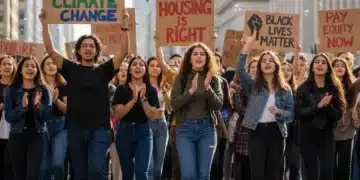
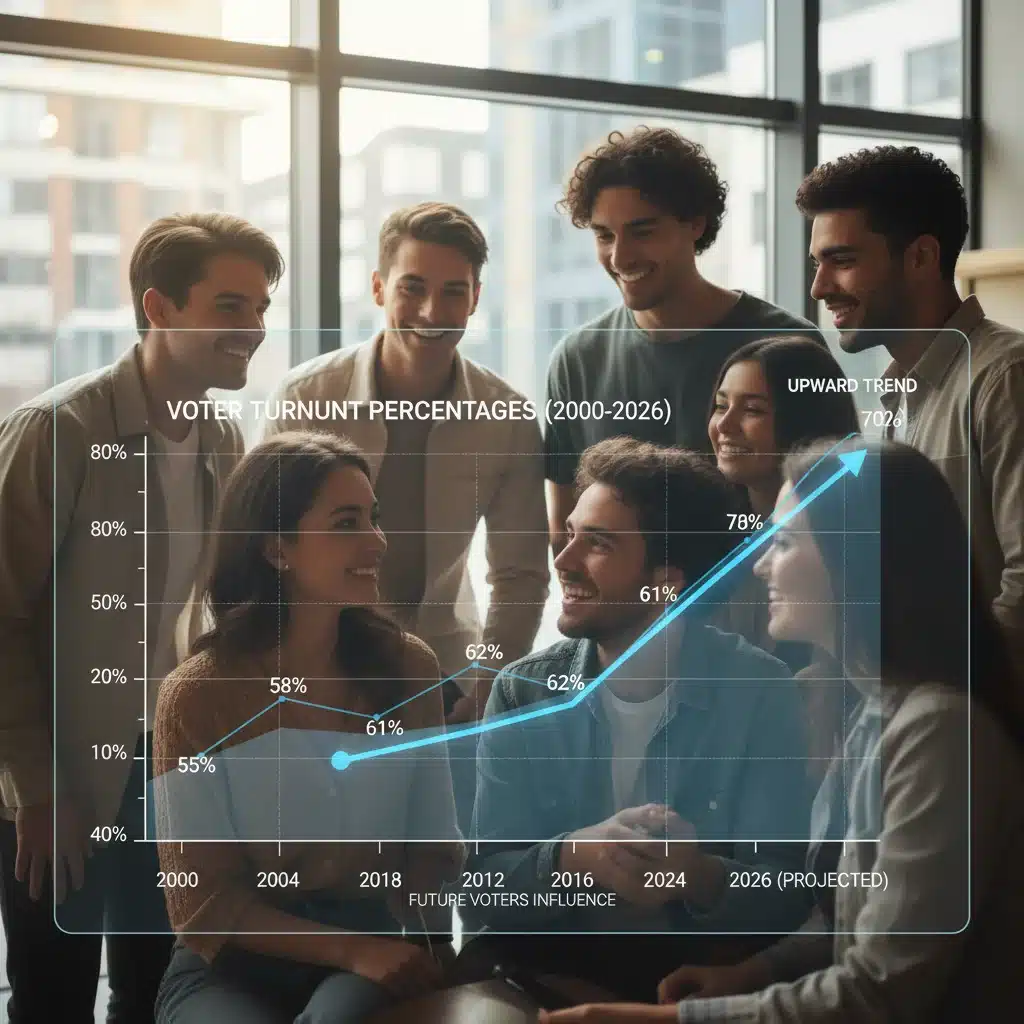
Generation Z, often referred to as ‘digital natives,’ will constitute an even larger segment of the eligible voting population in 2026. This demographic cohort possesses distinct characteristics that differentiate them from previous generations. They are highly connected, socially conscious, and often skeptical of traditional political institutions. Their engagement levels, which can be volatile, will be a significant factor in the 2026 election cycle.
Campaigns will need to go beyond conventional outreach methods to effectively mobilize these first-time voters. Social media platforms, influencer marketing, and authentic, values-driven messaging will be crucial. The issues that resonate most with Gen Z – climate change, social justice, economic equity, and mental health – will likely feature prominently in campaign platforms.
The Enduring Influence of Older Generations
While the youth vote garners considerable attention, older generations continue to represent a powerful voting bloc with consistently higher turnout rates. Their concerns often revolve around healthcare, retirement security, and economic stability. Political discourse during the 2026 election cycle will need to strike a delicate balance, addressing the immediate concerns of diverse age groups while articulating a long-term vision for the nation.
Racial and Ethnic Diversity
The increasing racial and ethnic diversity of the electorate will continue to reshape political coalitions and priorities. Minority groups, who have historically faced barriers to political participation, are becoming more organized and vocal. Issues such as immigration reform, racial justice, and equitable access to resources will be central to their political engagement in the 2026 election cycle.
Candidates and parties that effectively engage with and represent the diverse interests of these communities will likely gain a significant advantage. This requires not just superficial outreach but genuine understanding and advocacy for their specific challenges and aspirations.
The Digital Battlefield: Social Media and Information Dissemination
The role of digital media in shaping public opinion and influencing voter behavior has grown exponentially, and it will be an even more dominant force in the 2026 election cycle. Social media platforms, news websites, and online forums have become primary sources of information for many, but they also present challenges related to misinformation and polarization.
The Algorithmic Echo Chamber
Algorithms on social media platforms often create ‘echo chambers,’ where users are primarily exposed to information that confirms their existing beliefs. This can lead to increased polarization and a reduced capacity for empathetic understanding across political divides. Campaigns will undoubtedly leverage these algorithms to target specific demographics with tailored messages, but the broader societal impact of such strategies warrants careful consideration.
For the 2026 election cycle, campaigns will invest heavily in digital advertising, micro-targeting, and online grassroots organizing. The ability to craft compelling narratives that cut through the noise and resonate with specific voter segments will be critical. However, the ethical implications of these strategies, particularly concerning data privacy and the spread of disinformation, will remain a significant concern.
Combating Misinformation and Disinformation
The spread of misinformation and disinformation poses a serious threat to the integrity of democratic processes. In the lead-up to the 2026 election cycle, we can expect a continued battle against false narratives, deepfakes, and foreign interference. Media literacy initiatives, robust fact-checking efforts, and platform accountability will be essential to ensure an informed electorate.
Voters themselves will also bear a responsibility to critically evaluate the information they consume and share. Trust in traditional news sources has eroded for many, making the landscape of information consumption more complex and fragmented than ever before. This environment presents both opportunities and challenges for campaigns seeking to convey their message accurately and effectively.

Economic Realities and Their Impact on Voter Priorities
Economic conditions invariably play a pivotal role in shaping voter sentiment and determining election outcomes. The state of the economy – inflation, employment rates, wage growth, and housing affordability – will be a central theme in the 2026 election cycle.
Cost of Living and Inflation
Persistent inflation and the rising cost of living have a tangible impact on the daily lives of citizens. Voters are likely to prioritize candidates and parties that offer credible solutions to these challenges, whether through fiscal policies, regulatory reforms, or social programs. The ability of political leaders to address these kitchen-table issues will be a significant determinant of their success in the 2026 election cycle.
Job Security and Economic Opportunity
Beyond inflation, concerns about job security, wage stagnation, and access to economic opportunities will also drive voter behavior. Automation, artificial intelligence, and global economic shifts are transforming the labor market, creating both anxieties and new possibilities. Candidates who can articulate a clear vision for economic growth, job creation, and worker retraining will resonate with a broad spectrum of voters.
The debate around economic inequality will also intensify. Voters will scrutinize policies related to taxation, wealth distribution, and corporate responsibility. The 2026 election cycle will likely see robust discussions around the role of government in ensuring a more equitable economic playing field.
Social and Cultural Issues: The Ideological Battleground
Beyond economics, a range of social and cultural issues often serve as ideological battlegrounds, deeply dividing the electorate and motivating voters. These issues are often emotionally charged and can mobilize specific segments of the population with great intensity.
Reproductive Rights and Healthcare Access
The ongoing debates surrounding reproductive rights, healthcare access, and bodily autonomy will continue to be highly salient in the 2026 election cycle. Recent legal and political developments have brought these issues to the forefront, galvanizing voters on both sides of the spectrum. Candidates’ stances on these matters will be critical in shaping their appeal to various demographic groups.
Environmental Policy and Climate Change
Climate change and environmental policy remain pressing concerns for a significant portion of the electorate, particularly younger voters. The frequency and intensity of extreme weather events continue to raise awareness and demand for action. Campaigns in the 2026 election cycle will need to present clear and actionable plans for addressing environmental challenges, balancing economic development with ecological sustainability.
Education and Parental Rights
Education policy, including curriculum content, parental rights in schooling, and funding for public education, has become an increasingly contentious issue. These debates often reflect broader cultural anxieties and ideological differences. The 2026 election cycle will likely see candidates taking strong positions on these matters, appealing to different segments of the parent and educator communities.
The Role of Political Polarization and Trust in Institutions
Political polarization has become a defining characteristic of modern democracies, and its impact on voter turnout and political stability cannot be overstated. The 2026 election cycle will unfold against a backdrop of deep partisan divisions and, for many, a declining trust in political institutions.
Bridging the Divide or Deepening the Chasm?
The challenge for candidates and parties in 2026 will be to either find ways to bridge the existing political divides and appeal to a broader electorate or to successfully mobilize their base through highly partisan messaging. Both strategies carry risks and rewards. Efforts to foster civility and consensus often struggle against the powerful forces of identity politics and ideological purity.
Moreover, the perception of political institutions – including the electoral system itself – will influence voter participation. Concerns about election integrity, campaign finance, and legislative gridlock can lead to voter apathy or, conversely, a surge in protest votes. Rebuilding trust in these institutions will be a long-term endeavor, but the 2026 election cycle will provide a crucial test of their resilience.
The Independent and Undecided Voter
Despite the prevalence of polarization, a significant segment of the electorate identifies as independent or remains undecided until late in the campaign. These voters often hold nuanced views and are less beholden to party loyalty. Their motivations are typically driven by specific issues, candidate character, or a desire for pragmatic solutions. Winning over these swing voters will be critical for success in the 2026 election cycle, requiring persuasive arguments and a clear articulation of policy positions.
Global Events and Their Domestic Repercussions
In an increasingly interconnected world, global events inevitably cast a long shadow over domestic politics. International conflicts, economic downturns, humanitarian crises, and diplomatic relations can all influence voter priorities and perceptions of leadership.
Geopolitical Stability and Foreign Policy
Ongoing geopolitical tensions and conflicts will likely shape discussions around national security, defense spending, and foreign policy during the 2026 election cycle. Voters may prioritize candidates who demonstrate strong leadership on the international stage and articulate a clear vision for the nation’s role in global affairs.
International Economic Trends
Global economic trends, such as supply chain disruptions, trade agreements, and energy prices, can have direct repercussions on domestic economies. These factors will influence debates around economic policy and consumer confidence. Candidates will need to demonstrate an understanding of these international linkages and propose strategies to protect and promote national economic interests.
The Evolution of Campaign Strategies and Voter Outreach
As social dynamics evolve, so too must campaign strategies. The 2026 election cycle will witness further innovations in how candidates and parties engage with voters, leveraging technology and data analytics to unprecedented degrees.
Data-Driven Campaigns
Sophisticated data analytics will continue to be at the heart of modern campaigns. Voter files, consumer data, and behavioral insights will be used to micro-target messages, identify potential supporters, and optimize resource allocation. The ethical use of this data and concerns about privacy will remain important considerations.
Grassroots Mobilization and Community Organizing
Despite the rise of digital campaigning, grassroots mobilization and community organizing remain vital. Personal connections, local events, and volunteer engagement can be powerful tools for building trust and turning out voters. The 2026 election cycle will likely see a hybrid approach, combining high-tech digital outreach with traditional, ground-level organizing.
The Role of Media Narratives
The media, both traditional and digital, plays a crucial role in shaping narratives around candidates, issues, and the overall political climate. How stories are framed, what issues receive prominence, and who is given a platform can significantly influence public perception. Campaigns will work tirelessly to control their own narratives, while independent journalism and citizen reporting will continue to challenge and inform the public.
Conclusion: Navigating the Complexities of the 2026 Election Cycle
The 2026 election cycle promises to be a complex and fascinating period, shaped by a confluence of time-sensitive social dynamics. From demographic shifts and the pervasive influence of digital media to economic realities and deeply held cultural values, numerous factors will vie for voters’ attention and loyalty. Understanding these dynamics is not merely an academic exercise; it is essential for anyone seeking to comprehend the forces that drive our democratic process.
For political actors, the challenge will be to adapt to these evolving dynamics, crafting messages that resonate with a diverse and often fragmented electorate. For citizens, the imperative will be to remain informed, critically evaluate information, and participate actively in shaping the future. The outcomes of the 2026 election cycle will undoubtedly have lasting implications for society, making a nuanced understanding of these social forces more important than ever before.
The interplay of these elements will determine not only who wins and loses but also the direction of public policy and the health of democratic institutions. As we move closer to 2026, continuous monitoring and analysis of these social dynamics will be crucial for anticipating trends and understanding the motivations behind voter turnout. The future of our political landscape is being forged now, in the intricate interactions of these time-sensitive social forces.