Reclaiming Your Evening: Insider Knowledge for a Relaxing Post-Work Routine in 2026.

In the relentless march of 2026, where work demands often bleed into personal time, the concept of a truly relaxing post-work routine has become not just a luxury, but a necessity. The modern professional is constantly bombarded with notifications, deadlines, and the pervasive feeling that there’s always more to do. This constant state of ‘on’ can lead to burnout, diminished well-being, and a profound sense of never truly disconnecting. But what if there was a way to consistently and effectively transition from the demands of your workday to an evening filled with peace, rejuvenation, and personal fulfillment? This article delves deep into insider knowledge, offering practical strategies and a fresh perspective on how to cultivate a truly relaxing post-work routine that will transform your evenings and, by extension, your life.
The importance of a well-structured evening routine cannot be overstated. It acts as a crucial buffer between your professional and personal life, allowing you to shed the day’s stresses and embrace activities that nourish your mind, body, and soul. Without this intentional transition, the boundaries blur, and the day’s pressures linger, preventing genuine rest and recovery. This isn’t about adding more tasks to your already busy schedule; it’s about strategically designing your evenings to maximize relaxation and minimize lingering stress. We’ll explore everything from digital detoxes to mindful movement, from culinary comfort to creative outlets, all designed to help you build a robust and relaxing post-work routine tailored to your unique needs.
The Modern Predicament: Why Evenings Are So Crucial for Well-being
The landscape of work has evolved dramatically. Remote work, hybrid models, and the always-on culture mean that for many, the physical distinction between work and home has vanished. This blurring of lines makes a dedicated relaxing post-work routine more vital than ever. Our brains are not designed for perpetual high-alert states. Constant engagement, even with tasks we enjoy, leads to cognitive fatigue. Without a deliberate wind-down period, this fatigue accumulates, manifesting as irritability, poor sleep, reduced concentration, and even physical ailments.
Consider the psychological impact. When you finish work and immediately dive into household chores, social media, or other demanding activities, your brain doesn’t get the signal to switch gears. It remains in a problem-solving, task-oriented mode. This can lead to what psychologists call ‘perseverative cognition’ – the tendency to ruminate on work-related issues long after the workday is over. A well-crafted relaxing post-work routine actively counters this, providing a structured pathway to mental disengagement and emotional recalibration. It’s about consciously closing the chapter on your workday and opening a new one focused on personal restoration.
Furthermore, the quality of your evenings directly impacts the quality of your mornings. A restless night, fueled by lingering stress from the day, inevitably leads to a sluggish start. Conversely, an evening dedicated to relaxation and self-care primes you for a more energized, focused, and positive beginning to the next day. Therefore, investing time and effort into creating a truly relaxing post-work routine is not merely about enjoying your evenings more; it’s about optimizing your entire life cycle, enhancing productivity during work hours, and fostering overall resilience.
Phase 1: The Transition – Deliberately Disconnecting
The first and arguably most critical step in building a relaxing post-work routine is creating a clear, intentional transition from work mode to personal mode. This isn’t something that happens automatically; it requires conscious effort and strategic planning. Think of it as a decompression chamber for your mind.
The Power of a ‘Shutdown Ritual’
Before you even leave your workspace (whether it’s a home office or a corporate cubicle), establish a ‘shutdown ritual.’ This is a series of small, consistent actions that signal the end of your workday. It could include:
- Reviewing and Planning Briefly: Spend 5-10 minutes jotting down key tasks for tomorrow, clearing your inbox to a manageable state, and organizing your physical or digital workspace. This helps prevent unfinished business from gnawing at you.
- Digital Detox Kick-off: Close all work-related tabs, applications, and communication channels. If possible, turn off work notifications on your personal devices. Consider putting your work phone away in a drawer until the next morning.
- A Symbolic Gesture: This could be anything from physically closing your laptop and putting it away, turning off the lights in your office, or even a simple deep breath and a mental declaration: ‘The workday is done.’ This symbolic act helps your brain register the transition.
Physical Disengagement: Moving Your Body
After your shutdown ritual, engage in some form of physical disengagement. This doesn’t have to be a strenuous workout, but rather a way to physically separate yourself from the work environment and release built-up tension. This is a cornerstone of a truly relaxing post-work routine.
- A Short Walk: Even 15-20 minutes of walking, ideally outdoors, can work wonders. The fresh air, natural light (if still available), and rhythmic movement help clear your head and shift your focus.
- Light Stretching or Yoga: Releasing physical tension held in the neck, shoulders, and back can significantly contribute to mental relaxation. Simple stretches at your desk or a quick 10-minute yoga flow are highly effective.
- Commute as Decompression: If you commute, use this time wisely. Instead of immediately checking social media, listen to an audiobook, a relaxing podcast, or simply enjoy some quiet time.
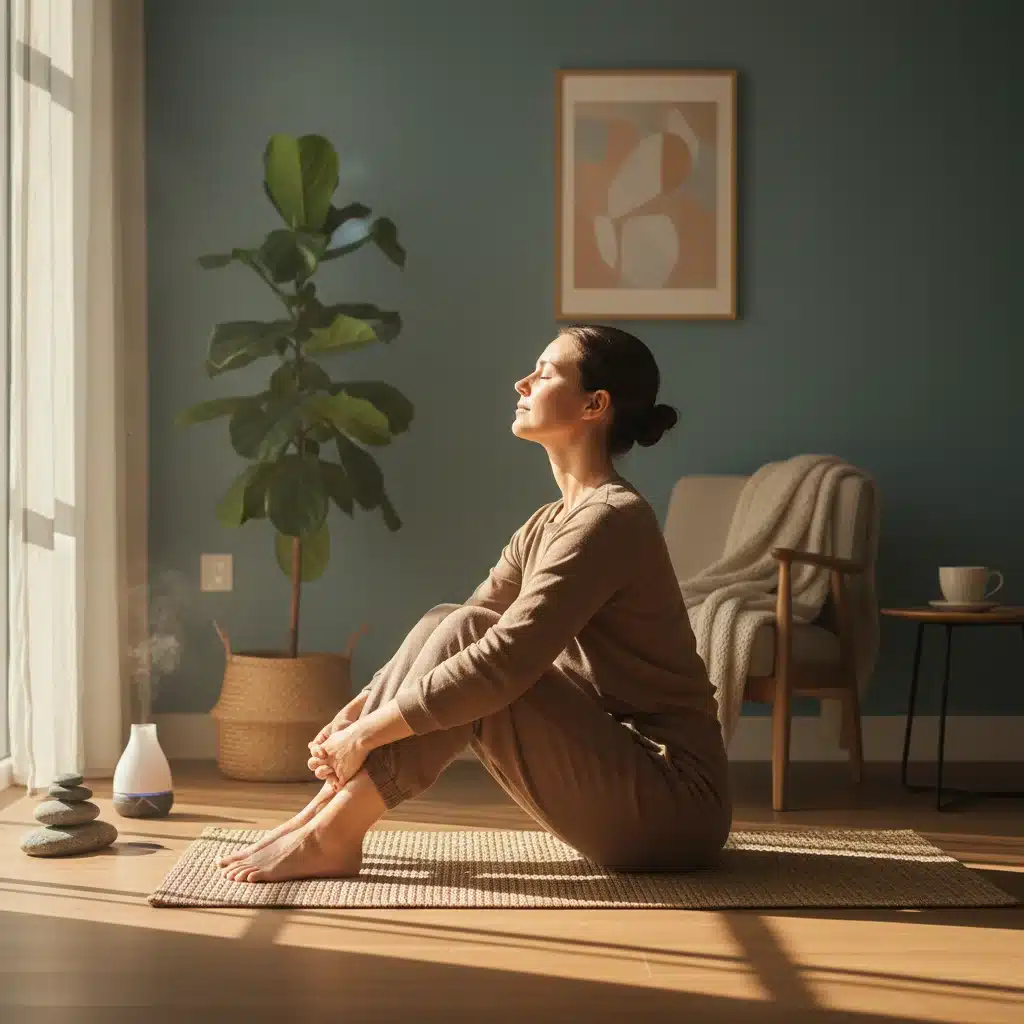
Phase 2: Cultivating Calm – Mindful Practices for Deep Relaxation
Once you’ve successfully transitioned away from work, the next phase of your relaxing post-work routine involves actively cultivating a state of calm and presence. This is where you intentionally engage in activities that soothe your nervous system and bring you into the present moment.
Mindfulness and Meditation: Anchoring Yourself
Even short bursts of mindfulness or meditation can have a profound impact on your ability to relax. You don’t need to be an expert; consistency is key.
- Guided Meditations: Numerous apps and online resources offer guided meditations specifically designed for stress relief or evening wind-down. Even 5-10 minutes can make a difference.
- Deep Breathing Exercises: Simple techniques like box breathing (inhale for 4, hold for 4, exhale for 4, hold for 4) can quickly activate your parasympathetic nervous system, promoting relaxation.
- Mindful Observation: Take 5 minutes to simply observe your surroundings without judgment. Notice the sounds, the smells, the sensations in your body. This helps ground you.
Engaging the Senses: Creating a Soothing Environment
Your environment plays a significant role in your ability to relax. Thoughtfully engaging your senses can amplify the calming effects of your relaxing post-work routine.
- Aromatherapy: Diffuse essential oils like lavender, chamomile, or frankincense to create a calming scent profile in your home.
- Warmth and Comfort: Take a warm bath or shower. The warmth helps relax muscles and signals to your body that it’s time to unwind. Slip into comfortable clothes.
- Lighting: Dim harsh overhead lights and opt for softer, warmer lighting. Candles or salt lamps can create a cozy, inviting atmosphere.
- Soundscapes: Play calming music, nature sounds, or ambient noise to mask distracting sounds and promote tranquility.
Phase 3: Nourishing Body and Soul – Activities for Rejuvenation
With a clear transition and a foundation of calm established, this phase of your relaxing post-work routine focuses on activities that genuinely nourish you, moving beyond passive consumption to active engagement in self-care.
Healthy Eating Habits: Fueling Your Evenings Right
What you eat in the evening can significantly impact your sleep and overall well-being. A light, nutritious meal is preferable to heavy, processed foods.
- Mindful Meal Preparation: Turn cooking into a relaxing activity. Focus on fresh ingredients, savor the process, and avoid rushing. This can be a meditative experience.
- Hydration: Continue to drink water throughout the evening, but consider switching from caffeinated beverages to herbal teas (chamomile, peppermint, valerian root) that promote relaxation.
- Avoid Late-Night Heavy Meals: Give your body ample time to digest before sleep. Aim to finish your last meal at least 2-3 hours before bedtime.

Engaging Hobbies and Creative Outlets: Reconnecting with Yourself
One of the most potent ways to achieve a relaxing post-work routine is to dedicate time to activities you genuinely enjoy and that allow for self-expression, without the pressure of performance.
- Reading: Escape into a good book. Reading fiction, especially, can transport your mind away from daily stressors and stimulate creativity.
- Creative Pursuits: Whether it’s drawing, painting, writing, playing a musical instrument, knitting, or gardening, engaging in creative activities helps you enter a flow state, which is deeply restorative.
- Learning Something New: Dedicate time to a personal interest, whether it’s learning a new language, coding, or exploring a historical topic. The act of learning for pleasure is incredibly stimulating and satisfying.
Meaningful Connection: Social and Personal
Humans are social creatures, and meaningful connection is crucial for well-being. Incorporate it into your relaxing post-work routine in a way that feels authentic and supportive.
- Connect with Loved Ones: Spend quality, present time with family or friends. This could be a conversation, a shared meal, or a board game.
- Journaling: If social interaction isn’t what you need, journaling can be a powerful way to connect with your inner self, process thoughts, and express emotions.
- Pet Time: If you have pets, spending time with them can be incredibly calming and stress-reducing.
Phase 4: Preparing for Rest – The Ultimate Wind-Down
The final phase of your relaxing post-work routine is dedicated to preparing your body and mind for restorative sleep. This isn’t just about going to bed; it’s about creating a conducive environment and mental state for deep rest.
The Sleep Sanctuary: Optimizing Your Bedroom
Your bedroom should be a haven for sleep, free from distractions and conducive to rest. This is a non-negotiable for a truly relaxing post-work routine.
- Darkness: Ensure your room is as dark as possible. Blackout curtains can be very effective.
- Cool Temperature: Most people sleep best in a cool room, typically between 60-67°F (15-19°C).
- Quiet: Minimize noise as much as possible. Earplugs or a white noise machine can be helpful if you live in a noisy environment.
- Comfort: Invest in a comfortable mattress, pillows, and bedding.
Digital Sunset: The Crucial Hour Before Bed
This is perhaps the most challenging but most impactful element of a relaxing post-work routine. The blue light emitted by screens (phones, tablets, computers, TVs) suppresses melatonin production, a hormone essential for sleep.
- Implement a ‘Digital Sunset’: Aim for at least one hour, ideally 90 minutes, of screen-free time before bed. Instead, read a physical book, listen to music, or talk with family.
- No Work-Related Content: Absolutely no checking work emails or engaging with work-related tasks during this period.
Bedtime Rituals: Signaling Sleep
Just as you have a shutdown ritual for work, create a consistent bedtime ritual that signals to your body and mind that it’s time to sleep.
- Consistent Bedtime: Try to go to bed and wake up at roughly the same time each day, even on weekends.
- Light Reading: Opt for a physical book or a calming magazine.
- Gentle Stretches: A few very gentle stretches can release any residual tension.
- Gratitude Journaling: Jot down a few things you’re grateful for. Ending the day on a positive note can reduce anxiety and promote peaceful sleep.
Common Pitfalls and How to Avoid Them in Your Relaxing Post-Work Routine
Even with the best intentions, building a truly relaxing post-work routine can be challenging. Awareness of common pitfalls can help you navigate them effectively.
The ‘One More Thing’ Trap
This is the insidious habit of always feeling like you need to do ‘just one more thing’ before you can relax. One more email, one more chore, one more scroll. This endlessly postpones true relaxation. Solution: Stick to your shutdown ritual and set firm boundaries. Remind yourself that the ‘one more thing’ can almost always wait until tomorrow. Prioritize your well-being over perceived urgency.
Over-Scheduling Your Evenings
While engaging activities are good, cramming too much into your evenings defeats the purpose of a relaxing post-work routine. If every evening is filled with commitments, you’ll feel just as drained as you do after work. Solution: Be selective about your evening commitments. Prioritize activities that genuinely rejuvenate you and learn to say no to others. Schedule in ‘white space’ – unstructured time for spontaneous relaxation.
The Lure of Instant Gratification (e.g., Endless Scrolling)
It’s easy to fall into the trap of passive consumption (social media, endless TV) in the name of relaxation. While there’s a place for entertainment, excessive screen time can be more draining than restorative. Solution: Be mindful of your screen time. Set limits for social media apps. Replace passive consumption with active engagement, such as reading, hobbies, or meaningful conversations, as part of your relaxing post-work routine.
Lack of Consistency
A routine, by definition, requires consistency. Skipping your evening wind-down regularly will diminish its effectiveness. Solution: Start small. Choose one or two elements of a relaxing post-work routine to implement consistently for a week. Once those feel natural, gradually add more. Be patient with yourself; building new habits takes time.
Tailoring Your Relaxing Post-Work Routine to Your Lifestyle
There is no one-size-fits-all relaxing post-work routine. Your ideal evening will depend on your work schedule, family commitments, energy levels, and personal preferences. The key is to be adaptable and self-aware.
Early Risers vs. Night Owls
If you’re an early riser, your evening routine might naturally lean towards earlier bedtimes and more structured wind-down activities. Night owls might find their peak relaxation later in the evening, but still need to prioritize sleep hygiene. Regardless of your chronotype, the principles of disconnecting, cultivating calm, nourishing yourself, and preparing for rest remain the same.
Family Commitments
If you have children or other family responsibilities, your relaxing post-work routine will need to integrate these. This might mean incorporating family dinner as a mindful activity, or finding pockets of personal time after children are asleep. Communication with your family about your need for personal wind-down time is crucial.
Personal Preferences and Energy Levels
What one person finds relaxing, another might find draining. Experiment with different activities to discover what truly rejuvenates you. Pay attention to your energy levels. On days when you feel particularly exhausted, a simpler, more passive relaxing post-work routine (e.g., a warm bath and light reading) might be more appropriate than an active hobby.
The Long-Term Benefits of a Consistent Relaxing Post-Work Routine
Implementing and maintaining a relaxing post-work routine is an investment that yields significant dividends across all areas of your life in 2026 and beyond.
- Improved Mental Health: Reduced anxiety, stress, and rumination. Enhanced mood and emotional regulation.
- Better Sleep Quality: Falling asleep faster, deeper sleep, and waking up feeling more refreshed.
- Increased Productivity: A well-rested mind is a more focused, creative, and efficient mind.
- Enhanced Relationships: Being less stressed and more present makes you a better partner, parent, friend, and colleague.
- Greater Resilience: The ability to bounce back from challenges and cope with stress more effectively.
- Increased Life Satisfaction: Reclaiming your evenings allows you to live a more balanced, fulfilling life, beyond just your professional identity.
Conclusion: Reclaiming Your Evenings, Reclaiming Your Life in 2026
In a world that increasingly demands our constant attention, the act of intentionally crafting a relaxing post-work routine is a revolutionary act of self-care. It’s not about being unproductive; it’s about strategic restoration that fuels sustainable productivity and profound well-being. By embracing the principles of deliberate disconnection, mindful calm, nourishing activities, and effective sleep preparation, you can transform your evenings from a continuation of the workday into a sanctuary of peace and personal growth.
Start small, be consistent, and most importantly, be kind to yourself. Your ideal relaxing post-work routine is a dynamic process, evolving with your needs and life circumstances. The insider knowledge shared here provides a robust framework, but the true master of your evenings is you. Take control, prioritize your peace, and watch as the quality of your evenings elevates the quality of your entire life in 2026.